

Some gardens just seem to work. The tomatoes ripen, the roses stay clean, and the owner never looks rushed. It’s tempting to call it a green thumb, but talk to anyone who has gardened for decades and you’ll hear something less mysterious: a handful of small routines, repeated every season. The good news is that none of them need talent, and most take minutes. Here are 12 habits experienced gardeners rely on, plus the research that explains why they work.
Key Takeaways
- 👀 Daily Walk: Five minutes a day catches pests before they multiply out of control.
- 🧪 Soil Test First: Test every 3 to 5 years instead of guessing with fertilizer.
- 💧 Deep, Early Watering: Water less often but more thoroughly, early in the morning, at the roots.
- 🍂 Mulch Like a Donut: 5 to 7.5 cm (2 to 3 in) deep, never piled against stems or trunks.
- 📓 Garden Journal: Notes and photos turn one good season into a repeatable one.
- 🔄 Crop Rotation: Move vegetable families every 3 to 4 years to break disease cycles.
- ✂️ Prune on Time: Spring bloomers right after flowering, summer bloomers in late winter.
- 🌱 Feed the Soil: Organic matter builds structure, nutrients and water storage.
- 🗺️ Know Your Microclimate: Your yard has warm, cold, wet and windy pockets. Use them.
- 🧼 Clean Tools: Disinfecting pruners stops you from spreading disease plant to plant.
- 🐦 Plant Natives: Native plants feed the insects that feed garden birds.
- 🎯 Start Small: Adopt one or two habits this season, not all twelve at once.
1. They Walk the Garden Every Day
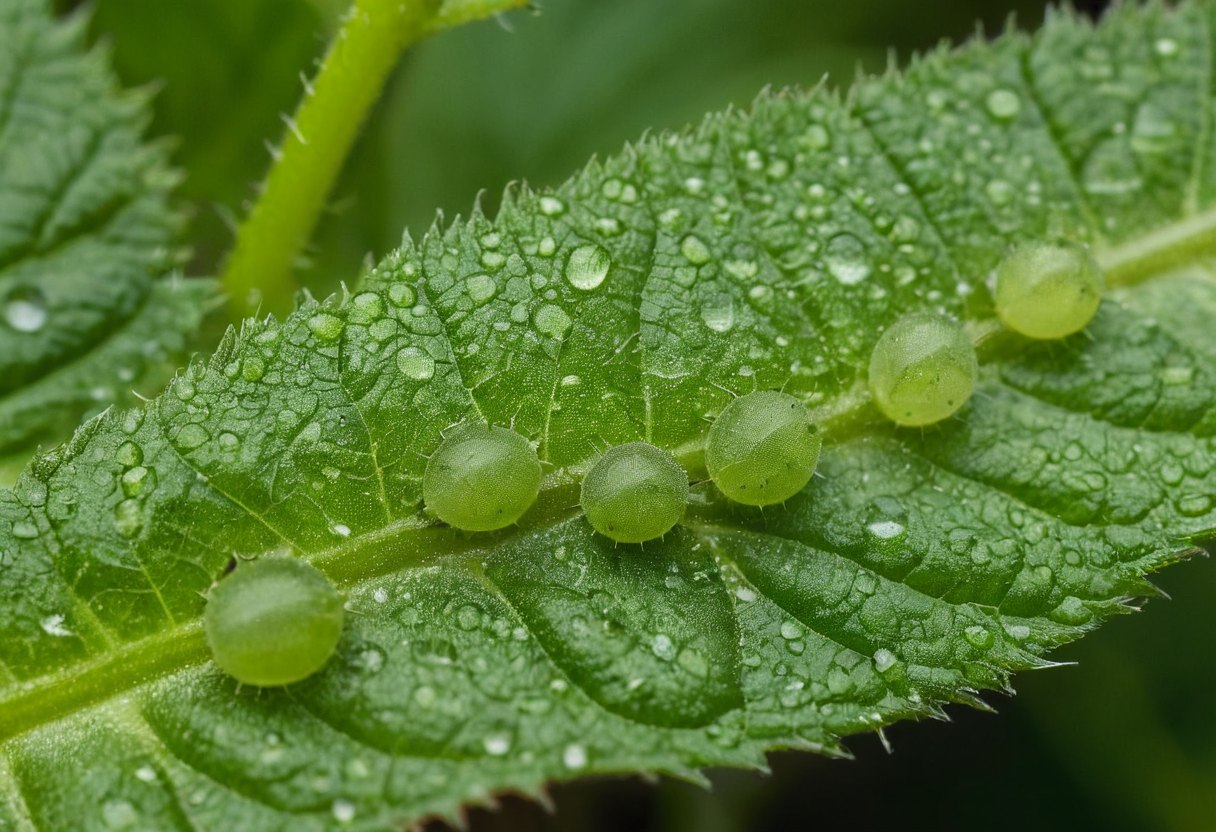
Experienced gardeners rarely discover a problem when it’s already big. That’s because they look every day, usually with a coffee in hand. A quick loop lets you spot the first curled leaf, the first sticky stem or the first chewed edge.
Speed matters because pests reproduce astonishingly fast. According to the University of California IPM program, many aphids reach adulthood in just 7 to 8 days in warm weather, and a single adult can produce up to 80 offspring in a week without mating. Spider mites can complete a whole generation in under a week. Miss two weekends and you can be dealing with a population explosion.
Catching problems early also means you can respond gently. A large review of 85 integrated pest management projects in 24 countries (Pretty & Bharucha, 2015) found that monitoring-led pest control raised yields by about 41% on average while cutting pesticide use to roughly 30% of previous levels.
🔍 Tip: Flip a few leaves on every walk. Aphids, mites and whitefly eggs almost always start on the undersides.
🪴 On a balcony: The same rule applies to containers and houseplants. Make watering day your inspection day.
2. They Test the Soil Instead of Guessing
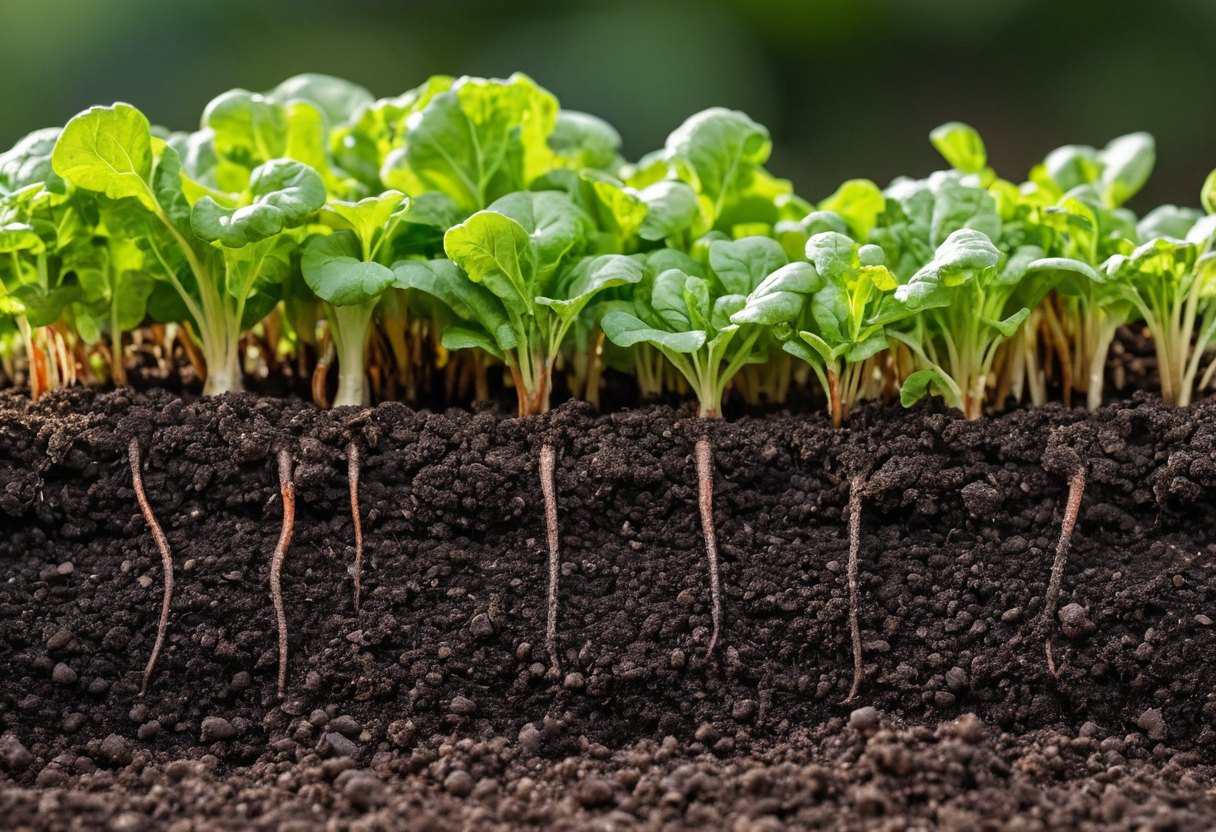
When plants look tired, the reflex is to reach for fertilizer. Seasoned gardeners reach for a soil test. It tells you pH and nutrient levels, and it often reveals that you need less than you think.
University of Illinois Extension recommends testing every three to five years unless you’re correcting a specific problem, and warns that unneeded fertilizer can harm the environment. Over-feeding is common: Auburn University soil-test records show that more than 40% of Alabama garden soils already have very high or excessive phosphorus, according to Alabama Cooperative Extension.
🔍 Tip: Take samples from several spots in the same bed, mix them, and test that mix. One scoop from one corner can mislead you.
3. They Water Deeply, Not Daily
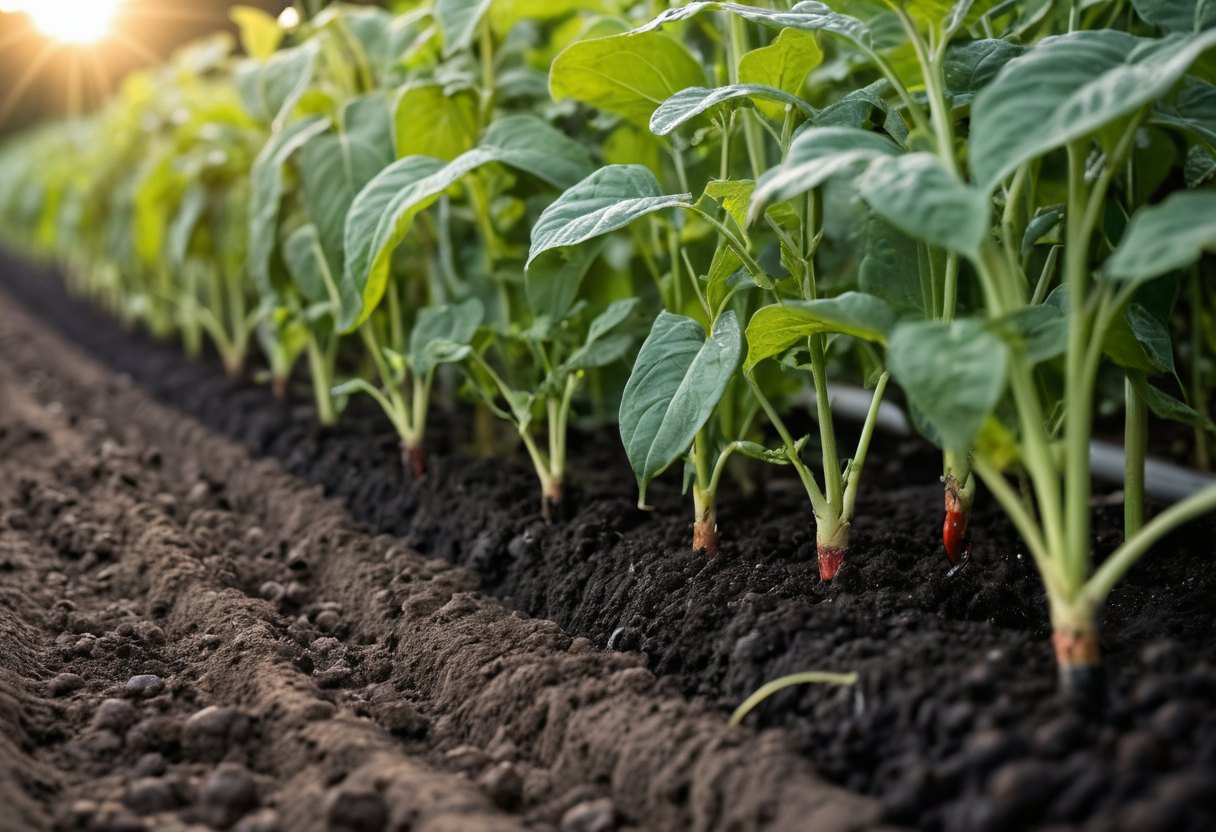
A light sprinkle every evening feels caring, but it trains roots to stay near the surface, where soil dries fastest. Experienced gardeners water less often and more thoroughly, so moisture reaches the root zone and roots follow it down.
Timing and method count just as much. Iowa State University Extension names early morning, roughly 5 to 9 a.m., as the best time, because midday sun and wind waste water to evaporation. Delivery matters too: Washington State University Extension puts typical sprinkler efficiency at about 70%, while drip irrigation reaches 90 to 95%, and fewer weed seeds germinate between the drip lines.
That waste adds up. The US EPA’s WaterSense program estimates that homes use nearly 8 billion gallons of water a day outdoors, and says that “as much as 50 percent of this water is wasted” through overwatering and inefficient irrigation.
🔍 Tip: Push a finger 5 cm (2 in) into the soil. If it’s still damp at that depth, skip watering today.
🪴 On a balcony: Water pots until it runs out of the drainage holes, then empty the saucer after 15 minutes so roots never sit in water.
4. They Mulch the Right Way
Mulch is one of the best-value habits in gardening. It slows evaporation, keeps soil temperatures even, smothers weed seedlings and slowly feeds the soil as it breaks down.
The Royal Horticultural Society recommends a layer at least 5 cm (2 in) and ideally 7.5 cm (3 in) thick, spread over moist, weeded soil. Colorado State University Extension estimates that mulch can cut irrigation needs by around half. The research backs that up: a meta-analysis of 74 studies in 19 countries (Qin et al., 2015) found mulching raised crop yields and water-use efficiency by up to 60% compared with bare soil.
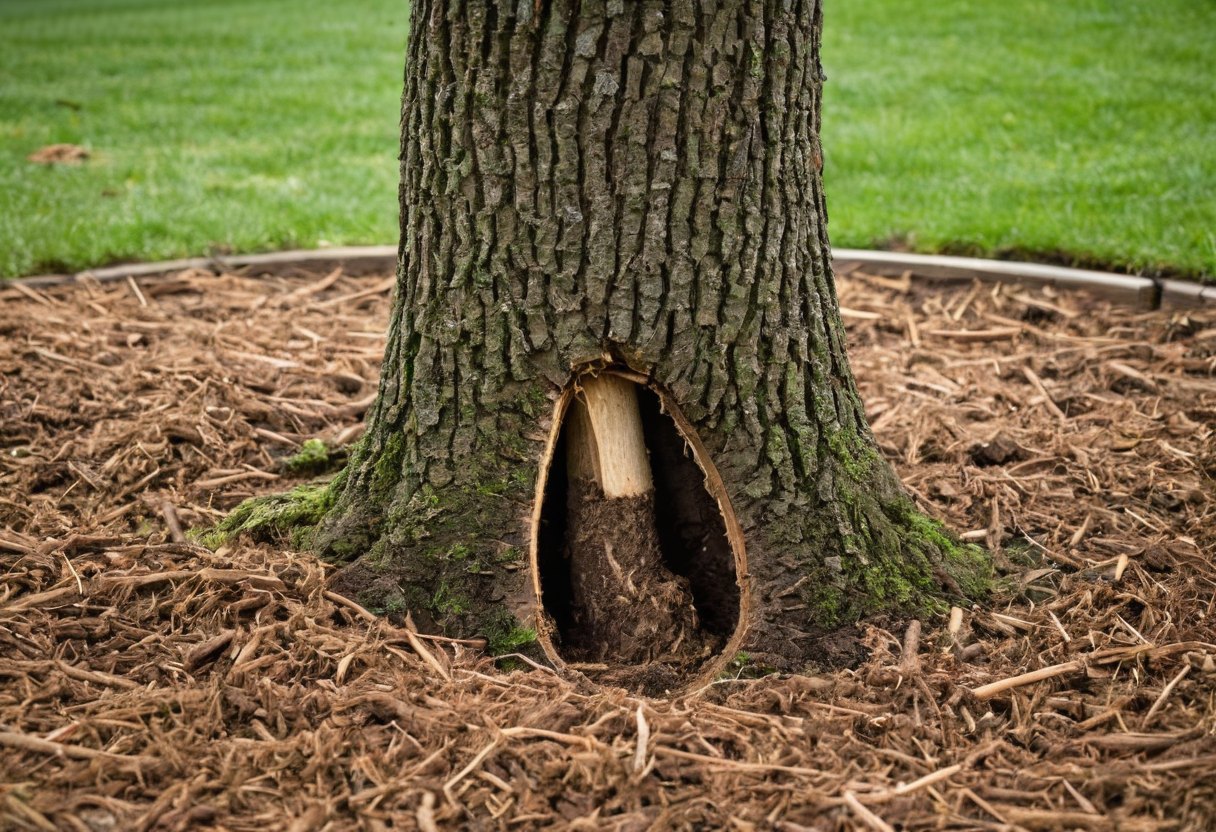
What experienced gardeners avoid is the “mulch volcano”, a cone piled against a tree trunk. Extension arborists at UVM and Illinois warn that it traps moisture against the bark and encourages girdling roots. Their rule of thumb: shape it like a donut, keep a few centimetres of bare space around the trunk, and stay no deeper than 5 to 10 cm (2 to 4 in).
5. They Keep a Garden Journal
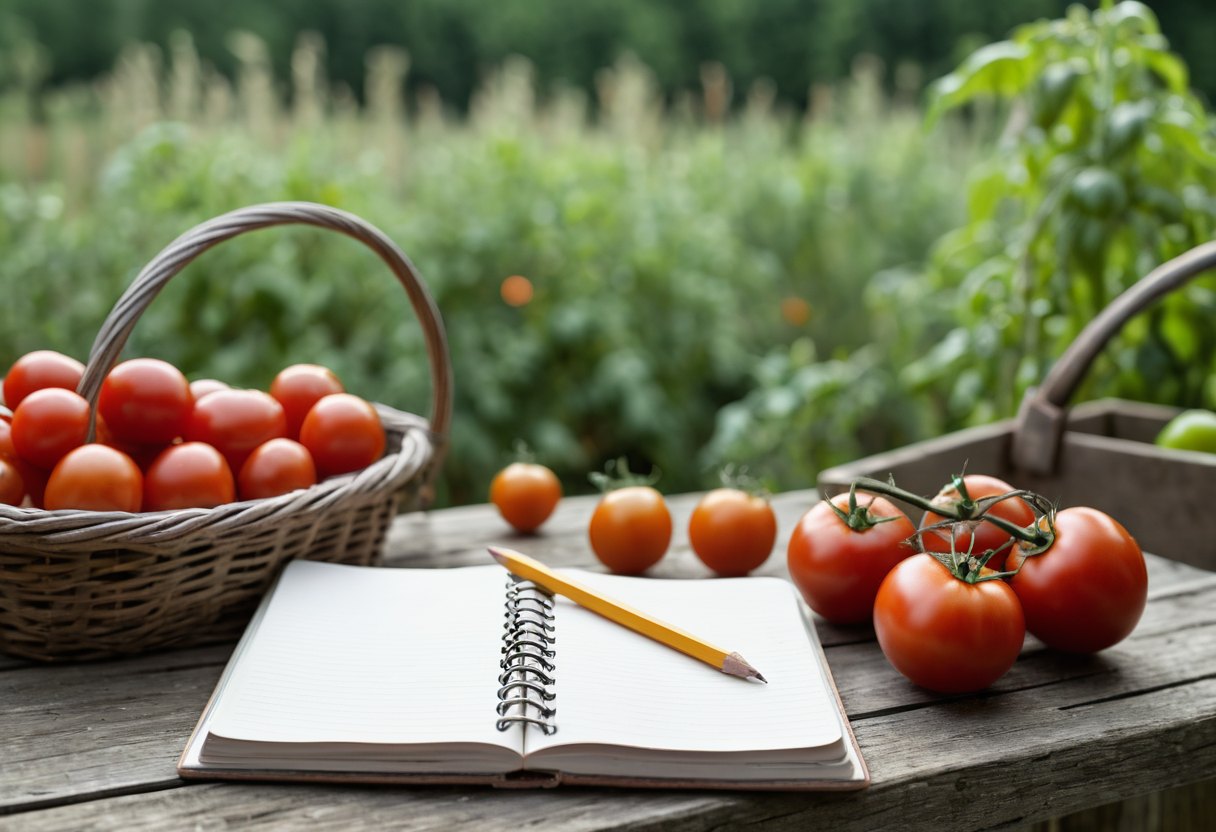
Memory is a terrible record keeper. Which tomato variety split last summer? When did the first frost arrive? Where did the slugs start? Experienced gardeners write it down, or at least photograph it.
A journal doesn’t need to be pretty. Dates, varieties, sowing times, weather extremes, harvest notes and a rough bed sketch are enough. After two or three seasons you’ll have something no book can give you: data from your own garden. UVM Extension points out that even veteran growers keep learning from this simple habit.
🔍 Tip: Take one photo of each bed from the same spot on the first day of every month. Side by side, those photos show exactly what to fix.
6. They Rotate Their Vegetables
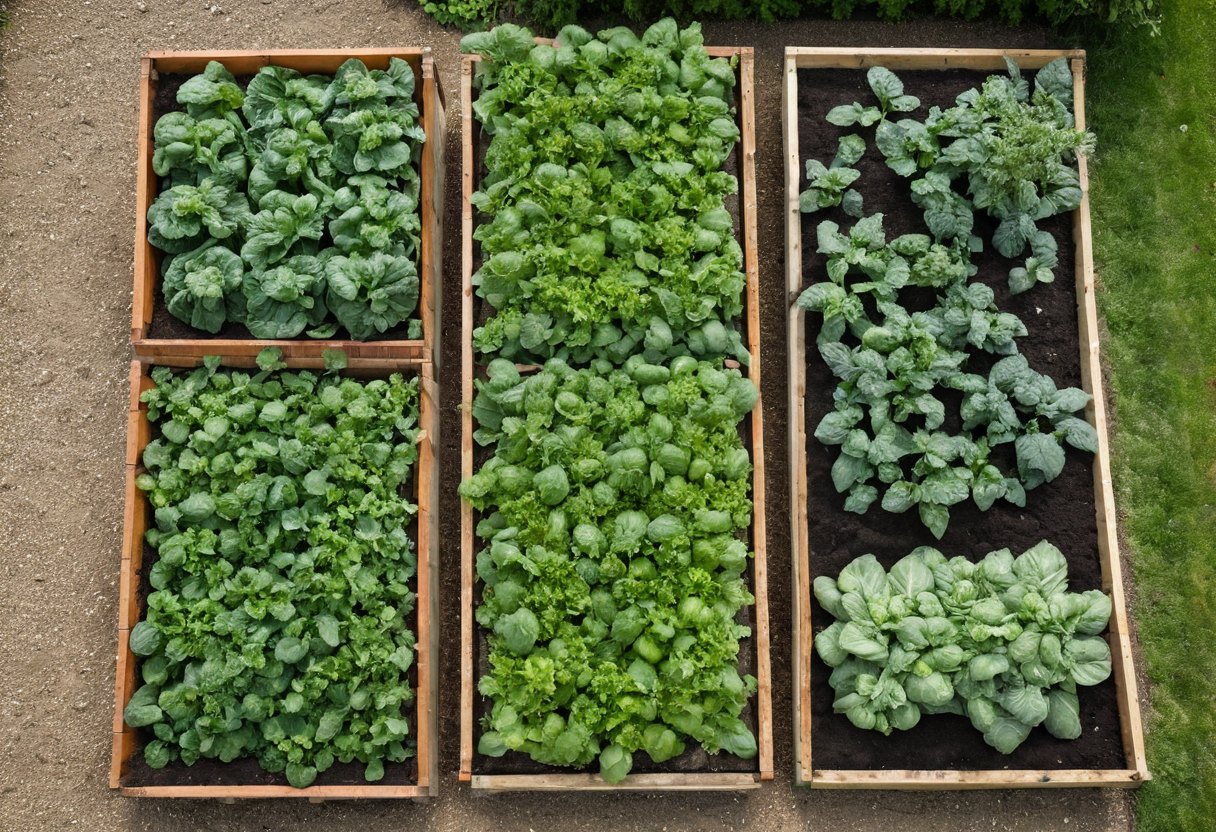
Plants in the same family share pests and soil-borne diseases. Grow tomatoes in the same spot year after year and the diseases that attack tomatoes, peppers, eggplant and potatoes build up in that soil.
LSU AgCenter advises against planting the same vegetable family in one spot more than once every three to four years, and notes that longer rotations generally work better. The RHS gives the same advice for home plots.
Rotation pays off in yield too. A 2025 meta-analysis in Nature Communications (Mudare et al.), covering more than 3,600 paired field observations, found the next crop yielded 23% more after a legume and 16% more after a non-legume, compared with growing the same crop again.
🔍 Tip: A simple four-group cycle works for most gardens: legumes (beans, peas), brassicas (cabbage, kale), roots and onions, then the tomato and potato family.
7. They Prune at the Right Time
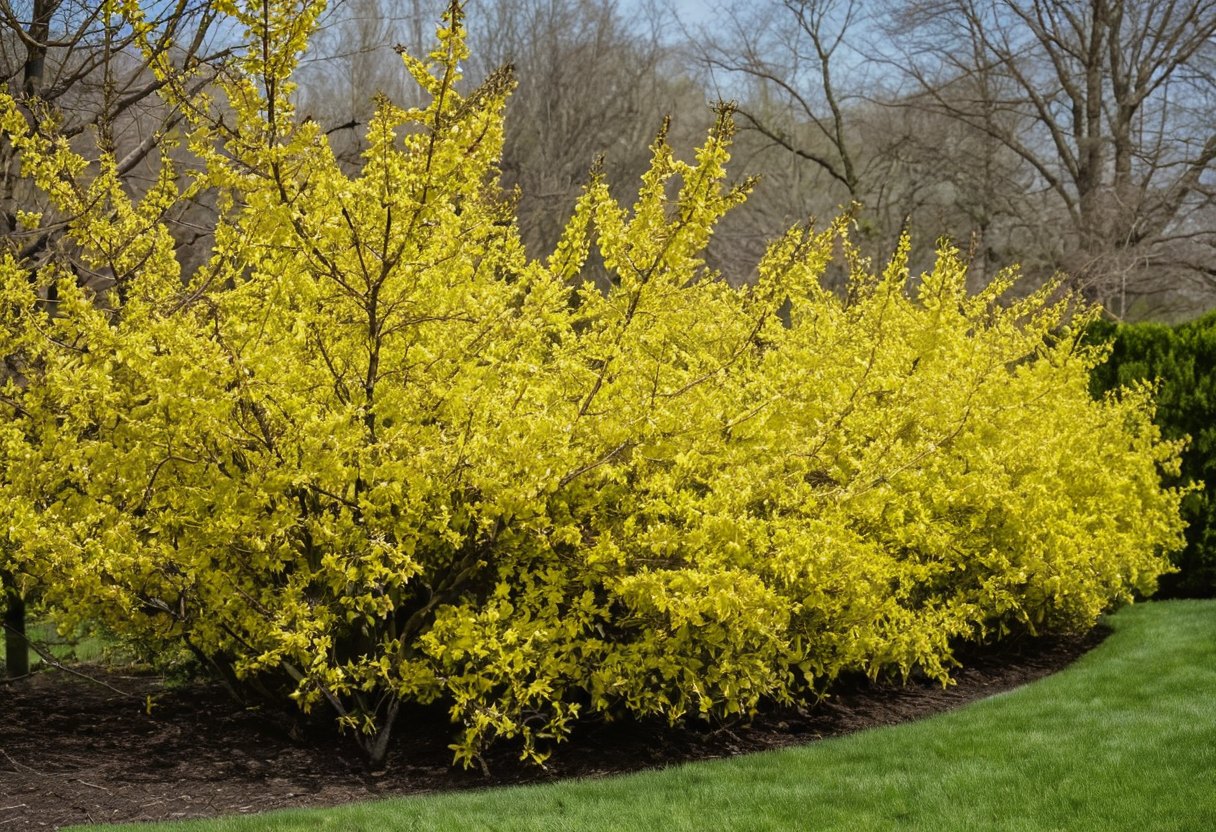
Pruning at the wrong moment is the most common reason a healthy shrub refuses to bloom. Experienced gardeners prune by the flowering calendar, not by when they happen to have a free Saturday.
Penn State Extension explains the rule. Spring bloomers such as forsythia and azalea flower on “old wood” and set next year’s buds soon after blooming, so prune them right after the flowers fade. Shrubs that bloom in summer and fall flower on new growth, so late winter or early spring is the time to cut. The University of Wisconsin follows the same principle.
🔍 Tip: Not sure when a shrub flowers? Wait one year, watch it, and note the bloom date in your journal before you prune.
8. They Feed the Soil, Not Just the Plants
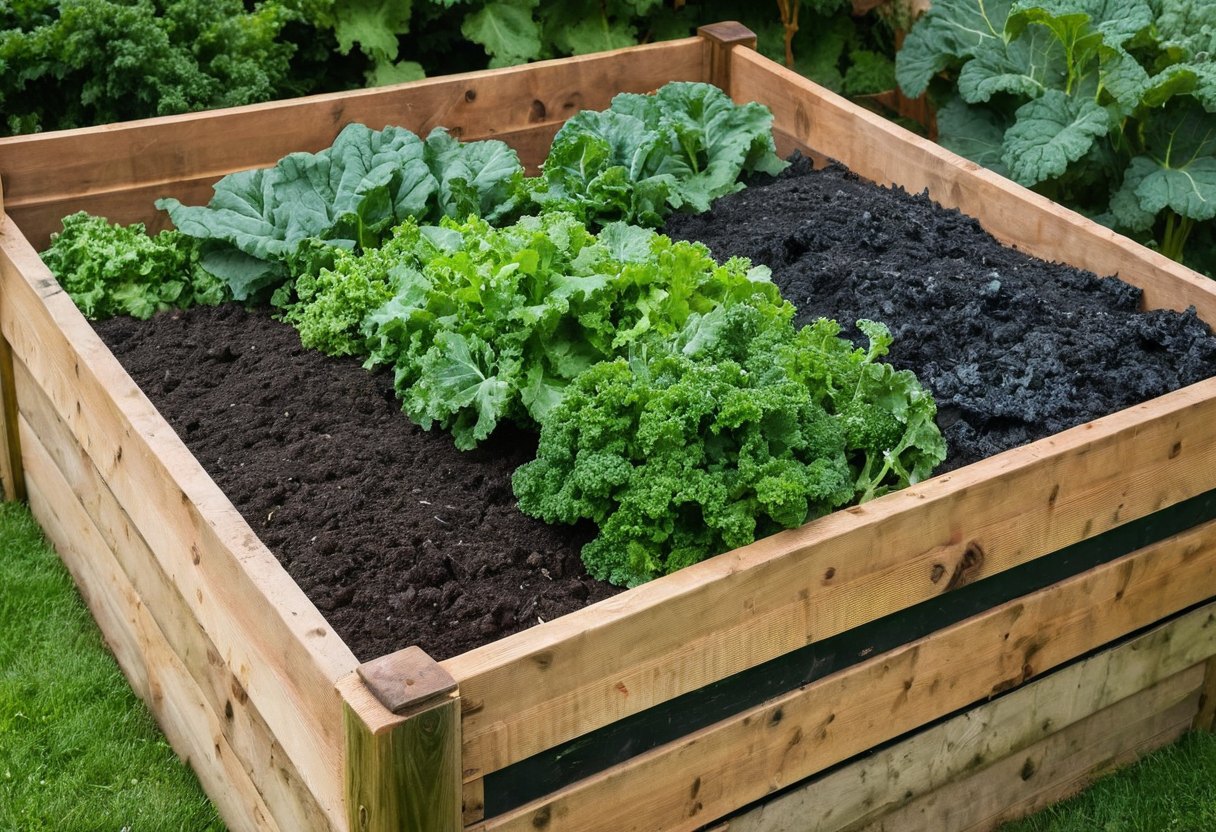
Fertilizer feeds this season’s plants. Organic matter, such as compost, leaf mold and well-rotted manure, builds the soil that feeds every season after. Experienced gardeners add some every year.
Organic matter improves crumb structure, drainage in clay and nutrient supply. LSU AgCenter notes that each 1% increase in soil organic matter can help an acre hold up to 20,000 more gallons of plant-available water and release 20 to 35 pounds of nitrogen a year. To be fair, the size of the water benefit depends on soil type: a review of more than 50,000 measurements (Minasny & McBratney, 2018) found the biggest gains in sandy soils and much smaller ones in clay.
🔍 Tip: Spread 2 to 5 cm of compost on the surface in autumn and let worms work it in. You don’t need to dig. The RHS composting guide covers how to make your own.
9. They Plant for Their Microclimate
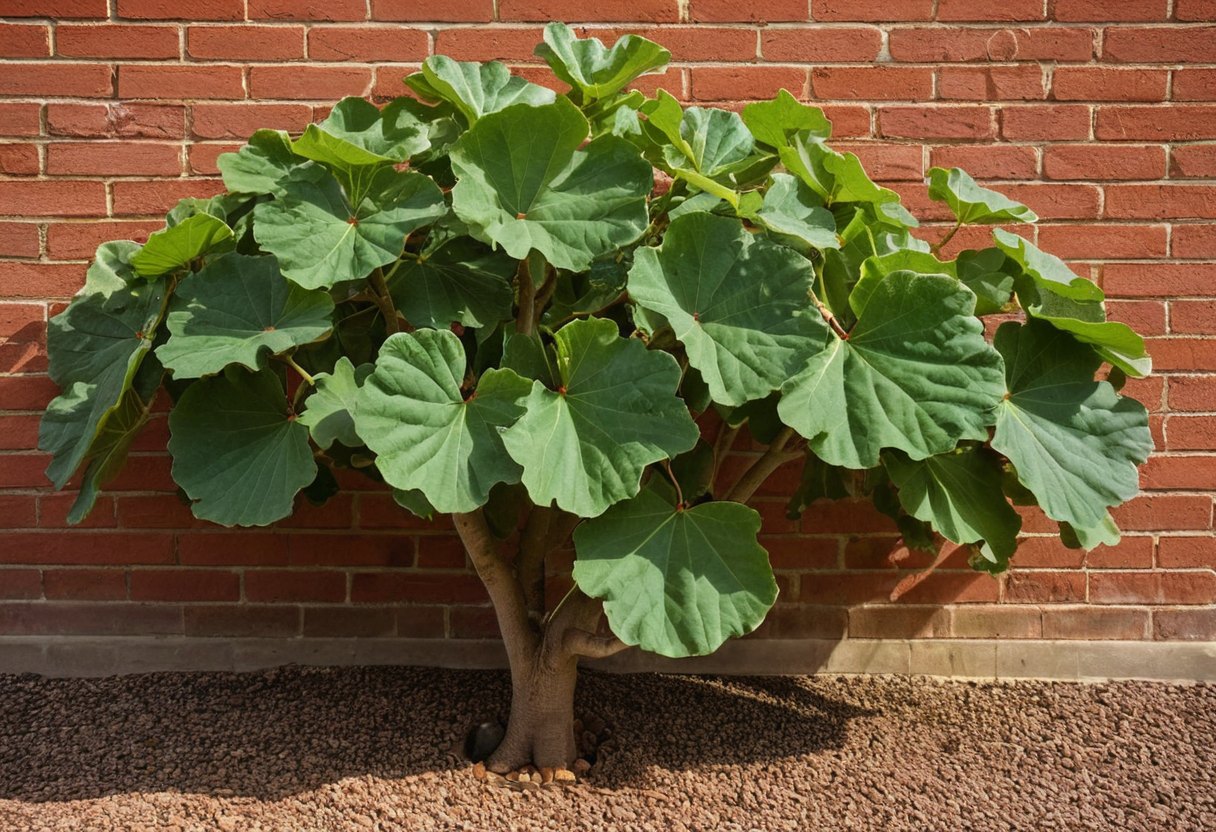
Your hardiness zone is a starting point, not the whole story. Every garden has its own microclimates: a warm wall that holds heat, a frost pocket at the bottom of a slope, a windy corner, a soggy patch. Experienced gardeners map these and plant to match.
Zones themselves are shifting. When the USDA released its updated Plant Hardiness Zone Map in 2023, about half of the United States moved into the next warmer half zone compared with the 2012 map, according to Ohio State University. The new map draws on 13,412 weather stations, up from 7,983.
🔍 Tip: Check your garden at 9 a.m., noon and 4 p.m. on a sunny day and note where the shade falls. Sun maps beat plant-label guesses every time.
10. They Keep Their Tools Clean and Sharp
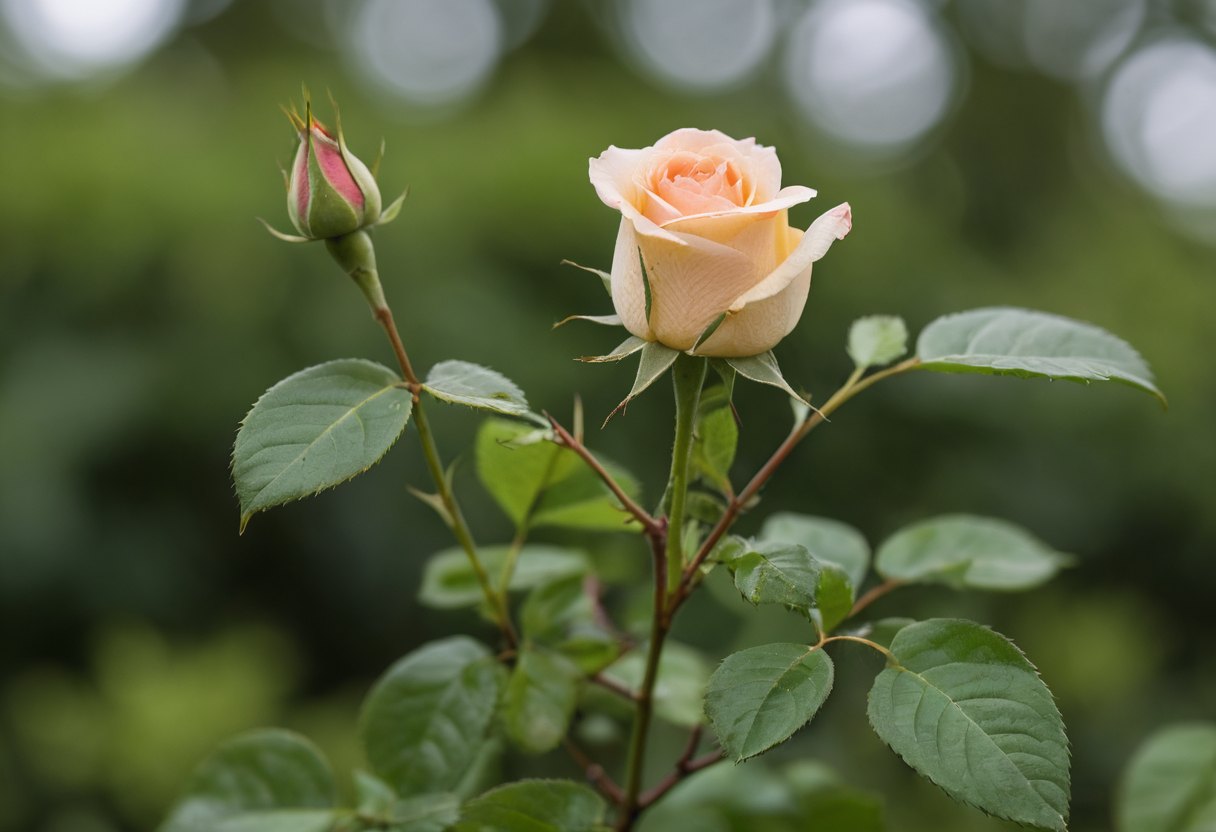
Sharp blades make clean cuts that heal quickly. Dirty blades can carry disease from one plant to the next. That’s why experienced gardeners clean pruners between plants whenever they’re cutting out diseased wood.
According to UF/IFAS Gardening Solutions, you can wipe or dip blades in 70 to 100% alcohol, which works immediately, or soak them for 30 minutes in a 10% bleach solution (1 part bleach to 9 parts water). Bleach loses half its strength within two hours and corrodes metal, so rinse and oil the tools afterwards.
🔍 Tip: Keep a small spray bottle of rubbing alcohol in your tool bucket. It turns disinfecting into a two-second habit.
11. They Choose Plants That Feed Wildlife
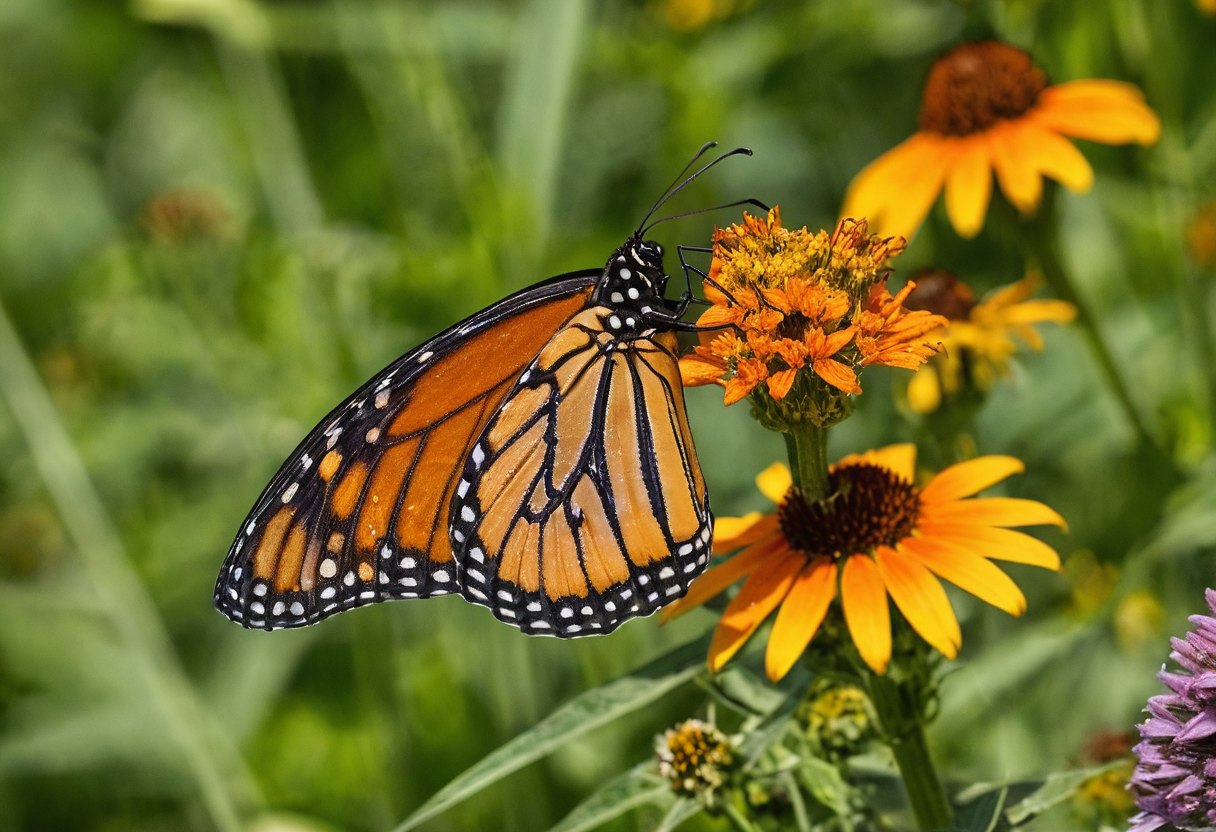
A garden full of birds and butterflies is no accident. Experienced gardeners know that most garden birds raise their chicks on insects, and most of those insects depend on native plants.
A study in PNAS (Narango, Tallamy & Marra, 2018) followed Carolina chickadees in suburban yards around Washington, D.C. Yards dominated by non-native plants had fewer caterpillars, and chickadee populations could only sustain themselves where native plants made up more than 70% of the plant mass. As the University of Delaware notes, more than a third of US bird species rely on insects for food.
🔍 Tip: You don’t need to rip everything out. Replace one non-native shrub each year with a native one that suits your conditions.
12. They Start Small and Stay Consistent
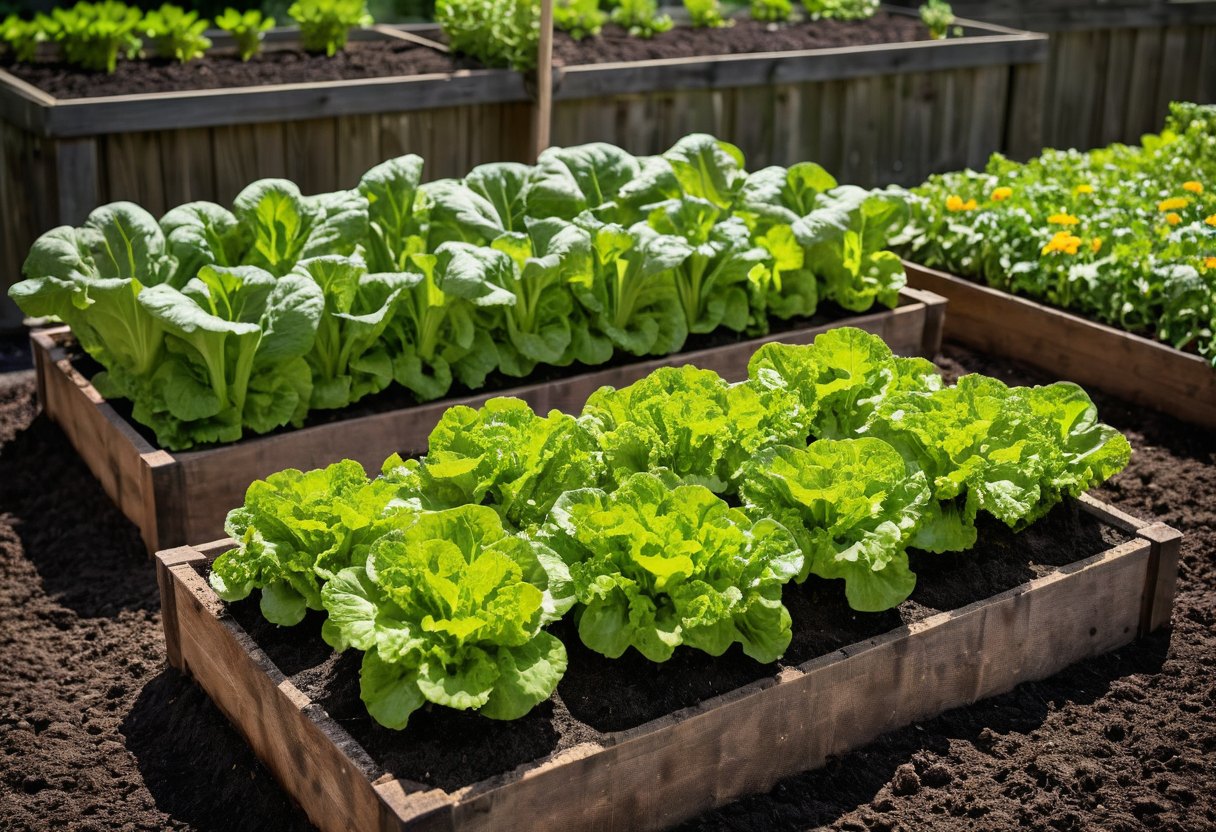
Gardening is having a moment, and spending shows it. The National Gardening Survey reports that US households spent a record $79 billion on their gardens in 2025, an average of $740 per gardening household. Yet the same survey found that about 4.5 million households gave up gardening that year.
The difference between gardeners who stick with it and those who quit is rarely money. It’s consistency. Experienced gardeners don’t overhaul everything at once. They add one habit, let it become automatic, then add the next. And the payoff isn’t only in the beds: a meta-analysis of 22 studies (Soga, Gaston & Yamaura, 2017) linked regular gardening to less depression and anxiety, a lower BMI and higher life satisfaction.
🔍 Tip: Pick two habits from this list for the coming season. The daily walk and mulching give the fastest visible results.
Sources
- UC IPM: Aphids
- UC IPM: Spider Mites
- Pretty & Bharucha 2015, Insects
- University of Illinois Extension: Soil Testing
- Alabama Cooperative Extension: Excessive Phosphorus
- Iowa State University Extension: Watering
- Washington State University Extension: Drip Irrigation
- US EPA WaterSense
- RHS: Mulches and Mulching
- Colorado State University Extension: Mulches
- Qin et al. 2015, Scientific Reports
- UVM Extension: Beware the Mulch Volcano
- Illinois Extension: Volcano Mulch
- UVM Extension: Gardening Journal
- LSU AgCenter: Crop Rotation
- RHS: Crop Rotation
- Mudare et al. 2025, Nature Communications
- Penn State Extension: Pruning Flowering Shrubs
- University of Wisconsin: Pruning Deciduous Shrubs
- LSU AgCenter: Soil Organic Matter
- Minasny & McBratney 2018, European Journal of Soil Science
- RHS: Composting
- USDA Plant Hardiness Zone Map
- Ohio State University BYGL: 2023 Zone Map
- UF/IFAS: Disinfecting Tools
- Narango, Tallamy & Marra 2018, PNAS
- University of Delaware UDaily
- National Gardening Survey 2026
- Soga, Gaston & Yamaura 2017, Preventive Medicine Reports


Daniel has been a plant enthusiast for over 20 years. He owns hundreds of houseplants and prepares for the chili growing seasons yearly with great anticipation. His favorite plants are plant species in the Araceae family, such as Monstera, Philodendron, and Anthurium. He also loves gardening and is growing hot peppers, tomatoes, and many more vegetables.
