

Some backyards feel like a hug. There’s a peony bush older than the garage, sheets snapping on a line, and a birdbath with a sparrow splashing in it. Maybe you grew up visiting a yard like that, or maybe you’ve slowly built one without noticing. Either way, you might have a “grandma garden.” Here are 10 classic signs, plus what today’s research says about the old habits behind them. Spoiler: Grandma was right more often than not.
Key Takeaways
- 🌸 Peonies: Planted shallow in full sun, they can bloom for 20 years or more without being moved.
- 🐝 Hollyhocks: Tall, simple flowers that draw bees, butterflies and hummingbirds.
- 🐦 Birdbath: Keep water 2 to 3 inches deep at most and change it often.
- 👕 Clothesline: Line drying can save a household more than $2,100 over a dryer’s lifetime.
- 🥧 Rhubarb: Eat the stalks only, never the leaves, and pick no more than a third at a time.
- 🌹 Rose Arbor: Single-flowered roses feed far more pollinators than tight doubles.
- 🌱 Saved Seeds: Heirloom varieties are open-pollinated, so their seeds come true.
- 🍂 Compost Heap: A well-kept pile can be ready in three to five months.
- 🌼 Clover Lawn: Mowing every two to three weeks instead of weekly can mean more bees and flowers.
- 🧙 Gnomes: No study required. They’re there for joy.
1. Peonies That Have Outlived Three Paint Jobs
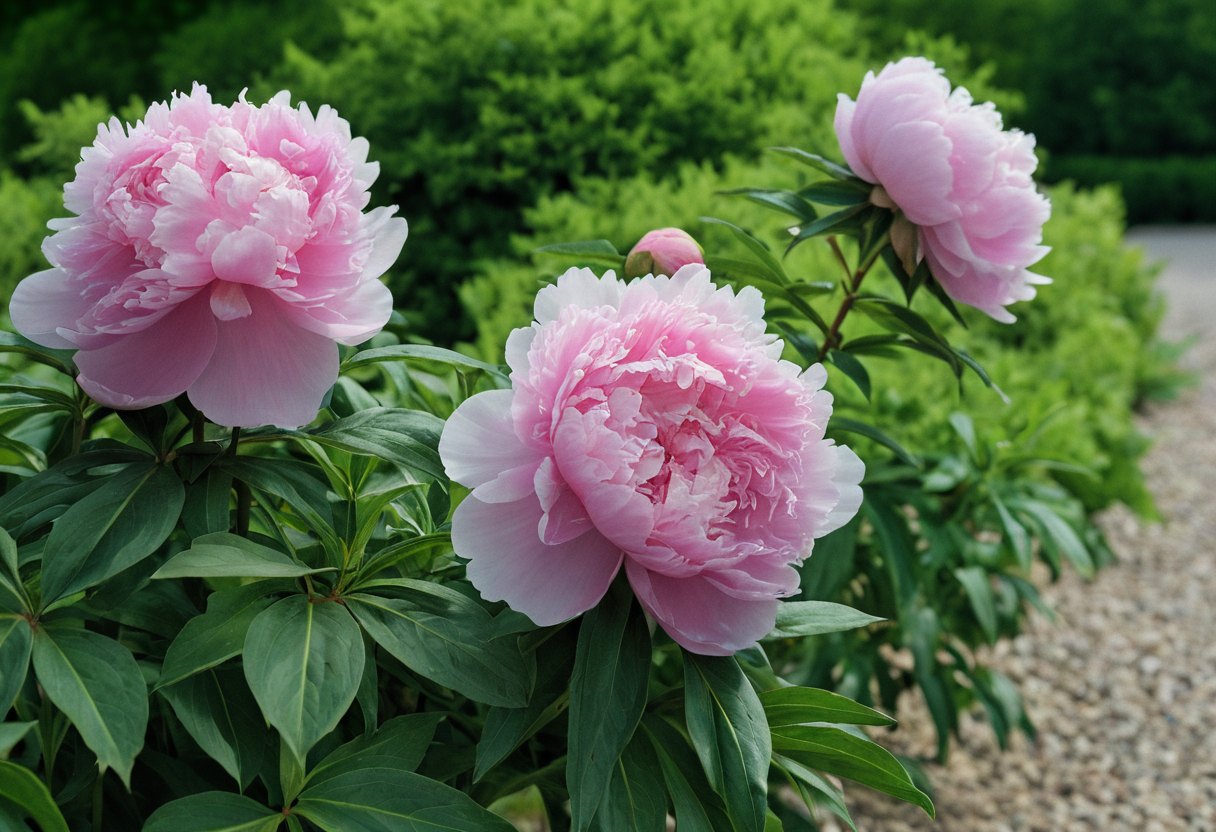
The first sign is a row of garden peonies (Paeonia lactiflora and its hybrids) along the driveway or under a window. Nobody remembers who planted them. They just come back every late spring with blooms the size of a softball.
That longevity is real. University of Missouri IPM notes that peonies can often stay put for 20 years or more without flowering any less. University of Wisconsin Extension rates them for USDA zones 3 to 8 and recommends 6 to 8 hours of direct sun a day. In the warmest areas they can struggle: Clemson’s Home & Garden Information Center says some cultivars don’t get enough winter chill in zones 8 and 9, and that “most failures to bloom are caused by deep planting.”
And those ants on the buds? Grandma never sprayed them, and she was right. Purdue’s horticulturists explain that the ants neither help nor harm the flower. They’re simply after the sugary sap. A sharp spray from the hose clears them off cut stems before you bring a bouquet indoors.
🔍 Tip: Planting new peonies? Set the pink buds (“eyes”) no more than 1 to 2 inches (2.5 to 5 cm) below the soil surface. Any deeper and you may wait years for a flower.
🪴 On a balcony: Peonies need a real winter chill and deep roots, so they’re tricky in pots. A large, deep container left outdoors in a cold climate gives you the best chance.
2. Hollyhocks Leaning Against the Garage
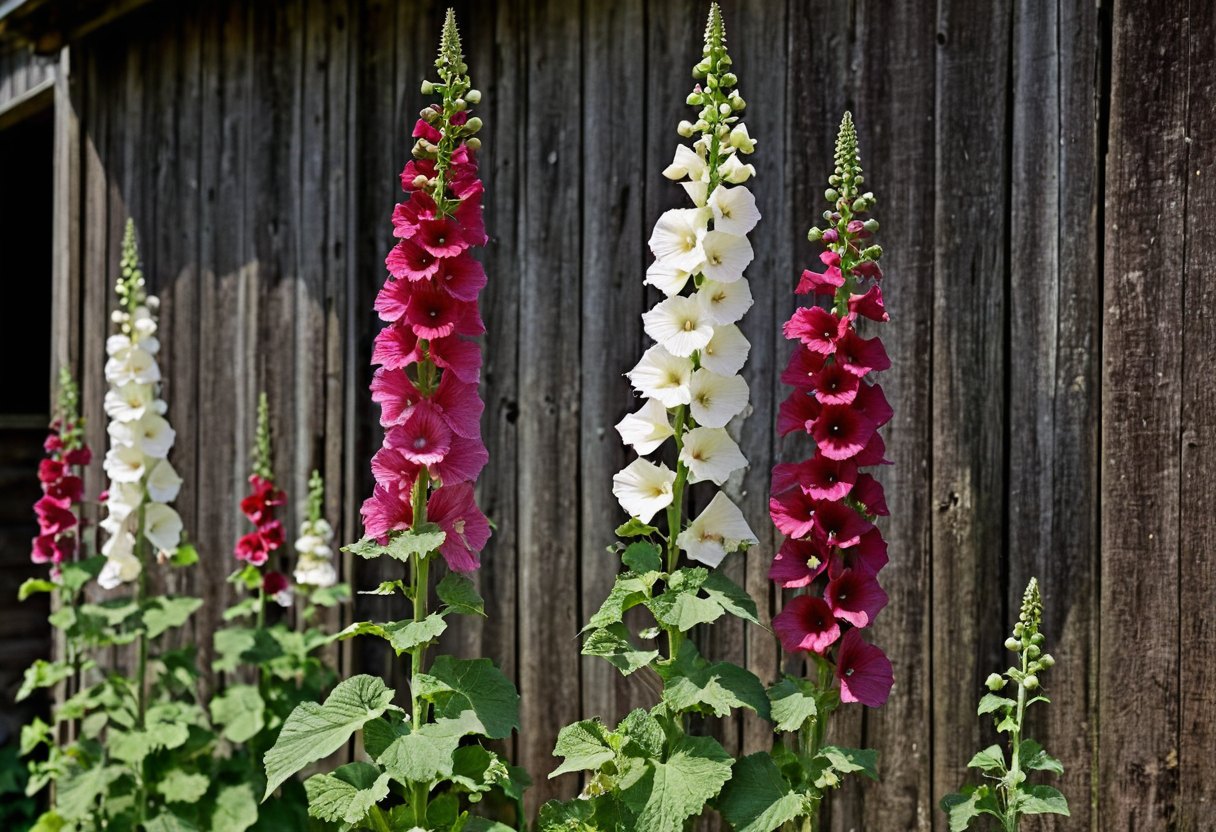
Nothing says “old farmhouse” like a wall of hollyhocks (Alcea rosea) in pink, red, white and nearly black. They often grow where nothing else will, right against a fence or garage wall.
NC State Extension lists hollyhocks for zones 5a to 9b, in full sun, reaching 5 to 8 feet (1.5 to 2.4 m) tall. They prefer moist, well-drained soil rich in organic matter. Better still for a modern gardener, NC State notes they attract bees, butterflies and hummingbirds. Their wide, open flowers make pollen and nectar easy to reach.
Technically, hollyhocks are biennials. University of Illinois Extension explains that they often reseed and return for years, which is why Grandma’s patch seemed to last forever. The trade-off is rust. NC State lists them as susceptible to rust, leaf spot and anthracnose.
🔍 Tip: Plant hollyhocks where air moves freely and water at the base, not over the leaves. Pull off the first rusty, orange-spotted leaves you see.
3. A Birdbath in the Middle of the Lawn
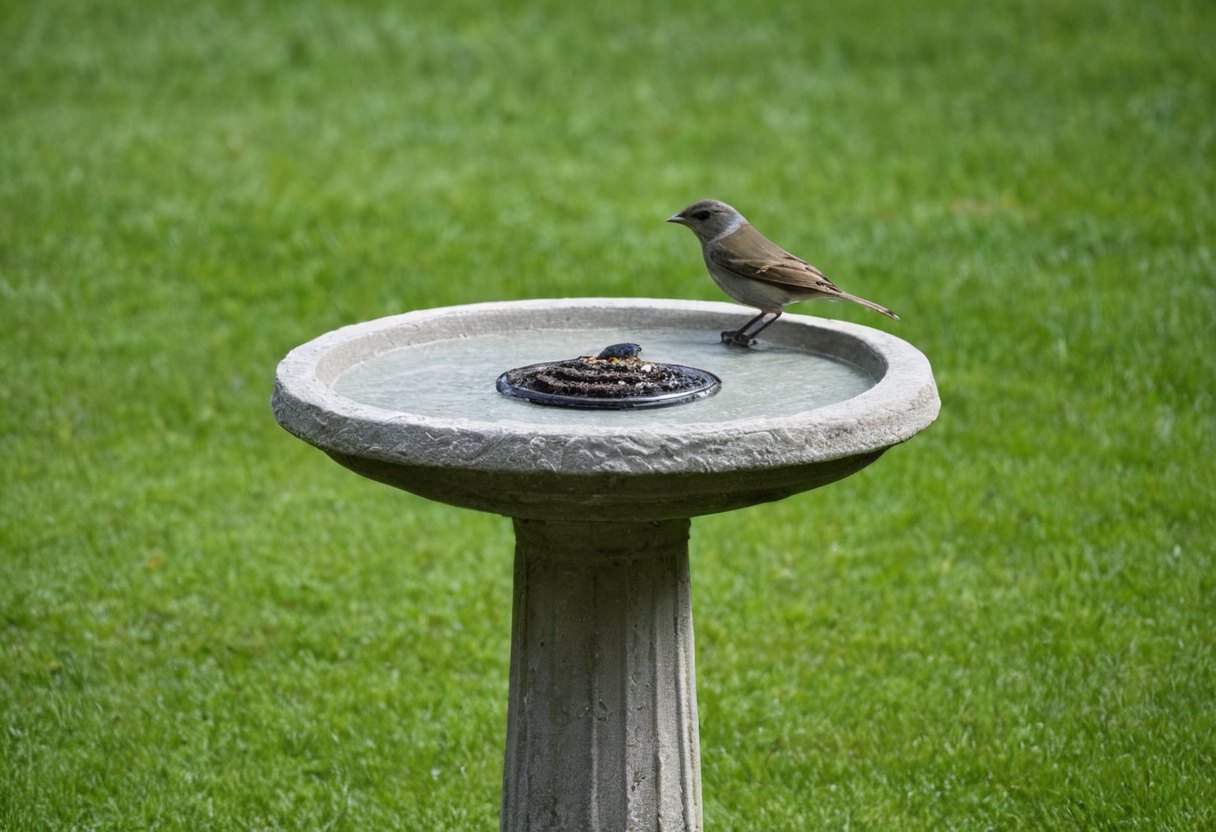
Every grandma garden has one: a concrete bowl on a pedestal, maybe with a chipped edge. It looks purely decorative. It isn’t.
A large citizen-science survey in Australia (Cleary et al., 2016, PLOS ONE) had 992 volunteers watch their birdbaths over two four-week periods. They recorded 147 bird species in winter and 172 in summer. Rural baths drew a richer mix of species than urban ones, but the most common visitors, such as Australian magpies, showed up at roughly three in ten baths in summer.
Depth and freshness matter most. Penn State Extension says birds will only use baths no more than 2 to 3 inches (5 to 7.5 cm) deep at the deepest point. Ideally you change the water every day, which also stops mosquito larvae from developing in summer. Penn State also suggests a weekly scrub with a brush, mild soap and water to remove algae.
🔍 Tip: Ground-level bath? Penn State recommends placing it about 10 to 15 feet (3 to 4.5 m) from the nearest shrub, so birds can spot a cat before it pounces.
🪴 On a balcony: A wide, shallow plant saucer with a flat stone in the middle works as a mini birdbath. Refill it daily.
4. A Clothesline Strung Between Two Posts
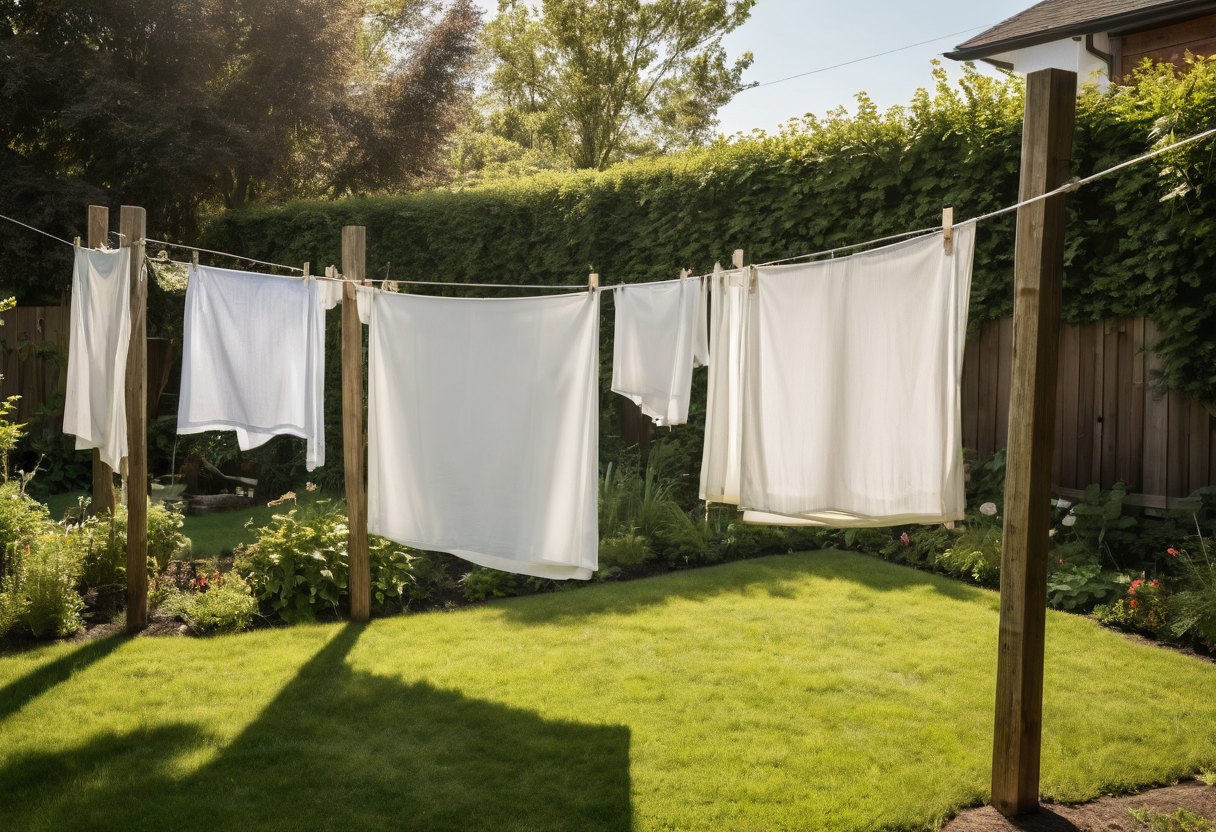
For many of us, the smell of line-dried sheets is pure childhood. Grandma used the line because it was free. Turns out it’s also one of the simplest energy savers in a home.
About 80% of American homes have a clothes dryer, according to ENERGY STAR. A 2025 University of Michigan study in Resources, Conservation and Recycling (Zhu & Miller, 2025) compared drying options across the US. As reported by Futurity, full line drying could save a household upwards of $2,100 over a dryer’s lifetime and cut more than 3 tons of CO2. A mix of line and machine drying came second, behind only full line drying.
You don’t have to go all in. Hanging even part of your laundry counts, and towels and sheets are the easiest place to start.
🔍 Tip: Hang dark clothes inside out to limit sun fading, and give stiff towels a quick shake before and after drying to soften them.
5. A Rhubarb Patch Nobody Remembers Planting
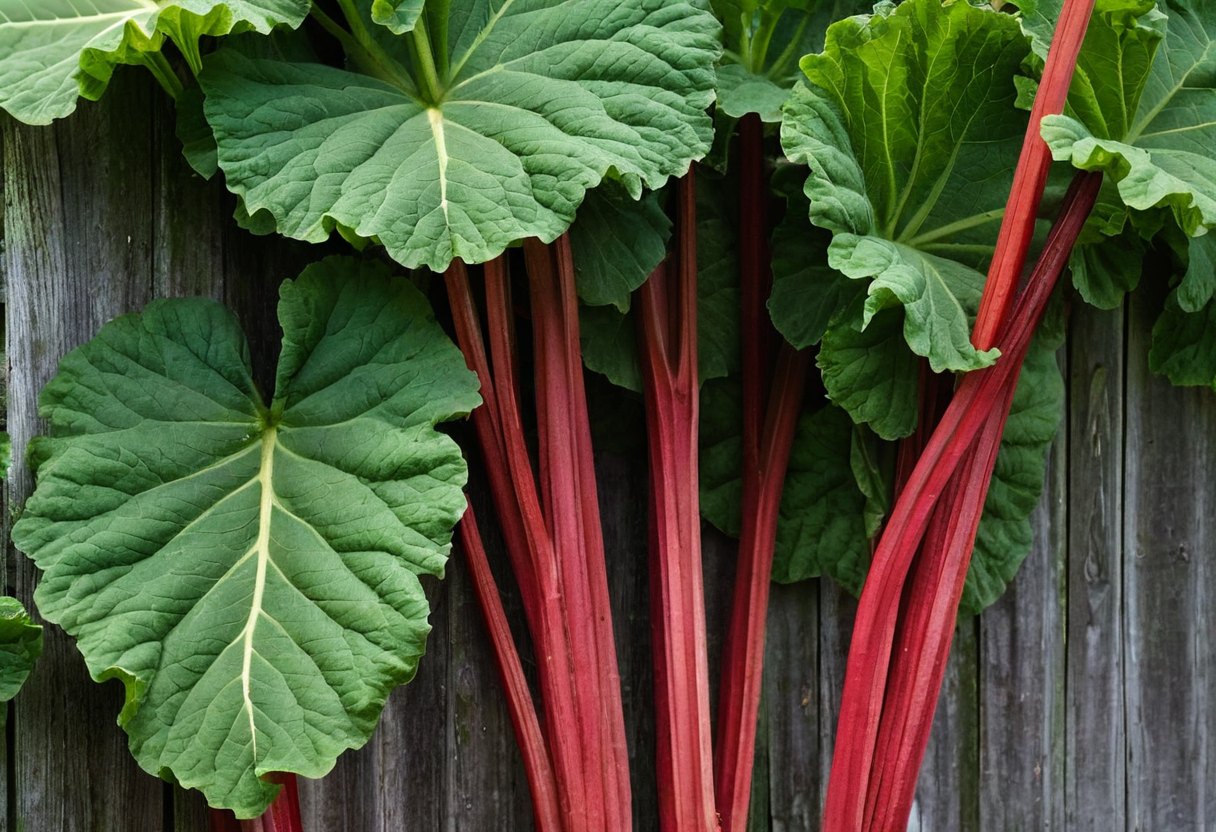
Somewhere near the back fence there’s a clump of giant leaves on red stalks. That’s rhubarb (Rheum rhabarbarum), the backbone of every grandma’s spring pie.
It’s tough. University of Illinois Extension calls it “as hardy as a weed” and says it grows well in most of the US. A planting can stay productive for five years or more before it needs dividing. Wisconsin Extension recommends full sun, dividing about every fourth or fifth year, and removing flower stalks as soon as they appear.
Grandma’s other rule was “never eat the leaves.” Science agrees. Both Illinois and Wisconsin Extension warn that the leaves contain toxic levels of oxalic acid. Only the stalks are food.
🔍 Tip: Follow the classic harvest schedule from Illinois Extension: nothing in year one, one or two weeks of picking in year two, then a full 8 to 10 week season from year three. Never take more than about a third of the leaves at once.
6. A Rose Arbor Over the Garden Gate
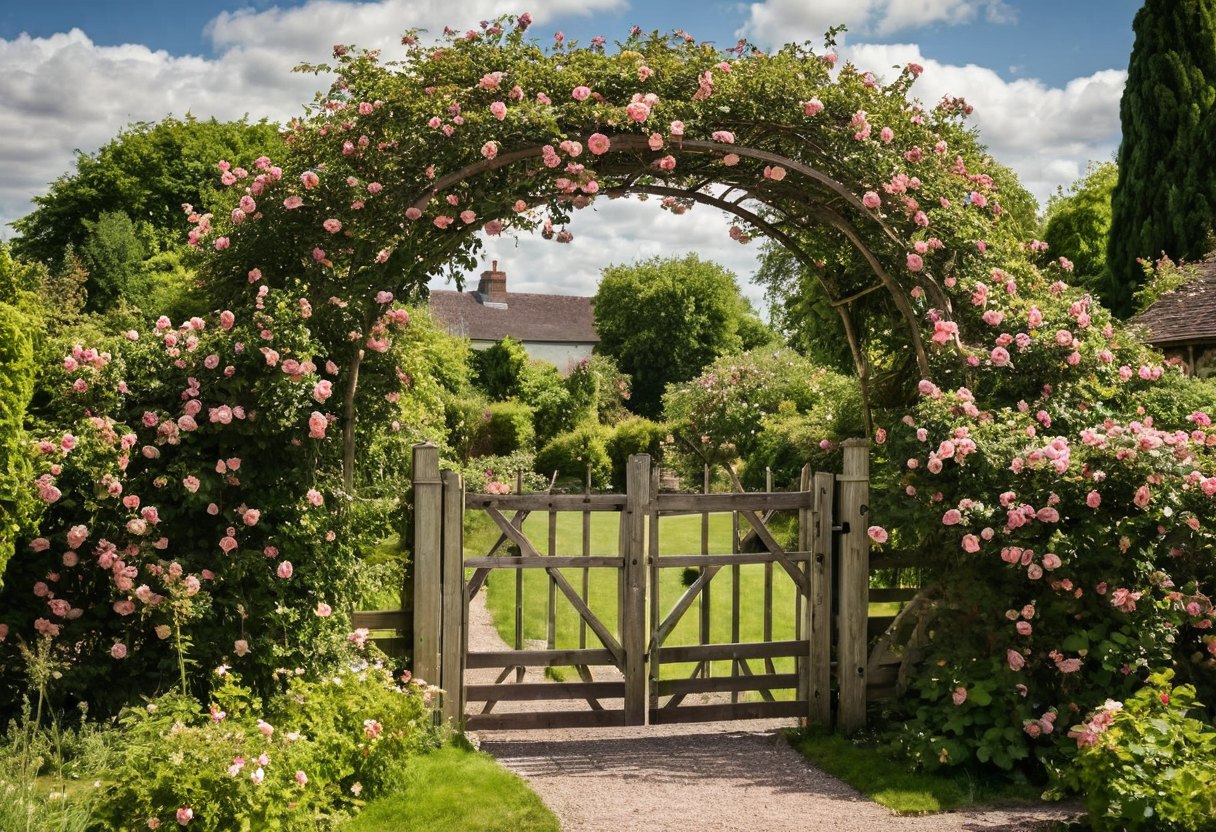
You walk under it to get to the vegetables. In June it’s buzzing, and it smells wonderful. Old-fashioned climbing and rambling roses were often simpler flowers than today’s tightly packed show blooms, and that matters for pollinators.
The Royal Horticultural Society calls single-flowered roses great for pollinating insects. It also advises favoring open, accessible flowers. In many double flowers, the parts that make pollen and nectar have been bred into extra petals, so bees get less food and struggle to reach it.
🔍 Tip: Choosing a new rose for an arch? Look for single or semi-double flowers where you can see the yellow center. If you can see the stamens, so can the bees.
7. Vegetables in Straight Rows, Grown From Saved Seed
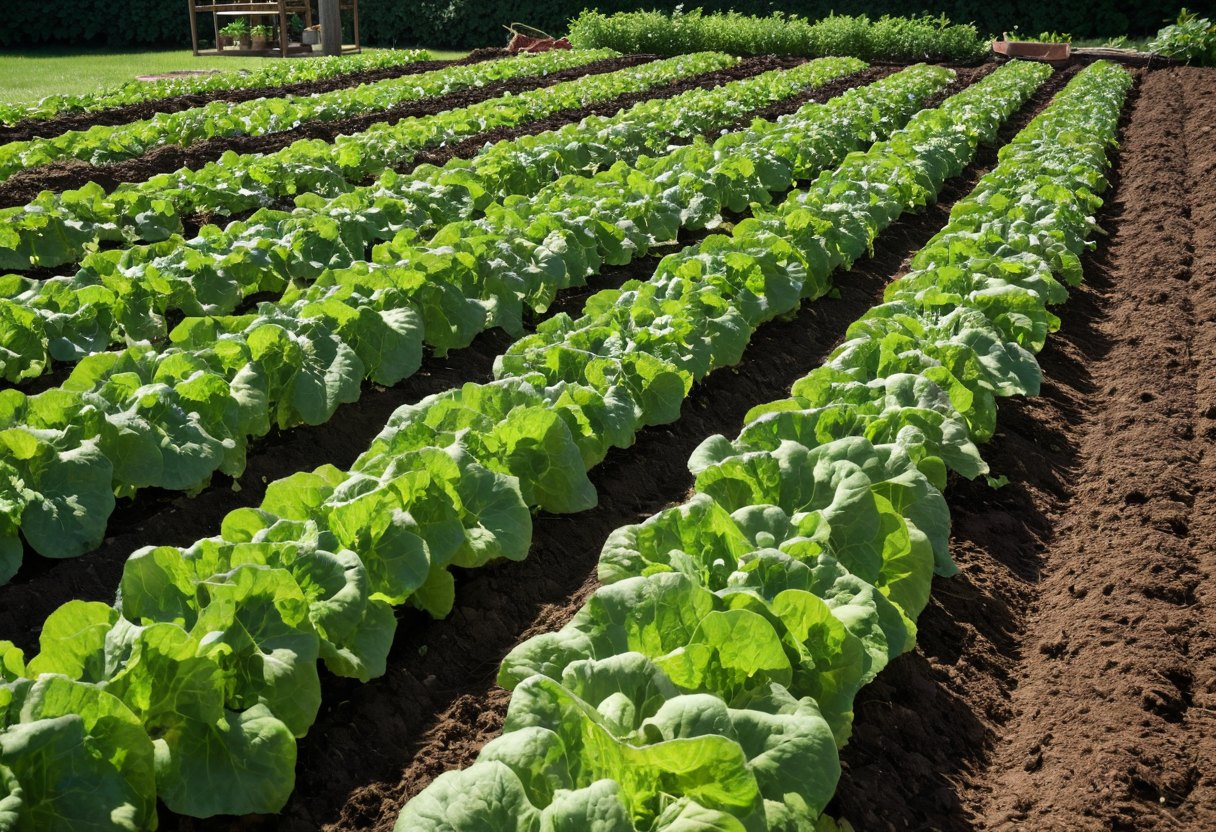
Grandma’s vegetable garden had string lines, wooden stakes and seed envelopes labeled in pencil. Those beans weren’t from a catalog. They were from last year’s plants, and from her mother’s before that.
Those were heirlooms. University of Wisconsin Extension defines heirloom vegetables as old, open-pollinated varieties passed down through generations, and calls them a reservoir of genetic diversity. Because they’re open-pollinated, their seeds grow into plants like the parent, unlike most hybrids. Wisconsin is honest about the downsides too: heirlooms often have a shorter shelf life and less disease resistance than modern varieties.
🔍 Tip: Start seed saving with beans, peas or tomatoes. They mostly pollinate themselves, so the seed tends to stay true even in a small garden.
🪴 On a balcony: Heirloom cherry tomatoes and bush beans grow well in 5-gallon (19 L) containers in full sun.
8. A Compost Heap Behind the Shed
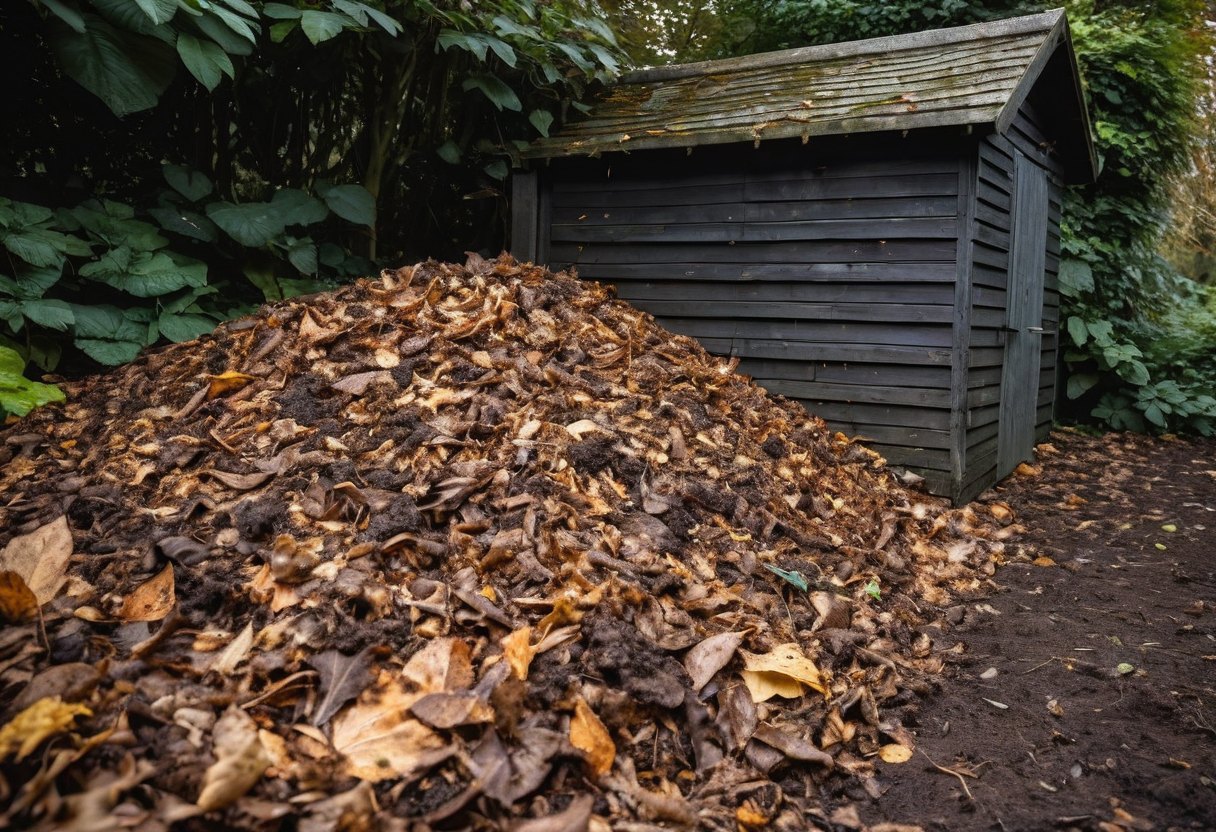
Grandma didn’t call it “waste diversion.” She just tossed potato peelings, coffee grounds and leaves onto a pile and dug out black, crumbly soil a few months later.
That pile does more than you’d think. The US EPA notes that home composting keeps material out of landfills and incinerators. A well-kept backyard pile can reach 130 to 160°F (54 to 71°C), and it’s usually ready in about three to five months. A neglected pile can take a year. The EPA suggests adding two to three times as much “browns” (dry leaves, straw) as “greens” (food scraps, fresh clippings).
🔍 Tip: Bury fresh food scraps under 4 to 8 inches (10 to 20 cm) of dry leaves. It keeps smells and fruit flies down, exactly as the EPA recommends.
9. A Lawn With Clover, Dandelions and No Rush to Mow
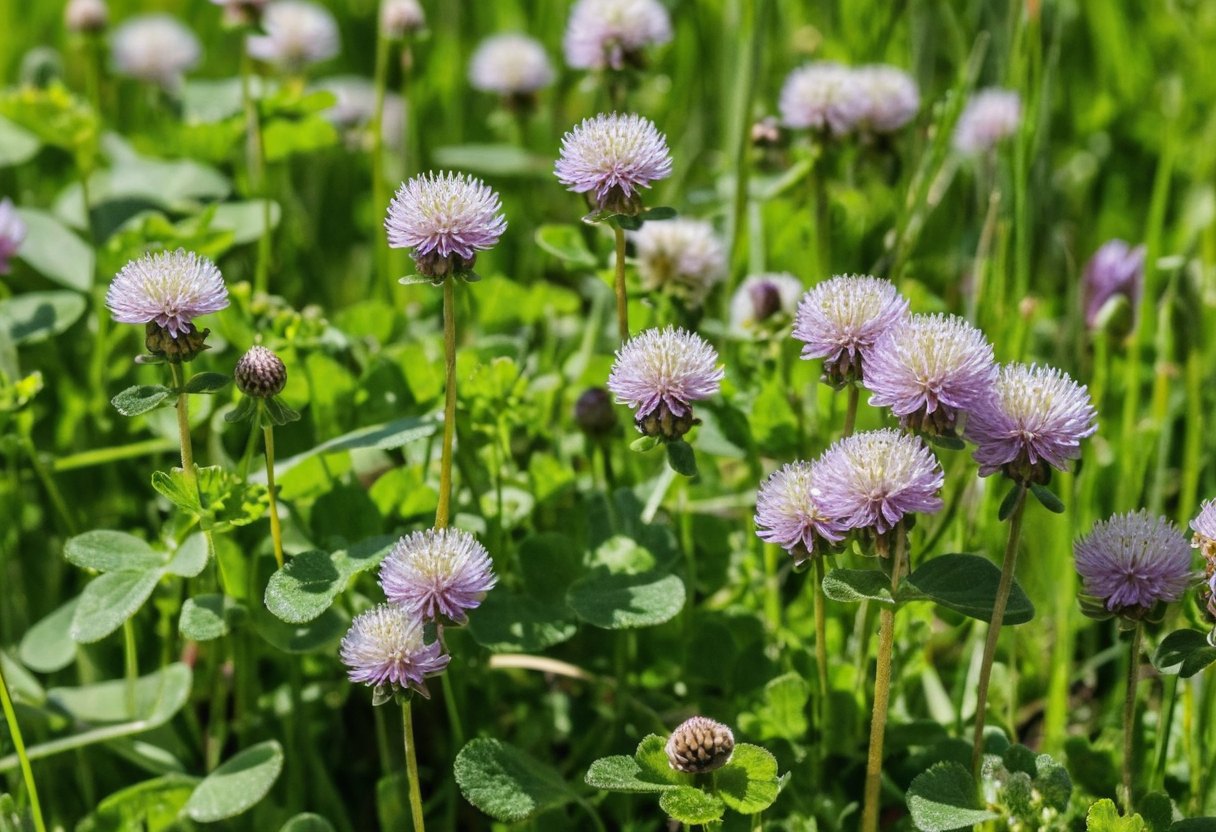
Grandma’s lawn was never a putting green. It had clover, a few dandelions and violets in the shady spots. And she didn’t mow it every Saturday.
Science is on her side. In a study of 16 suburban yards in Massachusetts (Lerman et al., 2018, Biological Conservation), researchers compared mowing every one, two or three weeks. According to the USDA Forest Service summary, lawns mowed every three weeks had up to 2.5 times more lawn flowers. Lawns mowed every two weeks had the most bees.
🔍 Tip: Try mowing every other week this summer and leave clover in place. It’s the easiest pollinator project you’ll ever start.
10. Gnomes, Gazing Balls and a Goose in a Raincoat
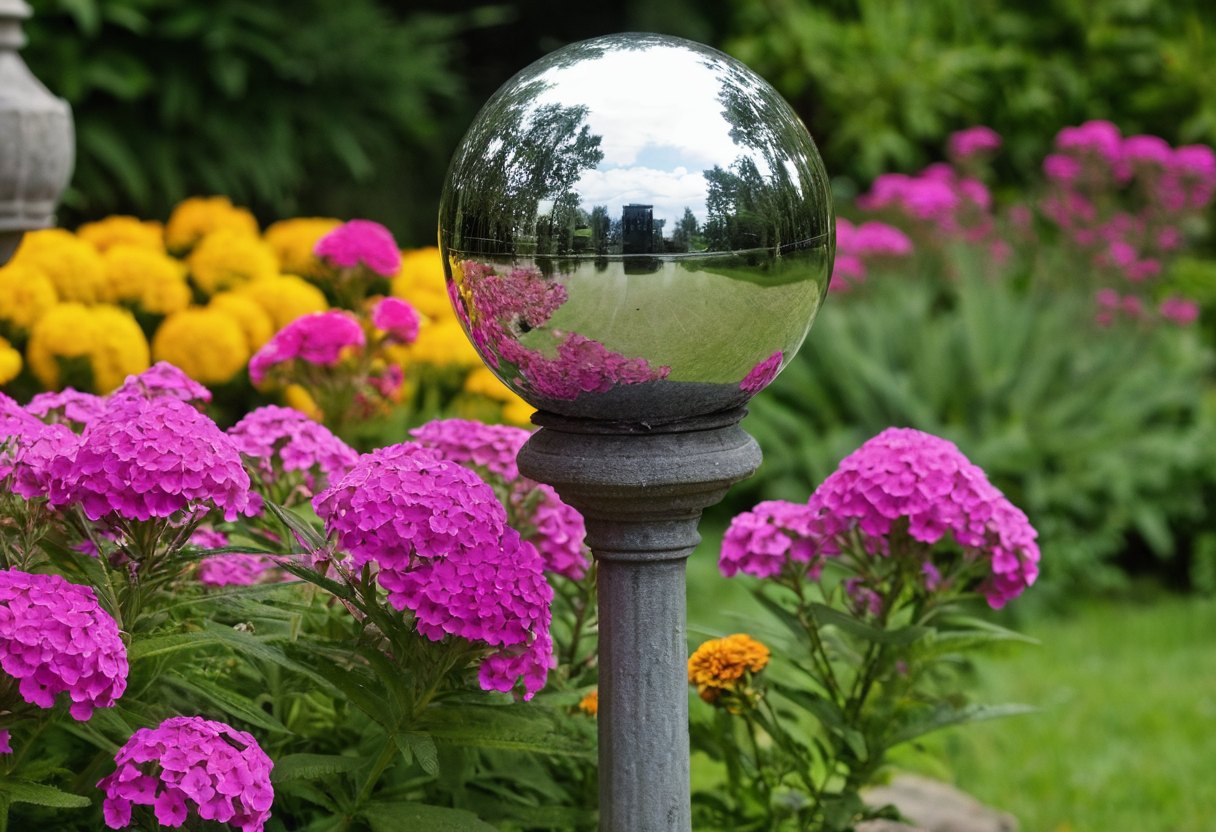
Every grandma garden has a cast of characters. A gnome with a fishing rod. A mirrored gazing ball. A concrete goose dressed for the season. A wind chime made from old spoons.
There’s no research showing that gnomes help tomatoes grow, and that’s fine. Not everything in a garden needs a reason. These pieces make a yard personal, give kids something to find, and turn a patch of grass into a place with stories.
🔍 Tip: Tuck ornaments partly into plantings instead of lining them up on the lawn. It looks more natural and makes mowing easier.
Bring One Grandma Habit Back This Year
A grandma garden isn’t about perfection. It’s about plants that last, habits that save money, and a yard that’s busy with birds and bees. The best part is that most of these ideas cost almost nothing. Pick one for next season: hang a clothesline, set out a shallow birdbath, or let the clover bloom between mowings.
Now we’d love to hear from you. What do you remember from your grandmother’s garden? Peonies by the porch, rhubarb pie, a gnome with a missing hat? Share your memories in the comments. They might inspire someone else’s backyard.
Sources
- University of Missouri IPM: Peony, King of All Flowers
- University of Wisconsin Extension: Peony
- Clemson HGIC: How to Grow Peonies
- Purdue Yard and Garden: Peony Showtime
- NC State Extension Plant Toolbox: Alcea rosea
- University of Illinois Extension: Hollyhock
- Cleary et al. 2016, PLOS ONE
- Penn State Extension: Water for Wildlife
- ENERGY STAR: Clothes Dryers
- Zhu & Miller 2025, Resources, Conservation and Recycling
- Futurity: Air Dry Your Clothes to Save Money and Cut Emissions
- University of Illinois Extension: Rhubarb
- University of Wisconsin Extension: Rhubarb
- RHS: Grow a Year-Round Bee Buffet
- University of Wisconsin Extension: Heirloom Vegetables
- US EPA: Composting at Home
- Lerman et al. 2018, Biological Conservation
- USDA Forest Service Treesearch: To Mow or to Mow Less


Daniel has been a plant enthusiast for over 20 years. He owns hundreds of houseplants and prepares for the chili growing seasons yearly with great anticipation. His favorite plants are plant species in the Araceae family, such as Monstera, Philodendron, and Anthurium. He also loves gardening and is growing hot peppers, tomatoes, and many more vegetables.
