

For years, I thought a “good” garden had to be tidy. I pulled things that looked out of place, trimmed back anything scruffy, and treated every fallen leaf like a personal failure. If it didn’t look neat, it felt wrong.
But somewhere along the way, I started noticing something. The messiest corners of my garden — the ones I kept meaning to clean — were the ones buzzing with life. The ones where things actually *worked.*
Turns out, mess isn’t the enemy. It’s often the best thing you can give your garden. That pile of leaves you never raked? Gold. The bolted lettuce that looks like a string bean with ambitions? A pollinator hotspot. That tangle of vines spilling into the compost bin? Smarter than you think.
Here are six “bad” habits I’ve come to defend — and why they might just be the best things you’re not doing yet.
This article is about those “lazy” garden habits that secretly make you look like a soil scientist in disguise. We’re talking biodiversity boosters, moisture-lockers, pollinator havens — the kinds of things that help your garden work smarter, not harder.
If a neighbor’s side-eye has ever shamed you for not deadheading something, this one’s for you.
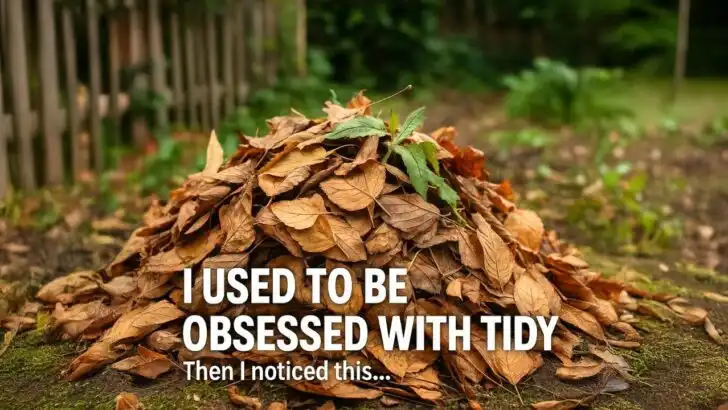
Leave the Leaves — Your Garden Wants the Chaos
Fallen leaves have a branding problem. People see them and think “clean-up time,” not “ecosystem jackpot.” But that crunchy mess under your maple tree? That’s free mulch, free insulation, and free bug habitat — all rolled into one rustling layer of genius.
Leaves decompose slowly, feeding the soil with organic matter and improving its structure. They keep moisture in, suppress weeds, and regulate temperature like a natural thermostat. All while giving beneficial insects a cozy place to overwinter. Fireflies, moths, solitary bees — they’re all hiding in that leaf pile you were about to vacuum up like a maniac.
Important caveat: Whole, wet, unshredded leaves can mat and smother grass. But in garden beds, woodland edges, or under shrubs? That’s not a mess, it’s a strategy.
Pro move: Mow over them once if you must, then leave them in place. Your future compost pile, soil microbes, and probably a toad or two will thank you.
Fall Cleanup? Skip It. Nature Doesn’t Vacuum
There’s something satisfying about a “clean” garden going into winter — every stem cut back, every bed cleared, every dead thing hauled off like you’re prepping for a garden magazine photo shoot. But here’s the truth: nature doesn’t do tidy. And your garden doesn’t want it either.
Those dried-up flower stalks? They’re not just garden debris — they’re overwintering condos for native bees. The seed heads? Free bird buffet. Even that leaning, mostly-dead echinacea stem might be housing something helpful.
When you cut everything down, you evict all the quiet workers who would otherwise stay and keep your ecosystem humming through the cold months.
Leave it messy until spring — that’s when most overwintering insects wake up. By then, the stems are easier to break down and safer to compost. Until then, let the chaos reign.
Bonus: You get to do less work. Which makes this both eco-friendly and lazy-person-approved. Win-win.
Let It Bolt — Your Garden’s Not in a Beauty Pageant
Bolting: the moment your leafy greens go rogue. Lettuce turns into a weird tower. Cilantro shoots skyward and flowers like it just got invited to Coachella. Most gardeners panic. The plant’s ruined, right?
Wrong. When herbs and greens bolt, they’re shifting into seed production — and that’s not just fine, it’s fantastic. Those tall, awkward flowers are pollen magnets. Bees, butterflies, and beneficial bugs line up for the buffet. And once those seeds drop? You might get free plants next season.
Real talk: Yes, the leaves turn bitter. But the ecological payoff is worth it. You’re feeding your local pollinators, boosting biodiversity, and letting nature take its course without intervention.
Bonus tip: If you’re feeling fancy, collect the seeds and replant them with purpose. If not, let the wind handle it. Your garden won’t mind.
Let the Vines Sprawl — They Know What They’re Doing
Nothing says “chaos” like a squash vine making a break for the compost pile. Or a pumpkin plant coiling around your boots. But that vine that’s trying to colonize the yard? It’s not being rebellious. It’s being smart.
Vining plants like squash, pumpkin, and melons act like living mulch. As they crawl across bare soil, they shade it, cool it, and lock in moisture. They also crowd out weeds and reduce erosion — all while quietly rooting at the nodes for extra support and extra yield.
Sure, it’s not the tidiest look. But it’s efficient. It’s productive. It’s garden anarchy with a purpose.
Quick note: If a vine starts climbing things it shouldn’t (like your hydrangeas or mailbox), just redirect it. No need to go full vine cop.
Bottom line: A vine that looks like it’s taking over might actually be doing half your garden chores for you.
Rotten Logs Are a Feature, Not a Flaw
There’s a special kind of shame reserved for the random log pile in the corner of the yard. Visitors see it and assume you gave up halfway through a cleanup project. But here’s the twist: that mess is an ecosystem in progress.
Decaying wood is prime real estate for fungi, beetles, native bees, and all the microscopic magic that turns wood into rich, spongy humus. It keeps moisture in the soil, provides shelter for critters, and adds long-term nutrients as it breaks down. Nature’s slow-release fertilizer, no fancy label needed.
Think of it like this: A log pile is your garden’s version of a guesthouse — just for the organisms that make your soil better without ever asking for rent.
Bonus idea: Stack them intentionally and call it a “habitat pile.” Suddenly it’s not mess. It’s conservation. And that, my friend, is excellent PR for your laziness.
Chop, Drop, Walk Away — The Lazy Genius Method
You know that feeling when your tomato plant’s done for the season and you’re about to rip it out, haul it to the compost pile, and pretend you’re not annoyed? Yeah. Skip all that.
Instead, just cut it down and leave the pieces right there on the soil. That’s “chop and drop” — a gloriously simple, shockingly effective way to feed your garden without lifting more than a pair of pruners.
As the old plant matter breaks down, it returns nutrients to the soil, adds organic material, and keeps weeds from moving in. It’s composting without the compost bin. Plus, worms love it. Microbes love it. Your soil structure will love it.
Pro tip: Don’t do this with diseased plants. Those still need the walk of shame to the compost heap — or better yet, the trash. But for healthy annuals and perennials? Drop it like it’s mulch.
Embrace the Mess, Grow a Smarter Garden
Gardening isn’t supposed to look like a showroom. It’s a living system, which is messy, unpredictable, and beautifully untidy. All the habits you’ve been told to “fix”? Turns out, they’re doing half the work for you.
Leaf piles feed the soil. Bolted herbs feed the bees. Sprawling vines cool the ground. That log pile in the back? Housing an entire micro-ecosystem that makes your garden stronger.
You’re not being lazy. You’re letting nature do what it’s best at. And if anyone questions your chaotic corner of clover and half-decomposed kale stems, just tell them it’s regenerative gardening.
Because it is.


Daniel has been a plant enthusiast for over 20 years. He owns hundreds of houseplants and prepares for the chili growing seasons yearly with great anticipation. His favorite plants are plant species in the Araceae family, such as Monstera, Philodendron, and Anthurium. He also loves gardening and is growing hot peppers, tomatoes, and many more vegetables.