

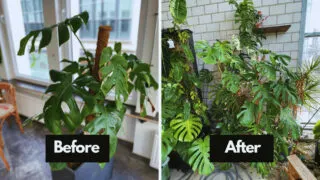
How To Grow A Gigantic Monstera deliciosa. There are many hacks to grow your plants faster and bigger on TikTok, Facebook, and YouTube. I tried one that said you should put an air root in a glass of water. It promises to grow your Monstera deliciosa faster. But does it work? I tested it with …
Houseplant Tips
The best Houseplant tips at your fingertips
In this section, you find general houseplant tips. From what houseplants are safe for pets and humans to the best-suited plants for the bathroom.

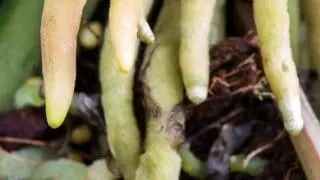
In this article, I will discuss what Anthurium roots above the soil are. The roots seen above the soil are air roots or aerial roots. The Flamingo flower produces roots above the soil and below the soil. The roots below the soil are just regular roots. They’re also called soil roots. If you are growing a …
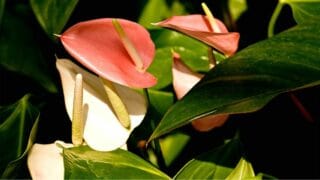
How much light do Anthurium need? Anthuriums, such as the Flamingo flower, grow in the understory of tropical rainforests. They are mostly epiphytes that live on other trees and objects. The Anthurium genus consists of more than 1000 species and belongs to the Araceae or Aroid family. As Anthuriums outside grow under trees and are protected …
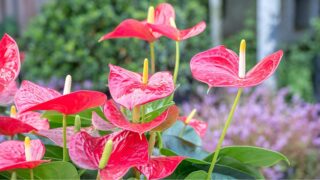
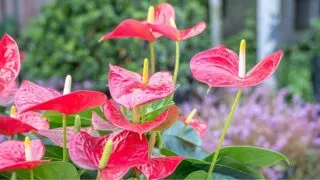
How cold can Anthurium tolerate? Anthuriums, such as the Flamingo flower, grow in tropical forests from Colombia to Ecuador, according to Missouri Botanical Garden, where houseplants are native to influence the temperature they prefer and need. I grow all my aroid plants in a grow tent. The grow tent is in a winter garden in …


Do Anthurium like Worm Castings? Caring for Anthuriums at home requires fertilization. Houseplants in pots need additional fertilizer as the soil’s nutrients are limited. Plants need to be fertilized in the growing season in spring and summer. Anthurium plants, such as the Flamingo flower, produce more blooms if the right amount of nutrients is provided. …
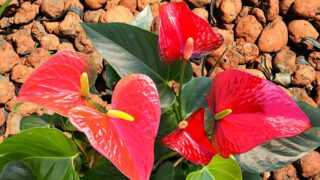

Anthuriums can be grown in leca. I am growing most of my aroid plants, such as Monstera, Philodendron, and Anthurium in a grow tent. In the tent is a semi-hydroponic system that stores water. The houseplants are in leca. Out of the three genera, I would say that Anthuriums grow best in this medium. …


Is poinsettia toxic to cats and dogs? The Christmas star is known as Euphorbia pulcherrima by its botanical name. It is the most popular festive plant. It is a tropical plant and belongs to the Euphorbiaceae family. Is Poinsettia Poisonous to Cats? Poinsettia is toxic to cats, dogs, and horses. Poinsettias contain chemicals that lead …

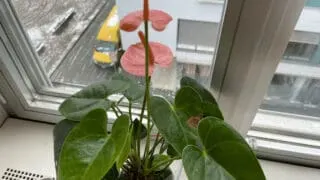
Why is my Anthurium not flowering? Anthuriums bloom throughout the year. They produce beautiful flowers and are often used in flower arrangements. They usually adhere to a three months flowering and three months, not flowering cycle. But somethings Flamingo flowers won’t bloom. The University of Florida states that new cultivars of Anthurium flower earlier. They …


If you’ve ever admired the lovely scent and appearance of a rose, you may wonder what to do with rose petals. You can use them for arts and crafts and add them to delicious meals, among numerous other things! Consider growing your rose garden for projects. This way, you can enjoy the stunning beauty of …


Sunflowers are a type of plant that features around 700 different varieties. While they come in many colors, one of the most recognizable colors for the sunflower is yellow. Depending on the variety of sunflowers you see, you can see impressive heights and giant flowers. So how do you ensure that your sunflowers will grow adequately? …