

When it’s 85 degrees in the shade and your shirt is already clinging to your back before you even grab the trowel, it’s time to rethink what “productive” really means in the garden.
This isn’t one of those “no pain, no gain” lists. In fact, it’s quite the opposite.
If you’re over 65, gardening in high heat isn’t just uncomfortable — it can be dangerous. Dizzy spells, dehydration, and stiff joints don’t pair well with mulch and full sun. And here’s the good news: your plants are probably just as eager to take it slow as you are.
This list gives you full permission to skip, delay, or just plain ignore some common garden chores during hot weather. Your garden won’t fall apart. And neither will you.
Here’s what you can safely put off until the next cool morning rolls around.
🌿 Key Takeaways
- Skip the heavy stuff. Digging, mowing, and pruning can wait for cooler mornings — or even next month.
- Your plants aren’t judging you. They don’t want to be fussed with in the heat either. Less is more right now.
- Don’t overwater. Heat doesn’t mean you need to drench everything. Check the soil before you grab the hose.
- Cool-season crops? Forget it. Lettuce, spinach, and friends will bolt and leave you bitter. Literally.
- Hydrate yourself, not just the garden. Take breaks, drink water, and use tools that save your joints — this is about long-term gardening, not survival mode.
- Sitting in the shade with a cold drink counts as gardening. Especially if you’re planning the next round of smart moves.
Heavy Digging and Turning Soil
This is one of the fastest ways to overheat and throw out your back, especially if you’re 65 or older. Digging into sunbaked soil is like trying to slice a baguette with a butter knife — dry, dense, and far too much effort in hot weather.
What to do instead: Water the area lightly the night before if digging is absolutely necessary. This softens the soil and makes the task easier on your joints. Better yet, break it up over several days and work in 15- to 20-minute chunks in the early morning, when temperatures are cooler and your energy is higher.
Helpful tools: Use a short-handled spade or a step-on garden fork to reduce strain. A lightweight kneeler bench or padded seat can help take pressure off your back and knees. And keep a bottle of water nearby — dehydration happens fast when you’re bent over in full sun.
Extra tip: If you’re prepping a new bed and it’s not urgent, cover the area with cardboard and mulch. Nature will do the digging for you over time — no shovel required.
2. Transplanting (Unless It’s in a Pot)
Plants aren’t the only ones who hate being moved around in the heat. Transplanting in high temperatures stresses both your garden and your body. Roots dry out faster, leaves wilt quickly, and bending over to dig holes under the sun isn’t doing your back or knees any favors.
What to do instead: Hold off on transplanting anything in-ground until a stretch of cooler, overcast weather returns. If you must move a plant, do it very early in the morning or in the evening — and water both the old and new spots thoroughly before and after the move.
Helpful tip for pots: Container transplants are much more forgiving. You can sit while working and move the whole pot to a shady spot to recover. Just make sure you water well and protect from direct sun for a few days after repotting.
Extra tip: Use a foam kneeling pad or a garden bench with handles to help you ease down and back up without strain. And if your joints are already sore that day, skip it. No plant is worth a pulled muscle.
3. Fertilizing
Hot weather and fertilizer don’t mix. Most plants go into survival mode when it’s really warm — they’re not looking to grow, they’re just trying to stay alive. Adding fertilizer now can burn the roots, especially in dry soil. It’s also one of those tasks that sounds quick but can end up being sweaty, messy, and more trouble than it’s worth.
What to do instead: Wait until temperatures are consistently below 85°F (29°C) before feeding your plants. If you really need to fertilize, water the soil well the day before and use a diluted liquid formula early in the morning while it’s still cool. Skip granular types unless you enjoy watching plants suffer.
Helpful tip: Use a lightweight watering can with a long spout for more control and less bending. Keep the hose handy, but don’t drag it around if it’s a tripping hazard — especially when you’re tired or overheated.
Extra tip: Write yourself a reminder or flag the task in your garden journal for cooler days. June heat is for staying hydrated, not overfeeding the basil.

4. Major Pruning
Unless you’re removing something dead, diseased, or downright dangerous, now is not the time to prune. Heat puts stress on plants, and pruning only adds to it by encouraging new growth that’s too tender to survive the sun. For you, pruning in high heat means standing, reaching, and straining — not a great combo if your balance or shoulders aren’t what they used to be.
What to do instead: Postpone major pruning until the weather cools down, ideally in the early morning or evening. If you absolutely must prune something, do it in short bursts and only with clean, sharp tools to reduce strain on both you and the plant.
Helpful tip: Use long-handled loppers or a telescoping pruner so you can trim without needing a ladder or uncomfortable stretches. Keep a folding chair nearby to take breaks — heat exhaustion can sneak up fast, especially if you’re focused on finishing a task.
Extra tip: There’s no such thing as “behind” in the garden. If a shrub looks wild for a few more weeks, let it. The bees won’t mind, and neither should you.
5. Spraying Leaves or Pests in Midday Sun
If you’ve got the urge to grab the spray bottle and tackle pests, pause. Most sprays — even organic ones like neem oil or insecticidal soap — can burn your plants when applied under hot sun. That midday shine turns leaves into frying pans, and standing there spraying under full heat? Not great for your energy or your skin.
What to do instead: Spray in the early evening, when the sun is low and the temperature drops. This gives the product time to work overnight without risking leaf burn or sunscald.
Helpful tip: If bending over to spray is uncomfortable, use a small handheld sprayer with an adjustable nozzle so you can spray from a standing position. Better yet, get someone to help if you have a lot of ground to cover. You don’t need to do it all yourself.
Extra tip: Keep a wide-brimmed hat and light garden gloves nearby in case you forget and grab the sprayer at the wrong time. A little protection goes a long way when you’re working with any kind of garden treatment.
6. Mowing the Lawn in the Afternoon
There’s a time and place for mowing. 2 PM on a hot June day is not it. Pushing a heavy mower in direct sun can quickly lead to dizziness, dehydration, and sore muscles — especially if you’re over 65 and dealing with joint pain, balance issues, or medications that make heat sensitivity worse.
What to do instead: Mow early in the morning when it’s cooler and the grass is dry. If it’s too hot even then, skip a week. Most lawns bounce back just fine — especially if you raise the blade height to leave the grass longer, which helps retain moisture and shade the soil.
Helpful tip: Use a lightweight electric or battery-powered mower if possible. They’re easier to handle and much quieter too. If mowing is a struggle, don’t hesitate to ask a neighbor or family member for help. It’s worth it.
Extra tip: Take breaks every 10 minutes, drink water, and don’t try to mow the whole lawn at once. There’s no prize for finishing it in one go — and certainly none for pushing through heat exhaustion.
7. Re-potting Plants in the Heat
Re-potting might seem like a quick job, but in hot weather, it’s surprisingly risky. Soil heats up fast, pots become scorching to the touch, and root systems get stressed. For you, it often means lifting, bending, and standing in awkward positions — all while the sun is doing its best to wear you out.
What to do instead: Save re-potting for a cooler morning, ideally in the shade. If it can wait until next week, even better. Plants won’t mind staying in their current pots a little longer, especially if you keep them well-watered and out of direct sun.
Helpful tip: If re-potting is urgent (like root rot or a cracked container), set up a small workspace at table height so you don’t have to stoop or kneel. Use a rolling plant caddy to move heavier pots instead of lifting.
Extra tip: Choose lightweight containers like plastic or resin instead of clay or ceramic. They’re easier on the wrists and won’t heat up like a stovetop.
8. Overwatering (Yes, Even Now)
Hot weather makes you want to water everything, all the time. But here’s the thing — plants can drown just as easily as they can dry out. And overwatering in the heat invites root rot, mold, and pests. For you, hauling heavy hoses or watering cans unnecessarily can be tiring and tough on joints.
What to do instead: Stick your finger an inch into the soil before watering. If it feels moist, hold off. Focus on deep, less frequent watering — once or twice a week is usually better than a daily sprinkle. Early morning is the best time, giving plants all day to dry off.
Helpful tip: Set up a soaker hose or drip irrigation if bending and lifting are difficult. These systems do the hard work for you and deliver water directly to the roots, where it matters most.
Extra tip: Add mulch. A 2–3 inch layer around your plants helps the soil retain moisture and reduces the number of times you need to drag the hose around.
9. Planting Cool-Season Crops
It might be tempting to sneak in a few spinach or lettuce seeds, but June heat doesn’t play nice with cool-season crops. They’ll bolt (go to seed) almost immediately, leaving you with bitter leaves and dashed hopes. Plus, prepping beds in the heat is hard work — and rarely worth it for plants that won’t thrive anyway.
What to do instead: Shift your focus to heat-loving crops like beans, okra, or squash. Or just wait. Late summer is a much better time to sow fall crops like kale or carrots, and it gives your body a break during peak heat.
Helpful tip: If you’re eager to grow something, try fast-growing herbs like basil in a shaded container. You can sit while you work and move it around as needed — much easier on the knees and shoulders.
Extra tip: Mark your calendar for late August or early September. That’s the sweet spot for cool-season planting in most zones, and your future self will thank you for the patience.
You’re Not Lazy, You’re Strategic
Gardening in June heat isn’t a test of toughness — it’s a test of knowing when to stop. There’s no trophy for dragging a hose around at noon or digging up half your yard while your knees protest every move. If something can wait, let it.
This isn’t about skipping chores because it’s hard. It’s about knowing that some things are smarter to do later — when the sun isn’t boiling your brain and your plants aren’t seconds from wilting.
So yeah, take the hint. Sit down. Drink something cold. Your garden will still be there tomorrow — and so will your knees, hopefully.
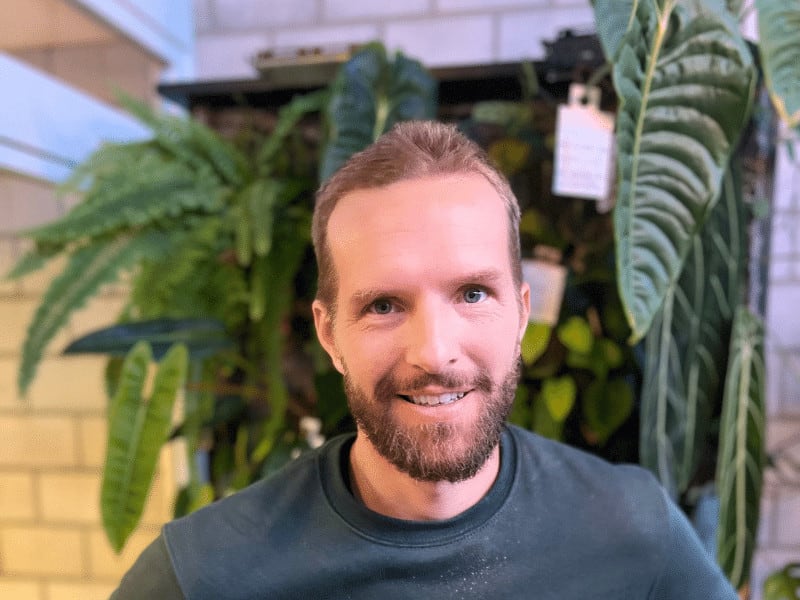
Daniel has been a plant enthusiast for over 20 years. He owns hundreds of houseplants and prepares for the chili growing seasons yearly with great anticipation. His favorite plants are plant species in the Araceae family, such as Monstera, Philodendron, and Anthurium. He also loves gardening and is growing hot peppers, tomatoes, and many more vegetables.