

Weeds are fast. Weeds are sneaky. And worst of all, weeds are opportunists. They show up when you’re tired, thrive where you don’t look, and often grow faster than the stuff you’re actually trying to keep alive.
But here’s the kicker: a lot of the things we do with the best intentions are actually giving weeds exactly what they want. That bag of mulch you lovingly spread? Might be helping them thrive. That tidy little row of seedlings? Could be giving them too much room to party. That compost pile you’ve been meaning to turn since last summer? Yeah… we need to talk.
Here are eight things gardeners do all the time that secretly make weeds worse — and what to do instead if you want your plants to win this round.
🌿 Key Takeaways
- 🪴 Planting too far apart invites weeds — fill gaps with ground covers or tighter spacing.
- 💧 Watering bare soil helps weeds thrive — focus moisture at the plant base only.
- 🧱 Digging wakes weed seeds — disturb soil less to prevent germination.
- 🧨 Letting weeds seed multiplies problems — remove them before they flower.
- 🌱 Tiny weeds are easiest to beat — act early, not later.
- 🌿 Mulch can help or hurt — choose clean mulch and apply it thick enough.
- 🛑 “Weed-proof” labels often lie — inspect all products and test before trusting.
- 🧪 Old soil needs refreshing — compost and loosen it before reuse.
1. Leaving Empty Gaps Between Plants
We all love that clean, tidy look. Even rows, nice spacing, symmetrical beds — it’s satisfying. But guess who else loves open space? Weeds. Empty gaps are like blank checks to every weed seed within sniffing distance. While your baby plants are still thinking about growing, weeds rush in, take over, and throw a rave in the middle of your soil.
The problem is especially bad with veggie beds and new flower borders. Those perfect rows and generous spacing might work on a seed packet, but in the real world, weeds move faster than most of our crops. And once they get a head start, they don’t let go easily.
🌱 What to Do Instead
- Plant closer together when possible — tighter spacing shades the soil and blocks weed seeds from sprouting.
- Fill in gaps with fast growers or ground cover plants like nasturtiums, alyssum, or even lettuce.
- If you’re waiting for young plants to spread, use mulch or cover crops to fill the gaps temporarily.
- Re-check spacing advice — seed packets often assume “perfect” conditions. In real gardens, tighter is better.
2. Watering the Whole Bed Like It’s a Lawn
It feels efficient. One big swoop with the hose, and everything looks wet. But if your watering routine hits the bare soil as much as the plants themselves, you’re basically hydrating your weeds. They love that. Especially the ones lurking between rows, waiting for their moment to shine.
When you water everything evenly, weed seeds in open areas germinate just as eagerly as your crops. You’re giving them a level playing field. And they’re usually faster competitors than your flowers or veggies. Next thing you know, you’re growing a lush patch of crabgrass and dandelions — on purpose.
💧 What to Do Instead
- Water only where it matters — aim for the base of your plants, not the empty spaces between them.
- Use drip irrigation or soaker hoses to control exactly where moisture goes.
- Water early in the morning to give your plants a head start without boosting weed germination overnight.
- If hand-watering, slow down and focus — a gentle, targeted pour does more good than a full-bed flood.
3. Breaking Up the Soil Too Often
It’s tempting to grab the hoe and start chopping every time the soil looks crusty or a little weedy. But every time you dig, rake, or till, you’re not just disturbing weeds — you’re waking up new ones. Buried seeds get a blast of sunlight and fresh air, and boom, they sprout like they’ve been planning this all year.
Constant disturbance also breaks up soil structure and exposes moisture to evaporation. Instead of helping your garden, you’re creating the perfect environment for weeds to crash the party. And they bring friends.
🧱 What to Do Instead
- Only disturb the soil when absolutely necessary — less movement means fewer weed invitations.
- Use mulch to protect the surface and prevent crusting — it keeps the soil healthier and less weedy.
- Pull weeds by hand or with minimal digging tools — skip the full-bed tilling unless you’re reworking the entire plot.
- Embrace “no-dig” zones — they support soil life and make it harder for weeds to get started.
4. Letting Weeds Go to Seed “Just for Now”
You spot a dandelion puffball or a crabgrass head full of seeds, and you think, “I’ll deal with that later.” Bad move. Those seeds are not waiting. They’re falling, flying, and burrowing in before you’ve even put the trowel down. And each one is a future headache.
One weed going to seed can mean hundreds of new ones sprouting up across your garden next season. It’s like letting one toddler throw glitter in your living room — you’ll be finding it for years. Rip that stuff out before it gets the chance to multiply.
🧨 What to Do Instead
- Pull weeds before they flower or go to seed — aim for early removal whenever possible.
- Carry a small bucket on garden walks to nab seed heads on the spot.
- Deadhead persistent seeders weekly during their peak season.
- Dispose of seeded weeds in the trash — not the compost — to avoid spreading them again later.
5. Ignoring Weed Seedlings Because They’re “Tiny”
They’re barely there. Just little sprouts. You spot a few while watering and think, “I’ll deal with them when they’re bigger.” Classic mistake. Those tiny seedlings are the ones you want to get — not the ones already flowering or setting seed.
Small weeds are easy to pull, disturb less soil, and haven’t had a chance to form deep roots. Leaving them alone is like ignoring a spark because it isn’t a fire yet. Spoiler: it’s going to be.
🌱 What to Do Instead
- Weed when they’re tiny — it’s faster, safer for your soil, and keeps the population low.
- Use a hand hoe or loop weeder to gently slice off young weeds without disturbing roots around them.
- Make it a quick daily habit — 5 minutes a day keeps the big messes away.
- Stay ahead after rain — weed seeds love damp soil and warm temps. Check beds a day or two after a storm.
6. Using the Wrong Kind of Mulch
Mulch is supposed to stop weeds. But if you grab the wrong kind — or spread it the wrong way — you might be giving them a deluxe all-you-can-grow buffet. Cheap mulch full of weed seeds? That’s a sabotage bag. Mulch laid too thin? It’s just a cozy welcome mat for trouble.
Mulch is powerful when used right, but it doesn’t work on autopilot. Treat it like a tool, not a formality. The goal isn’t just to make things look neat — it’s to stop the light and space that weeds thrive on.
🌿 How to Get It Right
- Use quality mulch that’s clean and well-aged — avoid anything that smells sour or feels soggy.
- Apply mulch at least 2–3 inches thick to block sunlight and suppress growth.
- Keep mulch pulled back from plant stems to avoid rot and hidden weed bases.
- Refresh or fluff your mulch a few times per season so it keeps doing its job.
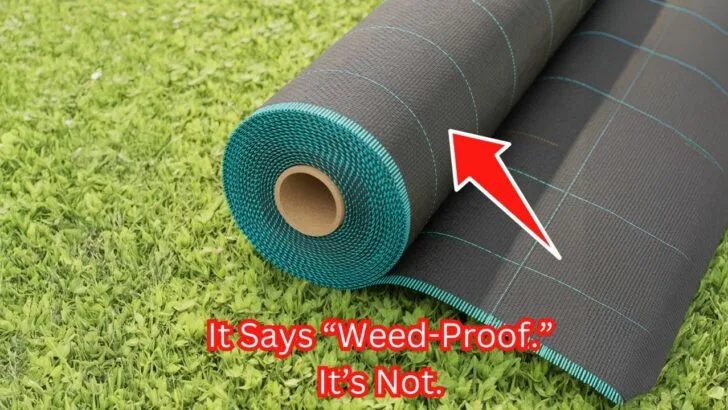
7. Trusting the “Weed-Proof” Label
It says it right there on the bag: weed-proof, weed-free, weed barrier. Sounds like a dream. But those labels? Often just marketing fluff. Many so-called “weed-proof” products break down fast, trap moisture in all the wrong places, or even let weeds root right through them.
Some landscape fabrics become tangled with roots and make it *harder* to remove weeds later. And weed-free compost or soil blends? They’re not always what they claim — especially if they’ve sat around too long, uncovered and unloved.
🛑 What to Do Instead
- Skip plastic or cheap landscape fabrics — use cardboard or biodegradable options instead.
- Inspect “weed-free” products before buying — look for signs of sprouting, mold, or odd smells.
- Prioritize natural weed suppression — tight plant spacing, cover crops, and healthy soil work better long-term.
- If in doubt, do a test patch first — before laying fabric or using bulk materials in your whole bed.
8. Reusing Soil Without Refreshing It
Reusing last season’s soil sounds smart — thrifty, even. But tired soil doesn’t just lack nutrients. It often contains leftover weed seeds, compacted zones, and imbalanced microbes that give weeds a leg up before your plants even get started.
If you’ve had issues in a pot or raised bed one year, reusing the same soil without fixing it can guarantee you’ll have the same (or worse) problems the next. Weeds love consistency — and neglect.
🧪 What to Do Instead
- Top off reused soil with 1–2 inches of fresh compost to boost nutrients and bury weed seeds.
- Loosen compacted spots with a fork or broadfork to let water and roots move freely.
- Rotate your crops or containers —
Your Garden Isn’t a War Zone
I used to think weeds were something I had to conquer — like I was one forgotten dandelion away from total collapse. But the truth is, most of the problems we blame on weeds? We quietly caused them ourselves. Overwatering. Overdigging. Overthinking.
Most of the time, the best way to beat the weeds is to stop making their lives easier. That means fewer gaps, fewer panic pulls, and more balance. Your garden doesn’t have to be spotless. It just has to make sense — for the plants, for the soil, and for you.
Pick one thing from this list and shift it. Even that tiny change can start tipping the scale back in your favor.


Daniel has been a plant enthusiast for over 20 years. He owns hundreds of houseplants and prepares for the chili growing seasons yearly with great anticipation. His favorite plants are plant species in the Araceae family, such as Monstera, Philodendron, and Anthurium. He also loves gardening and is growing hot peppers, tomatoes, and many more vegetables.