

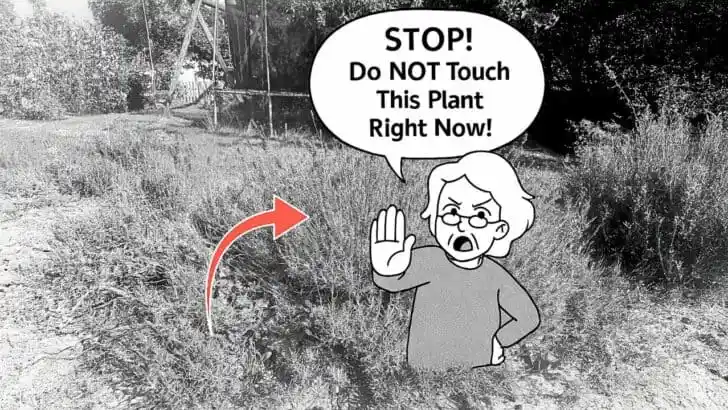
It’s blooming. It’s buzzing with bees. It smells like everything summer should be. And yet, right now — this very moment — your garden shears should stay far, far away.
We know the feeling. June is peak “clean it all up” mode. Spent blooms? Gone. Floppy plants? Fixed. But there’s one plant that punishes impatience. Touch it too soon, and you’ll miss out on next year’s glory. Or worse — you’ll end up with a sad pile of twigs and no scent come spring.
Most gardeners mean well. But that’s exactly how this mistake happens. You’re not neglecting your plant — you’re helping, right? Not quite. Because this plant doesn’t reward overachievers. It rewards restraint.
What is it? You probably already have it blooming in your yard. Let’s talk about the one plant you absolutely shouldn’t prune right now — and why waiting is the smartest cut you’ll never make.
The Plant That’s Begging You to Wait
It’s the showstopper right now. Purple blooms, fragrant stems, bees in a trance — everything about it screams peak summer. But this is exactly why you should leave it alone.
We’re talking about lavender. And yes, it looks like it could use a little shaping. Maybe it’s flopping, maybe it’s starting to sprawl. But snipping it now — while it’s in full bloom — is like walking out of a movie halfway through the best scene. You miss the grand finale, and the plant misses its moment.
Worse, trimming early messes with the plant’s rhythm. Lavender needs this bloom cycle to store up energy. When you cut too soon, it wastes that energy trying to regrow in the middle of a heatwave. And if you cut into the woody part? That section may never come back. Which means bald patches and sad regrets next season.
💜 What to Do Instead
- Let the flowers fade first — wait until most blooms dry out and the bees stop visiting.
- Time it right — mid to late July is your sweet spot in most zones. That’s when a light trim encourages a tidy shape without stress.
- Stay in the green — only snip soft, flexible growth. Never prune into the woody stems.
- Round it off — shape the plant gently to prevent legginess and encourage next year’s growth.
Timing Is Everything
If you only remember one thing about pruning lavender, let it be this: the calendar matters, but your climate matters more. There’s no universal lavender clock — it’s all about knowing when the blooms have peaked and your weather allows a gentle reset.
In cooler zones (think USDA zones 4 to 6), lavender usually blooms a bit later, and the pruning window lands around mid to late July. Go too early, and you’ll cut off the best part. Too late, and your plant doesn’t have time to bounce back before fall.
In warmer climates (zones 7 and up), you might see blooms as early as late May or June. That means a light trim could happen in early July — but only if the flowers are fading and the plant has finished its performance. Never rush the scissors just because the calendar says “summer.” Lavender doesn’t care what month it is. It cares whether it’s done blooming.
📅 When to Prune Based on Zone
- Zones 4–6: Wait until late July or early August. The plant needs warmth to recover after pruning.
- Zones 7–9: You can start trimming in early to mid-July once the blooms are mostly done.
- Zones 10+: Lavender may bloom more than once. Trim lightly after the first bloom, but avoid aggressive cuts in peak heat.
- Anywhere: If it’s still blooming beautifully, hands off. Wait until the flowers fade.
Know Your Lavender
Not all lavender is created equal. Some types bloom once and call it a year. Others throw a second show if you treat them right. And some — looking at you, Spanish lavender — are more ornamental than practical. Pruning without knowing your plant is like giving someone a haircut in the dark. It might work. But it probably won’t.
If you’re growing classic English lavender (Lavandula angustifolia), you’re working with the most cold-hardy and forgiving type. It usually blooms once, sometimes twice, and benefits from a tidy post-bloom trim. Just don’t go too deep — never cut into the woody base.
Then there’s French lavender (Lavandula dentata) and Spanish lavender (Lavandula stoechas), which tend to bloom earlier and longer. These are more heat-loving and less cold-tolerant. You can trim them lightly after each flush of blooms, but again, don’t scalp them. They hate that.
🌿 Quick Lavender ID + Care Tips
- English Lavender: Prune after first bloom. Possibly again in late summer. Cold-hardy.
- French Lavender: More sprawling. Prune lightly and often. Less cold-tolerant.
- Spanish Lavender: Showy flower heads. Prune carefully. Needs good drainage.
- Never cut into woody stems — they don’t regrow. Always leave a few green shoots.
So What Should You Actually Do?
If your lavender is blooming right now — just enjoy it. That’s it. Don’t snip. Don’t shape. Don’t deadhead. Let it do its thing. Lavender puts everything it’s got into blooming, and cutting it now is like pulling someone off stage mid-song. The best thing you can do is step back, give it space, and let the show run its course.
This is the moment when bees are buzzing, pollinators are partying, and the scent is strongest. Cutting now won’t just interrupt that magic — it risks stressing the plant when it’s at its most vulnerable.
Instead, focus on supporting the plant during this high-energy phase. That means:
🪴 What to Do Right Now
- Water carefully — only if the soil is dry a few inches down. Lavender hates wet feet.
- Let the blooms fade naturally — this helps the plant finish its cycle without confusion.
- Hold off on feeding — lavender thrives in lean soil. Extra nutrients now can actually do more harm than good.
- Watch the stems — as long as they stay upright and green, you’re golden.
Once the flowers have faded and the stems start to look a little tired, that’s your cue. For most regions in the US, that means sometime between mid to late July. That’s when you can give your plant a light trim — just the flower stems and maybe a little shaping. No hard pruning. No buzzcuts.
The deeper, rejuvenating cut comes later — usually in early fall, once the summer heat backs off but well before the first frost. That’s the time for a proper haircut. Right now? Just let it be beautiful.
When and How to Trim It (Without Regret)
Once the blooms fade and the stems look a little brittle, it’s safe to grab the shears — gently. The first post-bloom trim is more like tidying than pruning. Think of it as giving your lavender a little refresh after its big performance.
But there’s a golden rule: don’t cut into the woody part of the plant. Lavender doesn’t rebound well from deep cuts into old wood. If you go too far, it might not grow back at all. Aim for soft, green growth only — ideally, the spent flower stems and just a smidge of leafed-out stem beneath.
✂️ How to Trim After Bloom
- Wait for the flowers to dry — that’s when the plant naturally starts to wind down.
- Use clean, sharp shears — you want a clean cut, not a tear.
- Cut just below the bloom — into soft green growth only.
- Leave the woody base alone — it doesn’t regenerate like other perennials.
- Shape lightly — aim for a rounded, cushion-like form to keep it tidy and healthy.
If you do this right, your lavender will thank you with bushier growth and more blooms next season. And if you’re lucky (and live in a warmer zone), you might even get a second, smaller flush of blooms before the end of summer. Just in time to remind you why patience was the right call.
Let It Bloom, Let It Be
I used to rush in with the pruners at the first sign of fading blooms. It felt like doing something helpful. Tidy. Proactive. But then I watched a lavender plant sulk for a whole season after an early snip. It didn’t bounce back. It just sort of… stalled.
Now I wait. I let the bees have their fill. I let the flowers fade with grace. And when the timing is right — when the stems go dry and the color fades — I cut just enough to keep things happy. Nothing drastic. Just a trim to say, “Thanks for the show.”
Sometimes the best gardening move is to do nothing at all. At least for a little while.
🌿 Key Takeaways
- 🕰️ Timing matters — some plants need to finish their bloom cycle before you lift a finger.
- 🐝 Leave blooms for the pollinators — they rely on flowers like lavender deep into summer.
- ✂️ Early pruning can stall growth — especially for plants that bloom on the current season’s growth.
- 🪻 Wait until flowers fade fully — once they dry and go grayish, it’s time for a tidy-up.
- 😌 Doing nothing is sometimes best — trust the plant’s rhythm, not the urge to clean things up.


Daniel has been a plant enthusiast for over 20 years. He owns hundreds of houseplants and prepares for the chili growing seasons yearly with great anticipation. His favorite plants are plant species in the Araceae family, such as Monstera, Philodendron, and Anthurium. He also loves gardening and is growing hot peppers, tomatoes, and many more vegetables.