

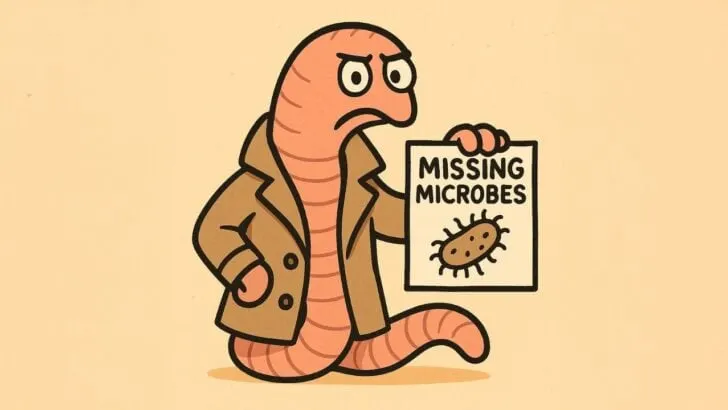
At first, it looked promising. The seedlings popped up. The compost smelled like success. You even high-fived yourself after that perfect tomato trellis.
But now? The leaves are pale. Growth has stalled. And the only thing thriving is your growing sense of betrayal.
If your garden feels like it’s running on fumes, the culprit might not be pests, weather, or your watering schedule. It might be the soil itself — tired, empty, and quietly failing beneath the surface.
Before you toss in more fertilizer or blame the plants, let’s check for these 7 dead-soil red flags. The good news? You can fix every single one, and most of the fixes cost less than a cup of coffee.
🌱 Key Takeaways
- 👃 Healthy soil smells earthy — no scent could mean it’s dead inside.
- 🚰 Brick-hard or swampy soil is trouble — balance is key for plant roots.
- 🌾 If even weeds won’t grow, your soil’s in deep trouble.
- 🥄 Soil that looks like dust or beach sand needs major organic help.
- 🍂 No decomposition = no life — microbes do the heavy lifting.
- 🥀 Droopy, lifeless plants are often crying out for better soil.
- 🛠️ Every issue has a fix — compost, mulch, and smart habits revive even the worst dirt.
1. It Has No Smell
Good soil doesn’t just grow things — it talks to your nose. Healthy, living soil has a rich, earthy scent, kind of like fresh mushrooms, wet leaves, or your grandpa’s workshop if he composted on the side. If your soil smells like… nothing? That’s a red flag.
Odorless soil is often lifeless soil. No microbes, no fungi, no party. And no party means no nutrients cycling, no roots thriving, and no tomatoes blushing anytime soon.
🛠️ What You Can Try
- 🌾 Add compost or worm castings to reintroduce microbial life fast.
- 🧴 Avoid synthetic fertilizers — they feed plants but starve microbes.
- 🍂 Mulch with organic matter like leaves or straw to feed the fungi.
Try this combo for a few weeks and then sniff again. When the soil starts to smell like a forest floor, you’re back in business.
2. Water Just Sits There
When you water your garden, the moisture should soak in like a sponge. If it sits on top like a puddle on concrete, your soil is in trouble. Compacted or clay-heavy soil can’t breathe, can’t drain, and definitely can’t grow much beyond moss and frustration.
This standing water doesn’t just suffocate roots — it invites root rot, fungal diseases, and mosquitoes with real estate ambitions. Plants in soggy beds often look thirsty even when they’re drowning. It’s soil CPR time.
🧯 Quick Fix to Get Things Flowing
- 🪱 Mix in compost or aged manure to boost structure and drainage.
- 🌿 Add perlite, coarse sand, or leaf mold to open things up.
- 🔄 Try a no-dig method to build layers over time without compacting the soil again.
Once the water stops pooling and starts disappearing within seconds, your roots can breathe easy again.
3. It’s Either Brick or Swamp
One week your soil is harder than your grandmother’s fruitcake. The next, it’s holding water like a rice paddy. If your garden flips between concrete and soup, it’s not just dramatic — it’s dysfunctional.
This seesaw isn’t just annoying. It messes with root development, nutrient uptake, and plant morale. Roots crack trying to push through when it’s dry and rot in rebellion when it’s wet. Good soil isn’t moody. This stuff needs therapy.
🛠️ Here’s What to Try
- 🔁 Work in organic matter regularly — compost, shredded leaves, or straw help balance extremes.
- 🪨 Check your soil type. Sandy soil drains fast, clay holds water. Add amendments accordingly.
- 📏 Raise your beds if drainage continues to be a problem. It’s not cheating. It’s smart.
Consistency is the goal. Get your soil off the emotional rollercoaster and back on stable ground.
4. Even Weeds Won’t Grow
If not even dandelions or crabgrass are making an appearance, your soil might be waving a tiny white flag. Weeds are survivors. If they’re giving up, your dirt is either too depleted, too toxic, or too compacted for life to bother trying.
This isn’t a badge of honor. It’s a red alert. Healthy soil, even neglected, usually hosts something. If you’ve got a bare patch that stays bare no matter the season, it’s time to intervene — fast.
🌱 What You Can Do
- 🧪 Test your soil for extreme pH or contamination — especially if the area was used for construction or chemicals.
- 🛠️ Loosen it up with a garden fork or broadfork. Sometimes it’s just compacted beyond belief.
- 🥕 Topdress with compost or aged manure and let nature work for a season or two. Fungi, worms, and microbes will show up — eventually.
You don’t need to panic. But you do need to start coaxing life back into that dirt — even if you begin with the humble weed.
5. It Looks Like Dust or Sand
Healthy soil is crumbly, dark, and slightly moist — not bone-dry and powdery like the bottom of an old vacuum bag. But if your garden bed crumbles into fine dust or looks like pale sandbox sand, something’s gone wrong. Very wrong.
This kind of texture usually means your soil is completely drained of organic matter. No life, no structure, just sterile dirt that barely holds water and can’t support roots. It’s the gardening equivalent of trying to sleep on a pile of flour.
🪱 Here’s a Fix That Works
- 🌿 Cover it with compost — at least an inch or two. The microbes will thank you.
- 🧻 Top-dress with shredded leaves or grass clippings to slowly rebuild organic matter.
- 🧪 Mix in a bit of clay-rich soil to give it more body and water retention.
Keep feeding the soil, not just the plants. That’s how you turn dust into life again.
6. Nothing Decomposes
You threw a banana peel in the compost corner three weeks ago, and it still looks like it just fell off the fruit bowl. No fuzz, no rot, no critters even nibbling at it. Just… sitting there. Creepy.
When organic matter doesn’t break down, it’s usually a sign your soil is missing the invisible cleanup crew — bacteria, fungi, and micro-fauna that turn garbage into gold. Without them, nothing gets recycled, and nutrients stay locked away like treasure with no map.
🍌 Time to Kickstart Decomposition
- 🍄 Add living compost or a handful of healthy garden soil from a friend’s thriving bed.
- 💧 Moisten the area — dry soil halts decomposition like hitting pause on a rotting movie.
- 🧃 Mix in kitchen scraps with high nitrogen (like coffee grounds or veggie bits) to balance things out.
When microbes move in, the banana peels finally get evicted — and your soil comes back to life.
7. Your Plants Just Look Sad
It’s not scientific, but you know the look. Droopy leaves. Washed-out color. No growth to speak of. It’s like the whole bed gave up halfway through spring and decided to emotionally check out.
When nothing seems *technically* wrong — no pests, no diseases, no weird weather — but your plants still act like they’ve been ghosted by life itself, there’s a good chance your soil is to blame. Dead or depleted soil can’t nourish anything properly. It’s like feeding your plants cardboard soup and wondering why they’re not thriving.
😞 Turn the Mood Around
- 🍂 Top-dress with rich compost — it gives plants instant comfort food and microbial support.
- 🌾 Plant green manure crops like clover or vetch if you’ve got time. They’ll rehab the soil while looking cheerful.
- 🔄 Rotate what you grow — don’t run tomatoes into the ground every year.
Think of it as couples therapy for your plants and the dirt they’re stuck with. It works.
What Your Soil Is Trying to Tell You
When plants struggle, it’s easy to blame the weather, the seeds, or even yourself. But sometimes, it’s not you — it’s the soil.
These warning signs aren’t just random quirks. They’re your garden’s version of flashing red lights. The good news? Dead soil doesn’t have to stay that way. With a little care, compost, and time, even the dullest dirt patch can come back to life and grow something worth bragging about.
And once you know what to look for, you’ll never look at your garden the same way again.
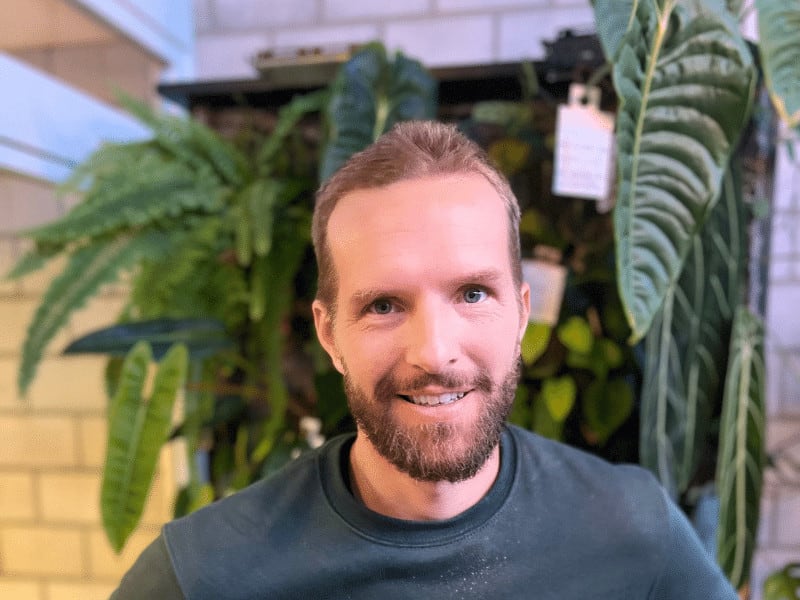
Daniel has been a plant enthusiast for over 20 years. He owns hundreds of houseplants and prepares for the chili growing seasons yearly with great anticipation. His favorite plants are plant species in the Araceae family, such as Monstera, Philodendron, and Anthurium. He also loves gardening and is growing hot peppers, tomatoes, and many more vegetables.