

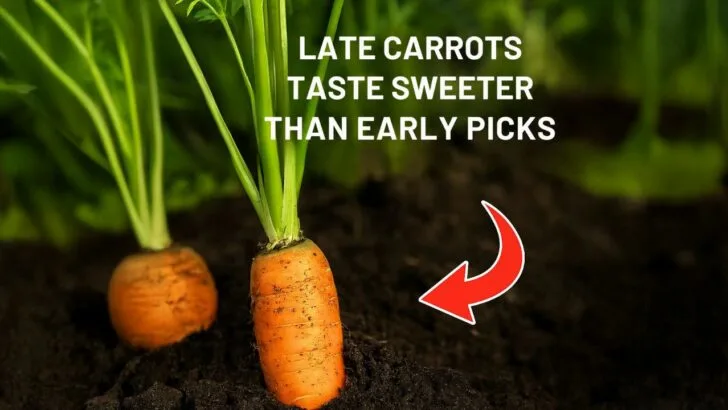
You missed it. The harvest window. The perfect picking point. The moment when that carrot, that kale, that pepper was at its absolute best.
Or… did you?
Because what if late isn’t bad? What if a few extra days, a touch of cold, or a little laziness actually makes some vegetables better? Sweeter. Spicier. More flavorful than anything the “rules” told you to expect.
This isn’t an excuse to ignore your garden. It’s a list of vegetables that reward you for doing just that. Not all of them, of course. But these seven? Letting them linger a little longer might just surprise you.
🌿 Key Takeaways
- ❄️ Frost and cold nights turn starches into sugars, making some vegetables sweeter.
- 🍂 Late-season kale and Brussels sprouts lose bitterness and gain richer flavors.
- 🌶️ Let hot peppers fully ripen for maximum heat and complexity.
- 🍆 Some eggplants get creamier and less bitter when left slightly past peak size.
- 🥕 Carrots harvested after cool nights often taste sweeter and more vibrant.
- 🌱 Let cilantro bolt to harvest coriander seeds — a fresh, aromatic spice.
- 🥫 Dry mature green beans for long-term storage and cooking.
1. Parsnips

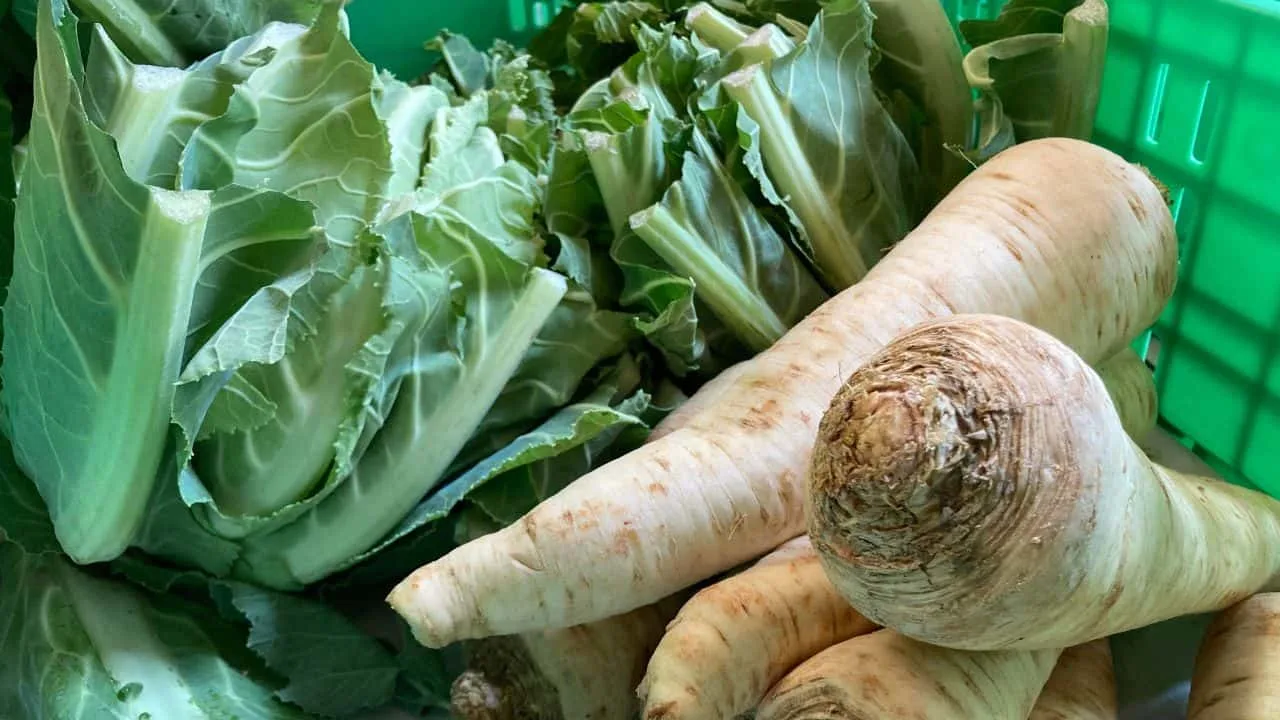
Parsnips don’t care about your schedule. You can plant them early, forget about them all summer, and they’ll still be there, quietly bulking up under the soil. But their real magic happens after the frost hits.
Cold snaps flip a chemical switch. The starches turn into sugars. Suddenly, that bland root gets sweet. Not “tastes better than a carrot” sweet. We’re talking roasted-candy-sweet if you let them go long enough. It’s like nature slow-baking dessert underground.
❄️ Frost Makes Flavor
- Leave them in the ground until after at least one hard frost for maximum sweetness.
- Use a garden fork to lift them gently. The roots snap easily when soil is hard.
- Roast with olive oil and thyme to bring out the caramelized notes.
2. Kale

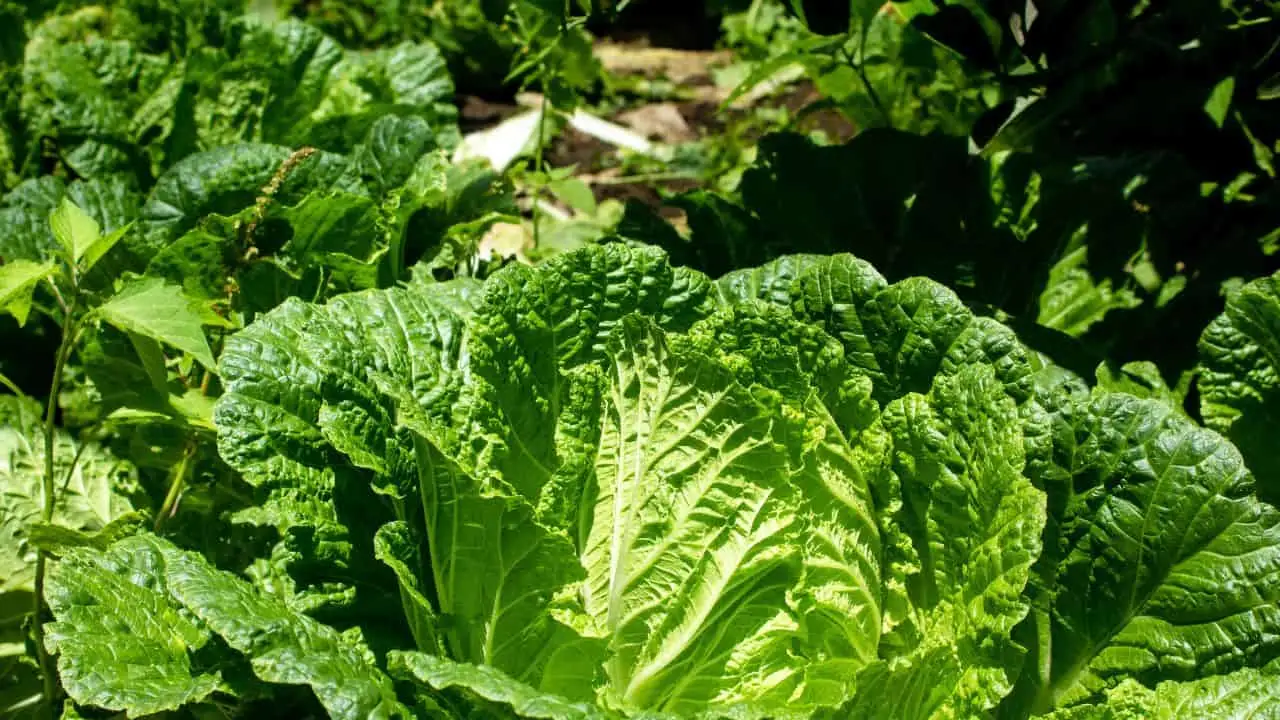
Kale in summer is edible. Kale in fall is a revelation. Once the nights cool down, something strange and wonderful happens. The leaves lose their bitter edge and gain a nutty, almost buttery undertone. Even older leaves that were tough and sharp mellow out like they’ve had a long vacation.
Forget the spring kale hype. Fall kale brings the depth. It doesn’t just survive the chill — it thrives in it. You can harvest it leaf by leaf, or wait for the whole rosette to bulk up before the deep freeze. Either way, it only gets better with time.
🍂 Fall Kale Wins
- Cool nights trigger sweetness, especially in older, more mature leaves.
- Frost-touched kale is softer and more flavorful, perfect for raw salads or sautés.
- Keep harvesting through light snow. Some varieties can handle temps down to the mid-20s Fahrenheit.
3. Hot Peppers

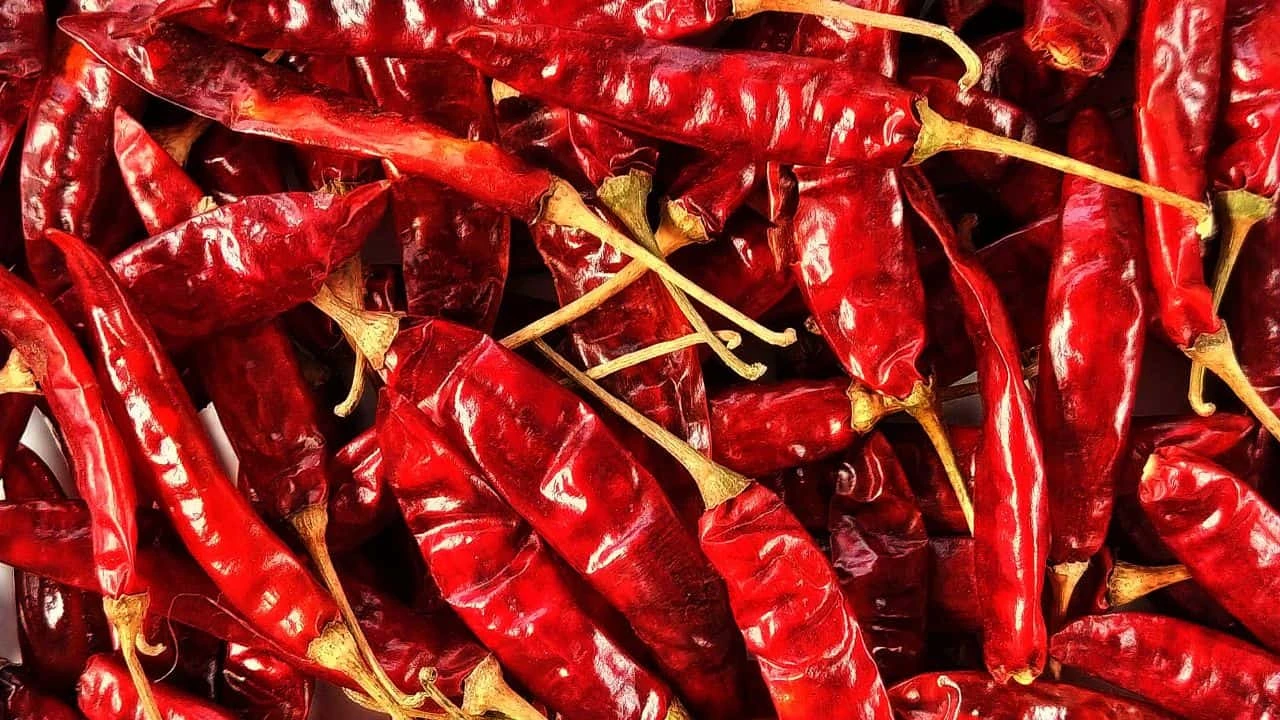
Hot peppers are like dramatic actors. The longer you leave them on stage, the more intense their performance. Those green jalapeños you see in stores? That’s the rushed version. Leave them on the plant until they ripen to deep red or chocolate brown, and they’ll bring the full complexity — heat, sweetness, and that smoky undertone gardeners rave about.
This isn’t about heat for heat’s sake. It’s about flavor stacking. The oils concentrate. The skin matures. And when you finally pick them, the taste isn’t just spicier — it’s deeper. Your salsa will never be the same again.
🌶️ Let Them Ripen
- Fully ripened peppers have more heat and better flavor balance.
- Dry them whole to make homemade chili flakes or smoked powder.
- Thin-skinned varieties like cayenne or Thai chili dry faster than thicker ones.
4. Eggplant

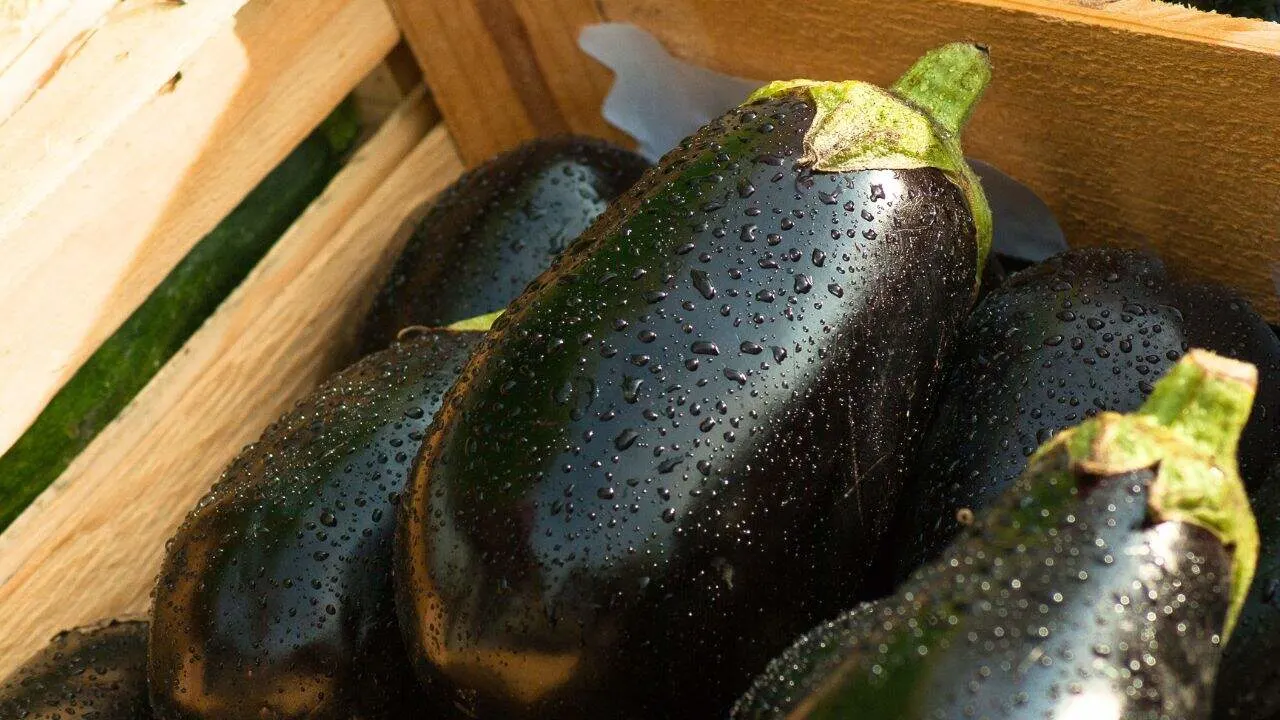
Eggplant gets a bad rap. Too bitter. Too spongy. Too finicky. But that’s usually what happens when people pick it too early. If you’ve got heirloom varieties in the ground, especially the long Asian types or those deep-purple globes, let them hang out a little longer. A touch past peak size, they start tasting richer and creamier.
The skin might toughen slightly, but the inside gets silkier. That bitterness you feared? Gone. Roast it, grill it, or stew it, and it soaks up flavors like a sponge — the good kind this time. Late-season eggplants are the underdog heroes of the fall garden.
🍆 Wait Just a Bit
- Heirlooms improve in flavor when left slightly past full size.
- Bitterness fades in well-ripened fruit, especially with steady watering.
- Firmness is your guide. Slight give is perfect — too soft means overripe.
5. Carrots

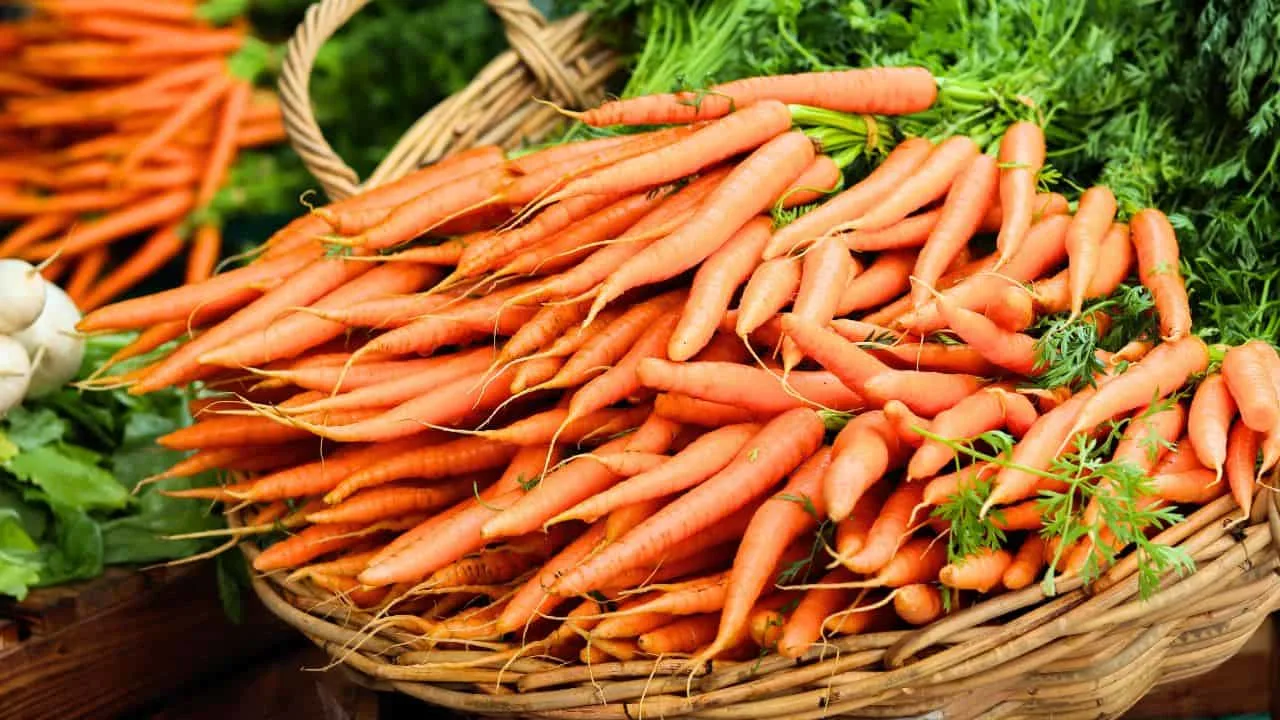
Carrots get sweeter the longer they stay in the ground, especially when nights start to cool. The cold triggers a kind of panic response in the root, pushing it to convert starches into sugars. That’s why fall-harvested carrots taste miles better than the ones yanked out in summer. They’re crisp, earthy, and just a little bit candy-like.
You don’t have to do anything fancy. Just leave them in place and let the weather do the work. A light frost won’t hurt them — in fact, it makes them better. Pull a few at a time, and your best batch might be the last one.
🥕 Sweeten with Cold
- Cool nights trigger sugar conversion, especially after early frosts.
- Use mulch to keep soil loose and protect roots for longer storage in-ground.
- Smaller carrots mature faster, but the big ones pack more sweetness after a chill.
6. Cilantro (Seeds = Coriander)

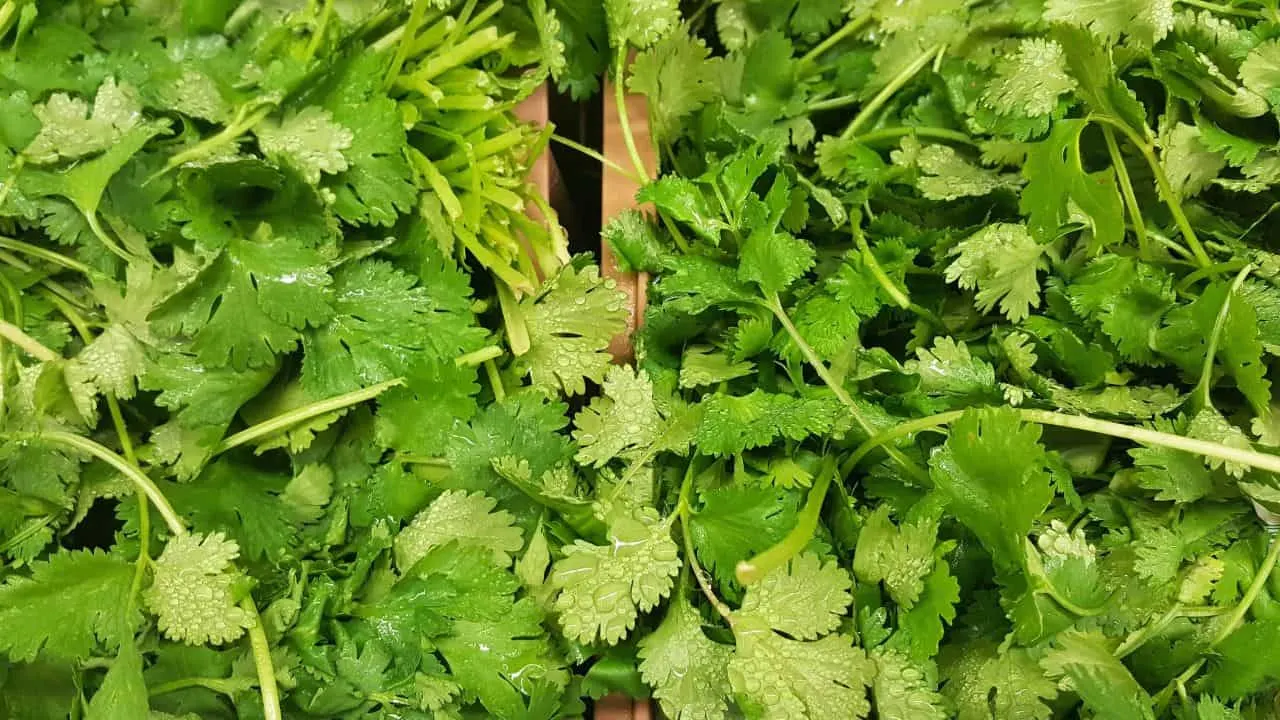
Cilantro is notorious for bolting the moment it feels crowded or hot. But that bolt isn’t a death sentence. It’s a transformation. Once it shoots up and flowers, you’re on your way to something entirely new: coriander seeds. These tiny flavor bombs are citrusy, nutty, and nothing like the leaves they came from.
If you let cilantro go wild on purpose, you’ll get a double harvest. First, the leaves for your tacos. Later, the seeds for your spice rack. Let the flowers dry out, then snip the stems and shake them over a bowl. Instant coriander — homegrown and a lot fresher than the dusty stuff at the store.
🌱 Use the Bolt
- Let cilantro flower if you want coriander seeds for cooking or replanting.
- Harvest seeds when dry and lightly brown for max flavor before grinding.
- Bonus: the flowers attract pollinators while the seeds self-sow for next season.
7. Dry Beans (from Green Bean Varieties)

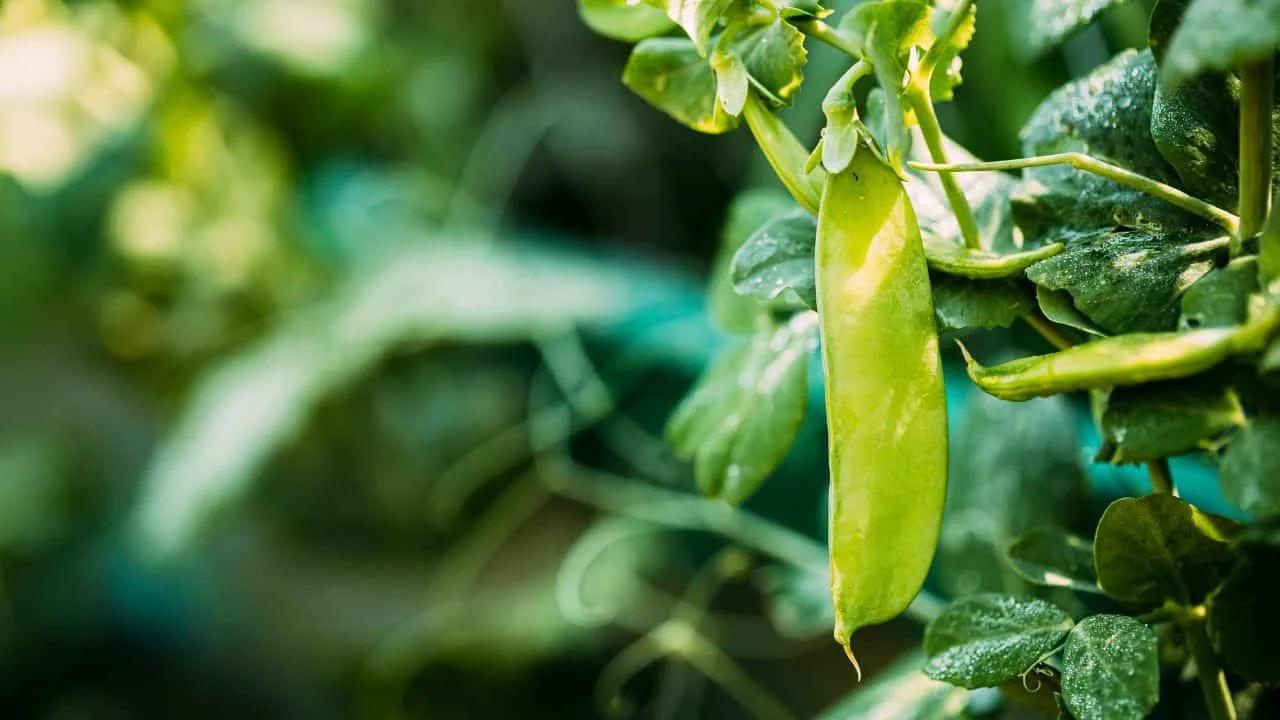
Missed the window for picking tender green beans? Don’t toss those pods. If you leave them on the plant, they’ll dry out and turn into actual beans you can store for months. These dry beans are packed with protein and make a great pantry staple.
Let the pods turn brown and papery on the vine. Then shell the beans, dry them a bit more if needed, and store them in an airtight container. When you’re ready, soak and cook them just like any dried bean from the store.
🥫 Save the Pods
- Wait until pods are fully dry and brown before harvesting for dry beans.
- Shell beans carefully to avoid damage before storage.
- Store in a cool, dry place for long shelf life.
- Use like any dried bean after soaking and cooking.
🌟 When “Late” Means “Better” in Your Garden
Breaking the rules isn’t always bad. Sometimes it’s the secret to discovering flavors you didn’t know your garden could produce. Letting parsnips soak up frost, holding back on kale harvest, or waiting for those peppers to ripen fully opens up a new world of taste and texture.
Gardening isn’t just about following a calendar. It’s about watching, learning, and sometimes pushing a little past the “perfect” moment. These seven vegetables prove that patience pays off, and “late” can be the best time to harvest yet.
So next time you hesitate to pick that oversized carrot or letting that cilantro bolt, remember: the garden has its own schedule, and sometimes it’s wiser to follow it instead of racing it.


Daniel has been a plant enthusiast for over 20 years. He owns hundreds of houseplants and prepares for the chili growing seasons yearly with great anticipation. His favorite plants are plant species in the Araceae family, such as Monstera, Philodendron, and Anthurium. He also loves gardening and is growing hot peppers, tomatoes, and many more vegetables.