

There’s a weird tension in the garden right now. The tomatoes are still thriving. The flowers are still doing their thing. But you can feel it. Something’s shifting.
The daylight is quietly shrinking. The heat is sticking around longer than anyone invited it. And your plants? They’re starting to behave like summer’s almost done—because it kind of is.
This is when gardeners get sneaky. We try to stretch the season. We sneak in just one more planting. We pretend it’s still early July. And sometimes, we mess things up without meaning to.
This list isn’t about being dramatic. It’s about being realistic. If you can stop doing these nine things by August 1st, your garden will thank you. And so will your future self—especially when fall rolls around and everything still looks alive instead of exhausted.
1. Still Starting Cool-Season Crops?
If you’re sowing spinach or lettuce now with big salad dreams, you might want to sit down. Cool-season crops are sensitive. They hate long days, hot soil, and the kind of sun that scorches your neck at 4 PM.
Unless you’re gardening in a high-altitude zone or using shade cloth and misting systems like a greenhouse nerd, most of those seeds are just going to bolt. Fast. What you’ll get is bitter, stunted, or gone-to-seed fluff that looks nothing like those Pinterest photos.
If you really want greens, wait a few more weeks and start them indoors or prep a shaded bed. Trying now is like baking cookies in a car. Technically possible. Mostly disappointing.
🥬 Timing Tips by Zone
- Zones 3–5: You’re getting close to prime time. Start cool-season crops indoors now for transplanting in mid to late August.
- Zones 6–7: Hold off for 1 to 2 more weeks. Lettuce and spinach do best when soil temps drop below 75°F.
- Zones 8–10: Wait until early September. Use shade cloth if you’re starting seeds now, or stick to indoor trays.
Pro tip: If you must start now, soak your seeds overnight and plant in the coolest part of the day. Then mulch immediately to lower soil temps.
2. Overwatering Every Evening
It’s hot. The soil looks dry. You feel like a good gardener with that hose in hand. But watering in the evening, especially in late summer, is one of the fastest ways to invite trouble.
When the sun goes down and your plants stay wet, that moisture lingers. Fungi love lingering moisture. Powdery mildew, blight, and root rot all throw a party when leaves stay soaked overnight.
And it’s not just about disease. Evening watering also encourages shallow roots. Plants don’t have to work for it, so they get lazy. Then the next dry spell comes and they fold like cheap lawn chairs.
💧 Smart Watering Tips
- Best time to water: Early morning, between 5 and 9 AM. This gives leaves time to dry and roots time to soak it up.
- Use mulch: A 2 to 3 inch layer keeps soil moisture steady and reduces the need for daily watering.
- Drip irrigation: If you must water in the evening, only do so at soil level, not over the leaves.
- Check before you water: Stick your finger 2 inches deep. If it’s still damp, wait.
3. Fertilizing Perennials Like It’s May
Your flowers still look hungry. Maybe the leaves are pale. Maybe the blooms are smaller than last month. You’re tempted to grab the fertilizer. Don’t.
Feeding perennials in late summer tells them to grow more. New shoots, fresh leaves, tender stems. It sounds good until the first cold snap hits and that new growth gets toasted.
Instead of prepping for dormancy, your plants waste energy pushing out soft, frost-sensitive growth. That leaves them weaker going into fall and more likely to struggle next year.
🌼 Feeding Rules for Late Summer
- Stop fertilizing perennials: After July 31 in Zones 3–7. By mid-August in Zones 8–10.
- Focus on root health: Use compost or a diluted liquid seaweed feed if needed. No high-nitrogen products.
- Annuals are fine: Keep feeding annual flowers and veggies if they’re still producing.
- Start fall prep instead: Begin cutting back faded stems and refreshing mulch around the base.
4. Ignoring Pest Pressure
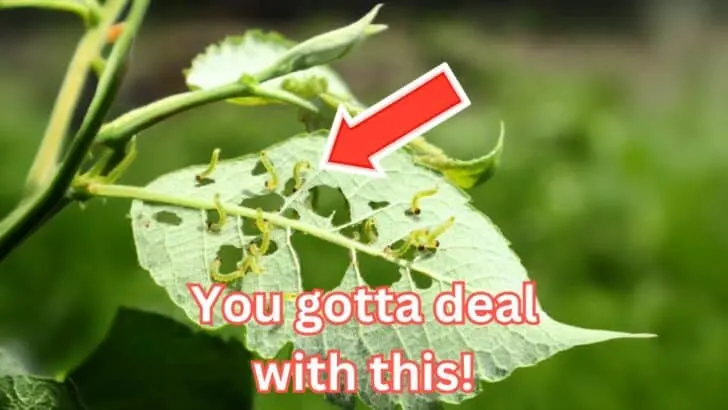
By late July, pests are basically in beast mode. Aphids, squash bugs, hornworms, and spider mites all know the clock is ticking, and they are eating like it’s their last summer buffet.
If you are not checking your plants daily right now, you might miss the start of an infestation. And once it takes hold, it spreads fast. A single tomato hornworm can strip an entire plant in one night. Aphids multiply like they are training for a marathon.
This is the moment to be ruthless. Daily checks. Manual squishing. Sprays if needed. A little attention right now will save your harvest in August.
🐛 Late Summer Pest Patrol
- Zones 3–5: Watch for cabbage worms on brassicas and flea beetles on eggplant.
- Zones 6–7: Tomato hornworms peak right now. Inspect stems and undersides of leaves.
- Zones 8–10: Whiteflies and spider mites thrive in the heat. Hose off leaves to reduce numbers.
- Pro tip: A single spray of neem oil in the early morning or evening helps keep populations under control without frying plants in the sun.
5. Letting Weeds Go “Just a Bit Longer”
It’s late July. It’s hot. You’re tired. And the weeds? They’re thriving. You look at that dandelion or that patch of crabgrass and think, “Eh, I’ll deal with it next week.”
Next week is too late. Right now, many weeds are flowering and setting seed. That means every plant you ignore today is about to launch a hundred tiny enemies into your garden for next year.
The longer you wait, the more you’ll regret it. One weedy weekend in August turns into a full-blown invasion by spring. Don’t give them that head start.
🌾 Weed Now, Rest Later
- Focus areas: Garden edges, fence lines, and anywhere weeds are starting to flower.
- Zone 3–5: Pull weeds before early August to prevent seed drop during your shorter growing season.
- Zone 6–7: You have about two weeks left before seedheads mature. Don’t wait.
- Zone 8–10: Year-round weeding is your reality, but now’s the time to stop warm-season weeds from reseeding.
- Pro tip: Don’t compost seed heads. Bag them or burn them if local rules allow.
6. Transplanting Without Shade or Mulch
Moving plants in late July is risky enough. Doing it without shade or mulch is like tossing them into a frying pan and hoping for the best.
Transplants are fragile. Their roots get disturbed, their leaves get stressed, and if they’re exposed to blazing sun and dry soil, they usually flop. Sometimes for good.
The problem isn’t just the heat. Bare soil heats up fast and loses moisture even faster. That combo fries tender roots before they get a chance to settle in.
🌱 Safe Transplanting Tips
- Always water deeply: Before and after planting. Roots need immediate access to moisture.
- Use shade cloth: Drape a light cover over new transplants for 3 to 5 days.
- Apply mulch: Two inches of organic mulch keeps soil cooler and moist longer.
- Zones 3–5: Try to transplant in the evening or on a cloudy day to avoid stress.
- Zones 6–10: Stick to early morning transplants and avoid any midday work. Your plants are already sweating.
7. Skipping the Deadheading
Your flowers look fine. A little tired maybe, but still blooming. You figure you’ll let them be. But here’s the thing. If you don’t deadhead them now, you’re basically telling them to quit.
Most flowering plants want to make seeds. Once they think they’ve succeeded, they shut down. Stop blooming. Go to seed. Call it a season. But if you remove those spent blooms, they panic and push out more flowers to try again.
Late July deadheading can trigger one last flush of color before things start winding down. It’s a five-minute job with a big payoff.
🌸 Deadheading Do’s
- Cut just above a leaf node: This encourages bushier regrowth and stronger stems.
- Focus on: Zinnias, coneflowers, marigolds, salvia, cosmos, and geraniums.
- Zones 3–5: Do it now to catch the last big bloom before fall frost prep begins.
- Zones 6–10: You have more time, but deadheading still boosts flower production into late summer.
- Pro tip: Clean your pruners between plants to avoid spreading disease.
8. Leaving the Soil Bare
You pulled out some lettuce. Maybe the peas finished. Now there’s an empty patch of soil just sitting there. You figure it can wait. Spoiler: it can’t.
Bare soil is an open invitation. Weeds, erosion, moisture loss, compaction. Nothing good shows up when the ground is left uncovered in the heat of summer.
The sun bakes it. The rain, when it finally comes, runs right off. And your next planting? It struggles to take hold because the soil is already worn out.
🛡️ Keep Soil Covered
- Use mulch: Straw, wood chips, or grass clippings will protect the surface and lock in moisture.
- Try a cover crop: Buckwheat, clover, or mustard are great short-term options in Zones 6–10.
- Zone 3–5: If fall planting is still weeks away, mulch heavily or sow a quick cover crop now.
- Zone 8–10: Use mulch between summer crops and fall sowings. Avoid leaving soil bare for even a few days.
- Pro tip: Avoid plastic sheeting unless solarizing. Organic cover keeps soil biology active.
9. Thinking It’s Too Late to Plant Anything
It’s late July. The garden feels like it’s peaking. You might think planting season is over. It’s not. In fact, this is one of the best windows for fall crops, if you time it right.
Plenty of vegetables thrive when the days get shorter and the nights cool down. Fast growers like radishes and bush beans are still fair game. Root crops like carrots and beets? Totally doable in many zones. Even some flowers will bloom again if you plant now.
The key is knowing your first frost date and counting backward. If it matures in 60 days or less, you still have time.
📅 What You Can Still Plant by Zone
- Zone 3: Stick to quick crops like radishes, arugula, and spinach under row cover. Start indoors for faster growth.
- Zone 4: Sow turnips, mustard greens, radishes, and fast lettuce now. Cover at night if temps dip early.
- Zone 5: Carrots, beets, kale, Swiss chard, and bush beans can still go in. Choose 50 to 60 day varieties.
- Zone 6: Direct sow peas, bush beans, scallions, and fall lettuces. Plant a second round of zucchini if desired.
- Zone 7: Cucumbers, basil, okra, and summer squash are still on the table. Start cool-season seeds indoors by early August.
- Zone 8: Begin fall crops like broccoli, cauliflower, and cabbage indoors. Outdoors, plant more beans and southern peas.
- Zone 9–10: It’s hot but you’ve got time. Sow basil, bush beans, cucumbers, and pumpkins for a late harvest.
Pro tip: Use shade cloth or light mulch to protect seedlings from harsh sun during germination. Water early in the day to reduce heat stress.
Let August Catch You Looking Smart
There’s a weird magic to late summer gardening. You’re still deep in tomato season, but the shadows are getting longer. The plants know what’s coming, even if you’re not ready to admit it yet.
This isn’t the time for autopilot. Every little decision you make now sets up what your garden will look like in September, October, and even next spring. Pull weeds before they seed. Stop feeding the plants that need to rest. And don’t fall for the myth that it’s too late to grow anything new.
Gardening isn’t just about what you plant. It’s about what you don’t do. And this week, the smartest move might just be stepping back, grabbing the clippers, and resisting the urge to fertilize one more time.
Let the garden slow down. But don’t let it fall apart.
🌿 Key Takeaways
- ❌ Stop fertilizing perennials after July. New growth now will just get zapped later.
- 💧 Morning watering is safest. Evening moisture leads to mildew and root rot.
- 🌱 Transplants need shade and mulch or they’ll crisp before they root.
- 🌸 Deadhead your summer bloomers for one last glorious flush of color.
- 🐛 Check daily for pests. Hornworms, aphids, and mites are on the move right now.
- 🪴 Bare soil is a mistake. Cover it with mulch or a fast cover crop to protect it.
- 🌾 Weeds going to seed now are next year’s problem. Yank them before they spread.
- 🥕 You can still plant fall crops if you act fast. Timing is everything.
Daniel has been a plant enthusiast for over 20 years. He owns hundreds of houseplants and prepares for the chili growing seasons yearly with great anticipation. His favorite plants are plant species in the Araceae family, such as Monstera, Philodendron, and Anthurium. He also loves gardening and is growing hot peppers, tomatoes, and many more vegetables.