


The garden’s getting tired. The sun’s been harsh, the bugs have been rude, and half your plants look like they’ve seen things. Maybe you’re running out of space. Maybe you’re just curious if that weird little back corner of your garage could be more than a junk drawer for tools and regrets.
It turns out, it can.
No, you’re not going to grow corn in the dark or harvest melons on top of your lawnmower. But with a little creativity — and possibly a grow light or two — your garage can turn into something unexpected: a quiet, productive, even impressive little growing zone.
We’re breaking down what actually grows in low light, what needs some extra help, and how to keep it all alive without turning your garage into a full-blown greenhouse. Don’t expect magic. But do expect mushrooms, mint, and maybe even a few strawberries.
1. First, What Counts as a “Garage Garden”?


It’s not a greenhouse. It’s not a sunroom. It’s a concrete box with a rake in the corner and a weird smell you’ve been ignoring for months. But it can still grow stuff.
Most garages are dark, dry, and swing wildly between hot and cold. Some are insulated. Some have windows. Most don’t. And almost none of them were designed for living things. But with the right expectations and a few tricks, your garage can pull off more than just tool storage and half-finished projects.
The key is figuring out what kind of garage you have — and what kind of plants are tough enough to survive in it.
2. What Grows Without Light? (The “Set-and-Forget” Zone)


This is as close as gardening gets to magic. No sun, no grow lights, no daily check-ins. Just a shady corner and a little warmth.
Mushrooms are the top pick. They love dark, damp, ignored spaces. Grab a kit, follow the steps, and walk away. You’ll be eating fungi before you’ve even thought about watering.
Ginger doesn’t need much either. It’ll sit happily in a pot with some half-decent soil, as long as it stays warm. It won’t be fast, but it works.
Turmeric is ginger’s chill cousin. Same deal. Pot it up, keep it cozy, and forget about it until it starts pushing out shoots.
Important: These all need steady warmth. If your garage freezes at night, it’s a no-go. But if you’ve got a spot that stays above 60°F, you’re in business.
🍄 Best “No-Light” Varieties for the Garage
- 🍄 Oyster Mushrooms: Thrive in low-oxygen, dim conditions. Fast-growing and forgiving.
- 🍄 Lion’s Mane: Perfect for kits. Loves humidity and shadows — and it’s weirdly meaty.
- 🌱 Baby Ginger (Zingiber officinale): Tender, quick to sprout, and happy in warm, dappled spots.
- 🌿 Indira Yellow Turmeric: Compact, reliable, and easier for beginners in pots.
Pro Tip: Use breathable containers for mushrooms (like grow bags or plastic bins with holes), and choose wide, shallow pots for ginger and turmeric to give rhizomes room to spread.
3. What Needs Just a Little Help? (Low-Light Tolerant Picks)

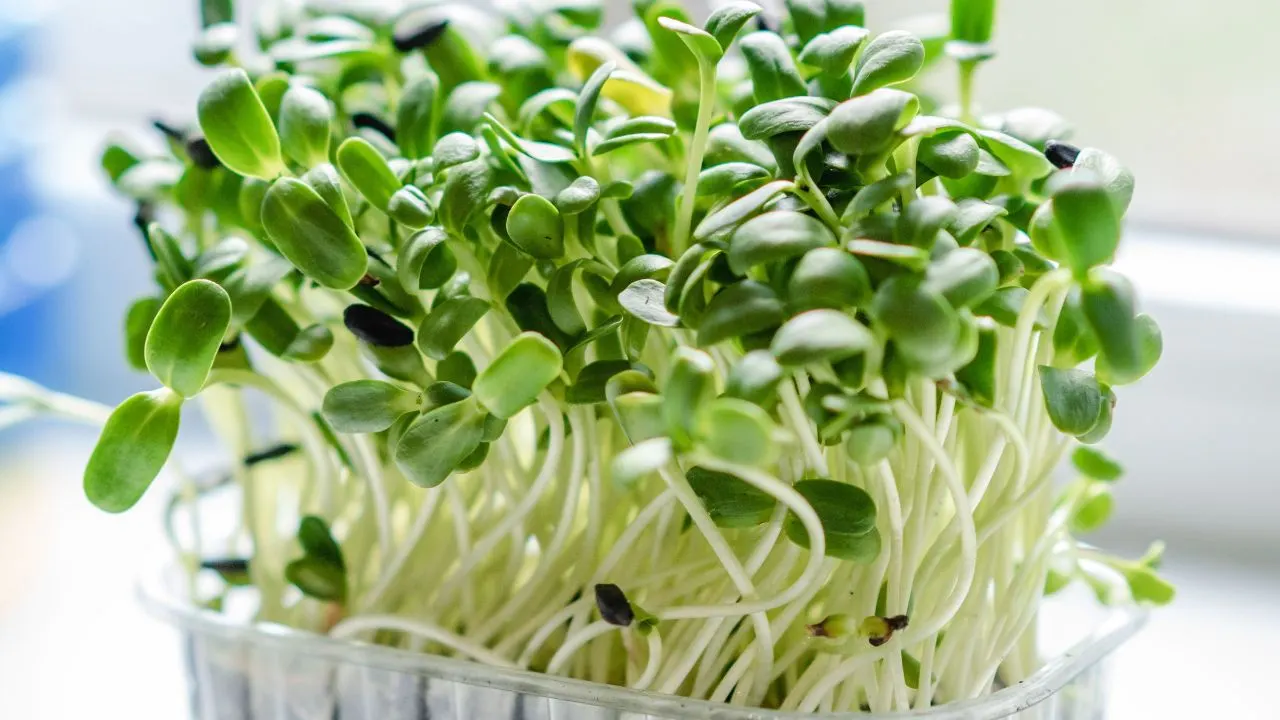
Some plants aren’t total drama queens. They won’t demand full sun or throw a fit if the light’s weak. They just want a little support. A bulb. A mirror. A white wall. Give them that, and they’ll try their best.
Mint is basically the cockroach of the herb world. You can plant it in a shoe, and it’ll still grow. It doesn’t need much light, just a pot and the occasional sip of water. Keep it contained unless you want it everywhere.
Lettuce is more delicate, but not picky. It will grow in a garage with just a reflective surface and a cheap LED bulb. You won’t get giant heads, but baby leaves are still a win.
Microgreens are the cheat code. Fast, flexible, and perfect for tight spaces. Sprinkle seeds, mist daily, harvest in a week. You don’t need a grow light. But it helps.
Bottom line: if your garage has a window, you’re already halfway there. If not, grab a clamp light and a daylight bulb. No fancy gear needed.
🪴 Low-Light Garage Garden Tricks
- 🪞 Reflective walls: White paint or mirrors bounce light to shady spots.
- 💡 Basic bulb hack: A 6500K daylight LED works better than you’d think.
- 🧂 Microgreen trays: Repurpose takeout containers with drainage holes.
- 🥬 Rotate crops: Harvest fast, replant often to stay productive.
- 🚿 Mist regularly: Especially for microgreens and lettuce starts.
4. What Needs Real Light Support? (Only with Grow Lights)

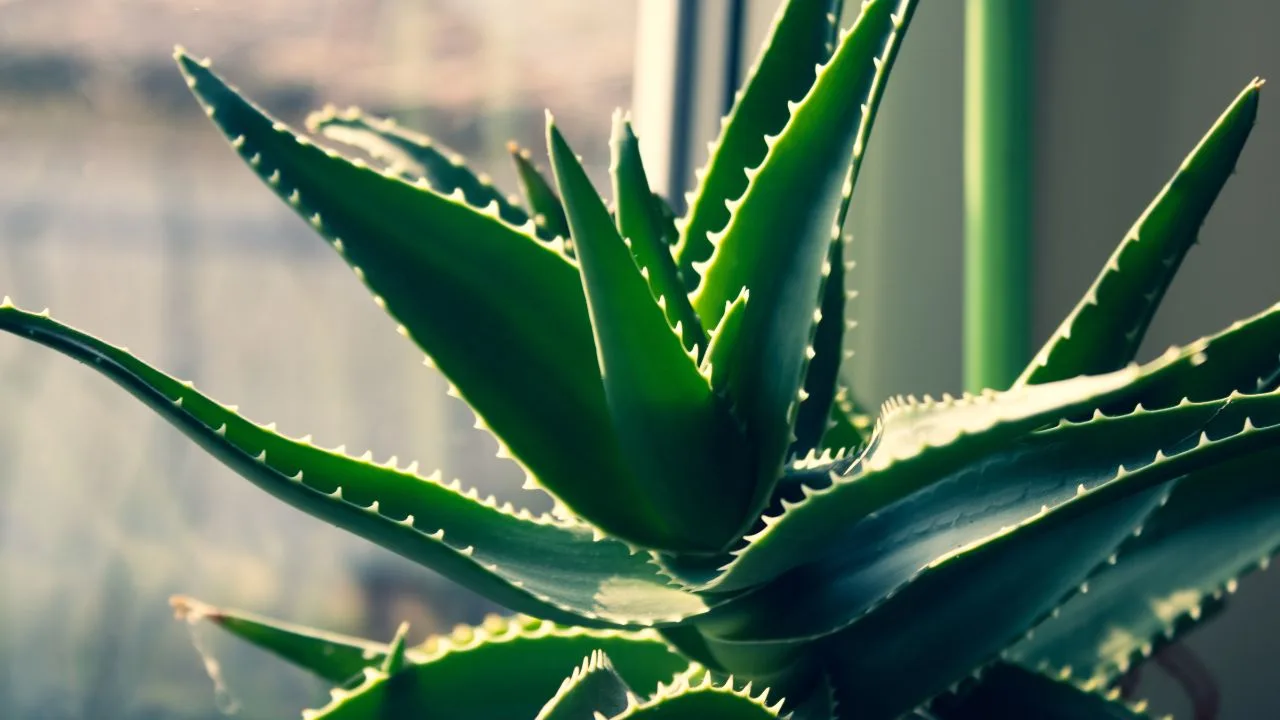
This is where things get serious. These plants will not do much in a dark corner or with a little window light. They need real, consistent light. Strong LEDs, timers, and a dedicated setup. If you give them what they need, they can still thrive — even in a garage.
These are your high-maintenance tenants. You do not need a professional rig, but you do need to stick with it. Light, warmth, airflow, and a little discipline go a long way. And once the strawberries bloom or the peppers fruit, it all feels worth it.
💡 Plants That Need Serious Light
- 🌿 Basil: Needs 12 to 14 hours of strong light to stay lush.
- 🍓 Strawberries: Photoperiod-sensitive. Will not fruit without full-spectrum light.
- 🪴 Aloe Vera: Sun-lover that struggles in shade. Needs warmth and space.
- 🌶️ Chili Peppers: Grow in five-gallon buckets with a bright, steady light source.
Setup Tip: Full-spectrum LED grow lights with automatic timers make this surprisingly hands-off. Keep lights 6 to 12 inches above plants and adjust as they grow.
5. What Setups Actually Work?

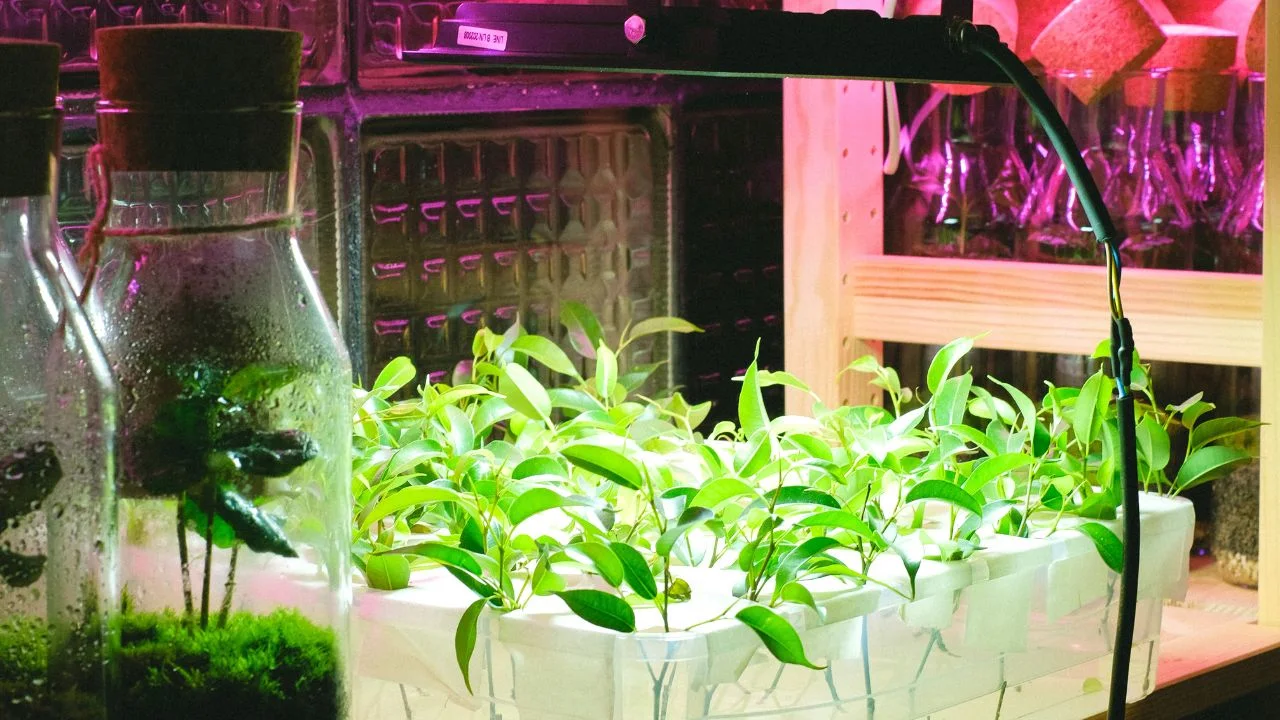
Garage gardening is not one-size-fits-all. Your setup depends on your space, your budget, and how much time you want to spend tinkering with lights and timers. You can keep it dead simple or go full mad scientist. What matters is matching your setup to your ambition — not the other way around.
If you’re just dabbling, one grow light and a shelf might be all you need. If you’re chasing strawberries in winter, it’s time for a light timer, heating mat, and a bit of planning. Either way, this is about working with what you have and building slowly from there.
🛠️ Setup Levels That Actually Work
- 💸 Budget Option: Mushrooms or ginger in a pot. No lights, just patience.
- 💡 Basic Setup: One LED grow light, a shelf, and a few starter plants like mint or microgreens.
- 🚀 All-In Garage Garden: Grow lights, heating mats, fans, shelves, and maybe even hydroponics.
Build Tip: Start small and test one setup before scaling up. This keeps costs down and helps you learn fast.
6. What to Watch Out For
Even a cozy garage setup can turn hostile if you’re not paying attention. Air gets stale. Moisture builds up. Light cycles get messed up when the bulb burns out and you forget to replace it. It doesn’t take long for your garage Eden to turn into a moldy graveyard of good intentions.
The biggest threats? Poor airflow, unexpected cold snaps, and plain old neglect. Plants in a garage don’t get rain or sun reminders. If you forget to check in, they’re out of luck. A simple fan, a cheap thermometer, and a weekly routine can make all the difference.
🚨 Common Garage Garden Fails
- 🌫️ Stale Air: Leads to mildew and rot. Use a small fan.
- ❄️ Cold Snaps: Can kill tropical plants overnight. Monitor with a cheap thermostat.
- 🚿 Forgetting to Water: There’s no rain in here. Set a reminder.
Pro Tip: Keep a humidity gauge and check it weekly. A $5 tool can save your entire setup.
7. Is It Worth It?
If you’re expecting tropical blooms and baskets of fruit, you might be in for disappointment. But if your goal is a steady trickle of fresh herbs, a few surprise mushrooms, or just the smug satisfaction of growing lettuce near a snow shovel, then yes, it’s worth it.
A garage garden won’t replace your backyard, but it can stretch your season and keep you growing when everything outside is frozen or fried. Start small. Celebrate wins. And remind yourself that even one homegrown leaf of mint in your tea is already a victory.
🌱 Why Garage Gardening Pays Off
- 🍄 Mushrooms: Easy wins with big flavor.
- 🌿 Herbs: Keep tea and dinner interesting all year.
- 🧠 Skill Building: Learn to manage light, air, and timing in a small space.
Low on space? Even one shelf can become a mini greenhouse with a grow light and a watering can.
This Isn’t Just Gardening. It’s Hustling with Plants.
Not every garden needs birdsong and bees. Some just need a plug socket and a little grit. If your yard is toast, your porch is full, or your schedule is packed tighter than a seed tray in spring, a garage garden might be your quiet win. No one needs to know it’s next to a snow blower.
Start with what works. Tinker. Fail a little. Then make tea with your own mint and watch it feel like magic. You don’t need acres. You just need one corner that belongs to you and something green trying its best inside it.
🌿 Key Takeaways
- 🏚️ Most garages are low-light and not climate-controlled, which limits your plant choices.
- 🍄 Mushrooms, ginger, and turmeric thrive in dark conditions if the space stays warm.
- 🌿 Mint and microgreens tolerate low light and can grow with just basic support.
- 💡 Full-spectrum grow lights open the door to light-hungry plants like basil or strawberries.
- 📦 Garage gardening setups can be as simple as a pot on a shelf or as complex as a hydroponic system.
- 🔍 Watch for temperature swings and airflow issues to keep plants alive and thriving.


Daniel has been a plant enthusiast for over 20 years. He owns hundreds of houseplants and prepares for the chili growing seasons yearly with great anticipation. His favorite plants are plant species in the Araceae family, such as Monstera, Philodendron, and Anthurium. He also loves gardening and is growing hot peppers, tomatoes, and many more vegetables.