

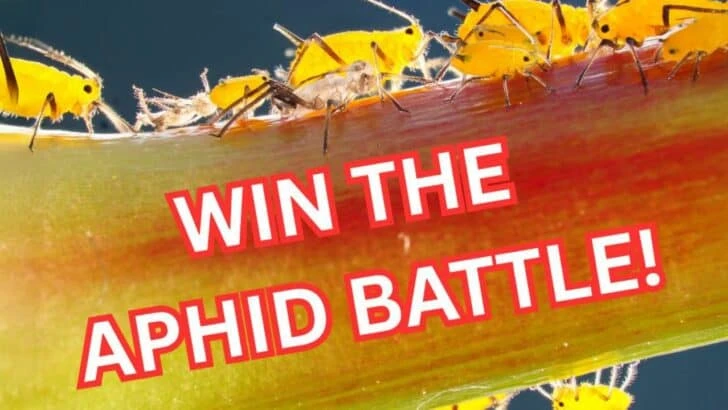
You thought you were in the clear. The worst of the heat passed. The leaves perked up. The tomatoes stopped sulking. For once, the garden seemed to be on your side. Then something changed. The new leaves came in curled. Sticky. Strange. You leaned in, squinted, and there they were. Dozens of them. Hundreds. Tiny dots with legs and an agenda.
Aphids.
They’re not subtle, and they’re not slowing down. August is when they go all in. If you wait, you lose. If you act now, you might still win. This is what they’re doing. This is what they want. And this is how to stop them before they take everything.
1. Why Now?

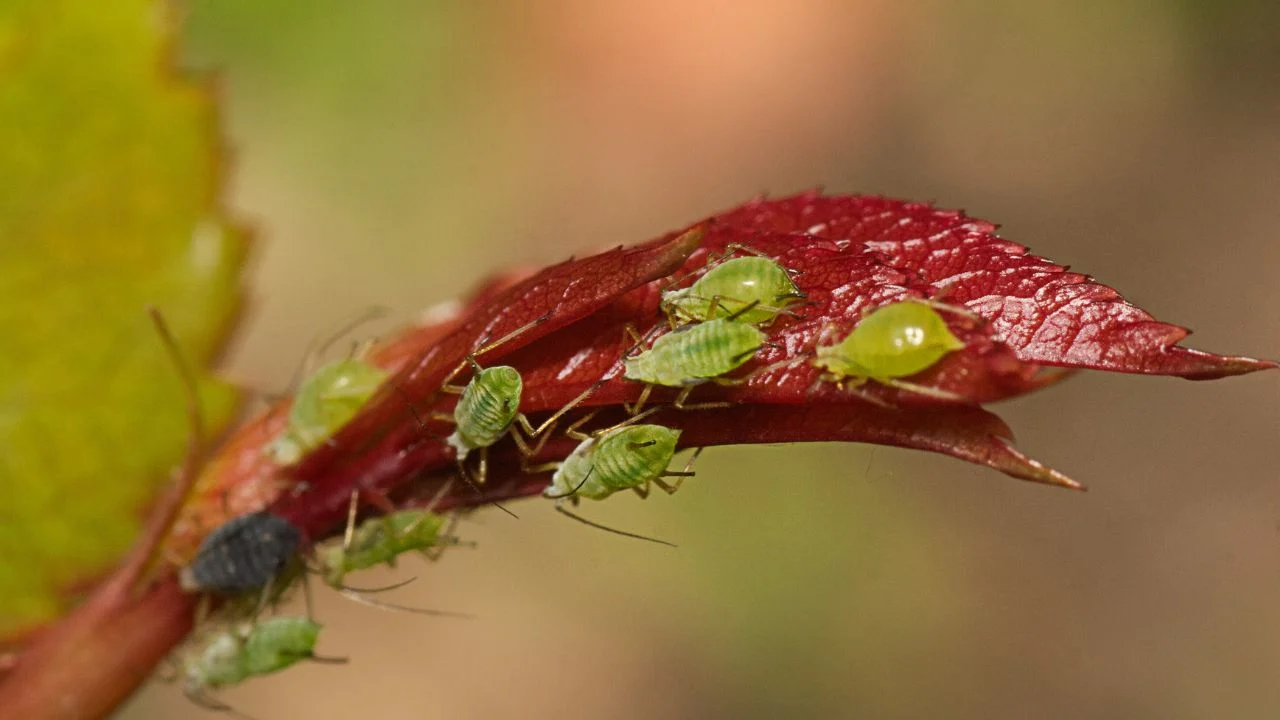
It’s not your imagination. Aphids really do show up harder in August.
Your plants are stressed from weeks of heat. Their defenses are down. Their new growth is soft, juicy, and easy to pierce. To aphids, that’s a buffet.
They love dry weather, mild nights, and worn-out plants that no longer have the energy to fight. And while you were focused on mildew and wilting tomatoes, the aphids moved in without asking.
By now, they’re not just visiting. They’re starting families.
🔁 Why They Multiply So Fast
- No need for mates: Many aphids are born pregnant. One turns into hundreds in days.
- They clone themselves: Reproduction is basically copy-paste.
- They hide well: Undersides of leaves, new shoots, and flower buds are their favorite hiding spots.
If you spot a few aphids now, you’re not early. You’re already late. But it’s still possible to get ahead — if you act today.
2. What to Look For

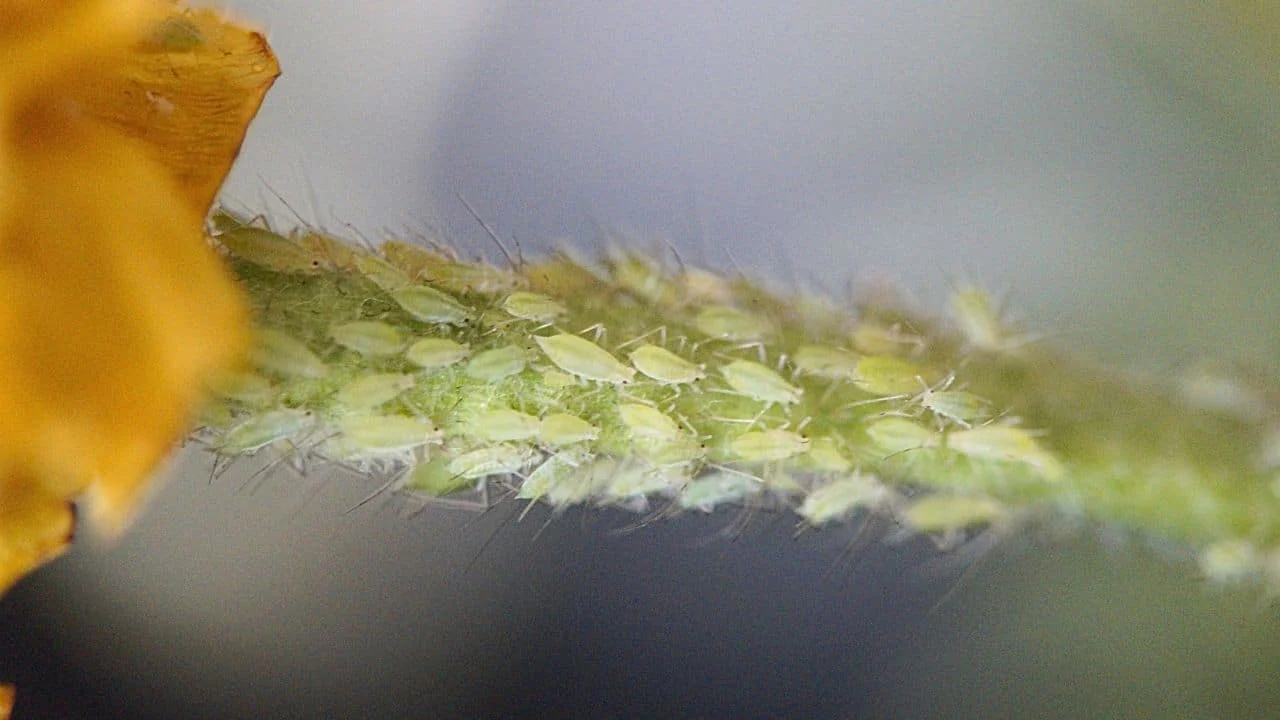
Aphids don’t usually announce themselves. They slip in, settle down, and start draining your plants before you even realize anything’s wrong.
By the time you notice the damage, they’ve already made themselves comfortable. But if you know what to look for, you can catch them before they turn a small problem into a full infestation.
- Curled, deformed leaves
- Sticky residue (called honeydew)
- Sooty black mold growing on that residue
- Ants farming them like livestock
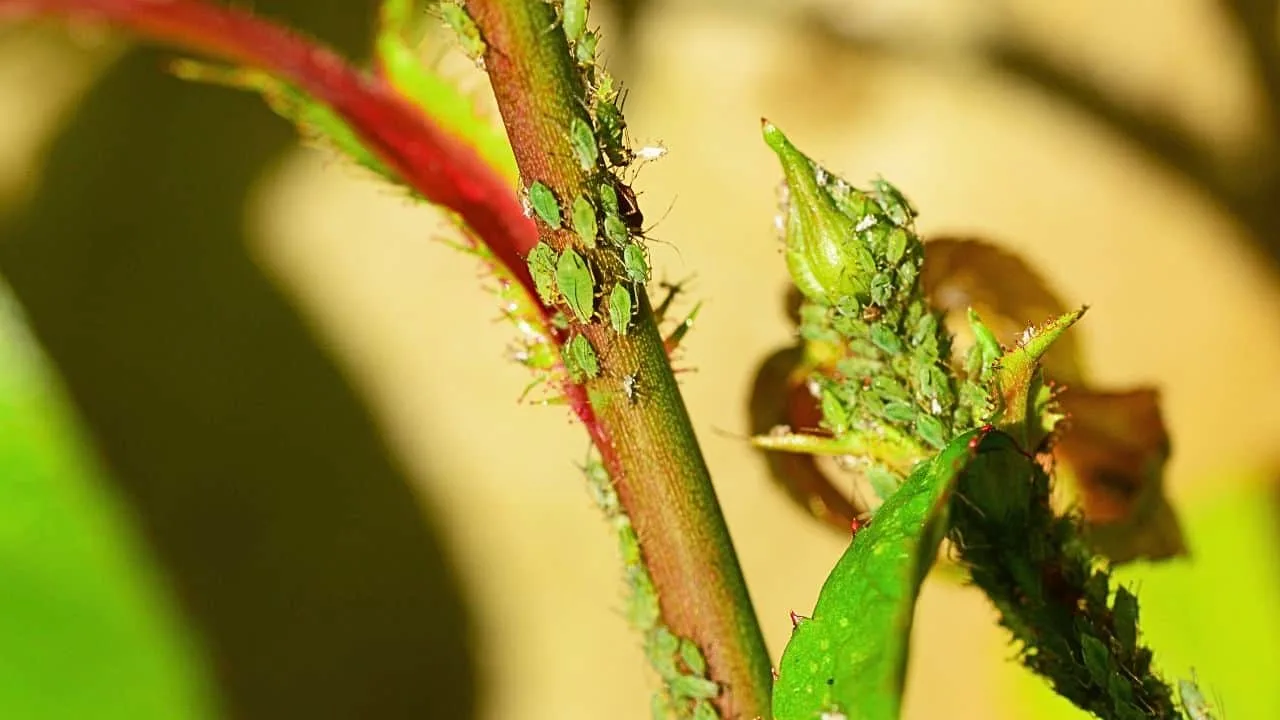
- Tiny clusters of bugs along stems and leaf undersides
They come in green, black, white, yellow, even pink. Sometimes they change color on the same plant. It’s like they’re trying to gaslight you.
👁️ Quick Detection Tip
- Check new growth first: Aphids love fresh, tender leaves and stems.
- Flip leaves over: They hide underneath, out of sight and out of reach.
- Look for ants: If ants are climbing your plants, they’re probably guarding aphids.
Early morning is the best time to inspect. The light’s soft, the bugs are slow, and you’ll catch them before they spread further.
3. Which Plants Are at Risk?

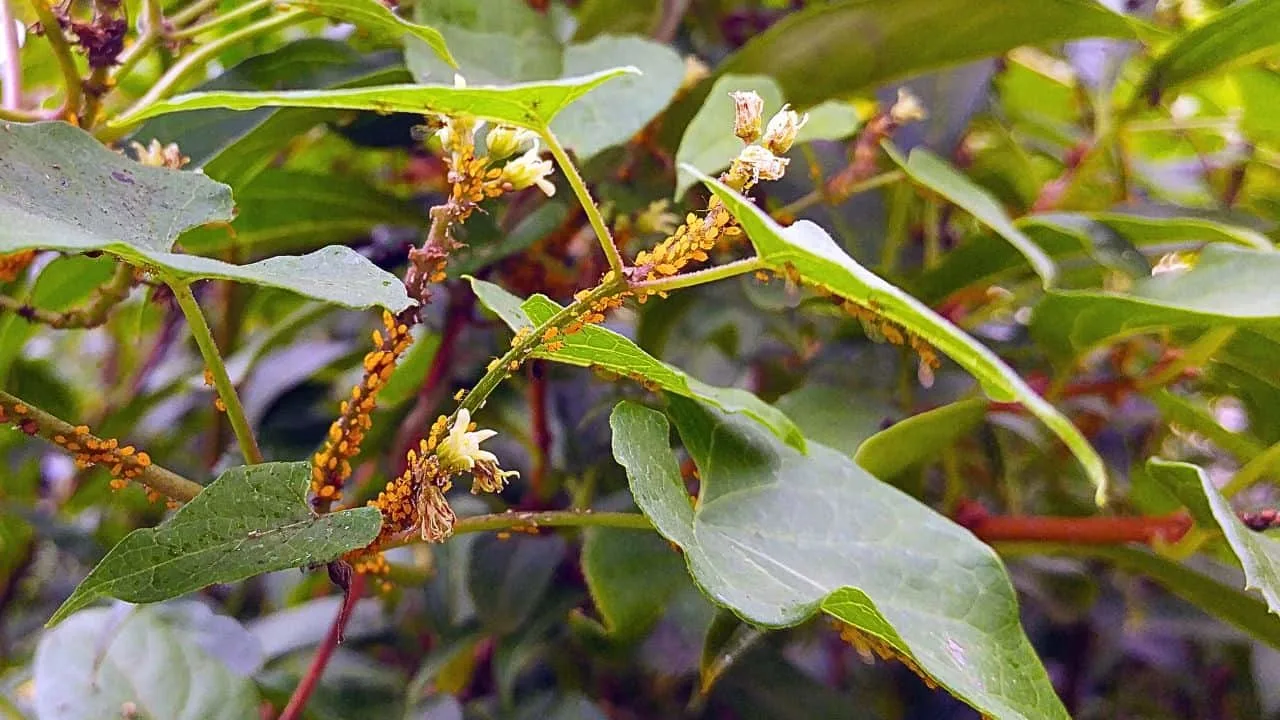
Aphids aren’t picky. If it’s green and growing, they’re interested. But some plants are practically aphid bait this time of year.
Anything soft, leafy, or stressed is fair game. And the more tender the growth, the faster they’ll show up. These are the ones you need to watch first:
- Kale, collards, and mustard greens
- Tomatoes and peppers
- Beans (especially the juicy tips)
- Nasturtiums — which attract aphids so reliably they’re often used as traps
- New transplants or any plant that’s recovering from heat or drought
If your plant has soft new growth and looks a little worn out from summer — chances are the aphids have already noticed.
📌 Trap Crops You Can Use
- Nasturtiums: Plant a few away from your veggies. Aphids will flock to them first.
- Sunflowers: Aphids love them, and so do ladybugs. Great for distraction and biological control.
- Bok choy: Sacrifice one to save the rest. Works especially well in fall gardens.
Use trap crops as decoys, then spray or remove them before aphids can migrate. It’s sacrificial gardening, and it works.
4. What Actually Works Against Them

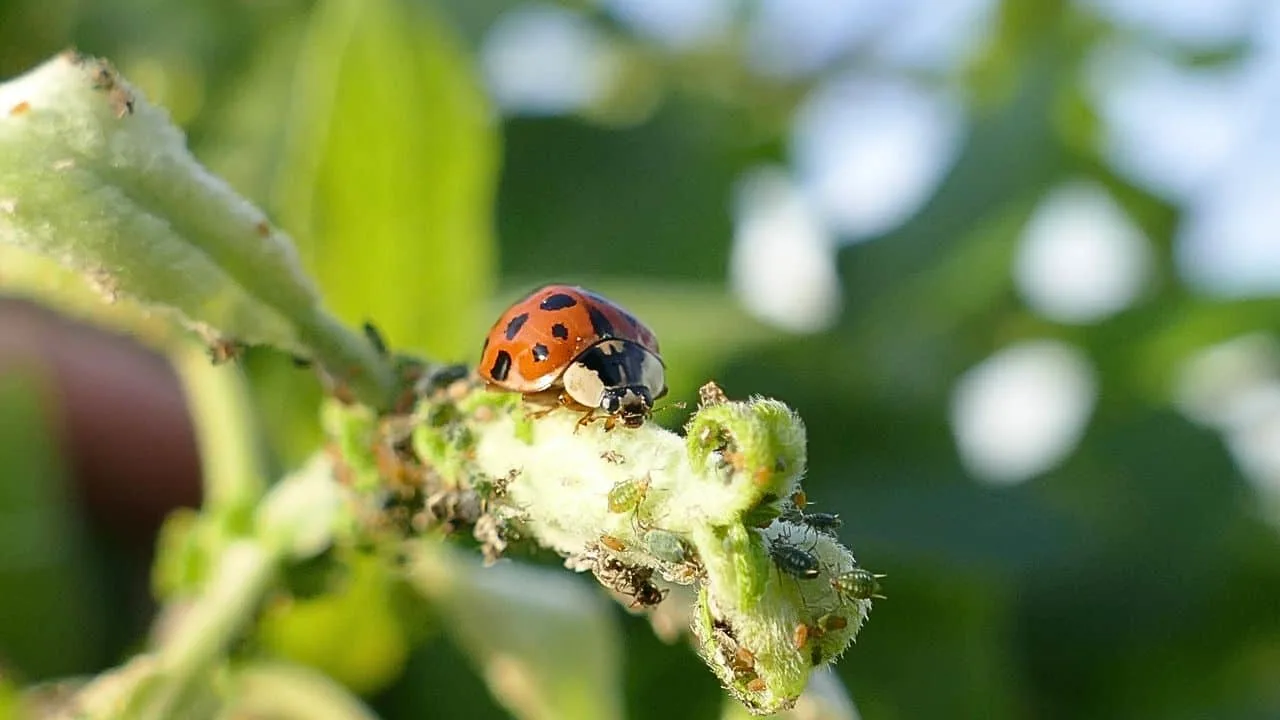
You don’t need a chemistry degree or a voodoo spray recipe to beat aphids. You just need to be consistent, blunt, and a little ruthless.
They’re soft-bodied, slow-moving, and not exactly built for war. But they make up for it in numbers. You’re not trying to kill every last one. You’re trying to throw off their rhythm before they take over.
- Blast with water: A strong spray knocks them off. Most won’t climb back.
- Neem oil or insecticidal soap: Coat leaf undersides in the early morning or evening.
- Ladybugs or lacewings: Buy them or invite them. Either way, they’ll snack nonstop.
- Cut back infested parts: If it’s covered, prune it. Aphids love overcrowded plants.
You don’t need to be nice. You just need to be thorough. Aphids don’t take hints — they need consequences.
🧴 Spray Tips That Actually Help
- Spray in the morning or evening: Avoid mid-day heat to prevent leaf burn.
- Reapply after rain: Most natural sprays rinse off easily.
- Target the undersides: That’s where aphids cluster and hide.
Skip the harsh chemical sprays. They’ll kill beneficial insects, leave residues, and often backfire by wiping out natural predators.
How to Prevent the Next Wave

Even if you clear every aphid today, they’ll be back next week if the conditions still invite them.
Prevention is less dramatic than squishing bugs, but it works better. It starts with making your garden less of a soft target. That means fewer weak plants, fewer hiding spots, and fewer reasons for aphids to settle in.
- Ease up on the fertilizer: Especially nitrogen. It makes tender new growth they love.
- Weed regularly: Aphids often start on weeds before jumping to your good stuff.
- Plant repellent herbs: Chives, mint, dill, and catnip all annoy aphids.
- Encourage predators: More flowers, fewer chemicals, more ladybugs. Let nature do some of the work.
Think of it like setting house rules. If your garden stays tough, clean, and well-defended, most pests will think twice before moving in.
🌼 Bonus Defense: Flower Power
- Yarrow, alyssum, and calendula: These bring in lacewings and hoverflies that eat aphids like popcorn.
- Let some herbs flower: Dill, cilantro, and fennel in bloom attract the good bugs.
- Interplant with care: Mix strong-scented herbs between vulnerable crops to confuse pests.
You don’t need a sterile garden. You need a balanced one. The more predators you attract, the less time you’ll spend fighting their food.
What to Do If They’ve Already Won
Some plants won’t make it. That’s the truth. If the stems are sticky, the leaves are black, and the bugs scatter every time you breathe — it’s okay to let that one go.
But don’t walk away from the whole garden. Cut your losses, clean it up, and get smart about the rest. Aphids don’t have staying power if you take away what they need. Weak plants, overgrowth, and silence — that’s how they win.
You’ve got the upper hand now. Keep it. Watch your plants, spray early, and let the predators move in. Aphids are sneaky. But you’re not new to this anymore.
They showed up late. You’re showing up ready.
🌿 Key Takeaways
- 🐜 August heat plus plant stress creates perfect aphid conditions.
- 👀 Look for curled leaves, sticky residue, and ants guarding clusters of bugs.
- 🌿 Nasturtiums, beans, and greens are top aphid targets right now.
- 💧 Use water blasts, neem oil, and pruning to disrupt infestations fast.
- 🌼 Plant herbs and flowers that attract lacewings and repel aphids.
- 🚫 Skip chemical sprays — they wipe out your best natural allies.


Daniel has been a plant enthusiast for over 20 years. He owns hundreds of houseplants and prepares for the chili growing seasons yearly with great anticipation. His favorite plants are plant species in the Araceae family, such as Monstera, Philodendron, and Anthurium. He also loves gardening and is growing hot peppers, tomatoes, and many more vegetables.