

When it comes to knowing exactly what to do in August, few explain it as clearly or as practically as The Millennial Gardener. Working in the heat of the Southeastern coast of North Carolina, he walks through the jobs that matter most right now, why they matter, and how to get them done before the season slips away.
This is not theory pulled from a gardening book. It is hands-on, dirt-under-the-nails advice from someone who is in the beds daily, dealing with split fruit after a storm, keeping birds off the figs, and finding space for one more quick crop before fall. Each tip is tied to what is actually happening in the garden this month.
We have pulled his most important points from the video and laid them out here so you can act while there is still time. Whether your goal is to stretch summer crops a little longer or get fall seedlings ready, this guide will help you finish August strong.
🌿 Key Takeaways
- 🍅 Remove split, cracked, and fallen fruit quickly to avoid pest surges
- 🕊️ Use netting and organza bags to protect ripening crops from birds and insects
- 🌽 Take advantage of the remaining warm days to plant fast-maturing crops
- 🥦 Start seeds indoors now for fall harvests, timing them for transplant in 6–8 weeks
- 💪 Keep working through August to maintain momentum and prevent late-season burnout
Clear Split Fruit Before It Breeds Trouble
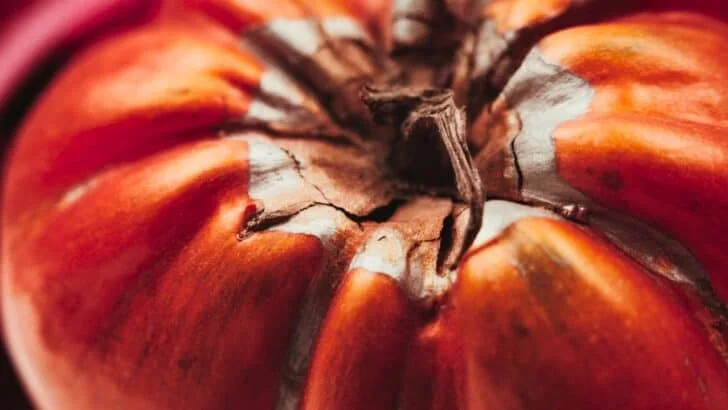
August plays dirty. Long dry spells followed by sudden heavy rain make fruit swell too fast and split. Tomatoes crack, peppers burst, figs drop early. It looks harmless until you notice the gnats, flies, and the first hornworm moving in.
The solution is quick. Walk your beds and remove anything cracked, split, or fallen. Do not leave it to rot. Fermenting fruit attracts pests that will feed, breed, and multiply while your plants are already stressed.
Check the forecast. If heavy rain is coming and your tomatoes are past the breaker stage, pick them early and let them finish ripening indoors. You save the harvest and avoid extra cleanup after the storm.
This is not just tidying up. It is pest prevention that will keep your garden healthier for the rest of the season.
🌿 Why This Step Matters
- 🧹 Remove cracked, split, and fallen fruit immediately
- 🐛 Rotting fruit attracts gnats, flies, hornworms, and stink bugs
- 🌧️ Harvest early before heavy rain to avoid splitting
- 🗑️ Discard badly infested fruit instead of composting
- 🔁 Clean beds reduce pest pressure for weeks to come
Protect Your Harvest Before It Disappears
One morning your grapevine is loaded. By the afternoon it is stripped clean. Birds, squirrels, and other hungry visitors know exactly when fruit is at its peak, and they do not wait for you to get there first.
The smartest move is to act before they do. Netting is the go-to solution for trees and large bushes. Bird netting draped over the canopy keeps most feathered thieves out, while insect netting can block both bugs and birds from getting in. For high-value fruit, small mesh organza bags slipped over individual figs, peaches, or clusters of grapes create an extra layer of defense.
Color matters too. Birds spot ripe fruit easily, so green organza bags can help camouflage them until you are ready to pick. It makes the fruit look unripe from a distance, reducing the chances of losing it the moment it starts to change color.
If you have larger pests like raccoons or possums, netting alone may not be enough. A sturdy fence around the bed or tree might be the only way to keep them out. The sooner you put barriers in place, the more of your harvest you will actually get to enjoy.
🌿 Smart Harvest Protection
- 🪢 Use bird or insect netting to cover trees and bushes
- 🎯 Protect high-value fruit with organza bags
- 🎨 Green bags help camouflage ripening fruit from birds
- 🦝 Fence off areas if larger animals are the problem
- ⏳ Put protections in place before fruit reaches peak ripeness
Plant a Late Summer Success Round
Just because August sits between summer and fall does not mean the planting season is over. In the video, the gardener behind the channel points out that most of us still have 80 to 100 days before the first frost. That is more than enough time to slip in a fast crop and keep the beds productive.
Think quick growers. Cucumbers, zucchini, string beans, peas, and fall potatoes all make the list. If your climate is still warm, even an early variety of corn can make it before the cold sets in. The trick is to stick with plants that mature in about 65 days or less, so they reach harvest while the weather is still on your side.
Seed germination is quick in August, so you will see green shoots in days rather than weeks. That speed means you can pull tired spring plants and have fresh ones ready to produce before the season ends.
It is an easy way to keep the garden working for you instead of letting it idle until fall crops take over.
🌿 Quick Crops to Plant Now
- 📅 Most regions have 80–100 frost-free days left in August
- 🥒 Plant fast crops like cucumbers, zucchini, beans, peas, and fall potatoes
- 🌽 Warm climates can squeeze in early corn varieties
- ⚡ August warmth speeds up germination for a quick start
- 🔁 Replant empty spots to keep beds productive
Start Planning Your Fall Garden Now
It might still feel like the peak of summer, but as the gardener in the video explains, fall success starts with what you do in August. Most crops you want for cooler weather need to be started 6 to 8 weeks before they move outside. That means this is the window to get them going.
What you plant indoors or directly in the beds depends on your location. In cooler areas, you can already start lettuce, kale, broccoli, cabbage, and cauliflower. Warmer regions should wait a bit on the cool-season greens but can still begin root crops like carrots, beets, and turnips, along with green onions and leeks.
The idea is to think ahead. If you start now, you will have healthy transplants ready to move outside right as the weather shifts. Skip this step and you will be stuck watching empty beds while others are pulling in baskets of fresh greens in October.
Planning now also keeps you active in the garden, which helps fight the late-summer burnout that makes many gardeners give up before fall even arrives.
🌿 Fall Prep Starts Here
- ⏳ Start fall crops 6–8 weeks before transplanting
- 🥬 Cool climates can begin leafy greens and brassicas now
- 🥕 Root crops like carrots, beets, and turnips can be sown in most zones
- 🧅 Green onions and leeks do well without long summer days
- 💡 Early planning prevents empty beds in fall
Keep Your Energy Up for the End of Summer
By August, the heat has worn a lot of gardeners down. The days are long, the weeds keep coming, and it can feel easier to let the garden coast. The Millennial Gardener makes it clear that if you let things slide now, you lose the momentum that makes fall gardening worth it.
The shift to cooler weather will come faster than you expect. When it does, you will be glad you kept planting, pruning, and preparing. A fall garden is not just about fresh harvests. It keeps you outside, moving, and connected to your space when the days start to shorten.
Many gardeners regret not planting a fall crop once cooler weather hits. They miss the chance to have fresh greens, roots, and herbs when the air is crisp. Staying active now means your beds will be full when others are winding down.
Think of it as an investment in both your garden and your own well-being. A little extra effort in August sets you up for a season that feels fresh instead of finished.
🌿 Stay in the Game
- 🌞 Avoid letting summer burnout stop your progress
- 🍂 Fall gardens keep you active and productive outdoors
- 🥗 Fresh greens and roots are possible well into autumn
- 🗓️ Consistent effort now pays off in cooler months
- 💪 Gardening supports both mental and physical health
Finish Strong and Enjoy the Season
The Millennial Gardener closes the video with a reminder to enjoy what is left of summer. It is tempting to wish for cooler days, but every week in August still offers sunlight, warmth, and growth. Letting the garden stall now means missing out on harvests you could be enjoying well into fall.
Keep the beds clean, protect what is ripening, and stay ahead with planting. The small daily actions matter more than big weekend bursts of work. If you keep the rhythm going, the garden will keep rewarding you.
He also points out that gardening through the seasonal shift is good for your own well-being. It gets you outside, keeps you moving, and gives you a reason to look forward to each day. When the first chill arrives, you will be glad you did not let August slip away.
End the season feeling satisfied instead of wishing you had done more. The choices you make now shape what you will be harvesting and enjoying in the weeks to come.
🌿 Ending August Right
- 🌞 Make the most of August warmth and sunlight
- 🧹 Small daily tasks keep the garden productive
- 🍅 Protect ripening crops from pests and weather
- 🏃 Stay active for physical and mental benefits
- 📅 Choices now determine your early fall harvest
Finish Strong
The Millennial Gardener ends with a simple point. Do not let August slip. Keep planting, keep protecting, and keep the beds in shape so the garden stays productive into fall.
Small tasks done now add up. Skip them and you lose harvests you could still be pulling in weeks from now.
Staying active in the garden is good for your plants and good for you. When the first cool days hit, you will be glad you kept going.
🌿 Last Push for the Season
- 🌞 Keep working through August to extend the season
- 🧹 Small, steady tasks prevent harvest loss
- 🍅 Protect crops so they make it to your table
- 💪 Gardening benefits both plants and gardener
Daniel has been a plant enthusiast for over 20 years. He owns hundreds of houseplants and prepares for the chili growing seasons yearly with great anticipation. His favorite plants are plant species in the Araceae family, such as Monstera, Philodendron, and Anthurium. He also loves gardening and is growing hot peppers, tomatoes, and many more vegetables.