

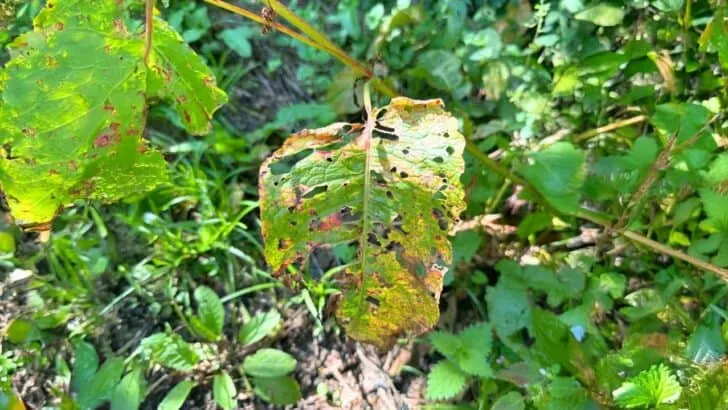
Something is wrong out here. The leaves are tired. Some wear spots like they have been through a fight. Others look chewed, as if a midnight snack thief passed by. The blooms slump for no reason, even though the soil feels just right. Your gut says trouble, but the question is what kind. Pests? Fungus? Both moving in without paying rent?
Guess wrong and you waste the season. Fight bugs when fungus is the real enemy and the leaves still rot. Treat for fungus when the problem is pests and the chewing never stops. The trick is to read the clues your plants are already shouting. Learn them once and you will know in minutes who the enemy is and how to end the siege.
1. The Damage Pattern

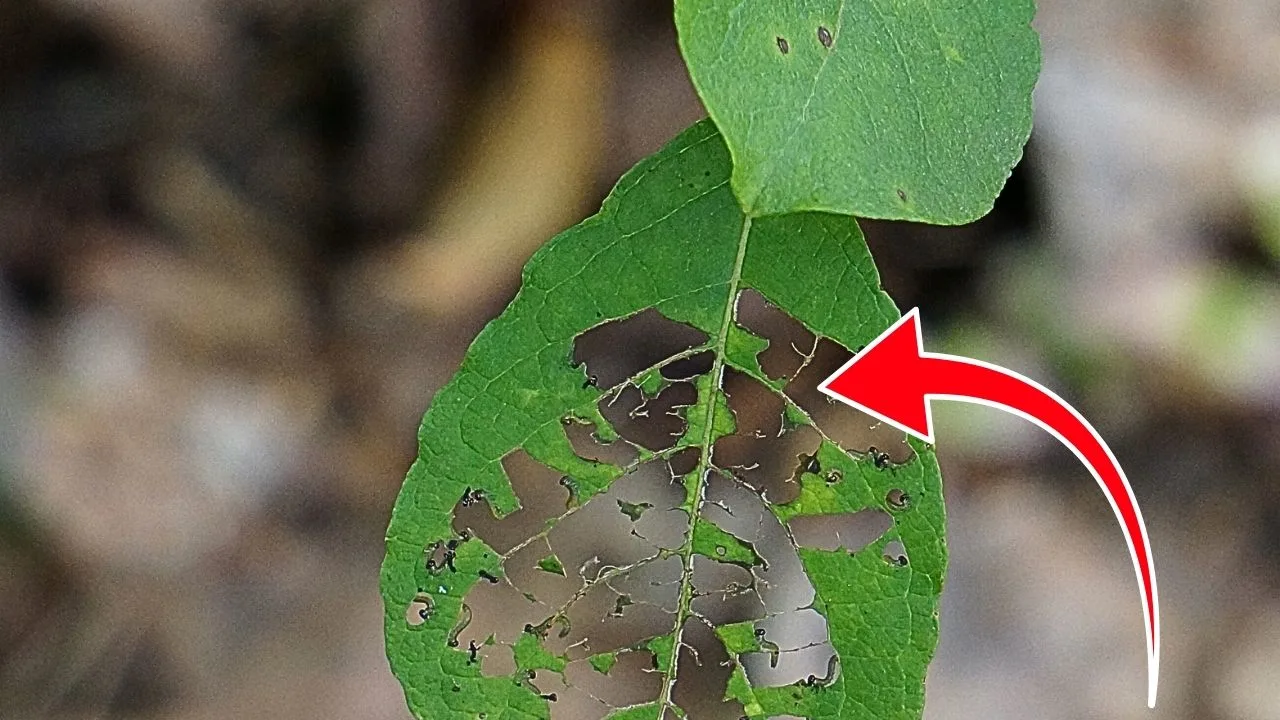
Pests leave their calling cards in the form of bites. The edges of leaves may be jagged, the centers may have neat little holes, and flower petals can look like they were nibbled in the night. Fungal diseases do not work that way. Instead of missing pieces, you will see spots, blotches, or a creeping change in color that spreads evenly. The surface of the leaf stays intact but the tissue underneath is changing.
This difference comes down to the culprit’s tools. Pests have chewing or piercing mouthparts that physically remove plant material. Fungus spreads cell by cell, creating a pattern that looks almost too uniform to be random.
- Check the edges first: Irregular, torn edges almost always point to insects, while smooth edges with spots are often fungal.
- Look for frass: Tiny black or green droppings near the damage are a sign of caterpillars or beetles.
- Texture matters: Fungal spots may feel slightly sunken or papery to the touch, while pest damage leaves ragged holes or missing tissue.
- Night patrol: Some pests like slugs and caterpillars feed after dark, so checking the garden with a flashlight can confirm your suspicions.
2. Location of the Problem

Where the trouble starts is one of the fastest ways to tell pests and fungus apart. Pests often target the softest, newest growth. Fresh leaves, tender stems, and flower buds are easier to pierce or chew, so insects tend to move in there first. Fungal diseases usually show up lower down on the plant, especially on older leaves. Those leaves are closer to damp soil, they get less air circulation, and they hold moisture longer after watering or rain.
This moisture creates perfect conditions for fungal spores to germinate. Shaded areas of the plant are also more at risk, as sunlight helps dry leaves and reduce fungal spread. If you see the problem starting from the top down, suspect pests. If it is starting from the bottom up, think fungus.
- Inspect new leaves daily: Early pest damage is easiest to stop before insects multiply.
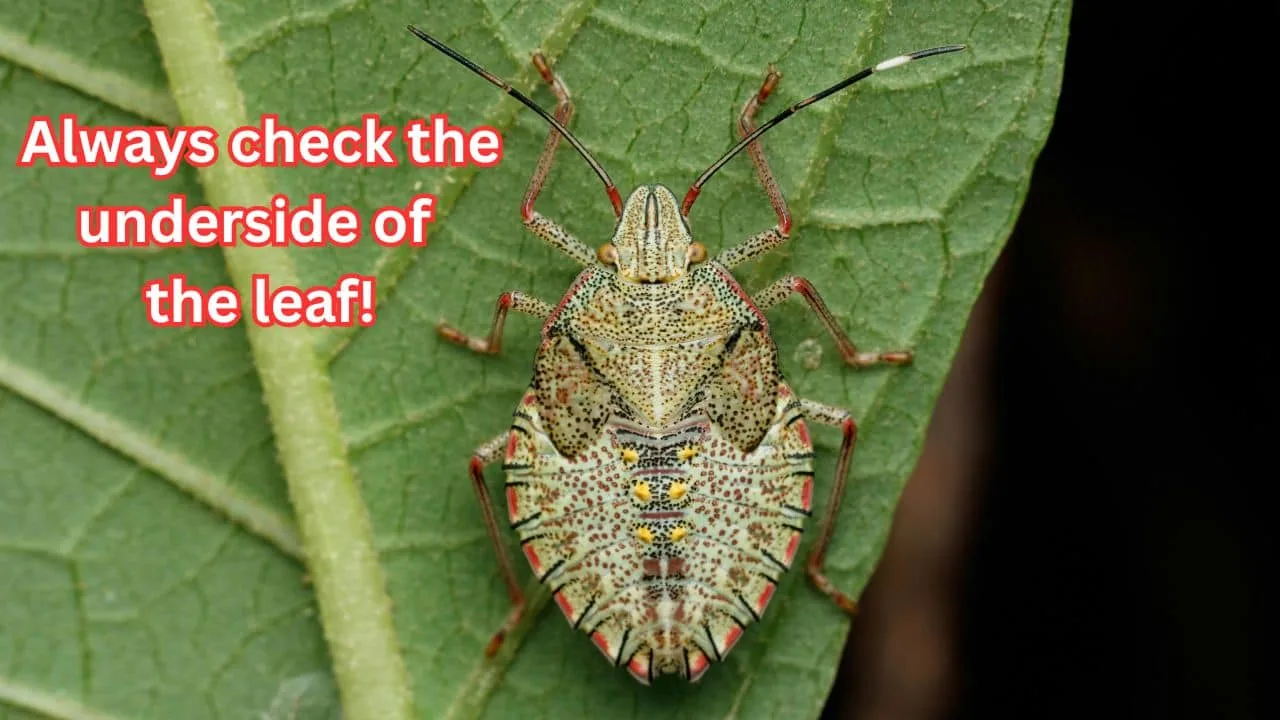
- Lift lower leaves: Many fungal spots hide on the undersides of older leaves where airflow is poor.
- Mind your watering: Water at the base of the plant rather than overhead to keep upper foliage dry and less inviting to fungus.
- Note plant spacing: Crowded plants hold more humidity, which can tip the scale toward fungal outbreaks.
3. The Moving Clue

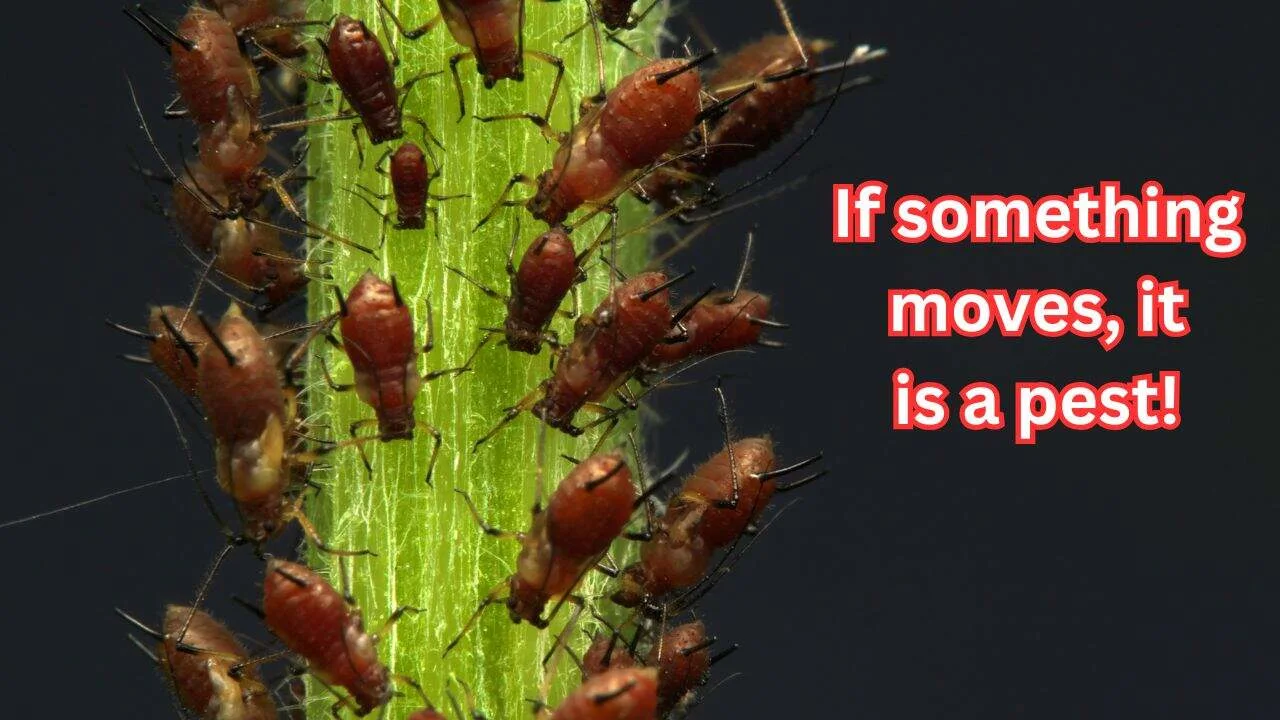
If you stare at the damaged area long enough and something actually moves, you are looking at pests. This is the simplest and most reliable clue of all. Many pests are tiny enough to escape notice at first glance, but a few seconds of patience can reveal them in action. Aphids shuffle slowly along stems, spider mites crawl like dust with legs, and thrips scuttle between leaf veins.
You can make the job easier with a magnifying glass or by using your phone’s camera in macro mode. Sometimes movement is subtle, like a flick of antennae or the twitch of a wing. Once you spot a living creature, you have your answer, and it is time to think about control methods that match the exact pest you find.
- Use a white background: Hold a piece of white paper behind the leaf to make tiny moving insects easier to see.
- Check in early morning: Many pests are slower and easier to spot before the day warms up.
- Video mode works too: Recording for 30 seconds can help you spot motion you missed in real time.
- Watch the stems: Not all pests hang out on leaves. Some hide along or under the main stem where they blend in with the plant’s color.
4. The Moisture Factor
Fungal diseases thrive when the air is damp, the soil stays soggy, and the leaves never quite dry. If you notice problems after a stretch of rainy days, heavy dew, or frequent overhead watering, fungus is a prime suspect. The combination of moisture and warmth creates perfect conditions for spores to germinate and spread.
Pests, on the other hand, can show up in both dry and wet weather. While some like aphids enjoy soft new growth after rain, many pests do just fine during drought. If your plant’s trouble appears right after a humid spell, overwatering, or poor airflow around the foliage, the odds lean heavily toward a fungal outbreak.
- Morning checks matter: Look for leaves that are still wet by mid-morning. That lingering moisture can invite trouble.
- Space plants wisely: Crowded plants trap humidity and reduce airflow, which is exactly what fungus likes.
- Water at soil level: Keeping leaves dry is one of the simplest ways to reduce fungal spread.
- Track weather patterns: After three or more humid days in a row, inspect vulnerable plants for early signs of disease.
5. The Smear or Shake Test

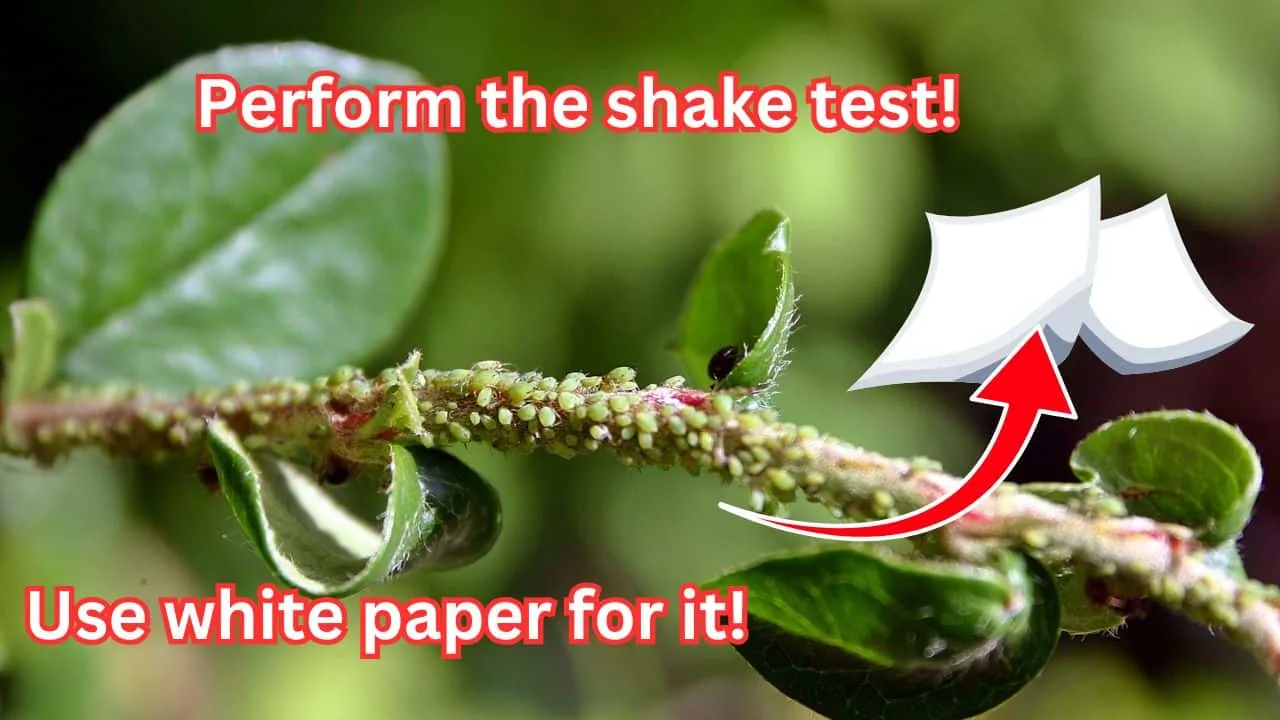
Sometimes the fastest way to tell if you have pests or a fungal disease is to put the leaf to the test. For pests, hold a piece of white paper under the leaf and give it a gentle shake or tap. If tiny specks fall onto the paper and start crawling, you have living insects. Aphids, spider mites, and thrips often reveal themselves this way.
For fungus, gently rub the discolored area of a leaf with your fingertip. If the spot smears green or brown and the leaf tissue starts to break down, it is likely a fungal problem. The smear comes from damaged plant cells mixed with fungal material. Be careful not to touch healthy plants afterward, as you could transfer spores without realizing it.
- Use a magnifier: A cheap pocket magnifying glass or your phone’s zoom can help confirm if those specks have legs.
- Shake over a tray: This makes it easier to spot pests and keeps them from blowing away in the wind.
- Contain the damage: For fungal tests, wash your hands or gloves right after touching infected leaves.
- Double-check results: Sometimes pests and fungus occur together. Run both tests before deciding on treatment.
6. The Speed of Decline
How quickly your plant goes downhill can be a major clue. Pest damage usually builds over time. Leaves get paler, curl slightly, or develop small holes, but the plant still limps along for weeks. Fungal diseases, on the other hand, can take a perfectly healthy-looking plant and collapse it in just a few days. One morning it is thriving, the next it looks like it has given up entirely.
This sudden crash happens because many fungi attack the plant’s vascular system or root structure, cutting off water and nutrients almost overnight. In contrast, most pests feed gradually, giving you more time to notice the problem and react before the plant reaches the point of no return.
- Track the timeline: Keep notes on when you first noticed damage. A sharp decline within days often points to fungus.
- Look for sudden wilting: If the entire plant droops at once without obvious chewing, suspect disease.
- Check the soil line: Fungal wilts often darken or rot stems right at the base.
- Respond accordingly: With fungus, speed matters. Isolate and treat immediately to protect nearby plants.
7. The Cross-Check with Neighbors
Sometimes the fastest way to identify the problem is to look around. If other plants nearby have the same insects crawling on them, pests are the likely culprit. They rarely limit themselves to a single plant if there is a buffet next door. Fungal diseases tend to be more selective, often hitting plants of the same species or those with similar growing conditions.
This step is especially helpful when the damage is still early and you are not sure what you are seeing. Matching patterns across multiple plants can confirm whether you are dealing with an insect invasion or a spreading fungal outbreak.
- Compare plant types: If a wide mix of plants all have visible bugs, it is pests. If only one type of plant has spots, suspect fungus.
- Check wind direction: Fungal spores often spread downwind, so nearby plants in that path may show matching symptoms.
- Inspect hidden areas: Look under leaves, along stems, and at the soil surface for moving pests or fungal growth.
- Think bigger picture: Spotting the same issue in multiple locations in your garden can help you decide on the right treatment before the damage spreads further.
The Know Before You Spray Rule

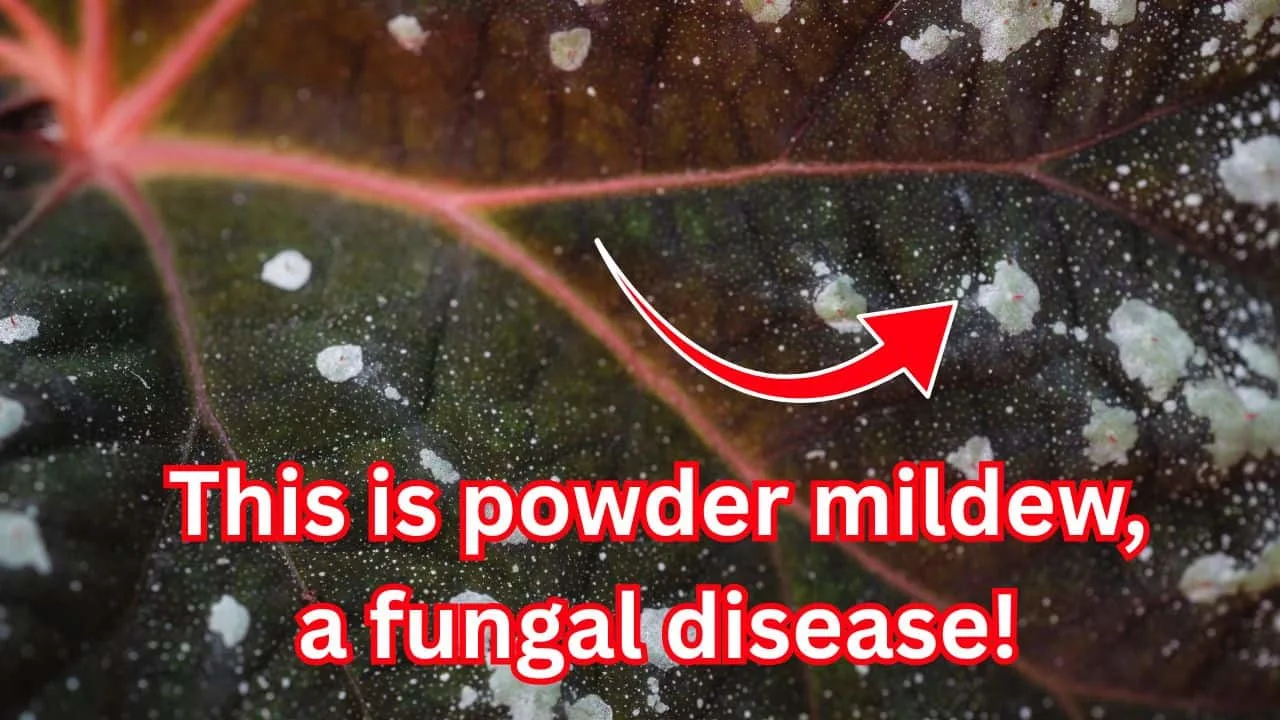
It is tempting to grab the nearest bottle of spray and go to war the moment you see damage. But the wrong treatment can do more harm than the problem itself. Pesticides will not touch a fungal infection, and fungicides will not stop an insect invasion. In some cases, the wrong choice can burn leaves, kill pollinators, or stress a plant to the point of no return.
Take a few minutes to read the clues your plants are giving you. Look closely, check for movement, think about the weather, and compare with neighboring plants. Those extra moments of detective work can save you weeks of frustration and keep your garden healthy without unnecessary chemicals.
When you know the true culprit, your actions are targeted, your plants recover faster, and you avoid wasting time, money, and effort. In gardening, precision is power — and the power starts with knowing exactly what you are up against.
Key Takeaways
- 🐛 Damage pattern matters: Missing chunks and irregular edges point to pests. Uniform spots or patches suggest fungus.
- 🔍 Location is a clue: New growth damage often means pests. Lower, older leaves with spots often mean fungus.
- 🕵️ Movement gives it away: If you see anything crawling, it is pests.
- 💧 Moisture history counts: Fungal issues almost always follow damp, humid conditions.
- 🧪 Use simple tests: Shake leaves over white paper for pests. Smear suspicious spots to check for fungal breakdown.
- ⏳ Watch the speed: Fungal infections can take a plant down fast, while pests usually work slower.
- 🔄 Cross-check neighbors: Identical damage on multiple plants can confirm the cause.


Daniel has been a plant enthusiast for over 20 years. He owns hundreds of houseplants and prepares for the chili growing seasons yearly with great anticipation. His favorite plants are plant species in the Araceae family, such as Monstera, Philodendron, and Anthurium. He also loves gardening and is growing hot peppers, tomatoes, and many more vegetables.