


It is the perfect summer afternoon. The flowers are glowing, the bees are busy, and the whole garden feels alive. You reach down to brush a petal, and a tiny hand beats you to it. Your toddler laughs, grabs the bloom, and before you can react, it is halfway to their mouth. The dog is sniffing around the base, tail wagging, ready for his own taste test. You freeze.
Not every plant in a beautiful garden is harmless. Some are loaded with toxins that can send a curious child or pet to the emergency room in minutes. The trouble is, a lot of these plants are not rare or exotic. They are the same ones sold in garden centers every day, tucked into hanging baskets, or lined up along sunny borders.
This list is not here to scare you away from gardening. It is here to keep the wrong leaves, seeds, or berries out of the wrong mouths. Before you plan another planting or leave the gate open, see which green suspects you might be unknowingly hosting.
1. Oleander


Oleander looks like it belongs on a postcard. Lush green leaves, clusters of showy blooms in pink, white, or red, and the kind of plant that makes a driveway look like it should lead to a villa. The problem? It is a silent killer in the plant world. Every part of it — leaves, flowers, stems, even the sap — contains potent cardiac glycosides. These toxins can trigger vomiting, slow heart rate, or in severe cases, death in both humans and animals. That is not just folklore. There are documented cases of pets dying after chewing a single fallen leaf.
Oleander’s danger is made worse by how casually it grows in warm climates. It thrives with neglect, shrugs off heat and drought, and blooms for months. This means it is often planted right where kids or pets can reach it. If you have curious little ones or a dog that thinks yard plants are snacks, even one oleander in the garden is one too many.
- All parts of the plant are toxic to humans and animals
- Smoke from burning oleander clippings is poisonous
- Just one leaf can be deadly to a pet
- Always wear gloves when handling and wash thoroughly afterward
2. Foxglove

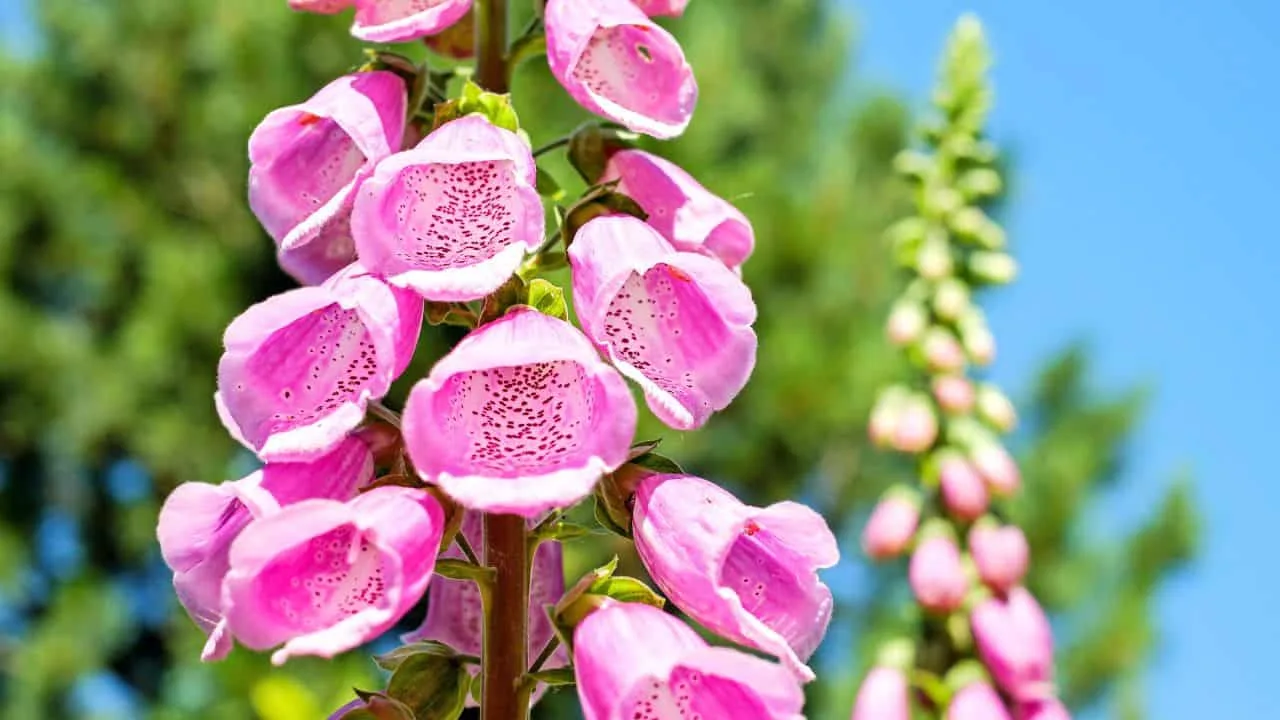
Foxglove is the plant that tricks you into thinking it is pure cottage garden charm. Those tall spires covered in bell-shaped blooms look like they belong in a fairytale illustration. And in a way, they do — just not the happily-ever-after kind. Inside those elegant petals is a potent dose of digitalis, the same compound used in heart medications. In the wrong dose, it can cause nausea, irregular heartbeat, or even heart failure. This applies to every part of the plant, from roots to flowers.
The danger is not obvious at first glance. Foxglove seeds itself easily, popping up in borders, wildflower meadows, and even neglected corners of the garden. Kids may be tempted to pluck the flowers or use them as “finger hats,” and pets might chew on the leaves. Ingesting even a small amount is enough to send someone to the hospital.
- Contains digitalis, which can affect heart rhythm
- Even small amounts are dangerous to children and pets
- Flowers, leaves, seeds, and roots are all toxic
- Wear gloves when handling, and never compost spent plants
3. Angel’s Trumpet

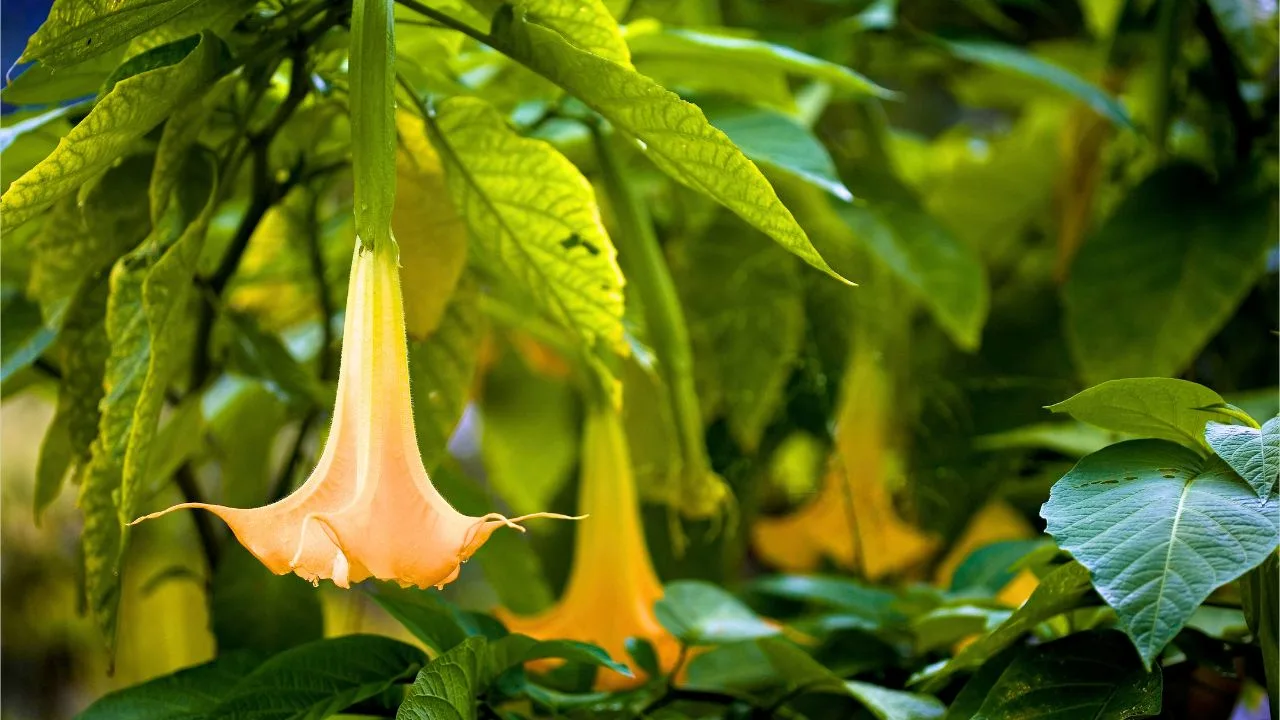
Angel’s Trumpet looks like a dream. Huge, pendulous flowers hang like lanterns and release a strong evening fragrance that turns heads. Behind the beauty sits a serious risk. Every part of Brugmansia contains potent tropane alkaloids, including scopolamine and atropine. Ingestion can lead to severe confusion, hallucinations, rapid heartbeat, paralysis, and in extreme cases, death. Pets and children are at particular risk because the blooms look inviting and the fallen flowers are easy to pick up.
The danger does not stop at eating it. Sap can irritate skin and eyes, and handling large plants without protection increases exposure. Brugmansia is widely sold in warm regions and grown in containers on patios, which puts it close to where people and pets spend time. If you love the look, keep it well out of reach and treat all pruning and cleanup as a hazardous task.
- All parts are toxic due to tropane alkaloids
- Ingestion can cause hallucinations, paralysis, and heart issues
- Sap may irritate skin and eyes
- Keep away from children and pets, and wear gloves when handling
- Do not compost trimmings where animals can access them
4. Castor Bean Plant


If danger had a fashion model, it would be the castor bean plant. Towering stems, massive tropical leaves, and spiky seed pods make it a dramatic focal point in any garden. But it is not just eye-catching — it is one of the most toxic plants on the planet. The seeds contain ricin, a poison so potent that just a few chewed beans can be lethal to humans and pets.
The real hazard comes from curiosity. The shiny seeds look a bit like decorative beads, which makes them tempting to children. Even brushing against the seed pods can release fine hairs that irritate skin. While some gardeners grow it for its bold, exotic look, planting it anywhere near kids or animals is like leaving a loaded trap in the yard — all beauty until something touches it.
- Seeds contain ricin, one of the deadliest natural toxins
- Even small amounts can be fatal if chewed
- Seed pods can cause skin irritation
- Best admired from a distance, not in a family garden
4. Autumn Crocus

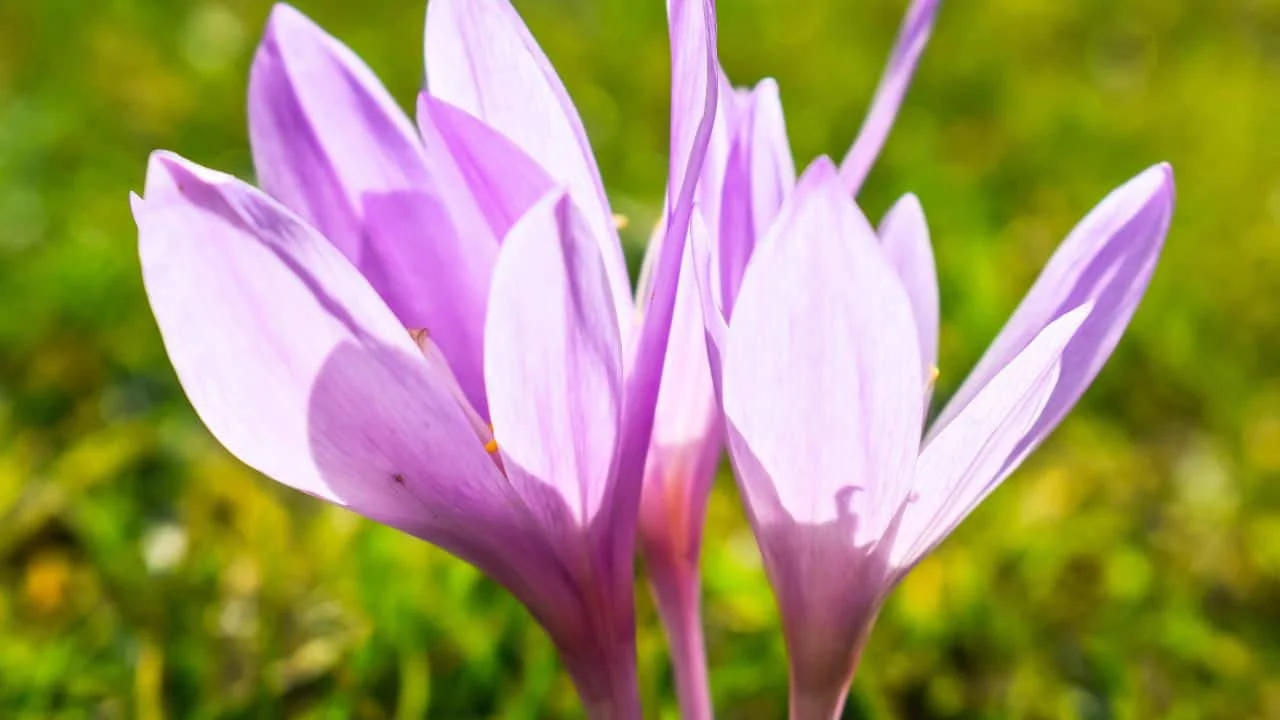
At first glance, the autumn crocus seems like nothing but a charming late bloomer. Its lilac flowers pop up just when most other plants are winding down, adding a splash of color to fading beds. But beneath the surface beauty lies a dangerous secret — it contains colchicine, a highly toxic compound. Ingesting even a small amount can lead to severe vomiting, organ failure, and, in extreme cases, death.
Confusion is part of the danger. The autumn crocus is often mistaken for edible saffron crocus, but it is absolutely not something you want in your spice rack. Even handling the bulbs can cause skin irritation. If you have children, pets, or curious visitors who might nibble or touch plants, this one is best admired in someone else’s garden.
- Contains colchicine, which is highly toxic if ingested
- Easily confused with edible saffron crocus
- Bulbs can cause skin irritation when handled
- Not safe for gardens with children or pets
5. Hydrangea

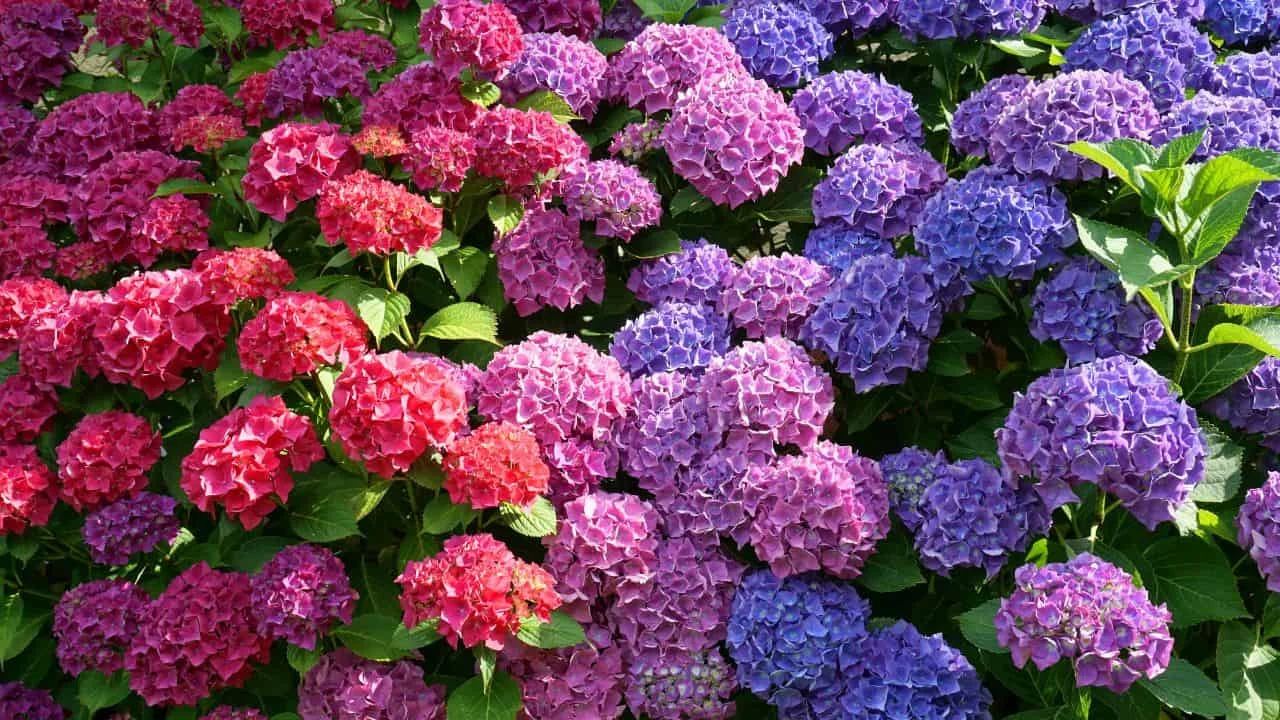
Hydrangeas are the chameleons of the garden, shifting their blooms from blue to pink depending on soil pH. They look romantic in bouquets and charming along a fence line, but those big clusters hide a chemical threat. The leaves, buds, and flowers all contain cyanogenic glycosides, which release cyanide when chewed or digested. It’s not enough to take down a grown adult with a nibble, but for kids, dogs, or cats, it can mean vomiting, diarrhea, and serious illness.
Part of the problem is just how tempting they look. Pets might chew on fallen blossoms, and kids might pick them for “flower soup.” If hydrangeas are a must-have for you, keep them well out of reach and promptly clean up any dropped petals or leaves before small mouths get curious.
- Contains cyanogenic glycosides that release cyanide
- All parts are toxic if ingested
- Can cause vomiting and diarrhea in pets and children
- Best kept out of reach and away from play areas
6. Daffodils


Daffodils are the poster child of spring, pushing through the last chills of winter with cheerful yellow trumpets. But beneath that sunny look is a potent defense system. Every part of the plant contains lycorine, a toxic alkaloid that can cause severe nausea, vomiting, abdominal pain, and even heart problems if eaten. The bulbs are the most dangerous part, and they can easily be mistaken for onions by curious pets or even by people during planting season.
Handling daffodils can also cause “daffodil itch” — a skin irritation from the plant’s sap. Gardeners who spend hours planting or arranging cut flowers might notice redness or rashes on their hands if gloves are skipped. The solution? Keep them in dedicated beds or containers, wash up after handling, and teach kids and pets that these blooms are strictly for looking, not tasting.
- Lycorine toxin can cause nausea, vomiting, and heart issues
- Bulbs are especially toxic and can be mistaken for onions
- Sap can cause skin irritation (“daffodil itch”)
- Always wear gloves and keep away from pets and children
7. Lily of the Valley


Do not let its delicate, bell-shaped flowers fool you. Lily of the Valley is one of the most poisonous garden plants you can grow. Every part of it contains cardiac glycosides, compounds that directly affect heart function. Even a small nibble of leaf or flower can cause dizziness, nausea, irregular heartbeat, and in severe cases, death. This is true for humans, dogs, cats, and even curious wildlife. The problem is that the plant looks and smells inviting, which makes it especially risky in gardens where children play.
It is also a creeping perennial, meaning it will happily spread beyond where you planted it. This can make it harder to control, and it often pops up in unexpected spots. If you keep it, consider growing it in a contained bed or pot where it cannot sneak into play areas or paths. And remember — this is a plant to enjoy with your eyes, not your hands or mouth.
- Contains cardiac glycosides that disrupt heart rhythm
- Highly toxic to humans, pets, and wildlife
- Attractive flowers increase the risk of accidental ingestion
- Spreads aggressively, making containment important
8. Rhododendron / Azalea

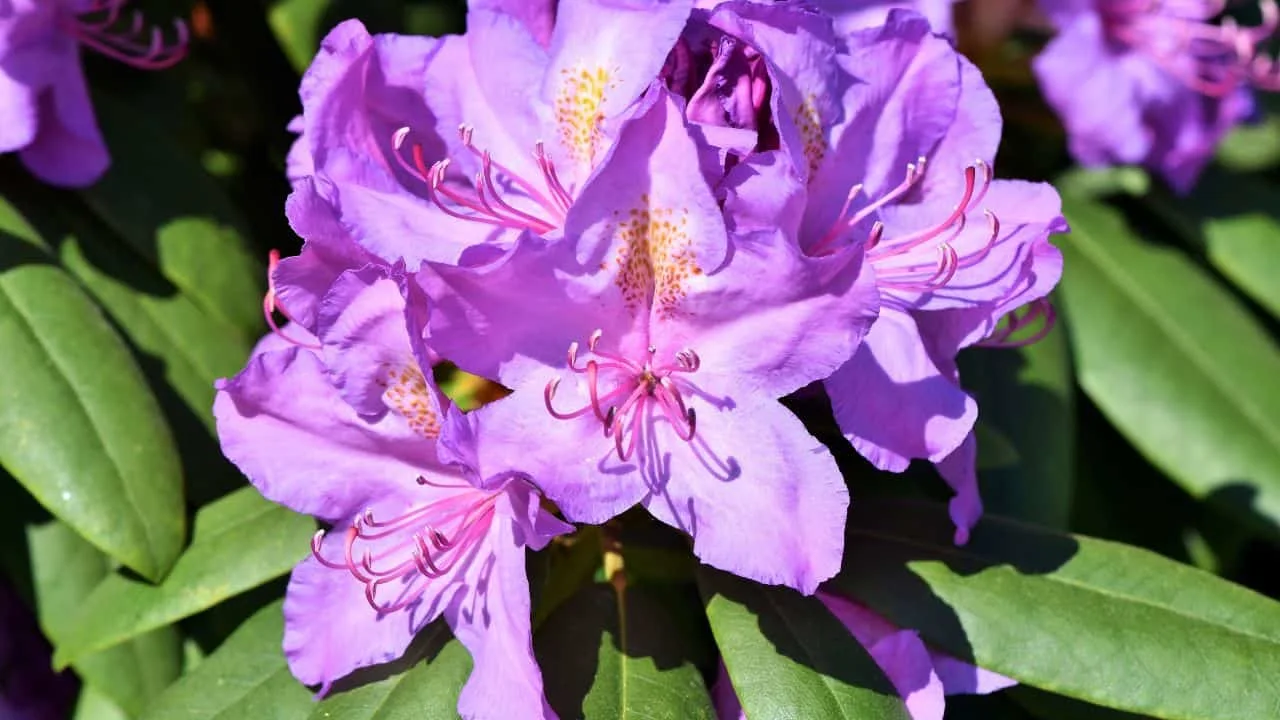
These shrubs are stunning when in bloom, but behind the showy pinks, purples, and whites lies a hidden danger. Rhododendrons and azaleas contain grayanotoxins, which can disrupt nerve and muscle function — including the heart. Ingesting even small amounts of leaves, flowers, or nectar can cause vomiting, weakness, drooling, and potentially life-threatening complications in both humans and pets. The most famous case in history? “Mad honey” poisoning, caused by bees making honey from rhododendron nectar, a problem still reported in parts of Turkey and Nepal.
Because these shrubs are so common in landscapes, the danger often goes unnoticed. Many people plant them along walkways or in front gardens where they are easy to touch. If you have young children, curious pets, or livestock nearby, rethink their placement. They can still be part of your garden, but make sure they are well out of reach and clearly separated from areas where anyone might be tempted to sample a leaf or bloom.
- Contains grayanotoxins that affect the heart and nervous system
- Dangerous to humans, pets, and livestock
- Famous for causing “mad honey” poisoning
- Commonly planted in high-traffic spots, increasing exposure risk
9. Sago Palm

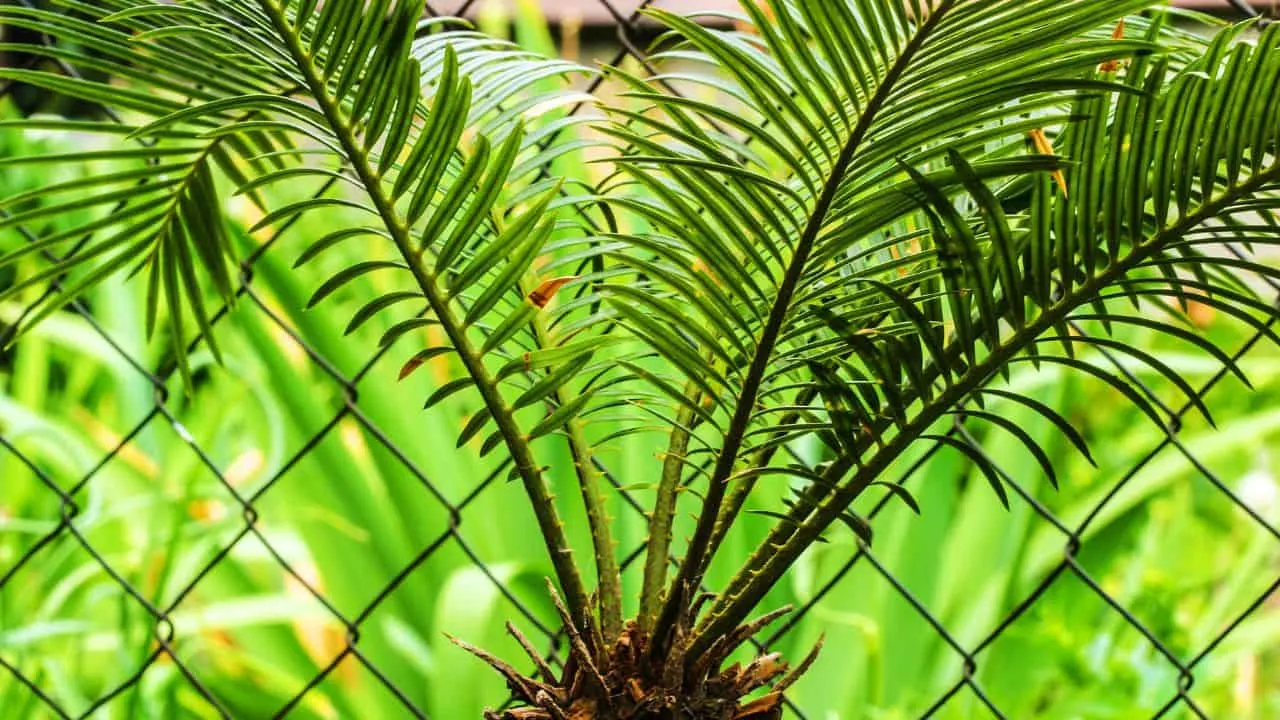
The sago palm looks like a miniature palm tree, but it is actually a cycad — a plant lineage older than dinosaurs. Despite its tropical charm, every part of this plant is toxic, especially the seeds (often called “nuts”). The primary danger comes from cycasin, a toxin that causes severe liver failure in both humans and animals. Dogs are particularly at risk, with even one seed capable of being fatal. Symptoms can appear within hours and may include vomiting, diarrhea, lethargy, seizures, and jaundice.
What makes the sago palm so deceptive is its popularity as a decorative plant, both outdoors in warm climates and indoors as a potted specimen. People bring it into living rooms, patios, and poolside gardens without realizing they have introduced a hazard that can turn deadly fast. If you have pets or small children, the safest approach is to admire this plant in someone else’s garden — not your own.
- Contains cycasin, a toxin that causes liver failure
- Seeds are the most dangerous part, but all parts are toxic
- One seed can be fatal to dogs
- Popular as a potted plant, increasing indoor exposure risk
10. Monkshood


Monkshood, also known as wolfsbane, is a plant that could star in a gothic horror novel. Its deep purple hood-shaped flowers are strikingly beautiful, but they hide one of the most potent plant poisons in the world. The entire plant contains alkaloids like aconitine, which can be absorbed through the skin. This means you do not even have to eat it to be at risk — just handling it without gloves can cause numbness, tingling, and in severe cases, heart failure.
Historically, monkshood was used in poisons for arrows and even as a means of assassinating rivals. Today, it still shows up in ornamental gardens because of its dramatic blooms, but it has no place near children or pets. Even a small amount of contact or ingestion can lead to dangerous symptoms within minutes, making it one of the few plants that truly earns its reputation as a deadly beauty.
- Contains aconitine, one of the most potent plant toxins
- Toxin can be absorbed through skin contact
- Causes numbness, heart rhythm changes, and possible death
- Beautiful blooms mask a lethal danger to pets and people
Why Beauty in the Garden Can Be Deceptive
Some plants win you over with their flowers, foliage, or fragrance, but what they hide can be far more dangerous than a few thorns. Every plant on this list has the potential to cause serious harm to children, pets, and in some cases, even adults. The problem is not just accidental nibbling — it is the fact that these plants often grow where curiosity meets opportunity.
You do not need to strip your garden bare to stay safe, but you should know exactly what is growing there. If a plant is too risky for your household, swap it for a safer alternative that still gives you the beauty you want without the hidden threat. Safety in the garden is not about fear, it is about informed choices.
The best gardens are those where everyone — people, pets, and pollinators — can enjoy the space without worry. Sometimes that means removing a danger before it becomes a story you wish you never had to tell.
🌿 Key Takeaways
- 🚫 Many ornamental plants hide toxins dangerous to kids and pets
- 👀 Risk comes from more than just eating — contact and pollen can cause harm too
- 🌱 If a plant poses a high risk, choose a safe look-alike instead
- 🐾 Keep pets supervised in gardens with potentially harmful species
- 📚 Knowing what grows in your yard is the first step to a safer garden


Daniel has been a plant enthusiast for over 20 years. He owns hundreds of houseplants and prepares for the chili growing seasons yearly with great anticipation. His favorite plants are plant species in the Araceae family, such as Monstera, Philodendron, and Anthurium. He also loves gardening and is growing hot peppers, tomatoes, and many more vegetables.