

Late summer evenings are still warm, and the garden is not done talking. You can taste it in the mint that brushes your leg and the basil that screams to be picked. A cocktail garden lets you pour that freshness right into the glass.
Mid August is not too late. It is perfect. Warm soil pushes fast growth, and herbs love the heat. Most of what you need will be harvest ready in a few weeks if you start in pots today.
This is a small, easy project with big flavor. Think starter plants, snug containers, and a sunny spot you can move when nights turn cool. The plan is simple. Grow what you want to drink and keep it close enough to snip with one hand while the other holds the shaker.
Why Late Summer Is Perfect for a Cocktail Garden
Warm soil wakes seeds fast and pushes starter plants into quick production. Herbs and garnishes that feed a cocktail garden love these conditions and grow best with long days and steady heat. Even if you only have a few weeks left before frost, you can harvest while plants are still young and tender.
Containers make timing flexible. You can start outside now and bring them in when nights drop, keeping the harvest going into fall. Small pots warm up faster than garden beds, which gives your plants a head start.
Late summer also means fewer pests than spring and less competition from weeds. Your plants can put energy into flavor and fresh growth instead of fighting for space.
- Warm soil speeds germination and early growth for fast harvests.
- Containers can be moved indoors to extend the season.
- Fewer weeds and many pests have peaked earlier in the year.
- Plants grow concentrated flavors in sunny late-summer light.
- Starter plants from the nursery can be ready to use in two to three weeks.
Choosing Your Base Plants (Herbs That Steal the Show)

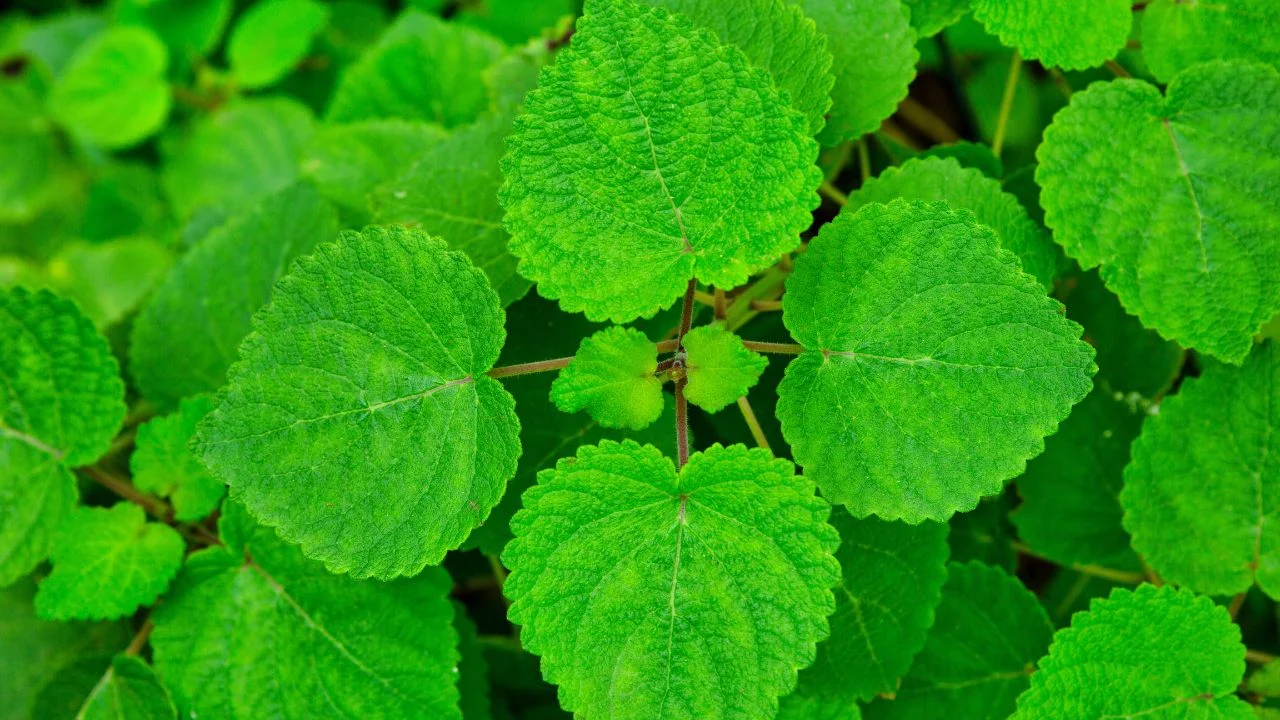
The backbone of any cocktail garden is its herbs. They are the flavor drivers, the scents that carry across the patio, and the first thing you reach for when the ice hits the glass. In late summer, heat loving varieties are still in their prime and quick starters will give you usable harvests fast.
Mint is the workhorse for mojitos, juleps, and iced teas. Basil brings sweet spice to gimlets and syrups. Lemon balm adds a bright lift to anything from herbal teas to gin cocktails. Cilantro brings fresh green bite to margaritas and micheladas.
Thyme and rosemary are the slow burn flavors, earthy and resinous, perfect for infusing syrups or pairing with citrus in savory drinks. A few pots of these herbs can power dozens of recipes without taking up much space.
- Mint: Thrives in pots, prefers partial sun, harvest as needed to keep growth fresh.
- Basil: Loves heat and full sun, pinch tops regularly to prevent flowering.
- Lemon Balm: Quick growing, handles part shade, best when leaves are young.
- Cilantro: Prefers cooler temps but grows fast, sow every few weeks for a steady supply.
- Thyme: Compact, drought tolerant, great for infusions and garnishes.
- Rosemary: Woody perennial in warm zones, fragrant and strong flavored.
Adding the Sweet and Citrusy Notes

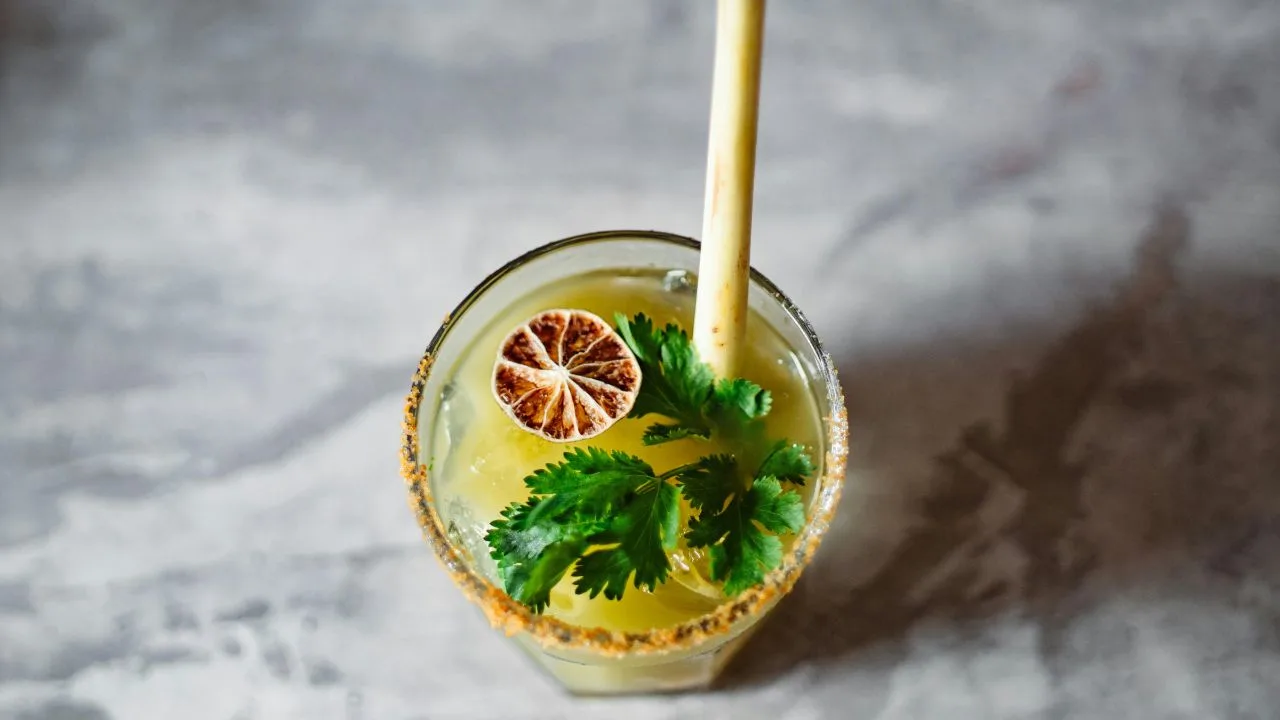
A cocktail garden should not stop at herbs. Sweet and citrusy plants give your drinks balance and complexity. They can brighten a strong liquor, soften bitter notes, and make even a simple soda water taste like a craft cocktail.
Lemon verbena is one of the fastest ways to get intense citrus aroma into a drink. Stevia offers natural sweetness without sugar, perfect for light syrups or muddled into spritzers. Pineapple sage adds a fruity scent and brilliant red blooms that work as edible decoration.
These plants also earn their keep outside the glass. They draw pollinators, add color to your containers, and keep the garden looking lively as summer edges toward fall.
- Lemon Verbena: Fast growing in heat, pinch tips to keep bushy, use fresh or dried leaves for teas and syrups.
- Stevia: Needs full sun, harvest leaves for natural sweetening in drinks or syrups.
- Pineapple Sage: Sweet pineapple scent, edible red flowers, thrives in warm conditions until frost.
- Lemongrass: Adds a sharp citrus note, ideal for infusions, needs consistent moisture and sun.
- Orange Mint: Combines mint’s freshness with a citrus twist, perfect for fruit based cocktails.
Garnishes That Impress

The right garnish turns a drink from something you made into something you would serve at a bar. It adds aroma, color, and a little extra personality. In late summer, plenty of plants will grow fast enough to give you a steady supply before the season closes.
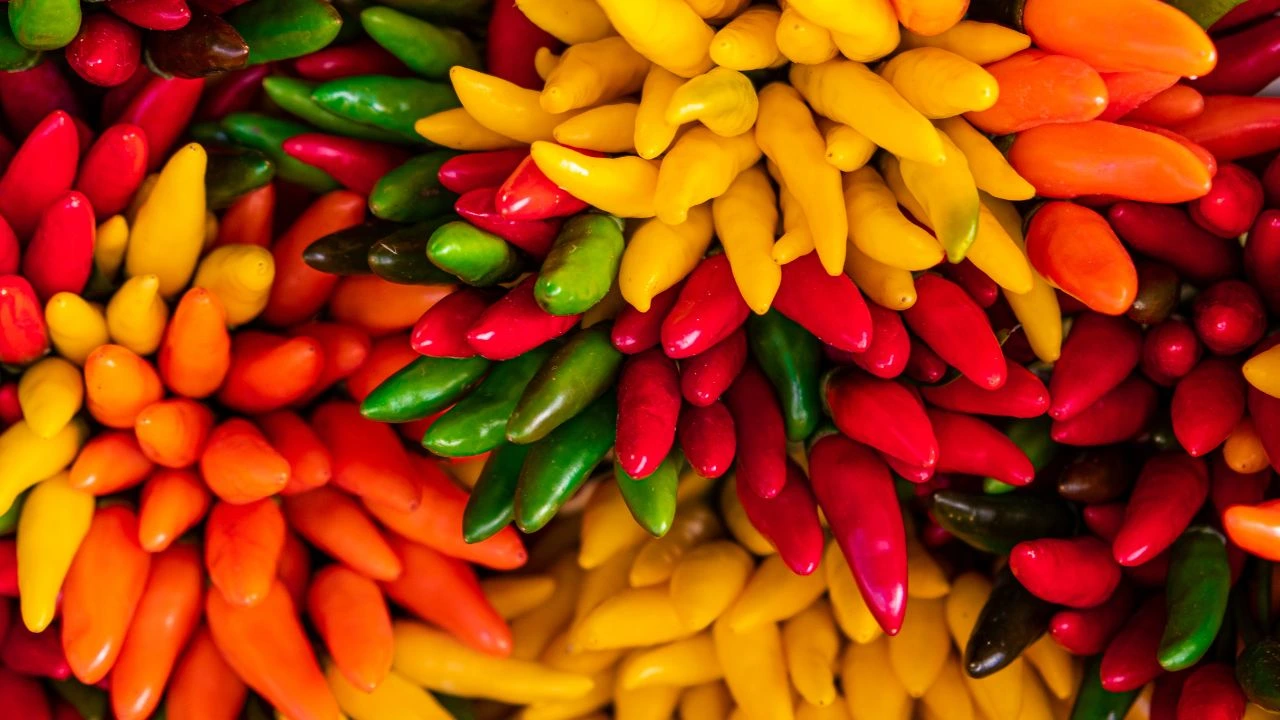
Edible flowers like nasturtiums, violas, and calendula bring bright color and unique flavors. Nasturtiums add a peppery bite, violas have a light sweetness, and calendula petals carry a gentle citrus note. Small chili peppers give heat to spicy cocktails and look striking perched on the rim of a glass.
Alpine strawberries or other compact varieties can be tucked into a pot with herbs for a surprise harvest. Their size makes them perfect for muddling or floating whole in sparkling drinks.
- Nasturtiums: Grow quickly from seed, edible leaves and flowers, peppery kick for savory cocktails.
- Violas: Sweet, delicate flavor, thrive in cooler late-summer evenings.
- Calendula: Mild citrus taste, petals add golden color to drinks.
- Chili Peppers: Jalapeño or cayenne for heat, can be infused into syrups or spirits.
- Alpine Strawberries: Compact and flavorful, harvest regularly to encourage new fruit.
Fast-Track Growing Tips for Late Summer
When you start a cocktail garden in late summer, speed matters. The goal is to get plants established and producing before nights turn cold. Warm soil and long days will help, but smart choices can shave weeks off your first harvest.
Choose starter plants from the nursery whenever you can. They give you a head start of several weeks compared to seeds. For seeds, pick quick-maturing varieties and sow them in pots where you can control watering and warmth.
Harvest lightly and often to encourage fresh growth. A few snips here and there keep plants compact and productive, and you will have a steady flow of fresh ingredients for your drinks.
- Buy starter plants for herbs that take longer from seed, like rosemary or thyme.
- Choose quick growers like basil, mint, and nasturtiums for near-instant results.
- Use 6–8 inch pots so soil warms quickly and roots develop fast.
- Keep soil evenly moist to avoid stress that slows growth.
- Fertilize lightly every two weeks to keep plants pushing new leaves.
- Pinch off flowers on herbs to focus energy on leaf production.
Extending the Season into Fall
A cocktail garden does not have to end when summer does. With a few adjustments, you can keep harvesting well into fall and even through winter. The trick is to protect plants from cold nights and give them enough light to keep producing.
Containers make this easy. As soon as night temperatures start dipping toward 50°F, move pots to a sunny windowsill or a sheltered porch. Herbs like mint, basil, and lemon balm adapt well indoors if they get at least six hours of light each day.
For those who want to keep plants outside longer, use cloches, row covers, or a small cold frame to hold in warmth. Even a simple clear storage bin placed over a pot can buy you several extra weeks of harvest.
- Bring pots indoors before first frost to avoid sudden plant loss.
- Place indoor plants in a south-facing window or use a small grow light.
- Use cloches or plastic covers outdoors to trap heat on chilly nights.
- Harvest often to keep plants compact and encourage new growth indoors.
- Check for pests before bringing plants inside to avoid indoor infestations.
Sample Cocktail Garden Combos
Mixing plants with complementary flavors makes your cocktail garden more fun and more useful. You can group herbs, garnishes, and edible flowers into themed pots so you always have the right mix at hand. This also makes harvesting faster when you are mid-recipe.
Themed plantings help even small spaces pack in variety. A single container can supply all the ingredients for a mojito, margarita, or gin-based drink. You can also swap plants in and out as the season changes to keep the flavors fresh.
These combos are just starting points. Once you know which drinks you make most often, you can customize pots to match your favorite recipes and try new flavor experiments.
- The Mojito Pot: Mint, lime thyme, nasturtiums for garnish.
- The Spicy Margarita Planter: Jalapeño, cilantro, marigolds for color.
- The Gin Lover’s Bowl: Basil, lemon balm, dwarf cucumber.
- The Herbal Spritz Basket: Rosemary, lemon verbena, edible violas.
- The Tropical Cooler Tub: Pineapple sage, orange mint, alpine strawberries.
Your Garden, Your Bar

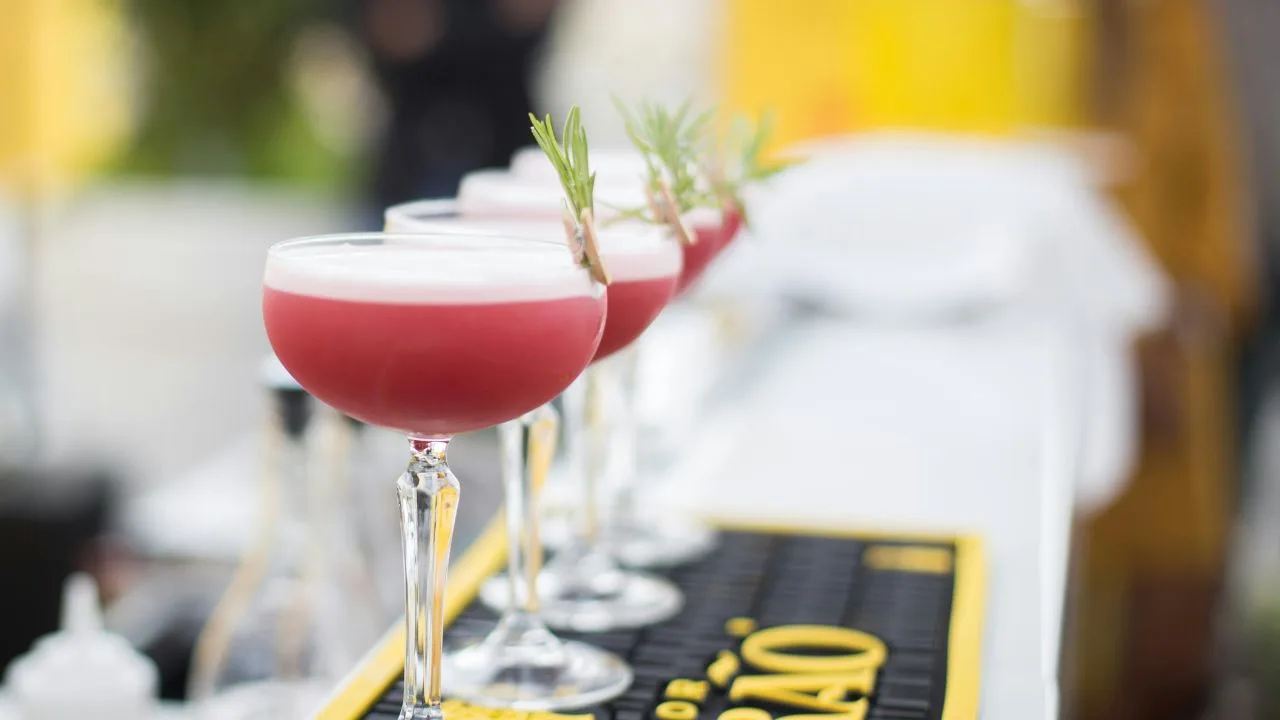
A cocktail garden is more than a pot of herbs. It is a way to turn a handful of leaves, a flower, or a sprig into something worth toasting. Even in late summer, there is time to plant, harvest, and taste the results before the season fades.
With a few containers and the right mix of plants, you can build a garden that follows you indoors when the air cools. Every snip will remind you that fresh flavor does not have to come from a store. It can come from the patio, the windowsill, or the sunny corner of your kitchen.
Fill a glass, drop in something you grew, and watch the drink change. That is the moment a garden becomes part of the evening.
🌿 Key Takeaways
- 🌞 Late summer is ideal for fast-growing herbs and garnishes that thrive in warm soil.
- 🌿 Base herbs like mint, basil, and lemon balm are versatile and harvest-ready in weeks.
- 🍋 Sweet and citrus plants such as lemon verbena and pineapple sage add brightness to drinks.
- 🌸 Edible flowers and chili peppers make stunning garnishes with unique flavor.
- ⏱️ Use starter plants and small pots to speed growth and keep harvests coming.
- 🏡 Extend the season by moving containers indoors or protecting them outdoors as nights cool.
- 🍸 Themed combos keep ingredients grouped for quick garden-to-glass moments.


Daniel has been a plant enthusiast for over 20 years. He owns hundreds of houseplants and prepares for the chili growing seasons yearly with great anticipation. His favorite plants are plant species in the Araceae family, such as Monstera, Philodendron, and Anthurium. He also loves gardening and is growing hot peppers, tomatoes, and many more vegetables.