

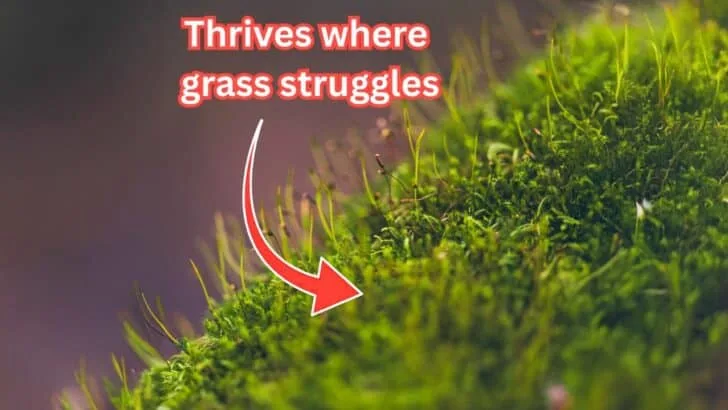
By mid-August, most lawns are showing the strain. Brown patches spread, weeds creep in, and the weekly mowing feels like more of a chore than a joy. You pour on water and fertilizer, but the results are short-lived — and expensive. It is no wonder more gardeners are deciding they have had enough of the grass treadmill.
The good news is you do not have to settle for a patchy lawn or spend your weekends keeping it alive. There are beautiful, low-maintenance alternatives that save money, cut water use, and still look great year-round. Better yet, early fall is the perfect time to plant them. Warm soil speeds root growth, cooler nights reduce stress, and weeds are already slowing down.
This guide will walk you through six of the best lawn replacements for different climates and budgets, plus when and how to make the switch so you can enjoy the payoff next summer — without the struggle.
Why Late Summer and Early Fall Are Perfect for Lawn Alternatives
The best time to swap out a high-maintenance lawn for something easier isn’t in the blazing heat of midsummer or the chill of early spring — it’s right now, as summer tips into fall. This window offers a mix of warm soil and cooler air that gives new plants the best possible start, while weeds and heat stress are already on the retreat.
- Warm soil = faster root establishment: Late summer warmth speeds up root growth so plants settle in quickly.
- Cooler nights reduce transplant shock: Lower evening temperatures keep young plants from wilting or drying out too fast.
- Fewer weeds competing for space: Many annual weeds have already run their course, giving new plantings less competition.
- More consistent rainfall in many regions: Autumn rains can reduce the need for constant watering during establishment.
Six Lawn Alternatives That Look Better and Cost Less
1. Clover Lawn

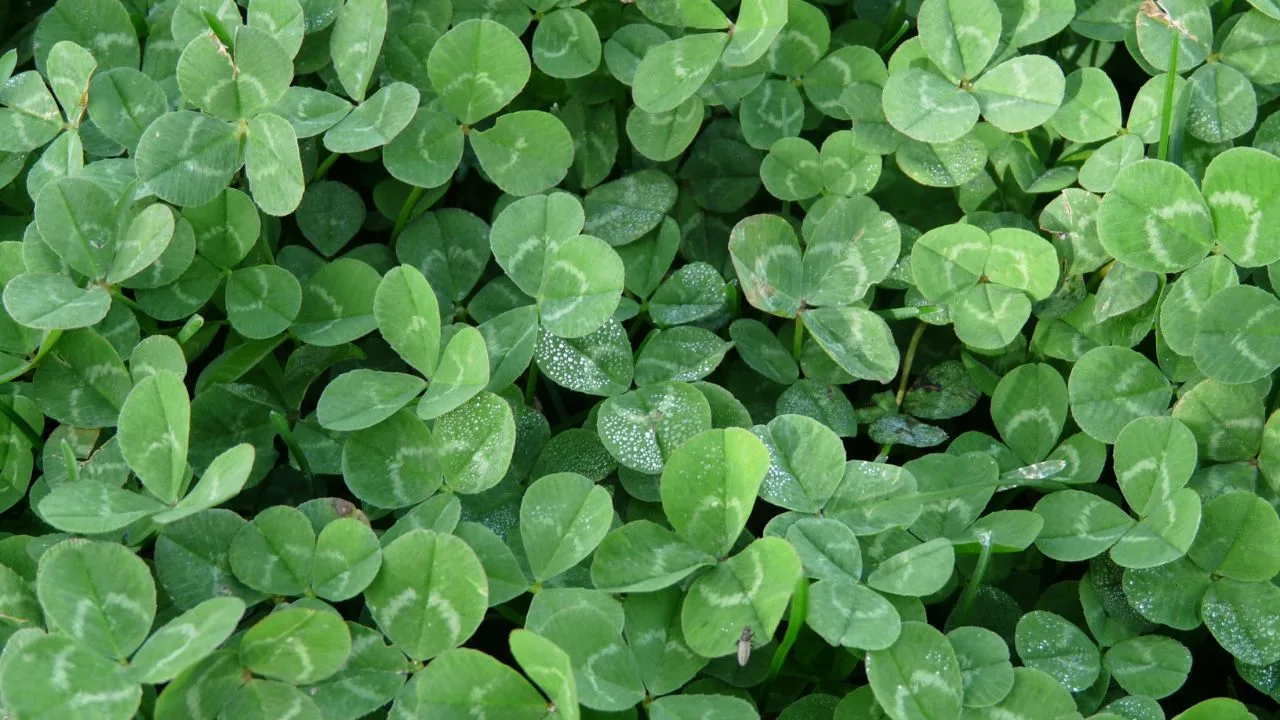
Look / Appeal: A soft green carpet dotted with tiny white blooms. Microclover varieties stay lower, knit tightly, and show fewer flowers for a tidier look.
Why It Wins: Fixes its own nitrogen, stays greener in heat, tolerates light foot traffic, and welcomes pollinators. Handles poor soils where turf struggles.
Cost Savings: Little to no fertilizer, fewer waterings once established, and less frequent mowing.
Best For: Full sun to light shade. Works from Zones 3–10. In Zones 9–10, establish in cooler months and expect partial summer dormancy in extreme heat without irrigation.
2. Creeping Thyme


If you want a lawn that works harder than plain turf, creeping thyme is a small but mighty option. It turns into a dense, living carpet that smells incredible when walked on and explodes with blooms in summer. It stays neat, doesn’t mind poor soil, and once established, it is almost impossible for weeds to push through. Plus, the bees will thank you for the steady nectar supply.
Look / Appeal: A fragrant, low-growing mat of tiny leaves that bursts into purple or pink blooms in summer.
Why It Wins: Thrives in poor soil, resists drought, and needs no fertilizer. Handles light foot traffic and attracts pollinators while staying weed-resistant once established.
Cost Savings: Minimal watering after establishment, zero fertilizer, and no mowing.
Best For: Full sun and well-draining soil. Best in Zones 4–9; in Zone 10, plant in the cooler season for better establishment and to avoid summer burn.
3. Buffalo Grass

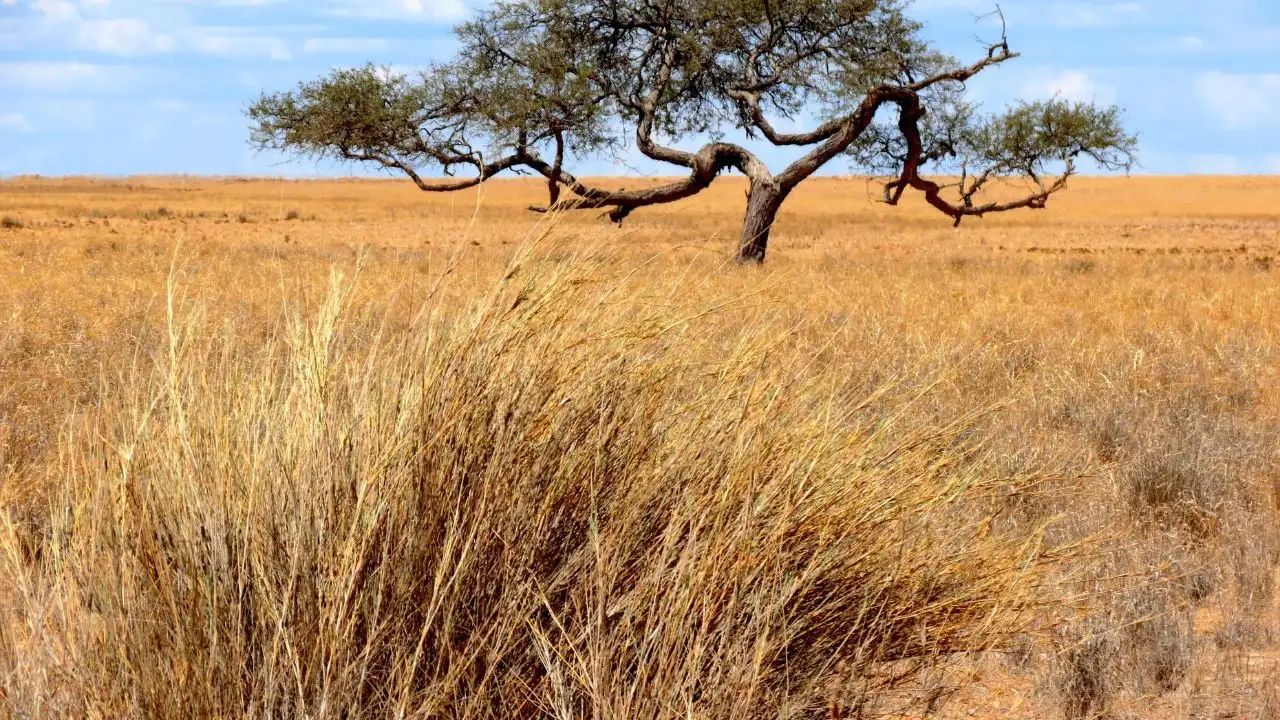
Buffalo grass is the go-to option if you still want a grassy look but with a fraction of the upkeep. Native to North American prairies, it naturally thrives in hot, dry conditions and can survive on rainfall alone once established. It grows in soft, low mounds, needs very little mowing, and keeps a pleasant blue-green color through the warm season without heavy feeding.
Look / Appeal: Fine-textured blue-green grass that forms soft, even mounds.
Why It Wins: True grass species with a traditional look, but needs far less water and mowing than conventional turf. Naturally resistant to many pests and diseases.
Cost Savings: Minimal irrigation once established, little to no fertilizer, and only occasional mowing.
Best For: Full sun in open spaces. Performs best in Zones 4–8. In Zones 9–10, choose heat-tolerant varieties and plant in cooler months for better establishment.
4. Chamomile Lawn
If you want something soft, fragrant, and a little whimsical, a chamomile lawn can be a real showstopper. Instead of green blades, you get feathery foliage and cheerful daisy-like blooms that release a gentle, apple-like scent when brushed or walked on. It is best for low-traffic areas, but the beauty and aroma make it worth considering for front gardens, pathways, or spots where you want a touch of charm.
Look / Appeal: Low, fine-textured green leaves with white-and-yellow daisy-like flowers.
Why It Wins: Fragrant, drought-tolerant, and thrives in poor soils. Adds a romantic, cottage-garden feel without heavy maintenance.
Cost Savings: No chemical treatments needed, minimal watering once established, and no mowing required.
Best For: Full sun to light shade. Best in Zones 4–9; in Zones 10–11, plant in cooler months for best establishment and bloom quality.
5. Moss Carpet

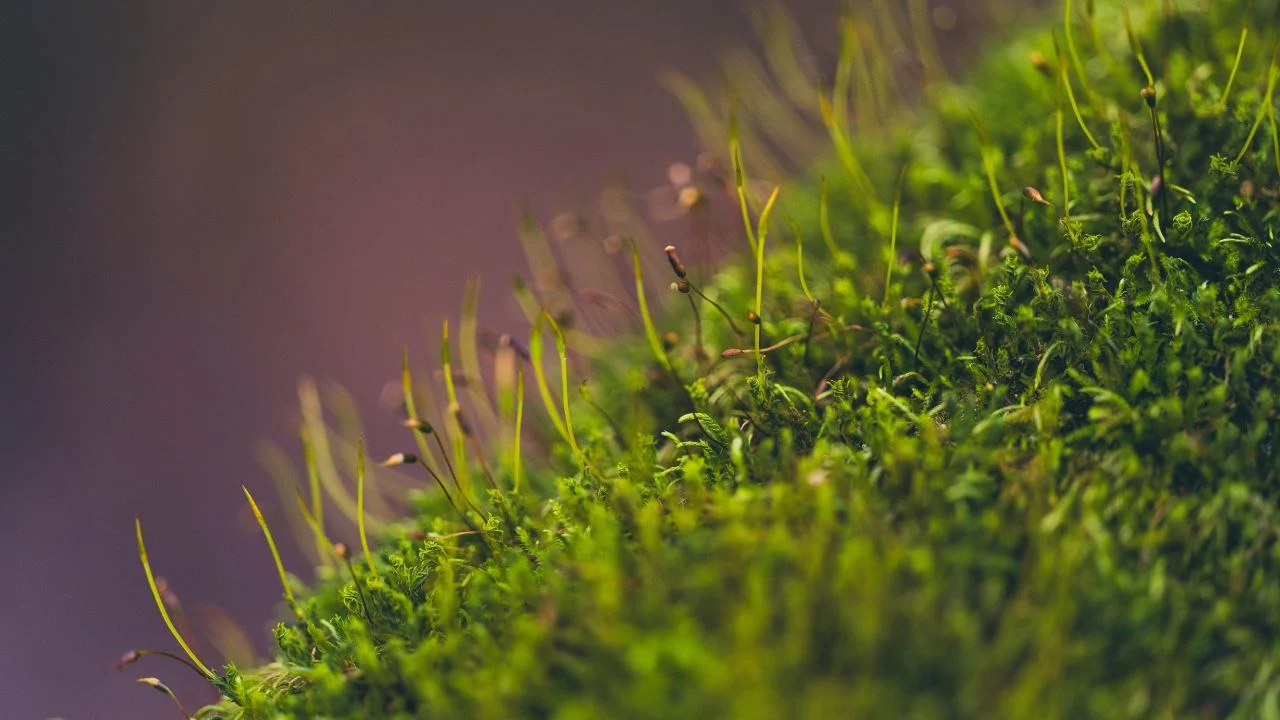
For shady, damp spots where grass never quite works, moss can turn a problem area into the most beautiful part of your yard. It stays green year-round in many climates, feels luxuriously soft, and requires virtually no upkeep once it’s settled in. Moss thrives where other plants struggle, making it perfect for low-light corners, under trees, or along north-facing slopes.
Look / Appeal: A lush, velvety green mat that holds color even in winter.
Why It Wins: Thrives in shade and poor soil, needs no mowing, and stays green without fertilizer. Excellent for erosion control on slopes.
Cost Savings: No watering needed in most climates once established, and zero fertilizer or mowing costs.
Best For: Shady, moist areas. Suitable for Zones 3–9; in Zones 10–11, choose heat-tolerant moss species and provide consistent moisture.
6. Native Meadow Mix

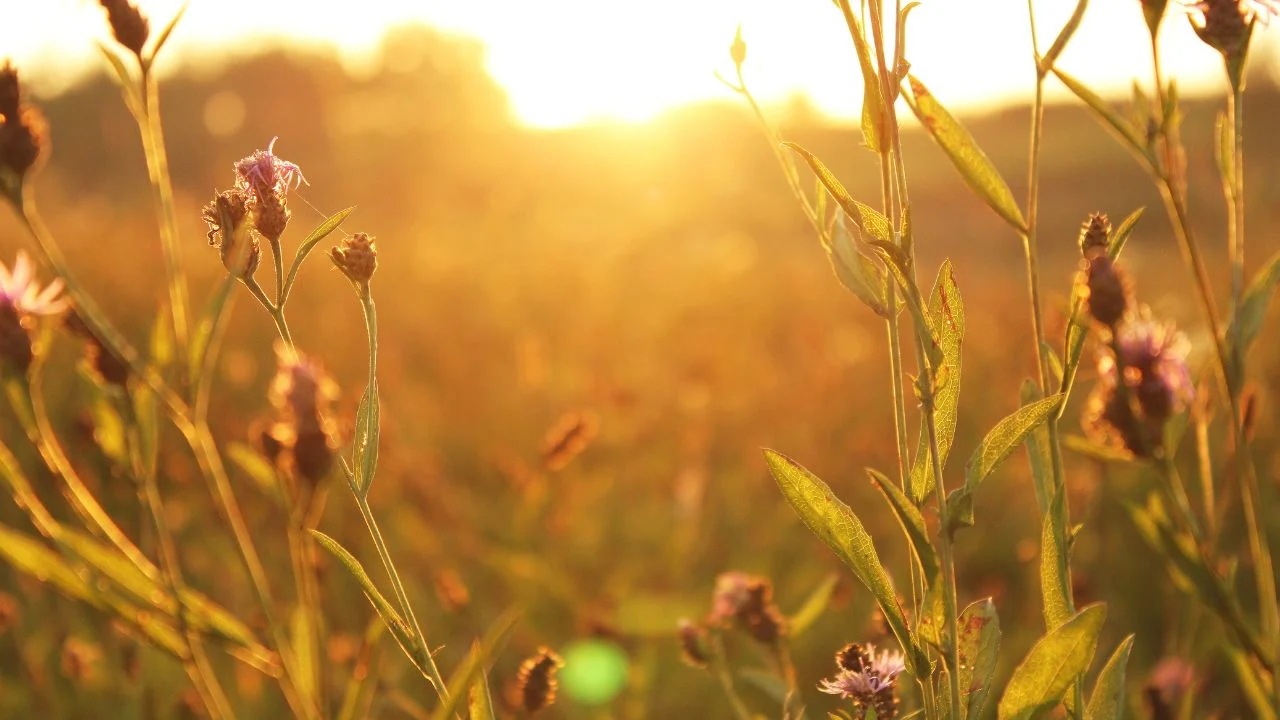
If you want color, movement, and a yard buzzing with life, a native meadow mix might be the ultimate lawn replacement. These blends combine native grasses with wildflowers chosen for your region, creating a changing display through the seasons. Once established, they need very little care and become a haven for pollinators, birds, and beneficial insects.
Look / Appeal: A seasonal tapestry of native grasses and wildflowers, shifting in color and texture throughout the year.
Why It Wins: Supports local wildlife, improves soil health, and offers visual interest all year. Resilient to local pests and weather patterns.
Cost Savings: Low water needs after establishment, no fertilizer, and minimal mowing (usually just once a year to refresh growth).
Best For: Sunny spots. Suitable for all zones — just choose a seed mix native to your specific region for best results.
How to Transition From Lawn to Lawn Alternative
Switching from a traditional lawn to a low-maintenance alternative is easier than it looks, especially if you tackle it in the late summer to early fall planting window. The goal is to start with a clean slate so your new plants can establish quickly without competition from old turf or weeds.
- Kill or remove existing turf: Use a sod cutter, solarization with clear plastic, or a non-synthetic organic weed killer to clear the area.
- Prep the soil: Loosen compacted areas with a garden fork or tiller and add compost to improve drainage and fertility.
- Choose seed, plugs, or plants: Match your choice to your zone, sunlight levels, and maintenance goals.
- Water in until established: Keep the soil consistently moist until roots take hold. After that, water deeply but less often to encourage drought tolerance.
Zone-Specific Planting Timeline
Timing your planting based on your USDA hardiness zone ensures your lawn alternative gets the best start before extreme heat or cold returns. Here’s when to prep and plant for the smoothest transition.
| Zone | Start Prep | Plant By |
|---|---|---|
| Zones 3–5 | Late August | Early September |
| Zones 6–7 | September | Late September to Early October |
| Zones 8–9 | Mid September | October to November |
| Zone 10 | October | November to December |
Why Now Is the Time to Make the Switch
Replacing a thirsty, high-maintenance lawn with something beautiful and low-effort is not just a spring project — in fact, late summer into early fall is often the best time to do it. The soil is warm, the air is cooler, and you will head into next year with a yard that is already established and ready to shine.
Choose the alternative that fits your climate and style, give it a strong start this season, and you will spend next summer enjoying your yard instead of battling to keep grass alive. It is a one-time change that keeps paying off in less work, lower costs, and a more vibrant outdoor space year after year.
🍃 Key Takeaways
- 💧 Low-maintenance beauty — lawn alternatives save water, fertilizer, and time.
- 🌱 Fall planting advantage — warm soil and cooler nights help plants establish fast.
- 🌼 Six great options — clover, creeping thyme, buffalo grass, chamomile, moss, and native meadow mixes.
- 📅 Zone-specific timing — plant at the right moment for your region to maximize success.
- 🛠️ Simple transition steps — remove turf, prep soil, plant, and water until established.
- 🌍 Better for biodiversity — many alternatives feed pollinators and improve soil health.


Daniel has been a plant enthusiast for over 20 years. He owns hundreds of houseplants and prepares for the chili growing seasons yearly with great anticipation. His favorite plants are plant species in the Araceae family, such as Monstera, Philodendron, and Anthurium. He also loves gardening and is growing hot peppers, tomatoes, and many more vegetables.