

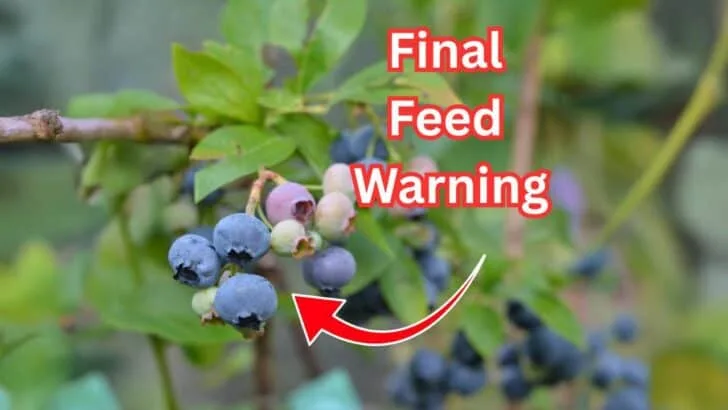
By August, your fertilizer bag is giving you that “use me” look from the shed. Your hands itch to sprinkle just a little more magic around, because more food means happier plants, right? Not exactly. Late summer feeding can be like serving espresso to someone who’s already in pajamas — they get a sudden burst of energy at exactly the wrong time. Plants that should be winding down start throwing out tender new growth, which frost treats like an all-you-can-eat buffet. The trick is knowing when to back away from the bag and let your garden settle into winter mode without the caffeine jitters.
🌳 Trees and Shrubs

By late summer, woody plants are gearing up for dormancy. Feeding now can confuse them, pushing out fresh, soft shoots just when they should be hardening off. Those tender tips are the first to blacken in frost, and the damage can travel down into healthy wood. Stopping fertilizer on time keeps trees and shrubs focused on root growth, bark thickening, and winter readiness.
Stop By:
- Zones 3–5: Early August — frost risk comes fast, so give plants a full two months to harden.
- Zones 6–7: Mid-August — allows for 6–8 weeks of root preparation before cooler nights set in.
- Zones 8–9: Late August to early September — slightly extended window thanks to warmer autumns.
Why: Fertilizer encourages growth, but once summer wanes, growth is not your friend. You want roots, not shoots.
🌸 Perennials (Non-Blooming Now)

Once perennials have finished their main show, they shift into a recovery phase. Late-season fertilizer can pull them out of that rest mode and into another round of leafy growth they do not need. That extra foliage drains energy that should be stored in roots and crowns for winter survival. The goal now is to let them quietly recharge, not rev the engine again.
Stop By:
- Zones 3–5: Mid-August — shorter seasons mean you need to cut fertilizer earlier to protect plants from early frosts.
- Zones 6–7: Late August — gives perennials enough time to store nutrients before dormancy.
- Zones 8–9: Early to mid-September — milder fall temperatures allow a slightly later feeding stop.
Why: Feeding after flowering wastes energy on leaf growth instead of root reserves. Winter-ready perennials start strong in spring.
🌱 Cool-Season Lawns

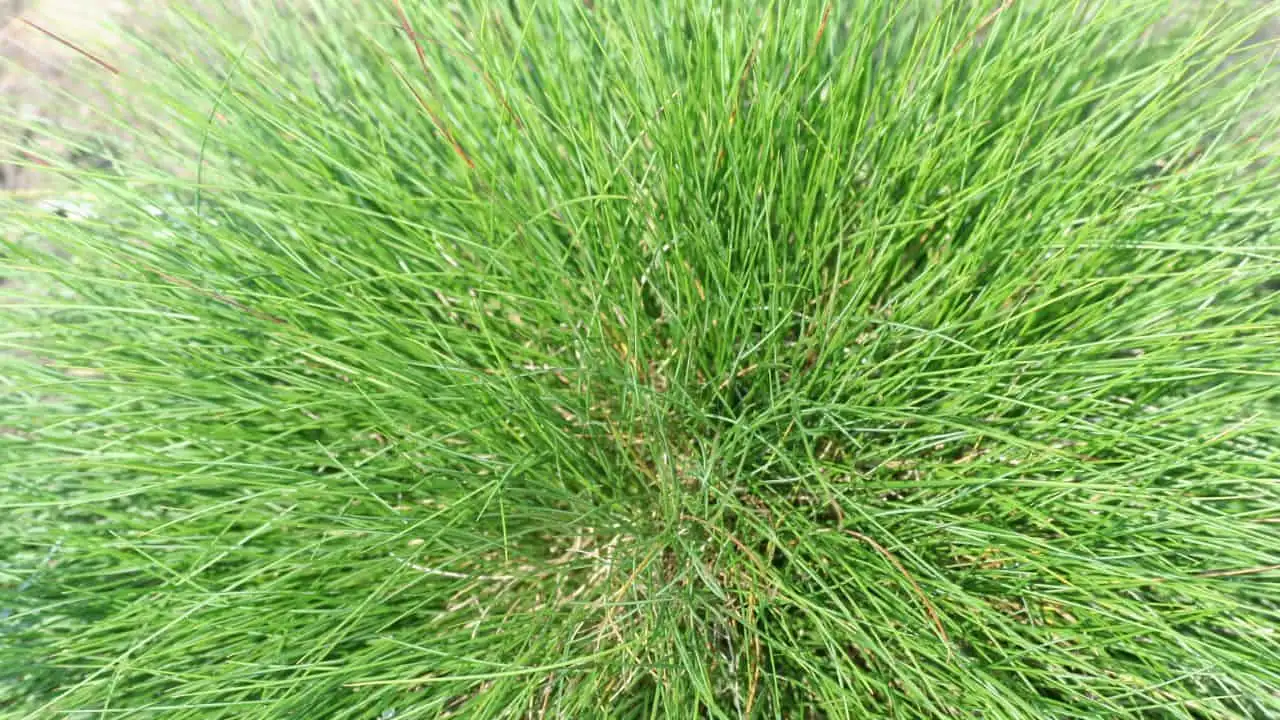
Cool-season grasses, like fescue, ryegrass, and Kentucky bluegrass, actually thrive as temperatures drop. Unlike many plants, they benefit from a fall feeding to build strong roots before winter. The key is timing — too much nitrogen during late summer heat can stress the grass and invite disease, but a fall-specific formula applied when temperatures cool will give you a lush lawn next spring.
Stop By: Don’t stop yet — but switch to a fall feeding schedule.
- Zones 3–5: Skip August nitrogen-heavy feeding. Apply a fall fertilizer around early September.
- Zones 6–7: Hold off on heavy feeding until mid-September when nights are cooler.
- Zones 8–9: Wait until late September or early October for the main fall application.
Exception: In August heat, skip high-nitrogen formulas to prevent burn and fungal problems. Stick with balanced or low-nitrogen blends until fall feeding time.
☀️ Warm-Season Lawns

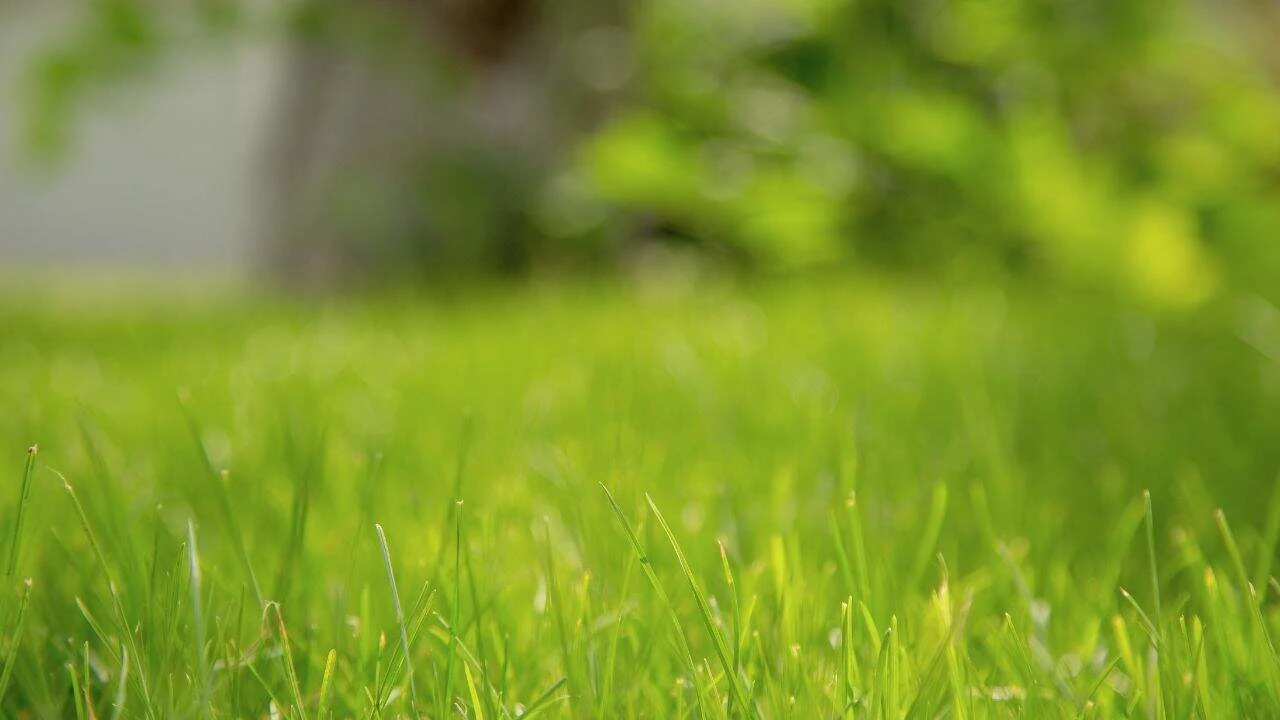
Warm-season grasses like Bermuda, Zoysia, and St. Augustine slow down as nights cool and days shorten. Fertilizing too late forces growth just as the lawn is preparing to go dormant. That late flush can be vulnerable to cold damage and may weaken the turf heading into winter. The goal is to wrap up feeding before the grass shifts its energy entirely to root storage.
Stop By:
- Zones 3–5: Early August — in colder climates, warm-season grass is already nearing its slow-down point.
- Zones 6–7: Mid to late August — this gives the lawn a few more weeks of active growth before dormancy begins.
- Zones 8–9: Early September — warm autumns allow a little extra time, but feeding should still stop well before nights drop into the 50s°F (10–12°C).
Why: Late feeding wastes nutrients and can cause frost-susceptible growth. Healthy dormancy now means a stronger, greener lawn next year.
🌼 Annual Flowers

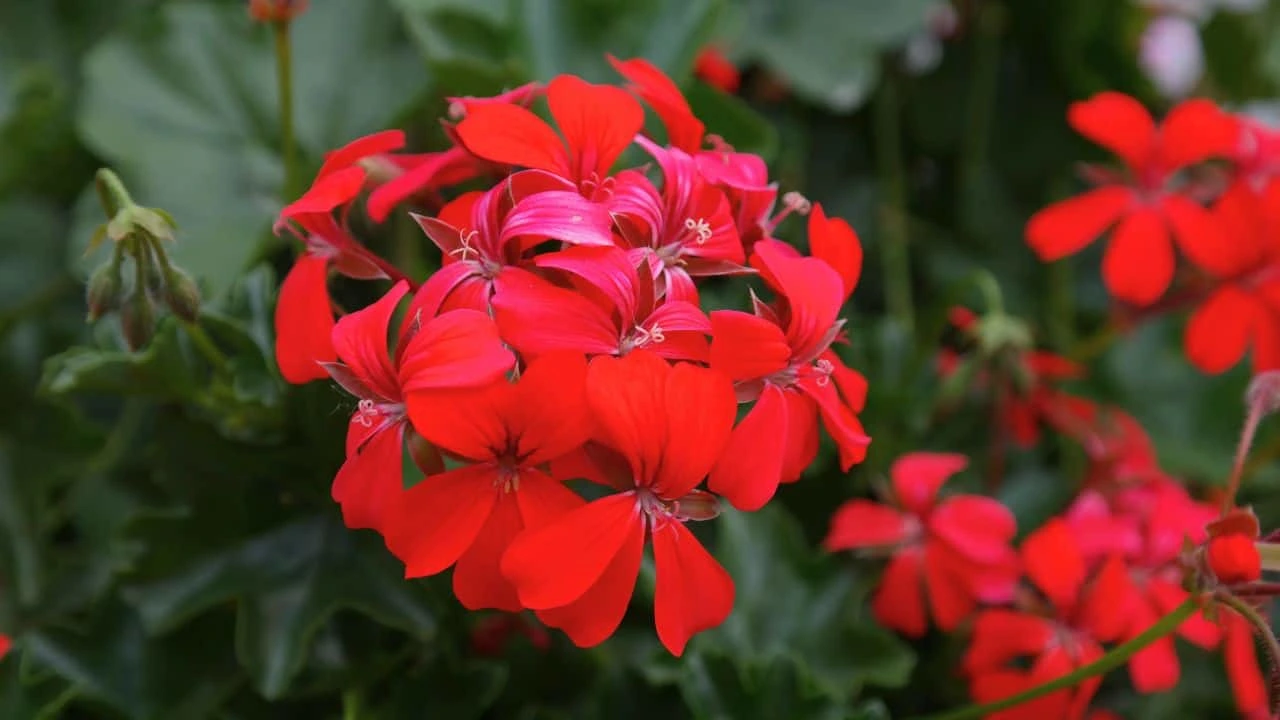
Annuals are the marathon runners of the garden — they give everything in one season and don’t need to prepare for winter. As long as they are still blooming, feeding can keep them vibrant right up to the first frost. The only limit is the plant’s natural life cycle and your region’s frost date. Once nights turn cold, they will fade regardless of fertilizer.
Stop By:
- Zones 3–5: Keep feeding until frost hits, often late September to early October.
- Zones 6–7: Continue until frost, usually late October to early November.
- Zones 8–9: In frost-free areas, feed until the plants decline naturally, which may be well into winter.
Why: Since annuals have no next year, you can feed them longer to keep blooms strong and color bright until the season naturally ends.
🍒 Fruit Trees and Berries

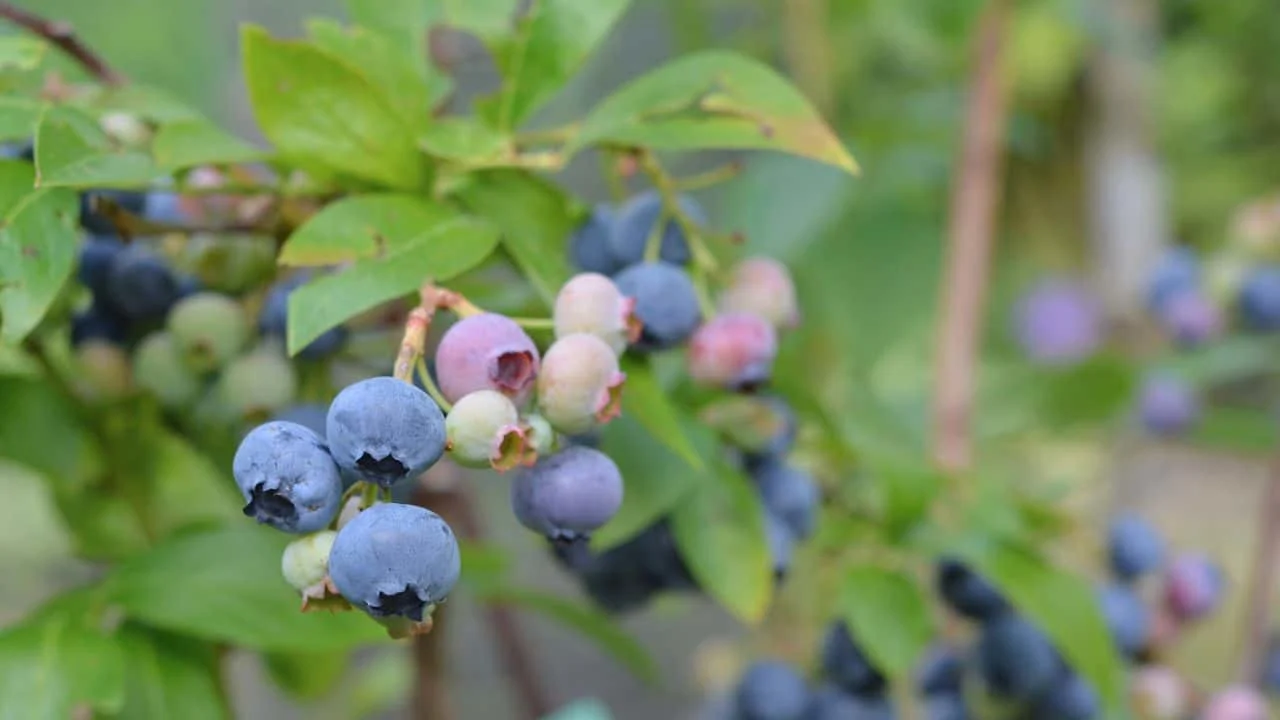
Once fruiting is over, these plants start shifting from production to preparation. Fertilizing too late can trigger a flush of new shoots that won’t have time to harden before frost. This soft growth is highly vulnerable to cold damage and can even impact next year’s yield. Stopping feed on time helps the plant store energy in roots and woody tissue instead.
Stop By:
- Zones 3–5: Mid-July to early August — shorter growing seasons mean less recovery time before frost.
- Zones 6–7: Late July to mid-August — allows several weeks for shoots to mature before cool nights.
- Zones 8–9: Early to mid-September — warmer fall weather offers a longer safe window, but still stop well before first frost risk.
Why: Fertilizing after harvest risks frost-damaged growth and weakens plants going into dormancy, which can mean fewer flowers and fruit next year.
🥕 Vegetables

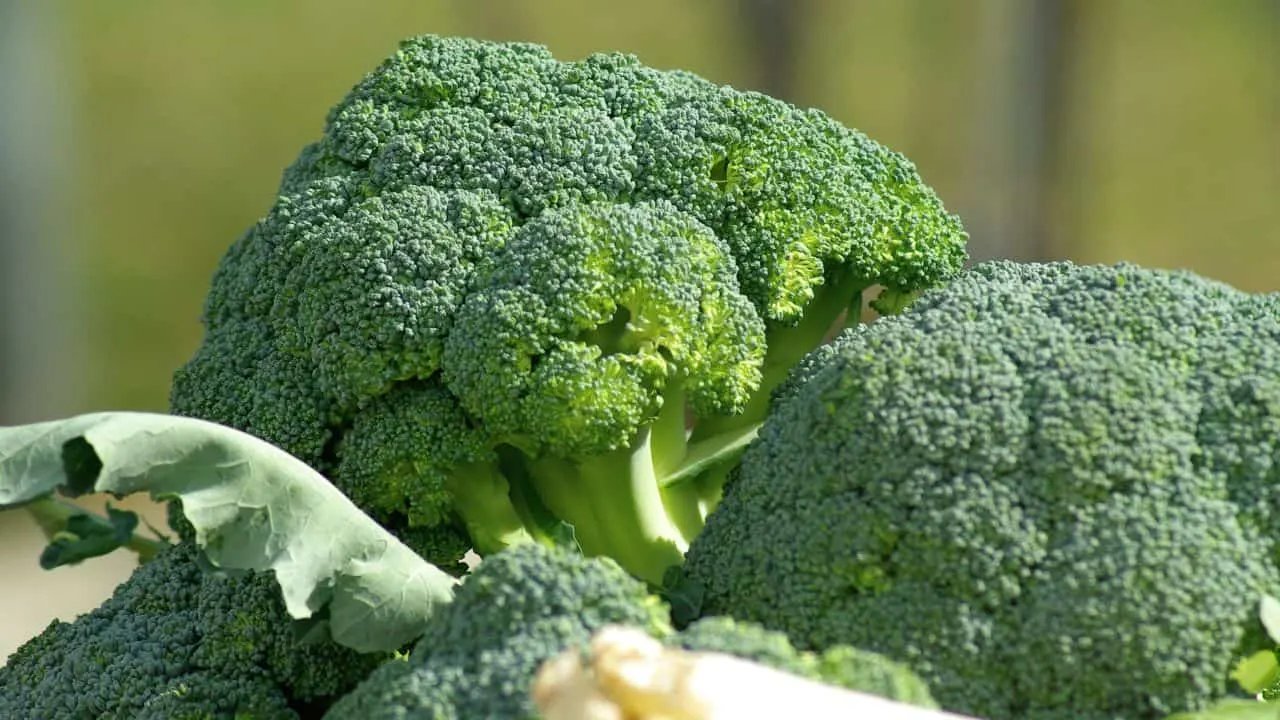
Vegetable feeding schedules depend on the crop’s life cycle. Warm-season crops, like tomatoes and peppers, can keep producing until frost, so continued feeding makes sense. Cool-season crops, like kale and broccoli, thrive in cooler weather and may need steady nutrients into fall. The key is matching fertilizer use to the plant’s remaining productive period — stop when harvest is nearly done, or when frost will halt growth.
Stop By:
- Warm-Season Crops (tomatoes, peppers, squash):
- Zones 3–5: Feed until mid-September or until frost is imminent.
- Zones 6–7: Feed until late September; harvest may extend into October with protection.
- Zones 8–9: Feed until plants naturally slow, often well into October or November.
- Cool-Season Crops (kale, lettuce, broccoli):
- Zones 3–5: Feed until harvest, which may extend past first frost with row covers.
- Zones 6–7: Feed until harvest, often through late fall.
- Zones 8–9: Feed until harvest; many cool-season crops can grow right through winter.
Why: Warm-season vegetables fade with frost, while cool-season crops stay productive in mild cold. Feed accordingly to maximize yield without wasting fertilizer.
✅ Quick Rule of Thumb
If a plant needs to go dormant for winter, stop feeding about 6–8 weeks before your average first frost date. This gives growth time to mature and harden before cold weather hits. For plants that don’t overwinter (like annuals), you can keep feeding right up to frost or until the plant naturally declines.
Average First Frost Timing by Zone:
- Zones 3–5: Early to mid-September — stop feeding dormant-bound plants by late July to early August.
- Zones 6–7: Early to mid-October — stop feeding dormant-bound plants by mid to late August.
- Zones 8–9: Late October to December — stop feeding dormant-bound plants by early to mid-September.
Mark your frost date on the calendar and work backwards. It’s the simplest way to time your last feeding for winter-ready plants.
How to End the Season on the Right Note
Knowing when to put the fertilizer away is as important as knowing when to use it. Late feeding might feel like you are giving plants a helping hand, but in many cases, it sets them up for frost damage and a rough start next spring. Time your last feeding based on your zone, give plants a chance to harden off, and let them settle into dormancy naturally. Your garden will repay you with stronger growth and healthier blooms when the warm weather returns.
🍃 Key Takeaways
- ⏳ Time matters — late feeding can cause frost-susceptible growth.
- 🌳 Trees and shrubs should stop getting fertilizer 6–8 weeks before your first frost.
- 🌸 Perennials need to focus on root reserves, not leaves, as summer ends.
- 🌱 Cool-season lawns benefit from fall feeding, but avoid August nitrogen overload.
- ☀️ Warm-season lawns should stop feeding by early September in most zones.
- 🌼 Annual flowers can be fed until frost or natural decline.
- 🍒 Fruit trees & berries should stop feeding right after harvest.
- 🥕 Vegetables depend on type — warm-season until frost, cool-season until harvest.
- 📅 Rule of thumb — stop feeding dormant-bound plants 6–8 weeks before first frost.


Daniel has been a plant enthusiast for over 20 years. He owns hundreds of houseplants and prepares for the chili growing seasons yearly with great anticipation. His favorite plants are plant species in the Araceae family, such as Monstera, Philodendron, and Anthurium. He also loves gardening and is growing hot peppers, tomatoes, and many more vegetables.