


You step out in the morning and the clues are everywhere. A tipped pot. Corn stalks folded like paper. Little handprints in the soil. One bandit has been shopping your beds while you sleep.
Raccoons are clever. They test fences, learn patterns, and remember what works. Poison and traps are not the answer. What you need is a calm plan that closes the buffet and keeps everyone safe.
This guide leans on simple truths. Raccoons avoid surprise, bright light, moving water, and places that make food hard to reach. Everything here is humane, safe for pets, and practical for your backyard.
Let’s start with the weaker tricks and build our way up to the method that almost guarantees raccoons stay out. You will want to see number 10.
Note: This article contains affiliate links to Amazon. If you purchase through these links, we may earn a small commission at no extra cost to you. It helps us keep the garden tips coming.
1. Use Companion Plants

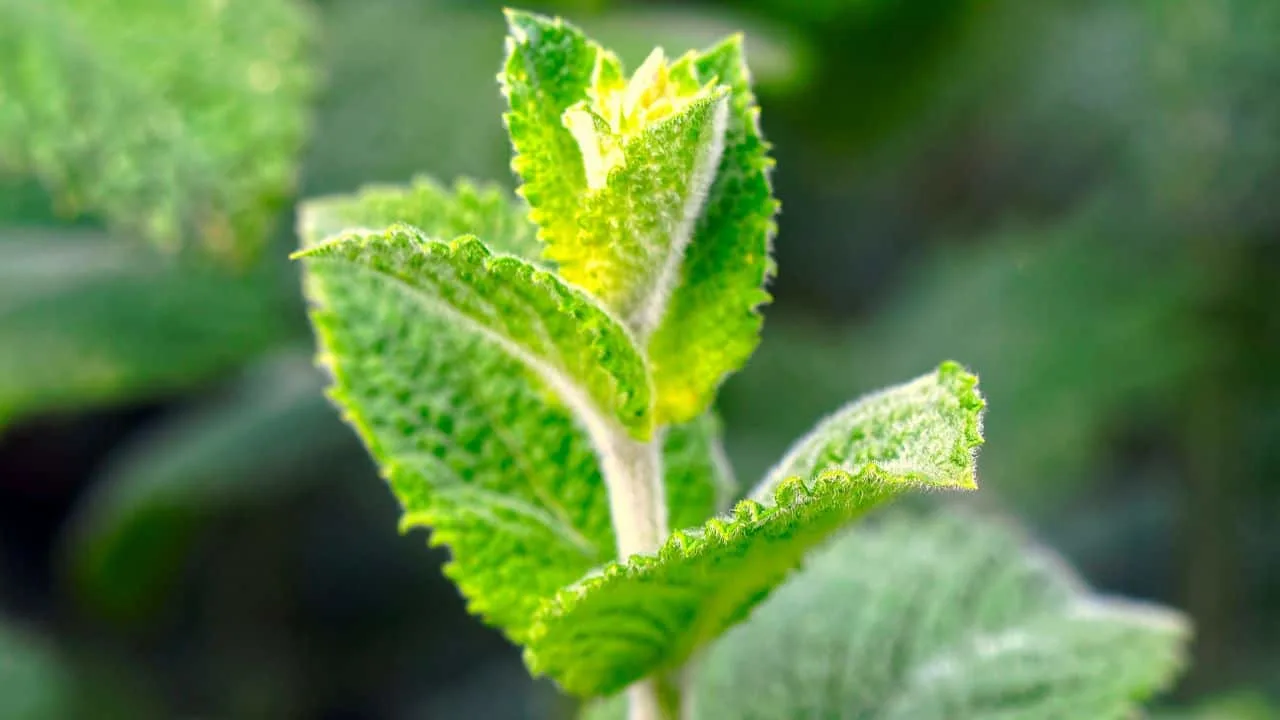
Raccoons rely heavily on smell to find food. Strong scented plants can confuse them and make a garden less appealing. Garlic, onions, and peppermint are easy choices that also work well in mixed beds.
Planting these around the edges builds a natural barrier. The sharp scents mask the aroma of ripe fruit and vegetables. Over time, raccoons learn that your garden is not worth the effort — though on their own, these plants won’t stop a determined night visitor. Think of this as a soft layer of defense rather than the main shield.
🌱 How To Get It Right
- Edges Line beds with garlic or onions to create a scented border.
- Peppermint Grow in pots or planters and place near vulnerable crops.
- Mix Combine with flowers or herbs so the barrier looks intentional and attractive.
2. Predator Scents


Raccoons are bold but not reckless. The smell of a larger predator is enough to make them rethink a late-night raid. You can use commercial sprays or granules made with fox or coyote scent for a safe deterrent.
These products do not harm plants or soil. They simply create the impression that a bigger hunter has claimed the territory. The catch? Raccoons can grow used to a single smell if it never changes. Reapply often and rotate scents to keep them guessing. On its own, predator scent is a shaky line of defense, but it helps when stacked with stronger methods.
🐾 How To Get It Right
- Placement Sprinkle or spray along fence lines, near compost, and around crop beds.
- Timing Refresh every 5 to 7 days and after any rainfall.
- Rotation Switch between scents every few weeks so raccoons do not grow used to one smell.
Lenon’s Trappers Special (Fox, Coyote, and Bobcat Urine), which gives you three predator scents to rotate for better results.
3. Solar Powered Lights
Raccoons feel safer under cover of darkness. A sudden flash makes your garden feel like the wrong place to linger. Solar units are easy to set up and cost nothing to run once installed.
Motion or flashing patterns work better than steady light. Keep them low to the ground so the glow crosses the path where raccoons walk. A few well placed units near vulnerable crops can make a real difference. Lights alone will not keep raccoons away forever, but they are a useful tool when combined with other methods.
🔆 How To Get It Right
- Placement Put lights along known raccoon paths, not randomly in the yard.
- Height Mount 30–60 cm above ground so beams cross where animals walk.
- Maintenance Wipe panels weekly so they charge fully and flash bright at night.
4. Ultrasonic Repellers

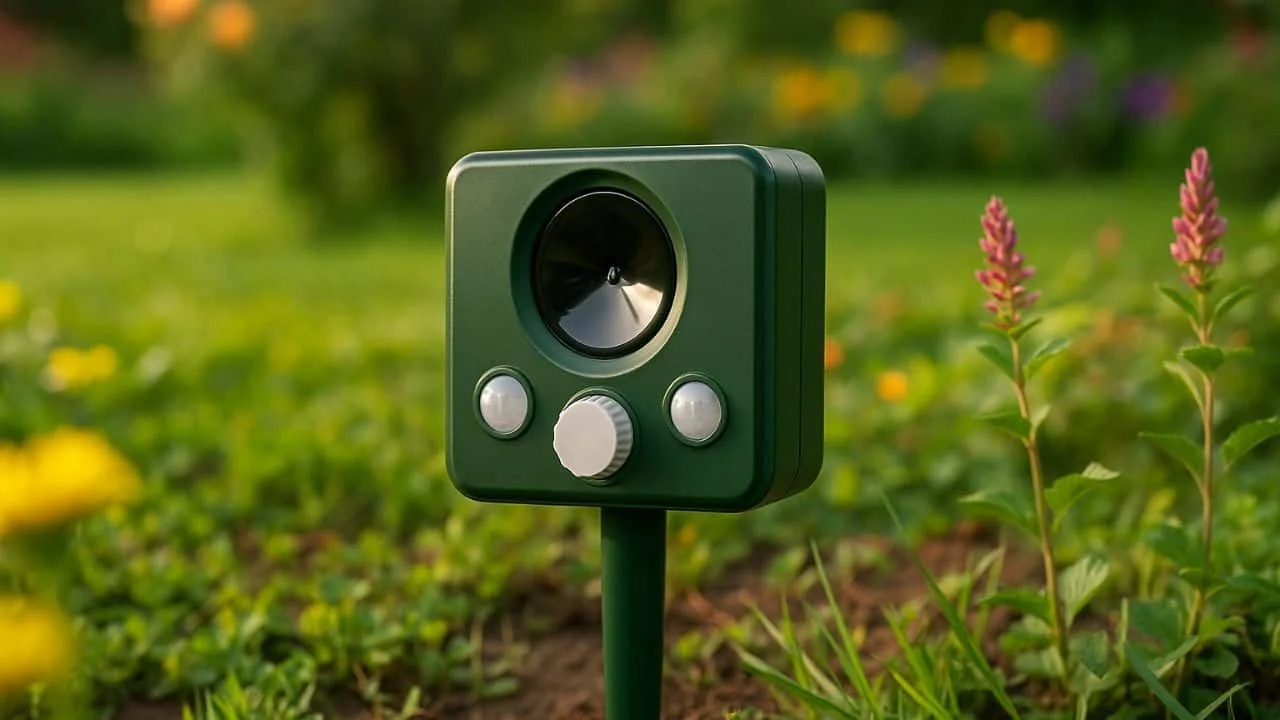
Raccoons have sharp hearing and dislike high pitched sound. Ultrasonic repellers create an uncomfortable zone without harm. They are quiet to people and most pets but can steer raccoons away when placed correctly.
Units are often solar powered and use motion detection to activate. Place them where raccoons enter, not deep inside the garden. Alone they are only part of the solution, but combined with other methods they can reduce visits.
🔊 How To Get It Right
- Coverage Angle toward likely entry points such as fence gaps or garden paths.
- Height Mount 20 to 40 cm above ground to match raccoon movement.
- Power Keep solar panels clean and recharge via USB if cloudy.
Solar Ultrasonic Animal Repellent Outdoor (for raccoons, skunks, squirrels, deer). It includes motion-activated sound and flash lights, is weatherproof, and solar-powered for easy outdoor use. Pair it with sprinklers, netting, or scent methods for the best effect.
5. Remove Water Sources

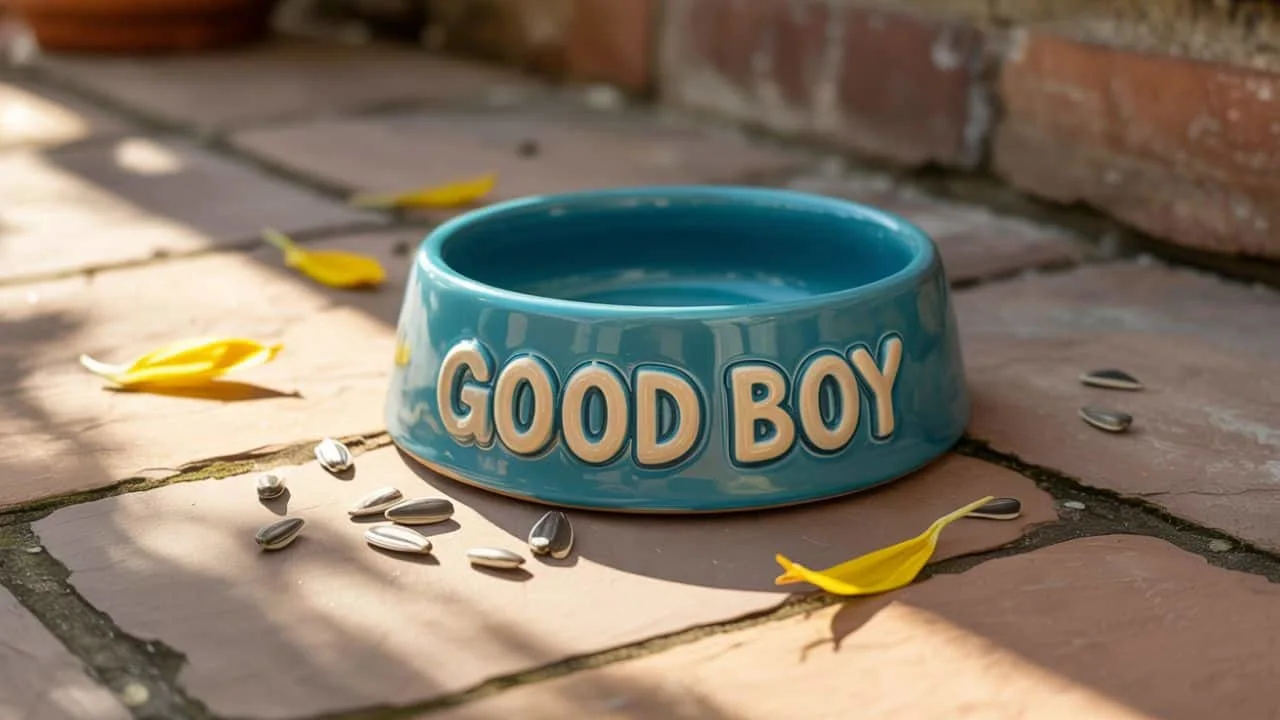
Raccoons are not only after food. A steady water supply keeps them coming back. Bird baths, pet bowls, and shallow ponds can all act like welcome mats.
Cover or empty these sources at night when raccoons are active. Small fountains and decorative ponds should be screened or drained temporarily. Even a single bowl of water on a porch can encourage repeat visits. Removing water does not solve every problem but it makes your garden far less inviting.
💦 How To Get It Right
- Pet bowls Bring them indoors at dusk and refill in the morning.
- Bird baths Use mesh covers or tip them out at night.
- Ponds Stretch netting across small ponds to block access until the problem eases.
6. Block Access Points

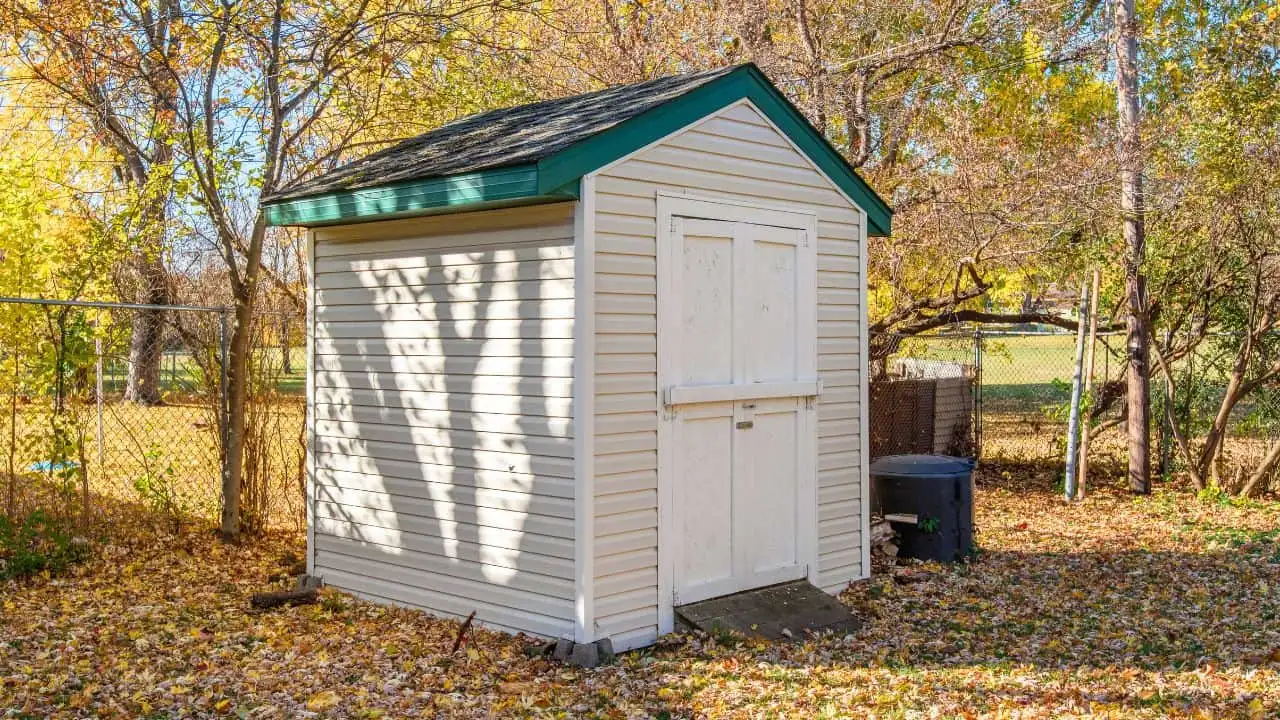
Raccoons like quiet hiding spots close to food. Spaces under sheds, decks, and raised beds give them safe cover during the day. From there it is a short trip to your vegetables at night.
Closing these gaps takes away shelter and makes your yard less attractive. Use wire mesh, hardware cloth, or wood to seal off openings. A garden without easy hiding places is much less inviting, and while it will not stop food raids entirely, it reduces the chances of raccoons settling in.
🛠️ How To Get It Right
- Inspect Walk the yard at dusk and look for holes or crawl spaces.
- Seal Cover openings with wire mesh buried 15 cm into the soil to prevent digging.
- Check again Reinspect weekly to spot fresh attempts at entry.
7. Secure Trash And Compost

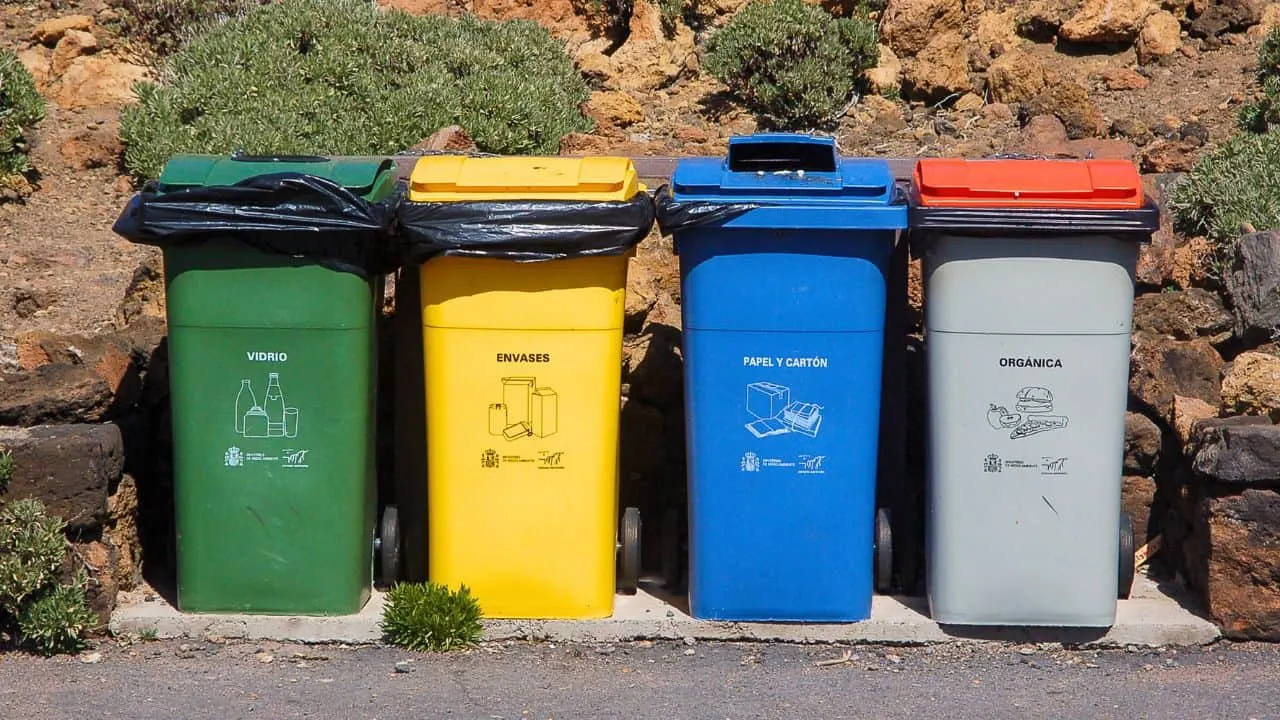
Raccoons follow scent like a map. If the trash smells like last night’s dinner, the garden becomes a campsite. Tight lids and tidy edges erase the invitation.
Compost can be a buffet if it is loose or sweet. Lock it down, turn it often, and bury food scraps deep. Keep pet food indoors once the sun goes down. Done right, this step removes one of the strongest reasons raccoons come sniffing around.
🗑️ How To Get It Right
- Trash Use bins with snap lids or metal clips and rinse them once a week.
- Storage Keep bins on a hard surface and bungee them to a post so they cannot tip.
- Timing Put bags out the morning of pickup, not the night before.
✅ Quick Steps
- Double bag strong smelling waste and freeze scraps until pickup day.
- Wipe bin rims with vinegar or citrus to mute odor trails.
- Move bins away from fences that raccoons use as ladders.
⚠️ Important
- Compost Use a closed tumbler or a latching lid. Bury kitchen scraps 20 cm deep and avoid meat, fish, and dairy.
- Water Keep lids dry. Wet rims hold scent longer.
8. Netting Over Crops
Corn, melons, and tomatoes are magnets for raccoons in late summer. They are sweet, easy to grab, and often ripe right when wildlife is hungriest. A simple cover changes the story from free buffet to locked pantry.
Garden netting is light, flexible, and easy to install over hoops or stakes. It keeps crops visible but out of reach. Choose a mesh size small enough to block paws but wide enough for airflow and light. When secured correctly, netting is a strong physical barrier that raccoons rarely bother to challenge.
🪡 How To Get It Right
- Support Drape netting over hoops or stakes so it does not rest directly on fruit.
- Edges Pin or weigh down sides with bricks, boards, or garden staples to stop raccoons lifting it.
- Access Leave a flap or clip section for easy harvest without tearing the mesh.
NONMON Heavy Duty Garden Netting. It is durable, reusable, and comes in a large roll that can cover multiple beds.Tip: For raccoons, make sure to secure the edges firmly with bricks, boards, or garden staples. A raccoon can lift loose netting, so the way you pin it down makes all the difference.
9. Motion Activated Sprinklers
Raccoons hate surprise water bursts. Motion activated sprinklers detect movement and spray a quick jet that turns a midnight snack into a retreat. They are humane, startling, and highly effective when carefully placed.
Set them along garden edges, in front of tomato patches, or near compost. With proper placement and upkeep, these sprinklers are among the strongest defenses in your garden toolkit.
💧 How To Get It Right
- Placement Angle the sensor slightly downward and point it across the path rather than directly at the bed. This captures side to side movement best.
- Height Set the head around knee height. Too low and leaves block it; too high and small visitors slip under dry.
- Coverage Overlap zones for long beds—sprinklers placed 4 to 6 meters apart reduce blind spots.
- Sensitivity Set mid-level. Too high wastes water on blown leaves; too low lets raccoons through dry.
- Timing If available, enable dusk to dawn mode. It saves water during the day and avoids startling pets or people.
- Water use A few seconds of spray at night uses very little water but saves entire fruits.
- Maintenance Clear spider webs and flush buildup from nozzles monthly for reliable activation.
Motion-Activated Sprinkler Animal Repeller (Solar + Battery Backup). It features wide detection range, solar power with battery backup, and adjustable spray settings—perfect for deterring raccoons when paired with netting or scent strategies.
10. Harvest Early And Often

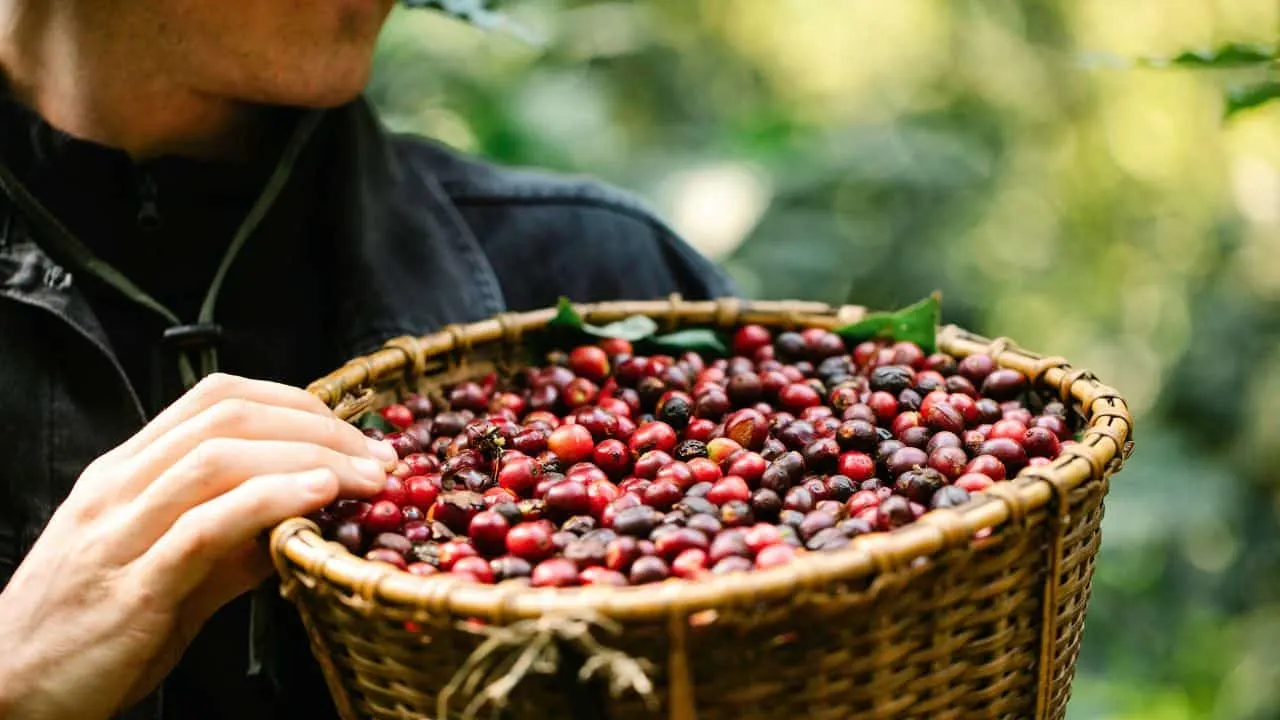
Raccoons are quick to notice when fruits and vegetables hit peak ripeness. A patch of red tomatoes or sweet corn is like a flashing sign for night raids. The longer produce sits, the greater the chance it will be stolen.
Pick crops as soon as they are ready instead of waiting for the perfect day. Even slightly underripe produce will finish ripening indoors. Regular harvests not only protect your yield but also cut the lure that keeps raccoons circling. This is the most reliable method of all because without food, there is no reason for raccoons to visit.
🌽 How To Get It Right
- Check daily Walk beds each evening and gather anything near ripe.
- Ripen inside Let tomatoes, melons, and pears finish on a counter away from raccoons.
- Stagger harvest Plant successive rows so no single patch becomes a feast all at once.
Closing the Buffet


Raccoons will always test your garden, but you have more control than it seems. Some tricks only slow them down while others stop them in their tracks. The key is to layer methods so your yard feels like too much trouble compared to easier targets down the street.
Start with simple fixes like locking trash, covering water, and adding motion deterrents. Back it up with stronger steps such as netting and daily harvests. With a little consistency, you keep your food for yourself and send the midnight visitors packing.


Daniel has been a plant enthusiast for over 20 years. He owns hundreds of houseplants and prepares for the chili growing seasons yearly with great anticipation. His favorite plants are plant species in the Araceae family, such as Monstera, Philodendron, and Anthurium. He also loves gardening and is growing hot peppers, tomatoes, and many more vegetables.