

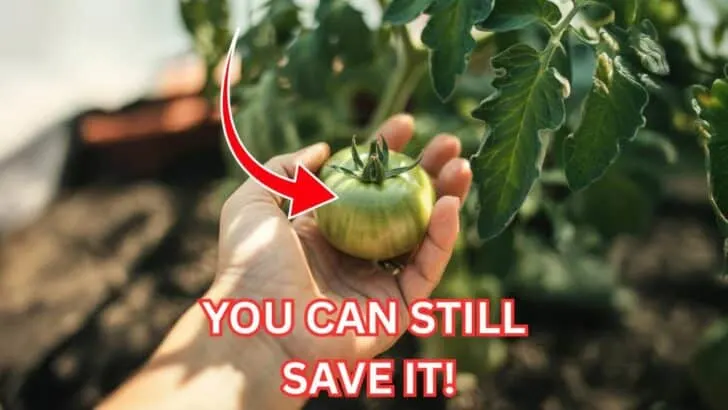
Tomatoes are stubborn. Just when you think they should be blushing red, they sit there, green and smug, as if daring you to wait until frost comes. By late summer, this can drive gardeners crazy. You put in months of work, and now the clock is ticking.
The good news is you are not powerless. There are simple tricks that shift your plants out of “keep growing” mode and into “ripen what you have” mode. In this guide, we will walk through seven proven methods to speed things up so you can enjoy more ripe tomatoes before cold nights shut down the season.
1. Pinch Off New Flowers and Tiny Fruit
Tomatoes are ambitious little overachievers. Even in late August they keep putting out blossoms, as if there is time for a whole new crop to ripen. The truth is, there isn’t. Every flower or marble-sized fruit is a distraction, pulling resources away from the bigger, nearly ripe tomatoes you actually want on your plate.
By removing new flowers and baby fruit, you’re sending a clear message to the plant: stop daydreaming and finish what you already started. This forces the plant to pour its energy into swelling and coloring the tomatoes already on the vine, instead of wasting precious days on growth that frost will cut short anyway.
2. Reduce Watering Slightly
Tomatoes love a good soak in midsummer, but by late August too much water keeps them focused on leafy growth instead of finishing their fruit. If the soil is always damp, the plant thinks it still has plenty of time. A little stress is actually useful now because it tells the plant the season is winding down.
The trick is not to starve them. You still want steady moisture so the fruit does not crack, but cut back just enough so the roots are encouraged to finish the job instead of feeding new shoots. Think of it as nudging the plant toward ripening mode instead of growth mode.
3. Prune Excess Leaves for Sunlight
Tomato plants can turn into wild jungles by late summer, with thick leaves shading every cluster of fruit. The problem is that shaded fruit ripens slower and stays pale. Sunlight and warmth are the real drivers of ripening, so if the fruits are buried under foliage, they will take their sweet time.
By carefully pruning away some of those big, shading leaves, you open up the canopy. This lets the sun hit the fruit directly, warms it up during the day, and improves air circulation so moisture does not linger. The plant will not miss a few leaves, but your tomatoes will blush red much faster.


4. Lift Fruit Off Cold Soil
Tomatoes that rest directly on the soil ripen slower and are much more likely to rot before they turn red. The soil stays cooler at night and holds moisture, which keeps the fruit damp and sluggish instead of warm and ready to color. A simple lift is all it takes to speed things up and protect your harvest.
You can slip a flat board under clusters, tuck in a thick layer of clean straw, or even use a bit of mulch to keep fruit off the ground. This trick warms the bottom of the fruit, reduces contact with pests, and keeps your tomatoes ripening evenly instead of stalling on one side.
- Use straw or hay for a natural cushion.
- Place a wooden board under larger clusters.
- Try reflective mulch to add warmth and light.
5. Use Ethylene Gas Indoors
Sometimes the fastest way to ripen tomatoes is to take them off the plant altogether. Mature green tomatoes already have the potential to turn red, they just need a push. That push comes from ethylene gas, the natural ripening hormone that fruits release. Ripe bananas and apples give off lots of it, which is why pairing them with tomatoes works like a charm.
The trick is simple: place your tomatoes in a paper bag or cardboard box with a ripe banana or apple. The enclosed space traps the ethylene gas and speeds up the process. Within a few days, your tomatoes will start blushing and then fully ripen without ever seeing the sun.
- Check daily to prevent overripening or mold.
- A breathable bag works better than plastic.
- Sort tomatoes by ripeness to keep the process consistent.
6. Pull the Whole Plant Before Frost
When frost is on the horizon, leaving tomatoes outside is a gamble you’ll lose. But even if the plant cannot stay in the garden, it can still keep working for you. Uproot the entire plant, shake off excess soil, and hang it upside down in a sheltered spot like a garage, shed, or basement. The fruit continues to ripen as nutrients slowly move out of the stems and leaves.
This old-school trick buys you weeks of ripening time after the garden season has officially ended. The tomatoes may not be as perfectly sweet as sun-ripened ones, but they will still turn red and usable for sauces, soups, or fresh eating when you crave late-season flavor.
- Hang plants where temperatures stay above freezing but below 70°F.
- Keep airflow steady to avoid mold growth.
- Harvest fruit as soon as it colors — don’t wait for every tomato to ripen at once.
7. Add Heat With Mulch or Plastic
Tomatoes slow down as nights get cooler, but you can give them a push with a little extra warmth. Covering the soil with black plastic, reflective mulch, or even a thick layer of straw traps heat during the day and keeps roots warmer at night. Warmer soil encourages the plant to keep sending energy into ripening instead of stalling out.
This trick is especially handy in late August and September when the sun still has power, but evenings dip enough to make tomatoes hesitate. A bit of insulation around the roots is often the difference between half-green fruit and a basket of ripe reds before frost.
- Black plastic warms soil fastest, but straw mulch is better for moisture retention.
- In cooler zones, combine mulch with cloches or row covers for bonus protection.
- Remove coverings before heavy rain to prevent soggy roots.
How to Ripen Tomatoes Before the Season Ends
Green tomatoes hanging on the vine at the end of summer can feel like unfinished business, but it is not a lost cause. With a few smart tricks you can nudge them toward full color and flavor before frost shuts things down. From pinching off flowers to adding a little extra warmth, each step tilts the odds in your favor. Even if you cannot ripen every single tomato outdoors, you can bring the rest inside and finish the job without wasting the harvest. The season’s work deserves a proper ending, and these tactics give your plants that final push.
🌿 Key Takeaways
- 🍅 Late summer tomatoes can still ripen with a few smart tweaks.
- 🌞 Redirecting plant energy, boosting warmth, and steady airflow make the biggest difference.
- 🛒 If frost looms, bring them indoors or even hang whole plants — the harvest does not have to go to waste.
- 📅 The goal is not perfection, but finishing strong before the season closes.
❓ Frequently Asked Questions About Ripening Tomatoes
1. Can all green tomatoes ripen indoors?
No. Only mature green tomatoes — those full-sized with a glossy, slightly lighter green skin — will ripen. Tiny, marble-sized fruit usually will not.
2. How long does it take for tomatoes to ripen in a paper bag?
Usually 3–7 days, depending on the starting stage of the tomato. Adding a ripe banana or apple speeds the process by releasing ethylene gas.
3. Should I stop watering tomatoes completely to speed ripening?
Not completely. Slightly reducing water encourages ripening, but cutting it off entirely can stress plants and cause fruit cracking.
4. Why do some tomatoes never turn red even at the end of the season?
Some varieties stay green or yellow by nature. If your tomato was bred that way, no amount of ripening tricks will turn it red.
5. Is it safe to eat tomatoes that cracked before ripening?
Yes, if the cracks are fresh and clean. Just cut around the damaged parts. If mold or rot sets in, compost them instead.
6. Can I ripen tomatoes on a windowsill?
Yes, but avoid direct hot sunlight. Bright indirect light works better, since strong sun can overheat or shrivel the fruit instead of ripening it evenly.


Daniel has been a plant enthusiast for over 20 years. He owns hundreds of houseplants and prepares for the chili growing seasons yearly with great anticipation. His favorite plants are plant species in the Araceae family, such as Monstera, Philodendron, and Anthurium. He also loves gardening and is growing hot peppers, tomatoes, and many more vegetables.