


September looks quiet in the berry patch. Leaves are tired, canes are calm, and nothing seems urgent. That is exactly why most gardeners miss the moment. The soil is still warm, the air is cooler, and roots love this combination.
Plant or reset berry bushes now and they spend fall knitting roots in peace. By spring they wake up ahead of anything planted later. Wait until spring and you lose that head start, along with a chunk of next year’s harvest.
This is the window. Give blueberries, raspberries, currants, or blackberries a home in September and you set them up for sweeter, heavier crops next season.
1. Why September Is Berry Bush Month

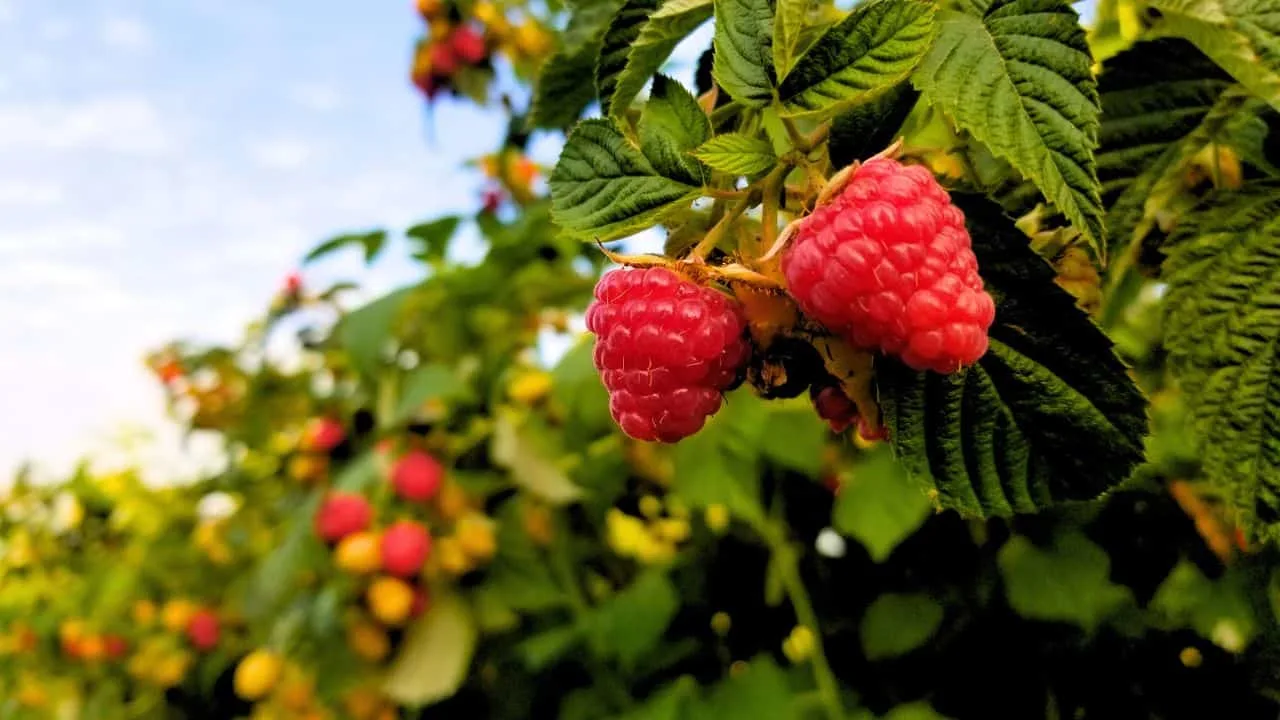
Berry bushes like to settle in quietly before they burst into life. September gives them exactly that chance. The days are cooler, which reduces stress on new plants, while the soil still holds summer warmth that encourages strong root growth. It is the perfect one-two punch for getting bushes established.
Timing varies a little depending on your zone. In colder regions (Zones 3–5), aim for early September so roots have a good head start before frost. In mid-range zones (Zones 6–7), mid to late September works fine, and in the South (Zones 8–9), you can often push into October because frost arrives later. The earlier you plant, the better the roots will anchor before winter.
🍇 Why September Works So Well
- Warm soil: Roots grow fast when the ground is still holding summer heat.
- Cool air: Reduces transplant stress and keeps foliage from wilting.
- Recovery time: Several weeks left before frost gives roots a chance to settle.
- Zone advantage: Northern zones benefit from early planting, while southern zones can extend the window into October.
Bonus Tip: Check your local frost date. Plant at least 4–6 weeks before the average first frost so your berry bushes have enough time to root in.
2. Choosing the Right Berry Bushes for Fall

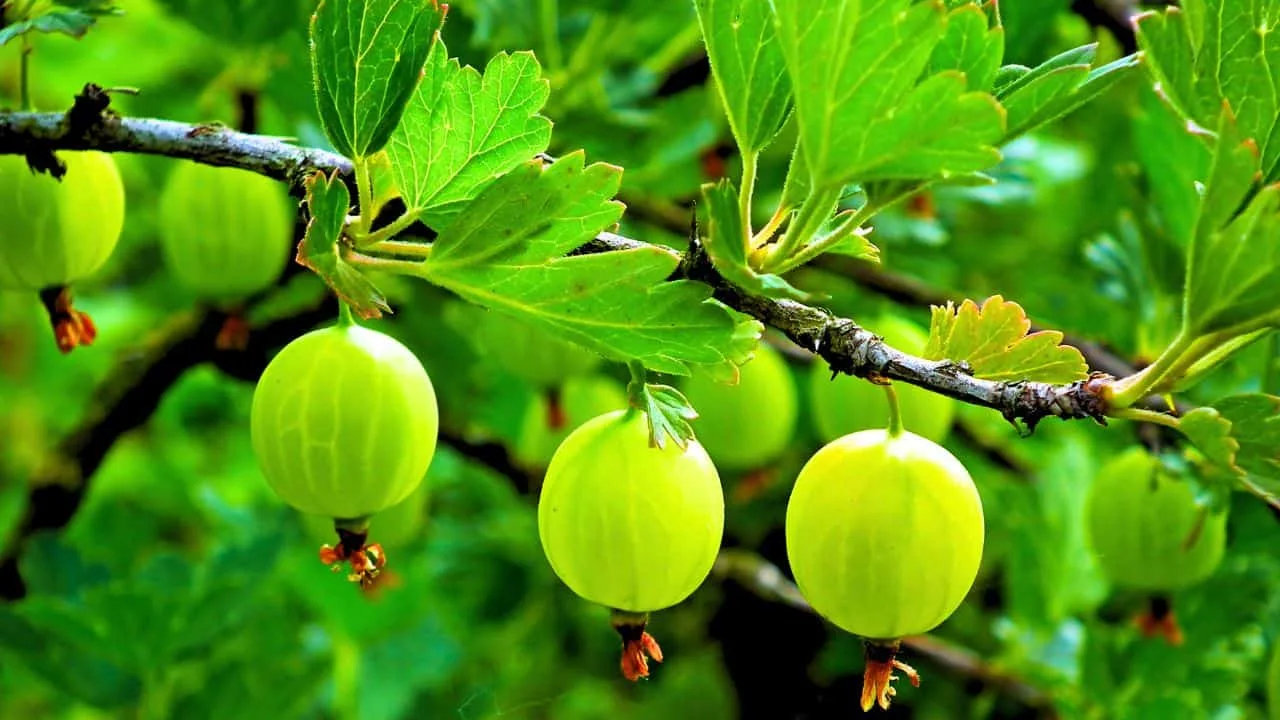
September is a great time to match plants to your climate, not just your cravings. Pick bushes that fit your zone and you get faster establishment and a bigger payoff next year. Think about chill hours, soil needs, and growth habit before you buy. That little planning step saves you years of disappointment.
Blueberries, raspberries, currants, and blackberries all plant well now, but they are not interchangeable. Some love cold, some hate heat, some need acidic soil, and some spread like they own the place.
🍓 Best Berry Choices by Zone and Site
- Blueberries: Need acidic soil (pH 4.5 to 5.5). Highbush types suit Zones 4–7, rabbiteye thrive in Zones 7–9, half-highs handle colder Zones 3–5. If your soil is neutral, use large containers or raised beds with acidic mix.
- Raspberries: Summer-bearing and everbearing both do well in Zones 4–7. Heat can stress them in Zones 8–9, so pick heat-tolerant varieties and give afternoon shade. In very cold Zones 3–4, choose hardy types and mulch well.
- Blackberries: Erect thornless types fit small gardens and Zones 5–9. Trailing types need support and prefer milder winters. In Zones 6–7, they love September planting. In Zones 8–9, plant a bit later if soils are hot.
- Currants and Gooseberries: Excellent in cooler climates, best in Zones 3–6. They tolerate part shade and cooler summers. Check local regulations before planting in areas with white pine blister rust restrictions.
- Sun and space: All berries want at least 6 hours of sun and room for air flow. Tight spacing invites disease and weak crops.
Bonus Tip: Ask for locally adapted cultivars. A blueberry that crushes it in Maine is not the same one that thrives in Georgia. Matching variety to zone is half the battle.
3. Picking the Perfect Spot
Berry bushes are simple but picky. Give them sun, draining soil, and space to breathe, and they pay you back for years. Put them in soggy shade or a wind tunnel and you get small berries and sick plants. The right site does most of the work for you.
Match the spot to your climate. In hot zones, afternoon shade keeps fruit from baking. In cold zones, a sunny, wind-sheltered nook helps new plantings harden off before winter.
📍 Site Rules That Grow Sweeter Berries
- Sunlight: Aim for 6 to 8 hours of direct sun. In Zones 8–9, afternoon shade helps raspberries and currants keep their cool.
- Drainage: Roots hate wet feet. If soil stays damp after rain, plant on a low mound or in raised beds. Sandy sites need extra mulch to hold moisture.
- Soil match: Blueberries need acidic soil (pH 4.5–5.5). Use peat-free acidic mixes or sulfur to adjust. Other berries prefer near-neutral soils with plenty of organic matter.
- Air flow, not wind: Gentle breeze keeps leaves dry, but harsh wind dehydrates canes. In Zones 3–5, a fence or hedge on the north side helps.
- Avoid frost pockets: Low spots collect cold air. Slight slopes or higher ground protect early blossoms in spring.
- Space to spread: Give canes room. Raspberries and blackberries need rows with 2–3 feet between plants and 6–8 feet between rows. Blueberries and currants do well with 3–5 feet between plants.
- Root competition: Keep distance from thirsty tree roots. Lawns are fine if you maintain a wide mulch ring around each bush.
- Water access: A simple soaker hose saves new plantings. In arid areas, deep mulch reduces summer stress.
Bonus Tip: In cold Zones 3–5, a south-facing wall or fence adds a gentle heat bump. In hot Zones 8–9, choose an east-facing spot so plants get cool afternoon relief.
4. How to Plant for Maximum Root Growth

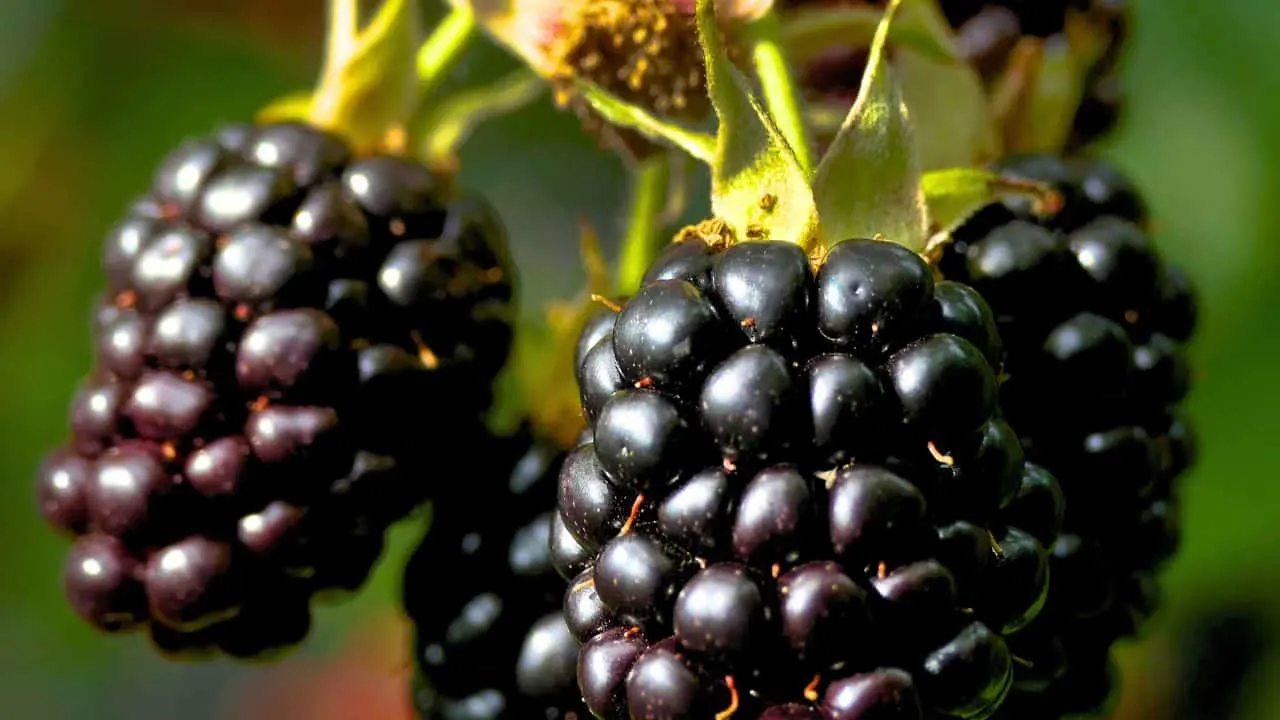
Planting berry bushes in September is all about setting roots, not pushing top growth. Get the depth right, spread the roots, and let the soil do the rest. Too shallow and the plant dries out. Too deep and it sulks. Aim for that sweet spot where roots can stretch and anchor before winter.
Skip the fertilizer now. You want energy going into roots, not leaves. The reward is a bush that wakes up in spring already settled and ready to surge.
🌱 Planting Steps for Strong Roots
- Dig wide, not deep: Make a hole twice as wide as the root ball but only as deep. Roots need room to spread sideways.
- Set the crown level: For blueberries and currants, keep the crown at soil level. For raspberries and blackberries, plant at the same depth they grew in the nursery pot.
- Spread roots out: Fan roots in every direction instead of bunching them. This prevents girdling and encourages faster establishment.
- Backfill with loosened soil: Use the native soil you dug out. Adding too much rich compost can shock young roots in winter.
- Water deeply: Give a long soak to eliminate air pockets and help soil settle around roots.
- No fertilizer now: Wait until spring to feed. Fall fertilizer triggers leaf growth that frost kills.
Bonus Tip: In Zones 8–9, plant slightly higher on a mound to improve drainage during winter rains. In colder Zones 3–5, plant level with soil but add mulch after the ground freezes for insulation.
5. Mulch and Protect Before Frost
New berry bushes put their energy into roots first, but those roots are still tender when winter arrives. A good mulch layer acts like a blanket. It keeps soil temperatures steadier, locks in moisture, and shields young roots from freeze-thaw swings that can heave plants out of the ground.
The trick is to mulch right, not heavy. Too much mulch smothers the crown and invites rot. A light, even layer is all it takes to carry your plants safely through winter.
🍂 Mulching Rules for New Berry Bushes
- Apply after planting: Spread 2–3 inches of straw, shredded leaves, or pine needles around the base.
- Keep crowns clear: Leave a small gap around the main stem so air circulates and rot does not set in.
- Adjust for zone: In Zones 3–5, add an extra mulch layer once the ground freezes to trap winter cold and prevent heaving. In Zones 8–9, stick with a thinner layer to avoid soggy soil in rainy winters.
- Refresh as needed: Top up mulch if it blows away or settles too much before frost.
- Pull back in spring: Remove excess mulch as soon as growth starts to warm the soil and wake the plant.
Bonus Tip: If voles or mice are a problem in your area, avoid thick straw mulch. Use shredded leaves or pine needles instead, which are less appealing to rodents.
6. Caring Through Fall and Winter
Once your berry bushes are planted and mulched, the best care is often the simplest. Their job is to settle roots before the freeze, not to grow leaves or canes. Your job is to give steady moisture until the soil cools and then let them rest.
Different zones call for slightly different routines. In northern regions, the focus is on insulation against deep cold. In warmer zones, drainage and avoiding soggy roots through winter rains matter more.
❄️ Fall and Winter Care Tips
- Water until frost: Keep soil slightly moist through fall. Stop once the ground begins to freeze.
- Zone 3–5: Add an extra mulch layer after soil freezes solid to prevent heaving from freeze-thaw cycles.
- Zone 6–7: Standard mulch is usually enough. Watch for mid-winter thaws that can expose crowns and add more mulch if needed.
- Zone 8–9: Focus on drainage. Winter rains can waterlog soil, so raised beds or mounds help protect roots.
- Hands off in winter: Do not prune or fertilize until spring. Disturbing plants now can break dormancy too early.
- Spring wake-up: As temperatures rise, pull mulch back, feed lightly with balanced fertilizer, and water deeply to kickstart growth.
Bonus Tip: Keep snow where it falls on your berry beds. Snow is the perfect insulator, protecting roots from extreme cold and swings in temperature.
The September Window That Sets Up Your Harvest


Berry bushes reward gardeners who act early. September gives them warm soil, cool air, and time to anchor before winter. Plant now and you hand them a head start that spring-planted bushes never catch up to.
Skip this month and you lose a whole year of growth and harvest. Take it, and your blueberries, raspberries, currants, or blackberries will repay you with sweeter, heavier crops for seasons to come. September is quiet above ground, but below the soil your next harvest is already beginning.
🌿 Key Takeaways
- 🍇 September is the launch pad. Berry bushes planted now root deeply while the soil is warm, giving them a jump on next year’s growth.
- 🌞 Site and soil matter more than speed. Sunlight, drainage, and the right soil type are what turn canes into heavy producers, no matter the variety.
- ❄️ Winter is not the enemy. With mulch and steady fall care, cold becomes an ally that hardens roots and sets up spring vigor.
- 🍓 Patience turns into payoff. What looks like quiet plants through fall and winter is really hidden work that delivers bigger, sweeter crops later.
Frequently Asked Questions About Planting Berry Bushes in September
1. Is September really better than spring for planting berry bushes?
Yes. September gives bushes warm soil and cool air to establish roots. By spring, they are already settled and grow faster than spring-planted bushes.
2. Can I plant berry bushes right up until frost?
It depends on your zone. Aim to plant 4–6 weeks before your average first frost. In Zones 3–5 that means early September. Zones 6–7 can often plant into late September, and Zones 8–9 may stretch into October.
3. Which berries do best with fall planting?
Blueberries, raspberries, blackberries, currants, and gooseberries all handle September planting well. Just match the variety to your zone for best results.
4. Do I need to fertilize new berry bushes in fall?
No. Fertilizing now pushes soft growth that frost kills. Wait until spring to feed lightly once new shoots appear.
5. How much mulch should I use around new bushes?
Spread 2–3 inches of organic mulch, such as straw, shredded leaves, or pine needles, around the base. Keep mulch a few inches away from the crown to avoid rot.
6. Will new berry bushes survive harsh winters?
Yes, if planted early enough to establish roots and protected with mulch. In Zones 3–5, add an extra layer of mulch once the soil freezes.
7. When can I expect my first real harvest?
Most berry bushes give light crops the second year and heavier harvests by the third year. Planting in September speeds up that timeline compared to spring planting.


Daniel has been a plant enthusiast for over 20 years. He owns hundreds of houseplants and prepares for the chili growing seasons yearly with great anticipation. His favorite plants are plant species in the Araceae family, such as Monstera, Philodendron, and Anthurium. He also loves gardening and is growing hot peppers, tomatoes, and many more vegetables.