

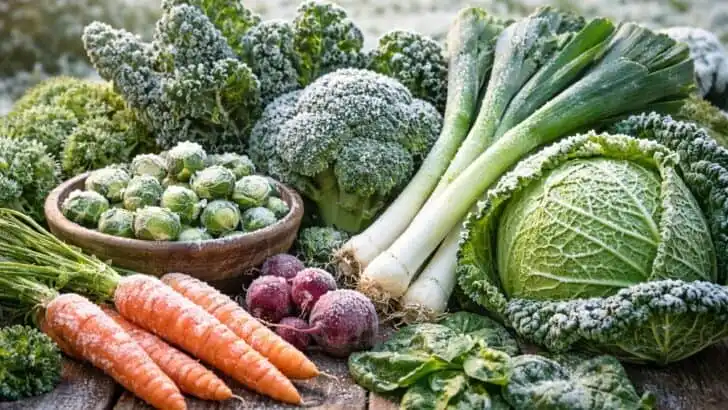
February feels early, but it is a smart time to start a few frost resistant vegetables if you pick the right ones. Most misses come from one simple mix-up, cold tolerant seedlings are not the same as plants that can handle repeated freezes. We will focus on veggies you can start now, plus the small steps that keep them growing when nights dip low.
You will also see the signals to watch for, like soil that stays soggy, sudden warm spells, and wind that dries trays fast.
1. Spinach: Direct Sow Now for Early Spring Leaves

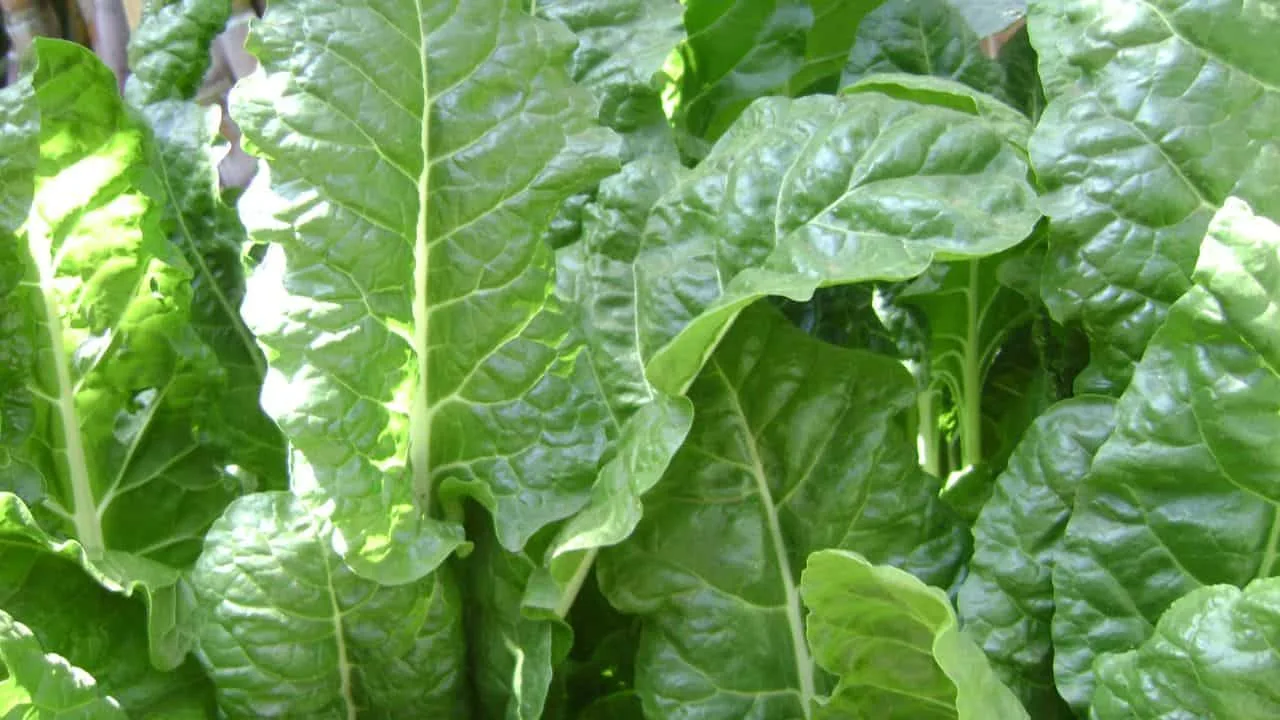
Spinach can be direct sown in February as soon as the soil is workable. Cold nights actually help it stay sweet.
Pick a spot with morning sun and a little afternoon shade, especially if your springs warm up fast. Scratch seeds in about 1/2 inch deep, then keep the seedbed evenly damp until you see sprouts.
If the ground is still cold, cover the row with a light fabric row cover to speed germination and protect seedlings from wind. Thin plants to about 3 to 4 inches apart for baby leaves, or 6 inches for larger leaves. Harvest outer leaves often, and the plant will keep producing for weeks.
💧 Make Spinach Germinate Faster
- Soil check: Sow when you can crumble the soil in your hand, not when it forms sticky clumps.
- Seed depth: Aim for about 1/2 inch deep, then press the soil gently so seeds have good contact.
- Moisture routine: Keep the top inch evenly damp until sprouts appear. A light misting is often better than a hard spray.
- Row cover trick: Use a light fabric cover on cold, windy nights. Remove it on mild days so seedlings do not overheat.
- Thinning target: Thin to 3 to 4 inches for baby leaves, or 6 inches for bigger leaves and easier picking.
Bonus Tip: For steady harvests, sow a short row now, then sow again in about 10 to 14 days.
2. Kale: Start Indoors Now for Transplants That Laugh at Frost

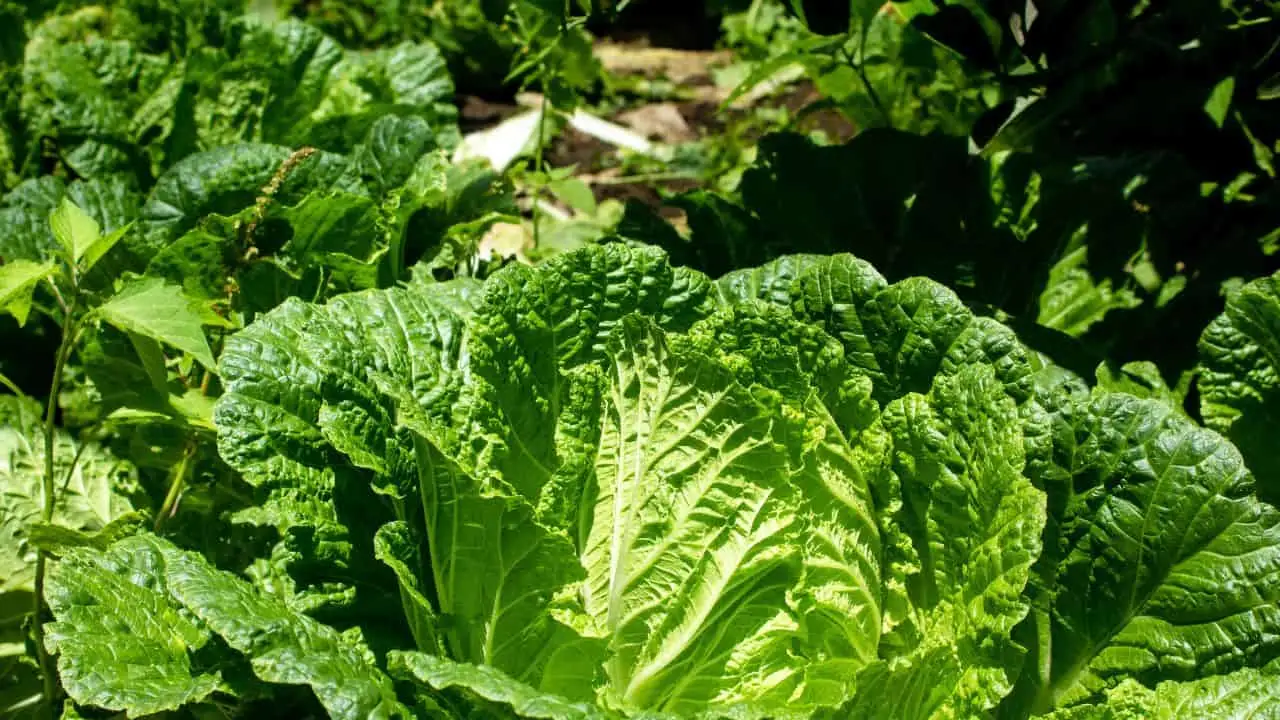
Kale is one of the easiest February starts because young plants handle cold snaps without sulking. Start seeds indoors now so you have sturdy transplants ready for early spring beds.
Sow seeds about 1/4 inch deep in a seed starting mix, then keep the soil lightly moist, not soggy. Aim for bright light, a sunny south window often is not enough, so add a simple grow light if seedlings stretch.
When plants have 2 to 3 true leaves, pot them up or thin to one per cell to build thicker stems. Harden them off for a week, then set them outside while nights are still chilly, kale can take light frost and keep growing.
🟦 Stocky Seedlings Checklist
- Sowing depth: Plant kale seeds about 1/4 inch deep so they stay moist and sprout evenly.
- Moisture level: Keep the mix lightly damp. Skip heavy watering that turns cells swampy.
- Light target: Give bright light for long hours each day. If stems stretch, move lights closer.
- Pot up timing: At 2 to 3 true leaves, move to a bigger cell or small pot for stronger roots.
- Hardening off: Step outside time up slowly over a week. Start with shade and calm weather.
Bonus Tip: If a late cold snap is coming, tuck transplants under a simple row cover or an upside-down bin overnight.
3. Collards: The Cold Hardy Green for Big, Sweet Leaves


Get some collards into the ground in zone 7 in september! They are ready in just 50 to 60 days.
Collards shrug off light freezes and keep growing when other greens sulk. Cold nights can even make the leaves taste a bit sweeter.
Start seeds indoors now, then transplant outside after they have 4 to 6 true leaves. Set plants 18 to 24 inches apart so the big leaves can size up.
Give them rich soil and steady moisture, then add a light nitrogen feed after they settle in. For the best texture, pick the lower, outer leaves often and leave the center to keep producing.
🔵 Keep Collards Tender and Productive
- Best transplant size: Move seedlings out at 4 to 6 true leaves so they handle chilly nights well.
- Spacing check: Give 18 to 24 inches between plants so leaves dry faster and grow wider.
- Moisture goal: Water deeply and consistently. Dry spells make leaves tougher and more bitter.
- Feed lightly: After a week or two in the ground, add a small nitrogen boost to keep growth steady.
- Harvest method: Pick the lower, outer leaves first. Leave the center intact so the plant keeps making new leaves.
Bonus Tip: If a cold snap is coming, cover plants at dusk with row cover or a sheet, then uncover in the morning for sun and airflow.
4. Swiss Chard: Reliable Seedlings That Handle Surprise Chills

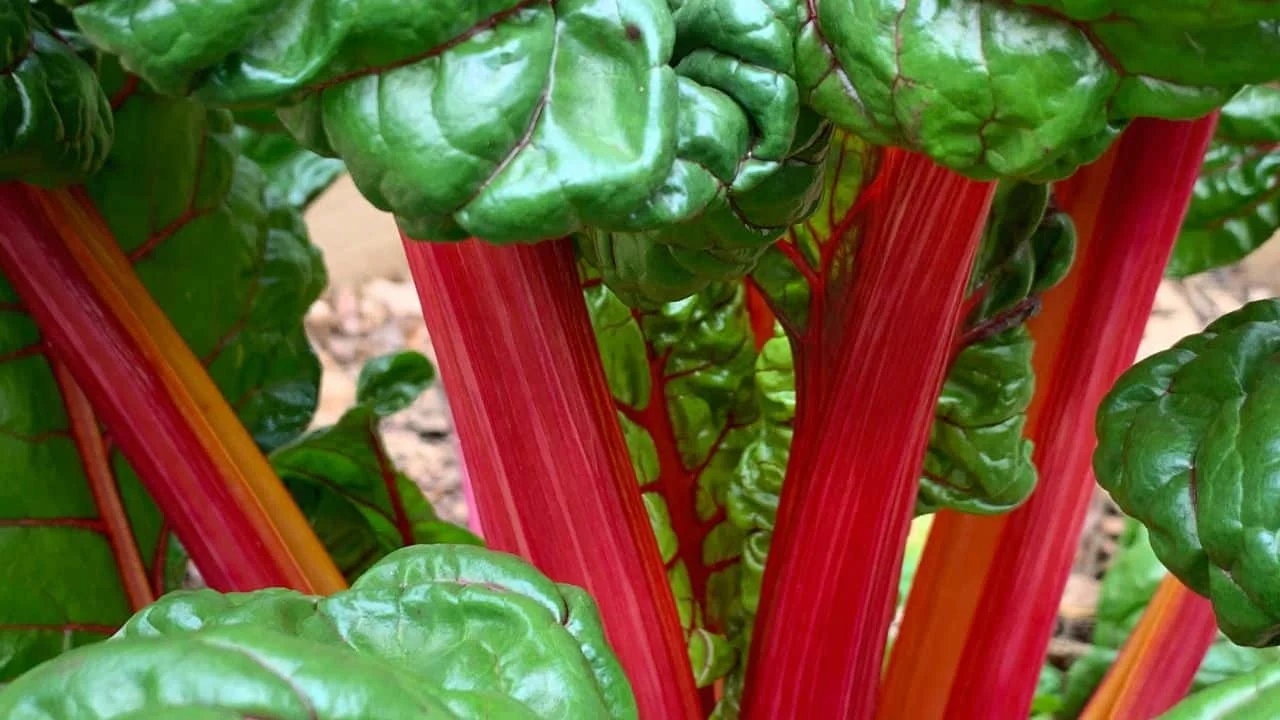
Swiss chard seedlings shrug off chilly nights better than many leafy greens. That makes them a steady February start when the weather swings.
Sow seeds about 1/2 inch deep in cell packs, then keep the mix lightly moist, not soggy. If you see multiple sprouts in one cell, thin to the strongest plant so roots do not tangle.
Harden off slowly, then transplant when plants have 3 to 4 true leaves, and night temperatures are staying near freezing or above. Give each plant about 8 to 12 inches of space, and cover with row fabric on windchill nights for extra insurance.
💜 Cold-ready chard success checklist
- Best container: Use cell packs that are at least 2 inches deep, so the young roots stay straight.
- Moisture cue: Water when the surface looks pale and dry, then stop when the tray feels evenly heavy.
- Thinning rule: Snip extra seedlings at soil level instead of pulling, so you do not disturb the keeper plant.
- Transplant timing: Move seedlings out at 3 to 4 true leaves, and wait for a calm day with no strong wind.
- Frost insurance: Add row fabric before sunset on sharp nights, and remove it midday if the sun warms things up.
Bonus Tip: Label your chard by color (red, rainbow, white) because seedlings look alike, and it is easy to mix them up.
5. Peas: Plant as Soon as Soil Is Workable for a Head Start

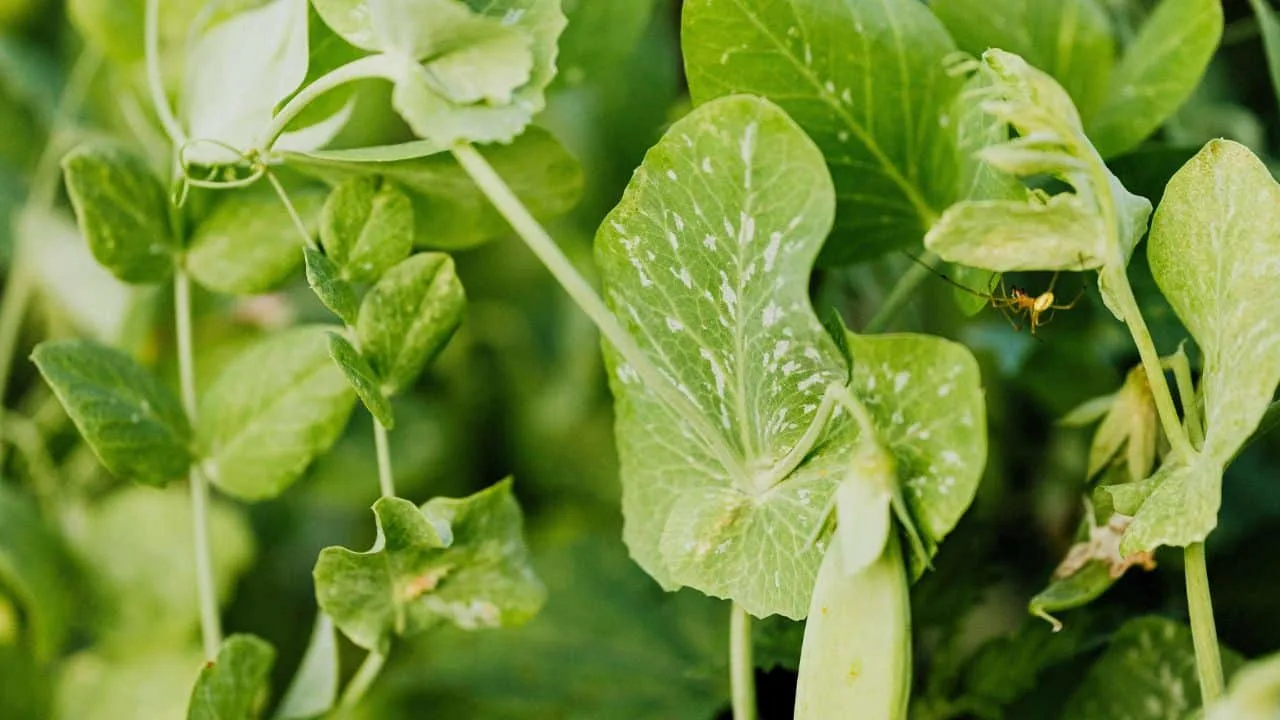
Peas handle cold soil and even light frosts, so they are perfect for February sowing in many US gardens. Plant as soon as the ground is workable and not sticky.
Direct sow seeds 1 inch deep and about 2 inches apart, then thin to 3 to 4 inches for good airflow. Set up a trellis or pea fence at planting time, because vines grow fast once days brighten.
Water after sowing, then keep moisture steady during germination, which often takes 7 to 14 days in cool soil. If birds pull seedlings, cover the row with netting until plants are a few inches tall.
🫛 Faster peas with fewer failures
- Soil check: If a squeezed handful stays in a sticky ball, wait a few days. Workable soil crumbles.
- Seed spacing: Sow close for insurance, then thin to 3 to 4 inches once you see strong seedlings.
- Support now: Put the trellis in at planting time. It prevents snapped vines later.
- Moisture rhythm: Water after sowing, then keep the top inch lightly damp until sprouts appear.
- Bird defense: Use netting or row cover until plants are several inches tall. Pin edges down well.
Bonus Tip: In February, choose an early or cold tolerant pea variety for a quicker harvest and steadier germination in cool soil.
6. Radishes: Fast Harvests Even When Nights Dip Below Freezing

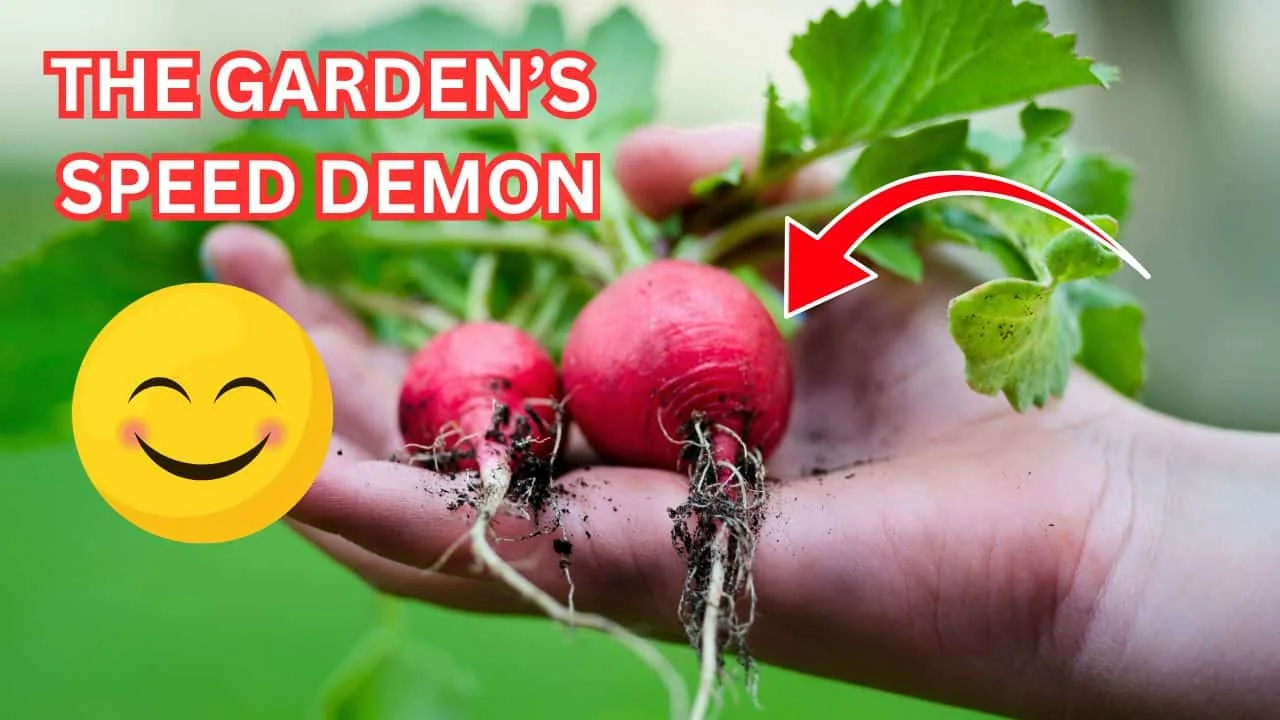
Radishes are one of the quickest February crops, even when nights flirt with freezing. Many types handle light frosts without losing quality.
Sow seeds directly in a sunny bed as soon as the soil is workable, about 1/2 inch deep. Thin to 1 to 2 inches apart so roots size up instead of staying skinny.
For real cold snaps, cover the row with fabric frost cloth at dusk and uncover on mild days. Keep soil evenly moist, because dry spells can make radishes hot, woody, or split. Try a mix of fast spring types like Cherry Belle and cold tolerant types like French Breakfast for steady harvests.
💧 Keep Radishes Crisp and Mild
- Seed depth: Plant about 1/2 inch deep for even sprouting.
- Thin early: Aim for 1 to 2 inches between plants so roots can round up.
- Moisture rule: Keep soil evenly damp to prevent heat, splitting, and woody texture.
- Frost cloth timing: Cover at dusk on cold nights, then uncover on mild days for airflow.
- Variety mix: Pair a quick type (Cherry Belle) with a cold tolerant one (French Breakfast) for steady picking.
Bonus Tip: Harvest on the small side. If shoulders are showing at the soil line, it is usually time to pull.
7. Carrots: Cool Soil Sowing for Straighter, Sweeter Roots

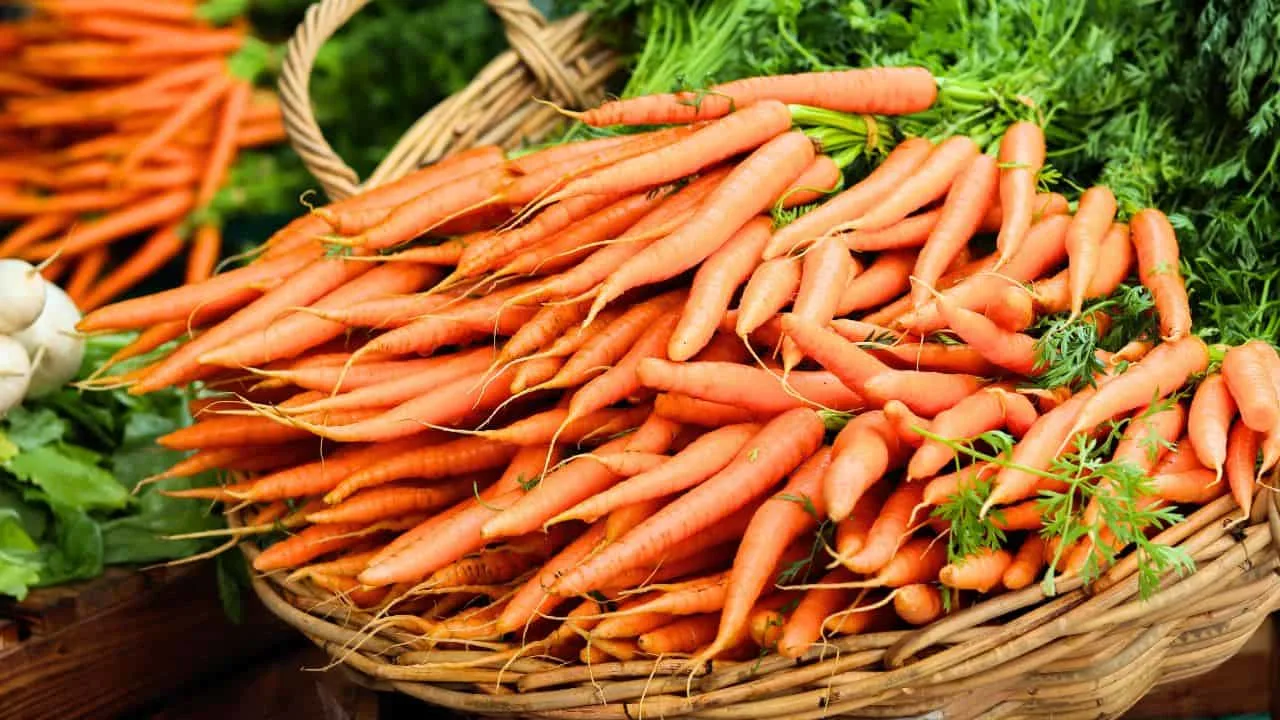
Carrots can be direct sown in February as soon as the bed is workable and not muddy. Cool soil often improves sweetness and reduces bitterness.
Prepare a deep, loose seedbed, then remove stones and break up clods so roots do not fork. Sow seeds shallowly, about 1/4 inch deep, then press the row to improve seed to soil contact.
Keep the top inch consistently damp with light, frequent watering until sprouts appear, which can take two to three weeks in cold weather. Thin to about 2 inches apart once seedlings have true leaves, and use scissors to snip extras at soil level so you do not disturb neighbors.
🟦 The “no fork” seedbed checklist
- Bed readiness: If soil makes a muddy ball in your hand, wait. Carrots like workable, crumbly soil.
- Depth prep: Loosen at least 10 to 12 inches. Pull out stones and old roots that can cause splitting.
- Sowing trick: Mix seed with a little dry sand for more even spacing. It helps you avoid heavy thinning later.
- Moisture plan: Mist lightly once or twice a day if the surface dries fast. A dry crust can stop germination.
- Thin gently: Snip extras at soil level instead of pulling. Tugging can disturb nearby seedlings.
Bonus Tip: Lay a thin board or burlap over the row until sprouts appear. Check daily, and remove it as soon as you see green.
8. Beets: Dual Purpose Tops and Roots That Tolerate Frost

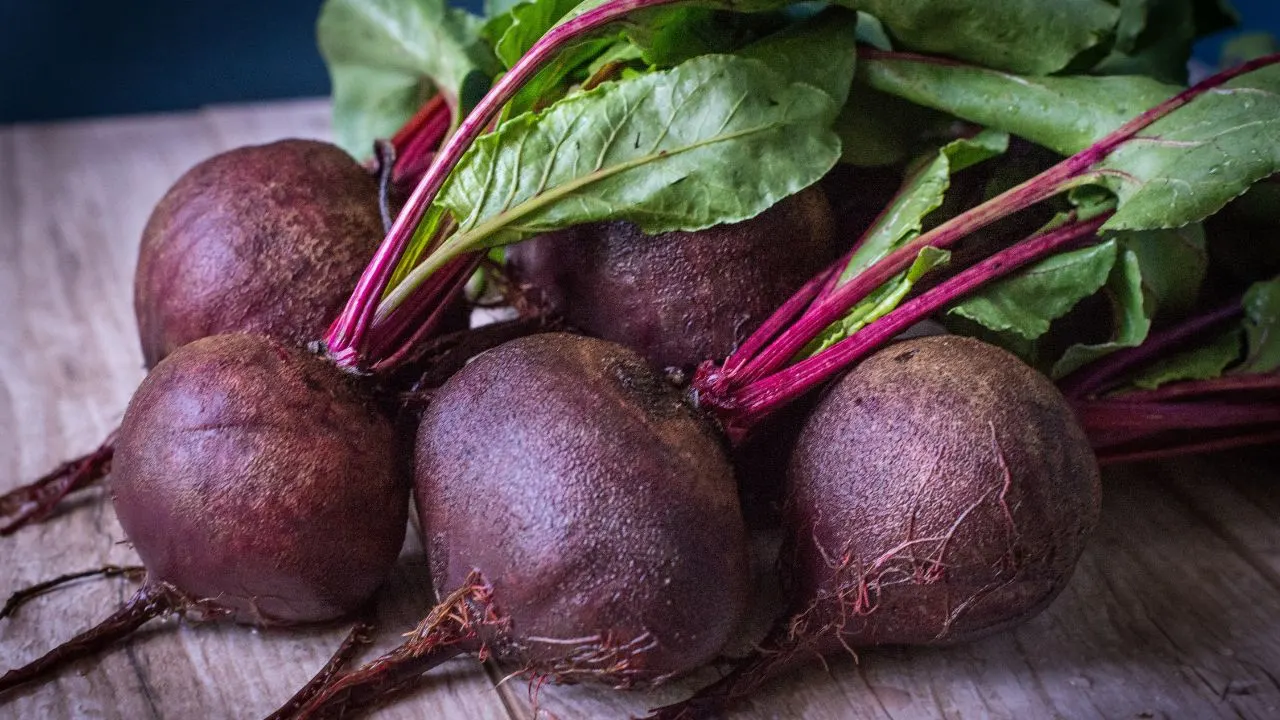
Beets handle chilly February weather better than many gardeners expect. Both the roots and the greens can take light frosts.
Sow seeds about 1/2 inch deep in a sunny spot once the soil is workable. Beets often sprout in clusters, so thin to 3 to 4 inches apart for good-sized roots.
Pick a few outer leaves early for salads, but leave the center growing point so the plant keeps producing. For sweeter roots, keep the bed evenly moist and mulch lightly to buffer temperature swings.
🧤 Cold-Weather Beet Tricks
- Soil test: Work the bed when it crumbles in your hand, not when it smears into mud.
- Seed clusters: Most “seeds” are actually a small cluster, so plan to thin no matter what.
- Thinning tip: Snip extra seedlings at soil level instead of pulling. This protects the roots you keep.
- Greens harvesting: Take 1 to 2 outer leaves per plant and leave the center. The plant will keep growing.
- Sweetness secret: Keep moisture steady and add a light mulch. Stress from drying can make roots tougher.
Bonus Tip: Mark the row well. Beet seedlings can look like weeds at first, especially when you are working in gloves.
9. Turnips: A Quick Root Crop for Late Winter Starts


Turnips sprout fast and handle cold soil better than many roots. They are a smart February sow for a quick harvest window.
Sow seeds about 1/4 inch deep in a sunny bed, or in a container at least 8 inches deep. Aim for soil that drains well, because soggy winter ground can rot seedlings.
Thin seedlings to about 3 to 4 inches apart so the roots can size up evenly. For the sweetest flavor, keep growth steady with light watering and a bit of compost around the row.
🟦 Sweet roots, not hot roots
- Best types: Try ‘Hakurei’ for mild, sweet roots, or ‘Purple Top White Globe’ for a classic turnip.
- Soil check: If soil squeezes into a muddy ball, wait a few days. Turnips prefer damp, not soggy ground.
- Row cover trick: A light fabric cover warms the bed a bit and helps seedlings push through cold nights.
- Thin on time: Snip extras at the soil line when seedlings are 2 to 3 inches tall. Crowding makes small, woody roots.
- Harvest timing: Pull most roots at 2 to 3 inches wide for the best texture. Bigger turnips can turn stronger and tougher.
Bonus Tip: Do not toss the thinnings. The tiny leaves are great raw in salads or quickly sautéed with a little garlic.
10. Arugula: Peppery Greens That Prefer Cold Over Heat

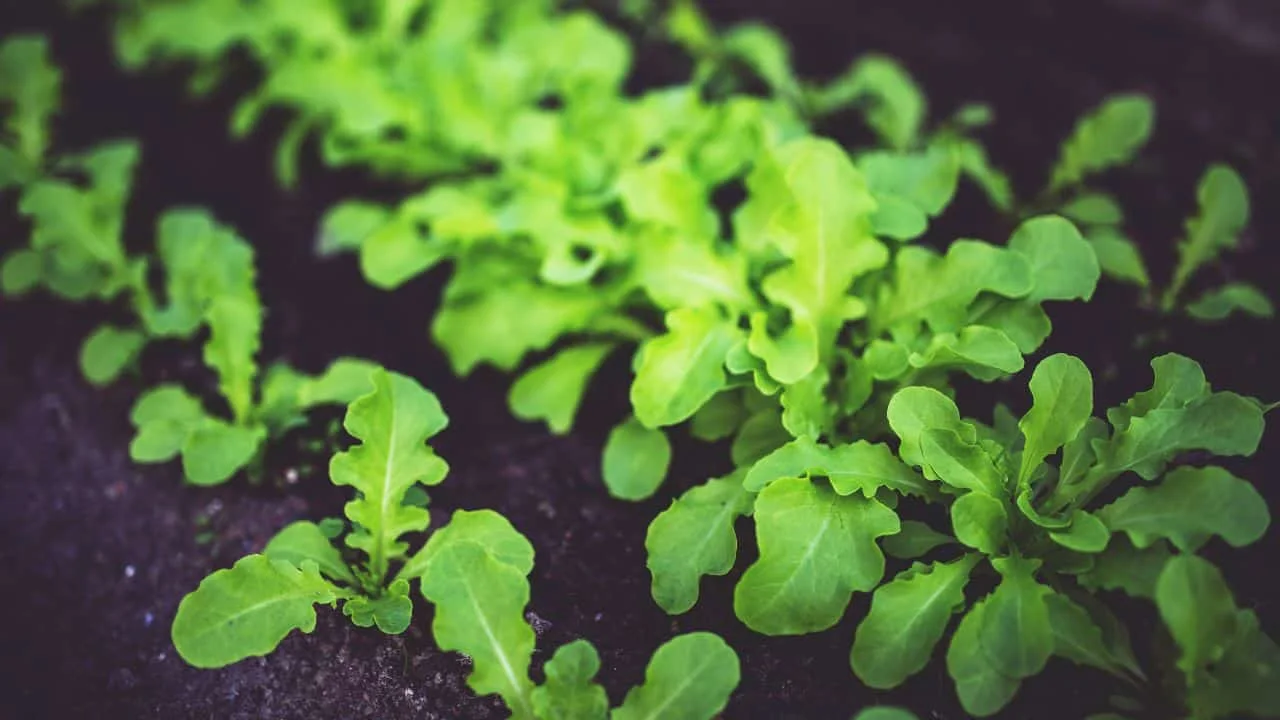
Arugula is one of the quickest cold-season greens you can sow in February. The flavor stays milder in chilly weather.
Direct sow seeds about 1/4 inch deep, then keep the bed evenly moist for fast germination. If you expect a hard freeze, cover the row with frost cloth at dusk and uncover it on milder days.
Harvest baby leaves in about 3 to 4 weeks by snipping outer leaves and leaving the center to regrow. For steady bowls of salad, sow a short row every 10 to 14 days until warm weather pushes it to bolt.
🧺 Keep It Tender and Coming
- Best spot: Full sun in February, or light afternoon shade if your yard warms up fast.
- Moisture check: Water gently after sowing, then keep the top inch of soil slightly damp for quick sprouts.
- Quick protection: Use frost cloth on hard-freeze nights. Remove it on mild days so plants do not stay soggy.
- Harvest method: Snip outer leaves with scissors. Leave the center growing point to regrow.
- Bolting warning: Longer days and heat trigger flowers fast. Harvest more often as spring warms.
Bonus Tip: If your arugula tastes too sharp, pick in the morning and choose smaller leaves. They are usually milder.
Your February Start, Your April Harvest
Pick two or three of these frost resistant veggies and plant them this week, even if winter still feels stuck. The step most people miss is simple, prep the bed early, then keep a row cover or old sheet ready for cold nights. Water lightly after sowing, label your rows, and check moisture every few days because late winter wind dries soil fast.
Once you see steady seedlings, thin on time and keep weeds small, and you will be amazed how quickly your spring garden takes off.
Frequently Asked Questions About Frost Resistant Veggies to Start in February, What Most Miss
1. How cold is too cold for starting seeds outdoors in February?
Most cool season seeds can handle light frost after they sprout, but germination slows a lot in very cold soil. If nighttime lows stay below the teens for many nights, wait or use protection like a low tunnel.
2. Which of these vegetables can I direct sow versus start indoors?
Peas, carrots, spinach, and radishes are best direct sown because they dislike root disturbance. Brassicas like kale and cabbage can be started indoors and transplanted, or direct sown in milder areas.
3. What soil temperature do peas, carrots, and spinach need to germinate?
Peas germinate best around 45 to 75 F, with slower sprouting at the low end. Carrots often need about 45 to 85 F, and spinach can sprout around 35 to 75 F, but it is slow in cold soil.
4. Do I need row cover or low tunnels for these frost resistant crops?
Often you can plant without them, but covers make February planting much more reliable. Use them to warm soil a bit, block wind, and protect seedlings during cold snaps.
5. How do I protect young seedlings from wind burn and freeze thaw cycles?
Use row cover, low tunnels, or even a temporary windbreak on the windy side. Add a light mulch once seedlings are up to reduce soil heaving and keep moisture steady.
6. What’s the easiest vegetable on this list for a beginner gardener?
Radishes are usually the easiest because they sprout fast and tolerate cool weather well. Snap peas are also beginner friendly if you can provide a simple trellis.
7. Can I grow these in containers on a porch or patio in winter?
Yes, but containers chill faster than garden soil, so use a larger pot and group pots together near a wall. Cover on cold nights, and keep soil evenly moist since winter winds dry pots quickly.
8. How soon can I harvest each crop after planting?
Radishes are often ready in about 25 to 35 days, and baby spinach in about 30 to 45 days. Peas commonly take about 55 to 75 days, carrots about 60 to 80 days, while kale can be harvested as baby leaves in about 30 to 45 days and as mature leaves later.

Daniel has been a plant enthusiast for over 20 years. He owns hundreds of houseplants and prepares for the chili growing seasons yearly with great anticipation. His favorite plants are plant species in the Araceae family, such as Monstera, Philodendron, and Anthurium. He also loves gardening and is growing hot peppers, tomatoes, and many more vegetables.