

Cold nights creep in and the garden slows. This is the moment when small mistakes stick. A quick cut here or a bag of fertilizer there can set you up for headaches in spring. The trick is knowing what not to do.
Today’s guide flags ten common October no-goes and shows the smart swap instead. Keep it simple now and your spring garden will look like you planned it that way all along.
1. Don’t Fertilize Heavily
By October, plants are shifting gears. Instead of chasing new leaves, they are storing energy in their roots. A heavy hit of fertilizer now only wakes up growth that frost will burn off. Rainfall adds to the problem, washing nutrients away before roots can even take them in. What looks like a boost is really just waste.
The better move is to feed the soil gently and let biology take it from there.
🌱 Smarter Feeding in October
- Topdress with compost: A thin layer adds steady nutrients and protects the soil surface.
- Use leaf mold: Slow release and full of structure, perfect for winter prep.
- Skip synthetic fertilizers: Quick-release products wash out with fall rains.
Bonus Tip: Mix compost into the top inch of soil before covering beds. It fuels microbes now and roots later.
2. Don’t Prune Woody Plants
It feels tidy to clip branches when the leaves fall, but October is the wrong time for major pruning. Fresh cuts wake up new growth, and cold weather will kill those tender shoots before they harden. The result is stress on the plant and wounds that stay open through winter. What looks like a cleanup can weaken trees and shrubs right when they should be resting.
Save the big cuts for late winter or early spring when plants are ready to heal.
✂️ Pruning Done Right
- Wait for dormancy: Late winter pruning avoids frost damage and heals faster.
- Remove only hazards now: Dead, broken, or diseased branches can go any time.
- Leave shaping cuts: Hold off until spring when growth can seal wounds quickly.
Bonus Tip: If a branch is crossing or rubbing badly, tie it back temporarily and prune properly after winter.
3. Don’t Skip Labeling Bulb Plantings
It is easy to dig in bulbs now and think you will remember where they are. By spring, the memory fades and you might plant something else right on top. Even worse, a casual shovel hit in April can slice straight through the tulips you paid for in October. The fix is simple and takes only a minute.
Mark your spots now and save yourself the regret later.
🌷 How to Keep Track of Bulbs
- Use weatherproof tags: Plastic or metal stakes last through winter better than wood.
- Make a garden map: A quick sketch in a notebook or photo on your phone locks it in.
- Mark rows or clumps: Small stones or decorative stakes remind you where not to dig.
Bonus Tip: Color-code your markers by bulb type. When shoots emerge, you will know instantly what is coming up.

4. Don’t Leave Soil Bare
Empty beds might look harmless after harvest, but bare soil takes a beating in October. Rains pound it flat, nutrients leach away, and winter winds strip what is left. By spring you are left with crusted, tired ground that needs twice the work to recover. Covering the soil now is one of the easiest ways to protect it.
Think of it as tucking your garden in before winter.
🍂 Easy Soil Covers
- Mulch lightly: Shredded leaves, straw, or bark chips keep the surface soft and moist.
- Sow cover crops: Rye, oats, or clover hold nutrients and improve structure.
- Compost layer: A thin topping protects soil and feeds microbes all winter long.
Bonus Tip: Even cardboard works in a pinch. Lay it down to stop weeds and shield bare spots until spring planting.
5. Don’t Plant Tender Annuals
October nights may feel mild, but frost can arrive without much warning. Tender plants like basil, petunias, or impatiens have no defense against the cold. One chilly night and they collapse into mush. Putting them in the ground now is a waste of money and effort, with nothing to show for it in spring.
Save the space for hardy choices that thrive in cool soil.
🌱 What to Plant Instead
- Perennials: Root deeply in the warm soil and return stronger in spring.
- Trees and shrubs: Establish roots now while top growth rests.
- Spring bulbs: Tulips, daffodils, and crocuses need October planting for spring bloom.
- Cool-weather veggies: Garlic, onions, and leafy greens thrive in crisp fall air.
Bonus Tip: If you cannot resist color, add hardy mums or asters. They laugh at chilly nights and keep borders bright.
6. Don’t Forget to Water New Plantings
Cool air tricks you into thinking the watering season is finished, but roots do not get the memo. Trees, shrubs, and perennials planted in fall keep growing below ground as long as the soil is warm. If you stop watering too soon, roots dry out and plants enter winter stressed. The damage shows up in spring when growth is weak or uneven.
Moist soil in October is the best insurance policy for strong plants next year.
💧 Watering Rules for Fall
- Deep soak weekly: Give roots a long drink rather than light, frequent sprinkles.
- Check rainfall: Autumn showers often look heavy but may not add enough moisture.
- Mulch after watering: Locks in moisture and keeps soil more stable.
Bonus Tip: Keep watering until the ground freezes solid. Roots will use every drop until then.
7. Don’t Skip Cleaning Tools
It is tempting to shove pruners, hoes, and trowels into the shed after the last harvest, but neglect now costs you in spring. Dried sap, soil, and rust eat away at blades and spread diseases to next year’s plants. Sharp tools make clean cuts, while dull or dirty ones tear and bruise. A little care in October means your tools are ready when the season starts again.
Treat your tools like garden partners and they will last for years.
🛠️ Quick Tool Care
- Wash off soil: Rinse and scrub metal parts before storing.
- Disinfect blades: Wipe pruners with rubbing alcohol to stop disease spread.
- Sharpen edges: Use a file or whetstone to restore a clean cutting edge.
- Oil metal: Lightly coat with vegetable oil or tool oil to prevent rust.
Bonus Tip: Sand wooden handles and rub them with linseed oil. Smooth handles last longer and are easier on your hands.
8. Don’t Over-Mulch Too Early
Mulch is a winter shield, but timing makes or breaks the job. Put it down while the soil is still warm and you trap heat that keeps pests and rodents active. You also encourage microbes to keep working when they should be slowing down. Wait too long, though, and frost can heave roots before you cover them. The goal is to mulch when the soil has cooled but not frozen.
Get it right and mulch protects roots all season without backfiring.
🍂 Mulch Timing Made Simple
- Check soil temperature: Aim for 50–55 °F before spreading mulch.
- Use 2–4 inches: Enough for insulation but not so much that roots suffocate.
- Keep crowns clear: Leave space around stems and trunks to prevent rot.
- Choose breathable mulch: Shredded leaves, straw, or bark chips let moisture and air through.
Bonus Tip: If frost comes before soil cools enough, use a temporary cover like burlap until it is time to mulch properly.
9. Don’t Forget Frost Dates
The calendar may say October, but frost runs on its own schedule. A mild week can fool you into planting tender starts or leaving crops out too long. One surprise frost and they are gone overnight. Ignoring your local frost date is one of the fastest ways to lose plants just when they seem stable.
Know the average frost for your zone and plan backwards from it.
❄️ Frost-Smart Gardening
- Look it up: Check the first expected frost date for your USDA zone.
- Count back: Stop planting tender crops at least 6 weeks before that date.
- Cover at risk plants: Use row covers, sheets, or cloches on chilly nights.
- Harvest on time: Pick remaining summer crops before frost ruins them.
Bonus Tip: Keep an old sheet or frost cloth near the door. One quick cover at dusk can save a bed overnight.
10. Don’t Leave Pots Full of Soil Outdoors
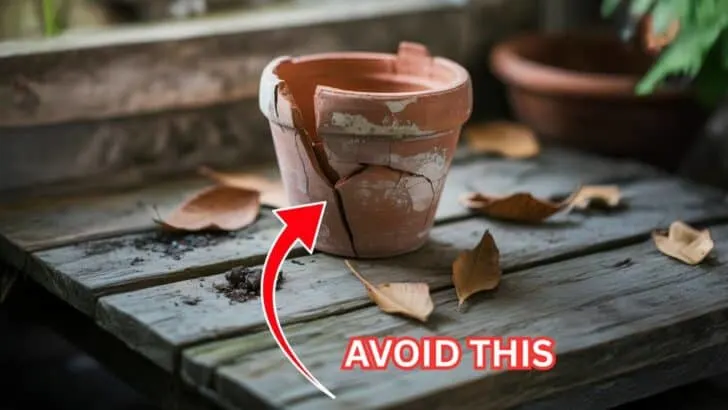
Terracotta and ceramic pots look sturdy, but water trapped in soil expands as it freezes. That expansion cracks pots wide open, leaving you with broken shards by spring. Even plastic containers can warp or split after months of freeze and thaw. Leaving soil in pots also invites pests and diseases to overwinter right where you do not want them.
Empty and store pots now to save money and frustration later.
🪴 Winter Pot Care
- Dump old soil: Reuse it in compost or spread it on garden beds.
- Scrub clean: Wash pots with warm water and a little vinegar to kill spores.
- Dry completely: Store only when pots are bone dry to prevent cracks.
- Stack safely: Nest pots with paper or cloth between them to avoid chipping.
Bonus Tip: If you want to keep soil in place, use frost-proof containers like heavy-duty resin or concrete, and elevate them on pot feet for drainage.
Steer Clear of October’s Pitfalls
October feels calm on the surface, but the choices you make now echo into spring. Heavy fertilizer, rushed pruning, or bare soil all create problems that show up months later. The same goes for forgotten watering, poor mulching, or ignoring frost dates.
Play it smart instead. Skip the mistakes, make the simple swaps, and your garden will roll into winter strong. By the time spring arrives, you will be glad you left the no-go list behind.
🌿 Key Takeaways
- ❌ Skip heavy fertilizer. Plants are slowing down, not gearing up for new growth.
- ✂️ Hold pruning until late winter. Cuts in October invite frost damage.
- 🌷 Label bulb plantings. Prevent spring accidents with simple markers.
- 🍂 Cover bare soil. Mulch or cover crops keep nutrients from washing away.
- 🥶 Avoid tender annuals. Cold nights will wipe them out quickly.
- 💧 Keep watering new plants. Roots stay active as long as soil is warm.
- 🛠️ Clean and sharpen tools. Rust and disease spread fast if you skip care.
- 🍁 Time mulch correctly. Wait for soil to cool before adding the winter layer.
- ❄️ Know your frost dates. One missed night can ruin weeks of work.
- 🪴 Empty pots before winter. Soil expands and cracks containers in the freeze-thaw cycle.
Frequently Asked Questions About October Garden No-Goes
Why should I avoid fertilizing in October?
Plants are slowing down and putting energy into their roots. Heavy fertilizer encourages weak new growth that frost will kill, and nutrients often wash away in autumn rains.
Is it really bad to prune in the fall?
Yes, major pruning now wakes up growth that cannot survive the cold. Limit yourself to removing broken or diseased branches and save shaping cuts for late winter or spring.
Do I really need to label bulbs?
Yes. It is easy to forget where you planted bulbs, and you can accidentally dig them up in spring. Markers or a quick garden map saves you the trouble.
Why cover soil in October?
Bare ground compacts in rain and loses nutrients. Mulch, compost, or cover crops protect the soil until planting season returns.
What happens if I plant tender annuals now?
Cool nights and early frosts will finish them off quickly. October is better for perennials, shrubs, trees, and bulbs that thrive in cool soil.
Do I need to keep watering once nights are cold?
Yes. Roots keep growing until the soil freezes. A deep soak each week helps plants settle in before winter.
Why clean tools before winter?
Soil, sap, and rust damage tools if left sitting. Clean, sharpen, and oil them now so they are ready for spring.
When is the right time to mulch?
Wait until the soil cools to about 50–55 °F. Too early and you trap pests and heat, too late and frost can heave roots.
How do I know my frost date?
Look up the average first frost for your USDA zone or local area. It is more reliable than the calendar and helps you plan.
Why empty pots before winter?
Soil holds water, which expands as it freezes. This cracks ceramic and terracotta pots. Empty and dry them to keep containers intact.


Daniel has been a plant enthusiast for over 20 years. He owns hundreds of houseplants and prepares for the chili growing seasons yearly with great anticipation. His favorite plants are plant species in the Araceae family, such as Monstera, Philodendron, and Anthurium. He also loves gardening and is growing hot peppers, tomatoes, and many more vegetables.