


Gardening has rules. Some of them are useful. Some of them are outdated. And some? Just plain made-up.
If you’ve ever felt guilty for watering at the wrong hour or planting your lettuce a little too close together, relax. Your plants are not reading the rulebook.
This guide breaks down the so-called rules that deserve to be questioned — and shows you when, how, and why breaking them can actually give you better results.
No gardening police. No guilt. Just smarter choices that fit real gardens and real lives.
1. Rule: Never plant before the last frost date

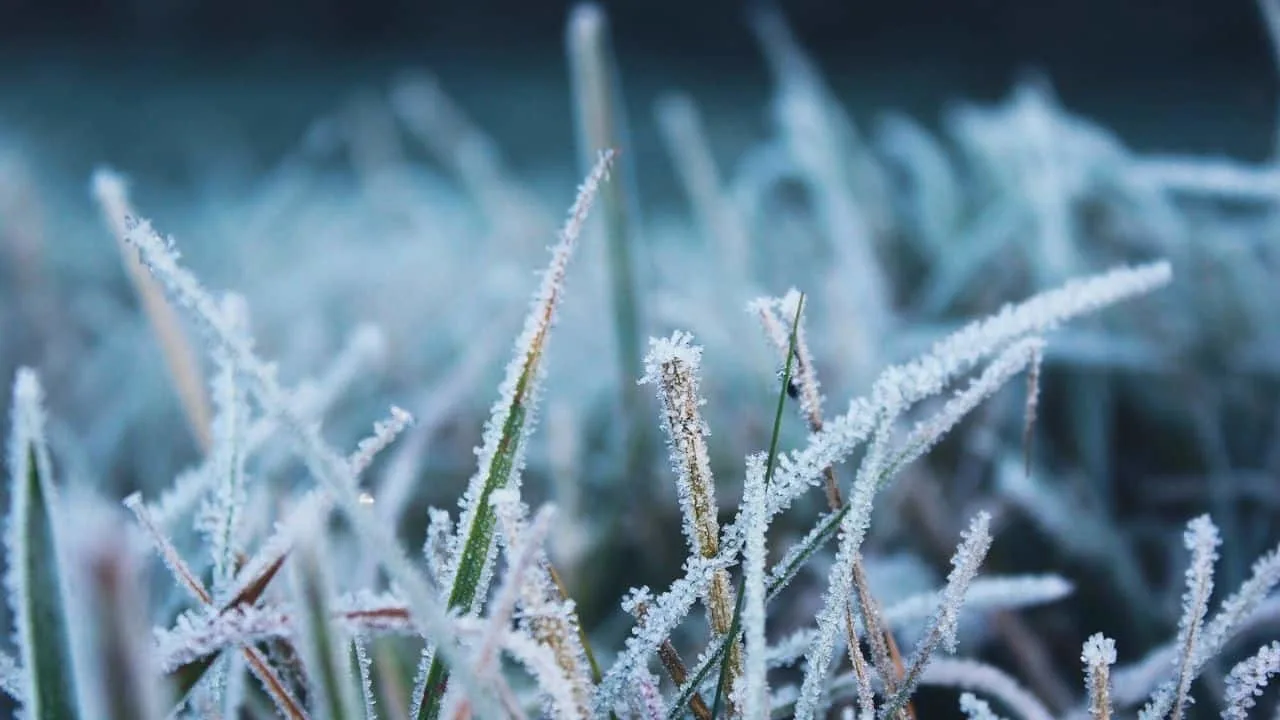
This one gets repeated so often it feels like a law. But frost dates are averages, not hard lines. Some years you’ll get a surprise warm stretch. Other times, the frost comes early and wrecks everything anyway.
The truth? Some cool-season crops actually like a bit of chill. Spinach, radishes, peas — they shrug off a light frost like it’s nothing. If you wait for perfect conditions, you might miss their best growing window.
You don’t have to go all in. Just hedge your bets. Start with hardy seeds or seedlings, and protect them if needed. It’s not risky. It’s just smart gambling with better odds.
🌱 Try This Instead
- Use row covers, cloches, or cold frames to create a buffer against late chills.
- Start with frost-tolerant crops like spinach, lettuce, or radishes. They don’t mind the cold.
- Watch the 10-day forecast, not just the calendar. Plants care about weather, not dates.
2. Rule: You must rotate your crops every year
Crop rotation is a solid principle, especially for large-scale growers. But in backyard gardens, it’s not always realistic. Limited space means tomatoes end up in the same bed as last year whether you like it or not.
If your soil is healthy and you’re not growing heavy feeders back-to-back, skipping rotation won’t destroy your harvest. It’s not ideal, but it’s not a crisis either.
The key is keeping your soil strong enough to handle it. Feed the soil well, compost regularly, and keep an eye out for signs of stress. Healthy soil forgives a lot.
🌱 Try This Instead
- Focus on adding compost and organic matter to boost soil life.
- Grow cover crops or add mulch between seasons to give the bed a break.
- Watch for signs of nutrient depletion or recurring pests. That’s your cue to switch things up.
3. Rule: Prune only in winter

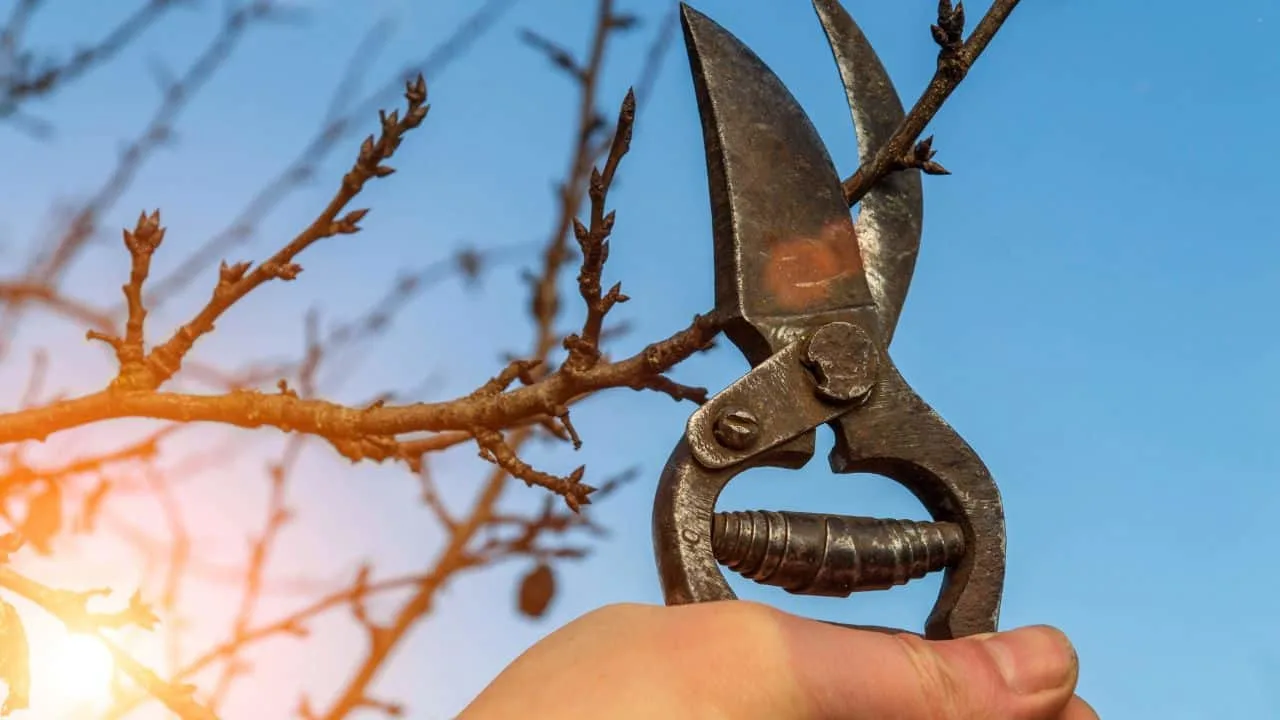
Winter pruning is safe, sure. No sap, no bugs, no leaves in the way. But that doesn’t mean it’s the only option. Some plants actually respond better to a trim during the growing season.
If your rose bush is getting unruly or your hydrangea needs a haircut, you don’t have to wait until January. Summer pruning can shape growth, reduce size, and even improve airflow when plants are thick and leafy.
The trick is to prune lightly and with purpose. You’re not giving it a buzzcut. You’re just cleaning it up. And your plant won’t freak out if you snip a few wayward branches in July.
🌱 Try This Instead
- Prune to shape or open up airflow when growth gets dense, even in summer.
- Avoid heavy pruning when plants are flowering or fruiting heavily.
- Use clean, sharp tools and only cut what’s necessary. No guesswork.
4. Rule: Always space your plants properly

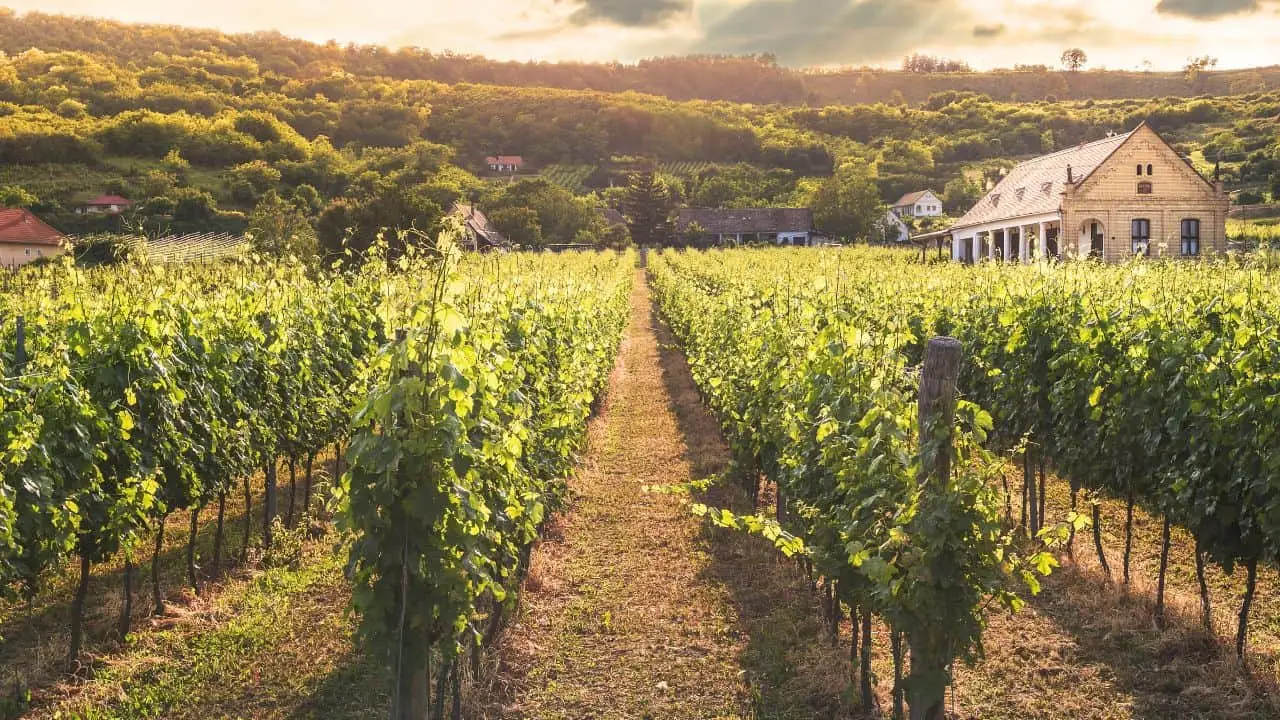
Garden books love neat rows and perfect spacing. But real gardens aren’t always that polite. Square-foot gardening? Companion planting? Vertical setups? All of them break spacing rules and still produce beautiful, healthy harvests.
You don’t need to measure everything down to the inch. What matters more is airflow, access to sunlight, and whether your plants can breathe without choking each other out.
If you want to squeeze in an extra basil or tuck in a few scallions around your peppers, go for it. Just keep an eye out for signs of mildew or crowding, and trim when things get too cozy.
🌱 Try This Instead
- Use interplanting to fill gaps with quick crops like radishes or greens.
- Prioritize airflow and sunlight over strict spacing charts.
- Thin as you go. A little harvest here and there keeps the crowd in check.
5. Rule: Deadhead everything
Deadheading sounds productive. Clean. In control. But not every bloom needs to be clipped the second it fades. Some flowers do their best work after they’re “done.”
Think seed heads for birds, self-seeding annuals, or perennials that know how to handle their own reseeding schedules. Deadheading them too early just cuts off the encore.
If you want more blooms, go ahead and snip. But if you’re aiming for wildlife, natural reseeding, or a garden that feels a little less forced, leave a few to do their thing.
🌱 Try This Instead
- Deadhead selectively. Cut some, leave others for seed or structure.
- Let plants like coneflowers and rudbeckia go to seed to feed birds in fall.
- Observe. Some plants bloom better when you leave them alone.
6. Rule: You can’t grow edibles in shade
This one keeps a lot of people from even trying. But here’s the truth. Most leafy greens, herbs, and even some root veggies do just fine in part shade. They might grow slower, but they’ll still grow.
You’re not going to get a bumper crop of tomatoes in deep shade, but chard? Lettuce? Mint? They’ll take it and thrive. In fact, they’re often happier with a little protection from intense afternoon sun.
Shade doesn’t mean dead space. It just means pick your plants wisely.
🌱 Try This Instead
- Grow leafy crops like kale, lettuce, spinach, and arugula in partial shade.
- Use shadier spots for herbs like mint, parsley, cilantro, and chives.
- Keep an eye on slugs. Damp shade attracts them, so guard your greens accordingly.
7. Rule: Always water in the morning

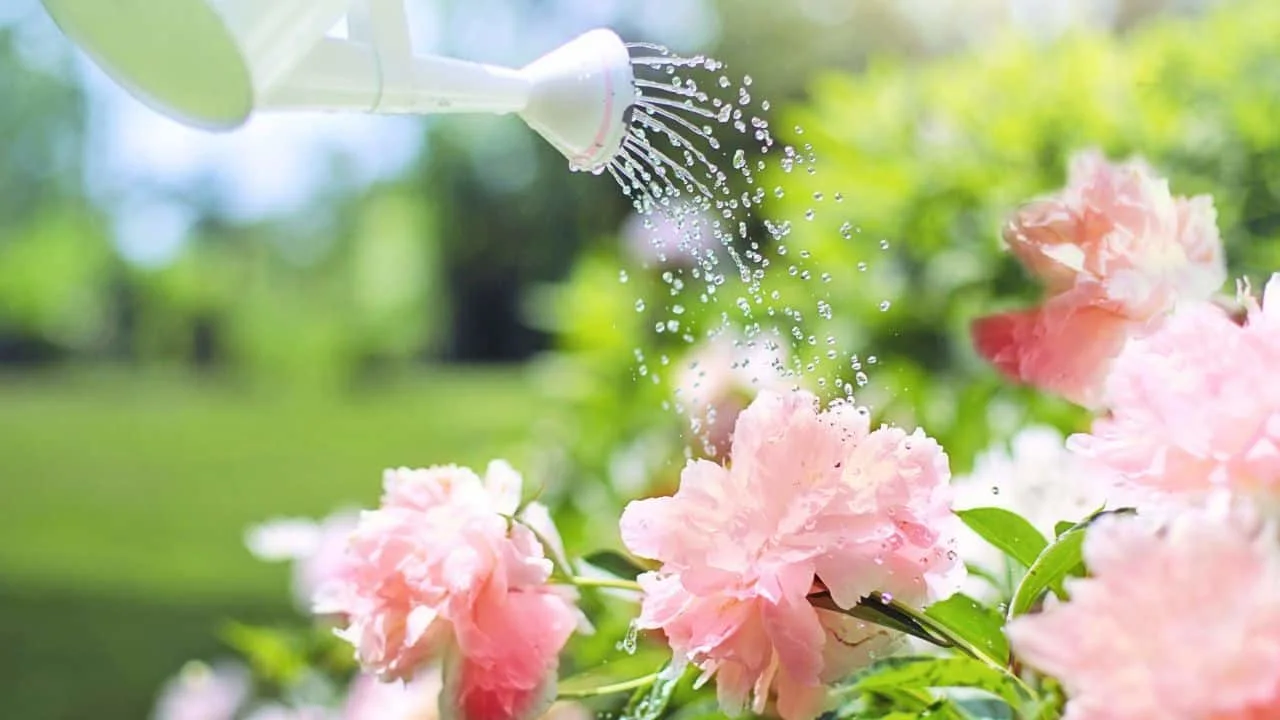
Morning is ideal. Cooler temps. Less evaporation. Happy roots. But life doesn’t always cooperate. Sometimes the hose comes out at 7 p.m. because that’s when you finally remembered to check the cucumbers.
Watering in the evening won’t ruin your garden. What matters more is *how* you water. If you’re soaking the soil and keeping leaves dry, your plants won’t complain.
Just don’t leave foliage wet overnight. That’s how you get mildew, fungus, and weird splotches that make you Google things at 11 p.m.
🌱 Try This Instead
- If you miss the morning window, water in the early evening while it’s still light and warm.
- Use a watering wand or drip system to get moisture right to the soil.
- Water less often, but deeply. Shallow sips just tease the roots.
8. Rule: Don’t mulch until all your plants are in
Mulching is often treated like the final step. The gardening cherry on top. But waiting too long to mulch means giving weeds a head start and letting precious moisture escape while you’re still planning your layout.
You don’t have to wait for a picture-perfect setup. Mulch as you go. It protects soil structure, keeps roots cool, and makes your garden look more finished even if you’re only halfway done planting.
Just leave space where you still plan to tuck things in. Mulch can move. That’s the beauty of it.
🌱 Try This Instead
- Mulch garden beds in sections as you finish planting each area.
- Use lightweight mulch like straw or shredded leaves that’s easy to pull aside when needed.
- Top off bare patches after everything is planted. No need to wait to start protecting your soil.
9. Rule: Organic gardening means no pest control

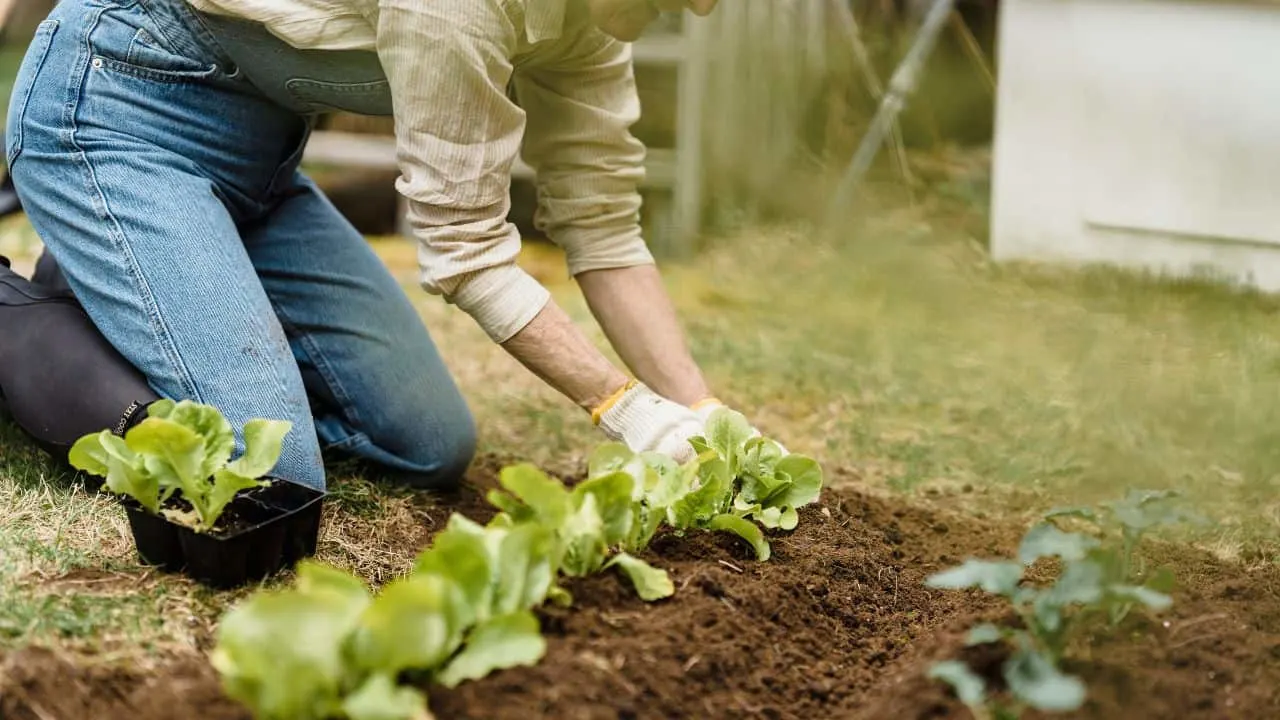
Going organic doesn’t mean letting your kale get eaten alive while you stand there with your arms crossed. It means being smarter about how you manage problems, not ignoring them completely.
You don’t need to spray your way through the season. You just need a few clever tools and some timing. Barriers. Distraction. Trap crops. Natural repellents. All valid. All organic.
Letting aphids run the show out of guilt helps no one. Not your plants. Not you. Not the poor ladybugs trying to hold the line.
🌱 Try This Instead
- Use row covers to block bugs from the start instead of reacting later.
- Spray neem oil or insecticidal soap in the early morning when pests are active.
- Plant strong-smelling herbs like basil or rosemary near vulnerable crops to throw off the enemy.
10. Rule: Never fertilize in late summer
By late summer, a lot of plants are winding down. But not all of them. If you’ve got a second round of cucumbers going, container veggies still pushing, or late-season flowers trying to bloom, they might need a little boost to finish strong.
The key is knowing what kind of fertilizer to use and when to stop. You’re not trying to push wild leafy growth. You’re just giving them enough support to cross the finish line.
Fertilizing late in the game isn’t a sin. It’s a strategy. Just don’t overdo it, and skip anything with a heavy nitrogen load.
🌱 Try This Instead
- Use a balanced, slow-release fertilizer on actively growing plants that still have time to mature.
- Feed containers more often. They lose nutrients faster than garden beds.
- Stop fertilizing about a month before your first expected frost to avoid soft growth that freezes easily.
Gardening Doesn’t Need a Rulebook
Some rules exist for a reason. But a lot of them? They’re just habits passed down without question. The best gardeners know when to follow the guide and when to trust what’s actually happening in their own beds.
Your plants don’t care if you water at 8 a.m. or 8 p.m. They care that they’re not thirsty. They don’t care about textbook spacing if the airflow is good and the soil is rich.
Break a few rules. Bend a few others. Just pay attention. That’s what makes you a real gardener — not how strictly you follow the instructions.
🌿 Key Takeaways
Gardening advice is often passed around like gospel, but many so-called rules are more tradition than truth. Some are outdated. Some are over-applied. And some just don’t make sense in a backyard plot or a balcony container.
The best gardeners learn what works by watching, tweaking, and experimenting. Trust your conditions. Trust your soil. Trust your eyes. Most of all, don’t be afraid to break the “rules” if the results speak for themselves.

Daniel has been a plant enthusiast for over 20 years. He owns hundreds of houseplants and prepares for the chili growing seasons yearly with great anticipation. His favorite plants are plant species in the Araceae family, such as Monstera, Philodendron, and Anthurium. He also loves gardening and is growing hot peppers, tomatoes, and many more vegetables.