


Every garden has a few thirsty divas. Some plants sip politely, others drain the hose before noon. In late summer that difference shows up fast, and it is the difference between lush and limp.
This guide ranks popular plants by how hard they pull from your watering can, with quick tips to keep them from wilting or wasting water. Expect a few surprises, because some fan favorites are sneaky guzzlers once the heat sets in.
Note: we are counting up from the lighter drinkers to the heaviest. Number 1 is the least demanding of this top ten, and number 10 is the biggest water hog of all.
1. Blueberries


Blueberries may not be the greediest drinkers in the garden, but they’re no cactus either. These shrubs thrive on consistency — think of them as plants that like a steady sip rather than a gulp. If the soil dries out even briefly during fruiting, berries turn small, shriveled, and tart instead of plump and sweet. On the other hand, soggy roots can spell disaster, so overwatering is just as risky.
The key is balance. A good mulch layer of pine needles or bark keeps the soil cool and evenly damp, which blueberries love. And don’t forget: these plants are picky about pH. If the soil isn’t acidic enough, all the watering in the world won’t give you a good harvest. That’s why growers often mix in peat moss or use acid fertilizers along with careful watering schedules.
2. Ferns


Ferns are the cool, shady roommates of the plant world. They don’t ask for constant pampering, but they do expect you to keep the humidity high and the soil from ever drying out completely. These plants evolved in damp forest understories, so when they end up in a sunny yard or a dry living room corner, they protest by turning crispy and brown.
Unlike blueberries, ferns don’t forgive drought spells very easily. Once those fronds shrivel, they rarely bounce back. But the good news is they’re not demanding gallons a day — just a steady dampness. Think of it less like babysitting and more like keeping a sponge moist. Outdoors, they’re happiest in shaded spots where mulch locks in moisture. Indoors, a pebble tray or even a misting routine can keep them lush and green.
3. Basil

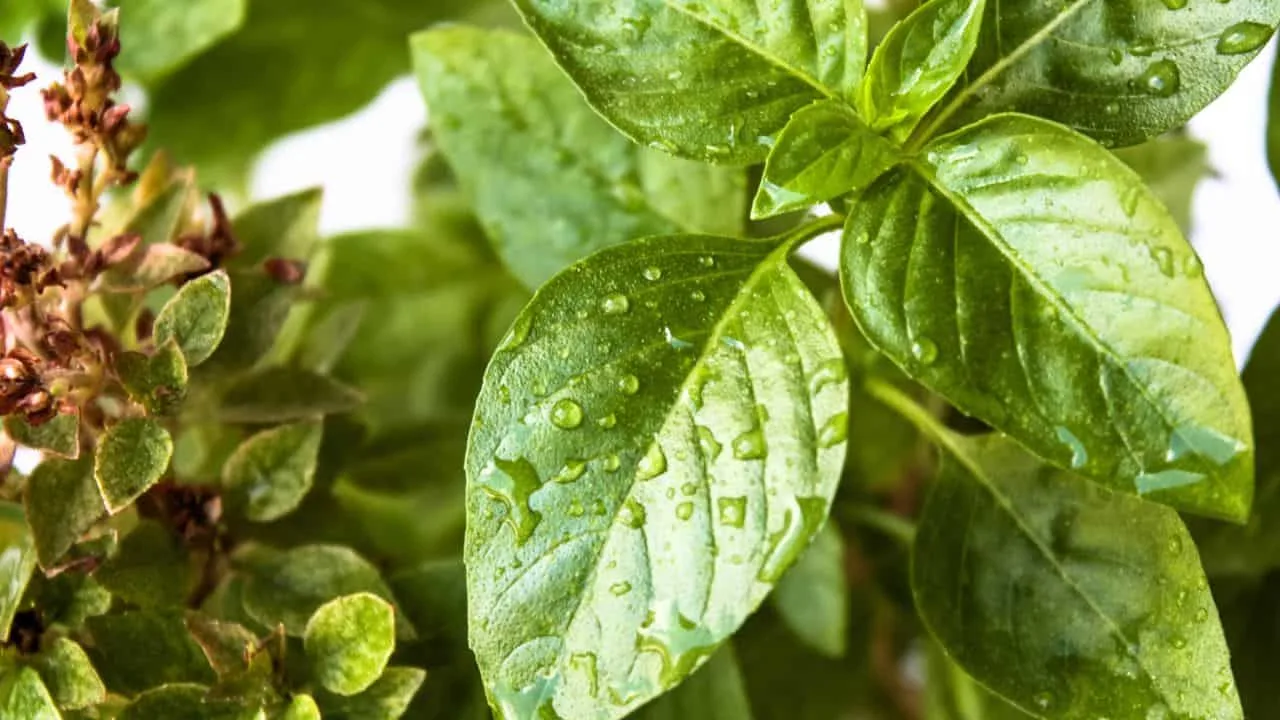
Basil is dramatic. Leave it without water for just a few hours in the sun, and it’ll collapse like it’s auditioning for a soap opera. But don’t panic — a deep drink usually perks it right back up. This little diva just wants consistency. A steady schedule of watering keeps the leaves tender and the plant producing, while drought stress makes it bolt to seed and turn bitter in flavor.
Because basil is shallow-rooted, it doesn’t reach down into deeper soil reserves the way tougher plants can. Hot afternoons hit it hard, and the broad leaves lose water fast. The trick is keeping the soil evenly moist without drowning it. Containers dry out quicker than garden beds, so potted basil often needs daily attention, especially in midsummer.
4. Roses

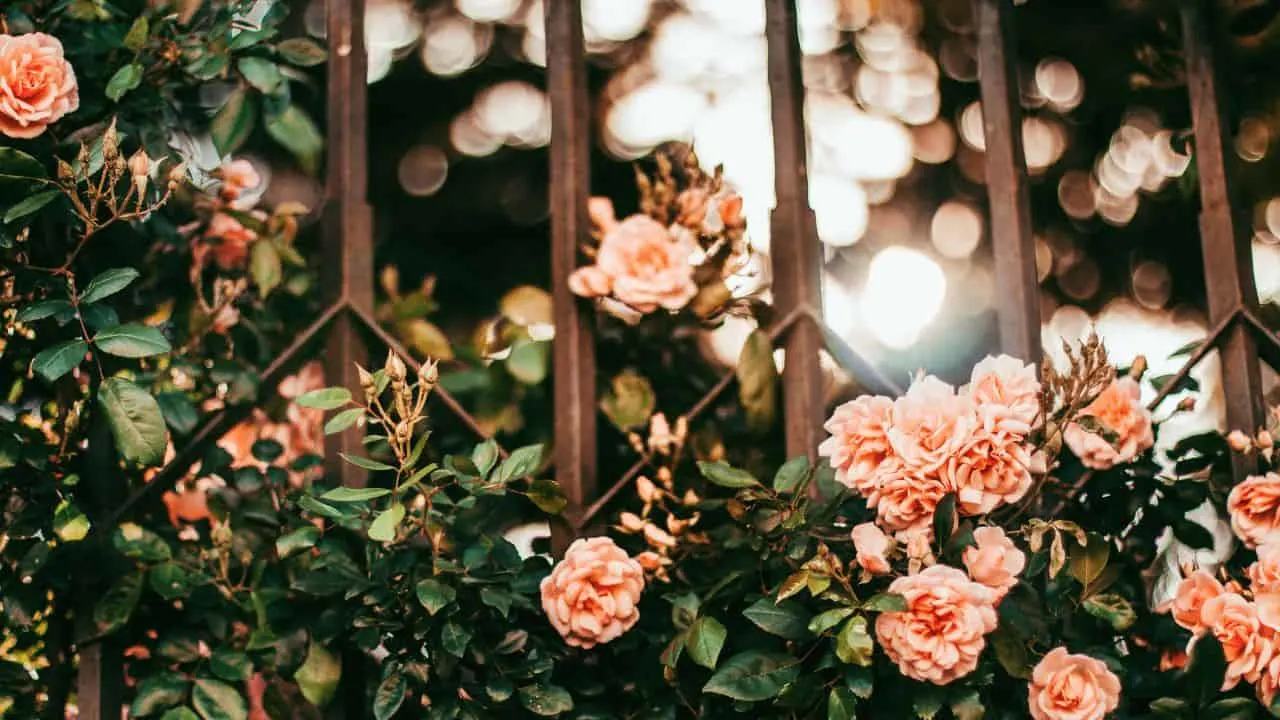
Roses may be the queens of the garden, but their crowns come with a thirst. While they’re not quite as greedy as cucumbers or hydrangeas, they still expect regular deep watering to keep the blooms steady. Skimp on water, and you’ll see fewer flowers, more pests, and leaves that crisp up around the edges. Overdo it, though, and their roots rot in soggy soil. Balance is everything with these divas.
Established roses appreciate about an inch of water a week, preferably in one or two deep soakings instead of daily sprinkles. Mulch around the base helps lock in moisture and keeps the roots cool during heat waves. Container-grown roses, however, are on a tighter leash — those need much more frequent watering because pots dry out quickly in the sun.
5. Impatiens


If roses are divas, impatiens are drama queens. These cheerful bedding plants will keep their color all summer, but miss a single watering on a hot day and they collapse like fainting Victorian ladies. The good news is they bounce back quickly if you catch them in time. One deep drink and their limp stems perk up within hours — it’s almost like a magic trick.
Because impatiens are shallow-rooted and often planted in clusters, the soil dries out faster than you’d expect. They thrive in shady spots where moisture lingers a bit longer, but in full sun, you’ll be chained to your watering can. A mulch layer helps, but you’ll still find yourself giving them regular attention.
6. Zucchini and Squash


If impatiens are drama queens, zucchini and squash are the heavyweight boxers of the garden. Their giant, umbrella-like leaves look impressive, but they’re also thirsty shields that evaporate water faster than you can say “zoodle.” On a hot day, one plant can suck up more moisture than an entire row of herbs.
These plants don’t just want water — they demand consistency. Miss a couple of days and the leaves wilt, fruits shrivel, and production slows to a crawl. Because their shallow roots spread wide rather than deep, they dry out quicker than you’d expect. A good soak at the base is far better than frequent sprinkles on top.
7. Corn


If you’ve ever walked past a cornfield in August, you know the sound — the dry rattle of leaves begging for water. Corn is a true guzzler, especially once it starts tasseling and forming ears. Each stalk might look slim, but together they create a wall of roots and leaves that drain soil faster than almost anything else you can grow.
What makes corn tricky is timing. It doesn’t just need water; it needs water at the right stage. During pollination and ear development, a dry spell can mean empty cobs or kernels that never fill. Gardeners who skip a week here can end up with a crop that looks good on the outside but is hollow inside.
8. Tomatoes


Tomatoes are drama queens when it comes to water. Give them too little, and they wilt dramatically. Give them too much, and their fruit splits open like overfilled balloons. What they crave is consistency — steady moisture that keeps their roots from drying out or drowning.
In August heat, tomatoes can drink more than you’d expect, especially when they’re setting and swelling fruit. A single dry day followed by a heavy watering often leads to cracked skins and uneven ripening. Worse, irregular watering can trigger blossom end rot, leaving those long-awaited tomatoes black-bottomed and ruined.
9. Cucumbers

 Cucumbers are relentless drinkers. Those sprawling vines and fast-growing fruits are like little water pumps, pulling moisture from the soil all day long. Miss a watering, and you’ll see it fast — leaves droop, fruit turns bitter, and growth slows almost overnight.
Because cucumbers are mostly water themselves, they need a constant supply to stay crisp and productive. Shallow roots make them even more vulnerable to dry spells, especially in August heat. Let the soil dry too often, and you’ll end up with misshapen, stunted fruit that’s no fun in a salad.
10. Hydrangeas


If there were a gold medal for garden thirst, hydrangeas would take it without a doubt. These shrubs are drama queens of the highest order. Skip a single hot afternoon, and their big mophead blooms flop like they’re auditioning for a tragedy. They don’t just like water — they demand it.
Part of the reason is those enormous leaves and blossoms. Both act like giant evaporation surfaces, losing moisture faster than most plants can keep up. In midsummer, especially in sunny spots, hydrangeas can wilt before your eyes if the soil isn’t kept consistently moist.
A Quick Note on Watering Amounts
Before you start carrying buckets across the yard, here’s the tricky truth: there is no single “right” amount of water for these plants. A hydrangea in a shady New England garden with rich loam won’t drink the same as one baking in a Texas backyard. Soil type, heat, humidity, rainfall, and even wind can all change how much water your plants burn through.
That’s why this list ranks plants by their relative thirst, not by fixed gallons per week. Think of it as a pecking order of guzzlers, not a strict recipe. The real key is to check your soil and watch your plants — they’ll tell you when they’re thirsty long before any chart does.
The Final Sip
Some plants are polite sippers. Others guzzle like it’s happy hour. From blueberries that only want steady moisture to hydrangeas that throw a fit if you miss a single day, every plant on this list has its own hydration habits. The catch is that none of them drink the same way everywhere — soil, heat, and climate all tilt the scale.
If there’s one lesson to take away, it’s that water is never one-size-fits-all. A watchful eye and a finger in the soil will tell you more than any schedule ever could. Pay attention, water wisely, and even the thirstiest divas in your garden will reward you with blooms and harvests worth the effort.
💧 Key Takeaways
- Water needs vary — zone, soil, and weather change the rules, so no schedule fits all.
- Watch for stress signals — wilting, drooping, or yellowing leaves tell you when plants are thirsty.
- Some plants are divas — hydrangeas, cucumbers, and tomatoes demand extra care to stay happy.


Daniel has been a plant enthusiast for over 20 years. He owns hundreds of houseplants and prepares for the chili growing seasons yearly with great anticipation. His favorite plants are plant species in the Araceae family, such as Monstera, Philodendron, and Anthurium. He also loves gardening and is growing hot peppers, tomatoes, and many more vegetables.