

“Sometimes the most loving thing you can do for your garden is to say goodbye.” It sounds dramatic, but it’s true. Not every plant deserves to stay just because it sprouted in spring. Some are past their prime, others have turned into pest hotels, and a few are outright bullies stealing space and water from crops that still have potential.
If you want a garden that thrives into fall, you can’t just add new plants — you have to know what to subtract. Let’s walk through ten things you should rip out this weekend to clear the way for healthier, more productive beds.
1. Bolted Lettuce and Spinach

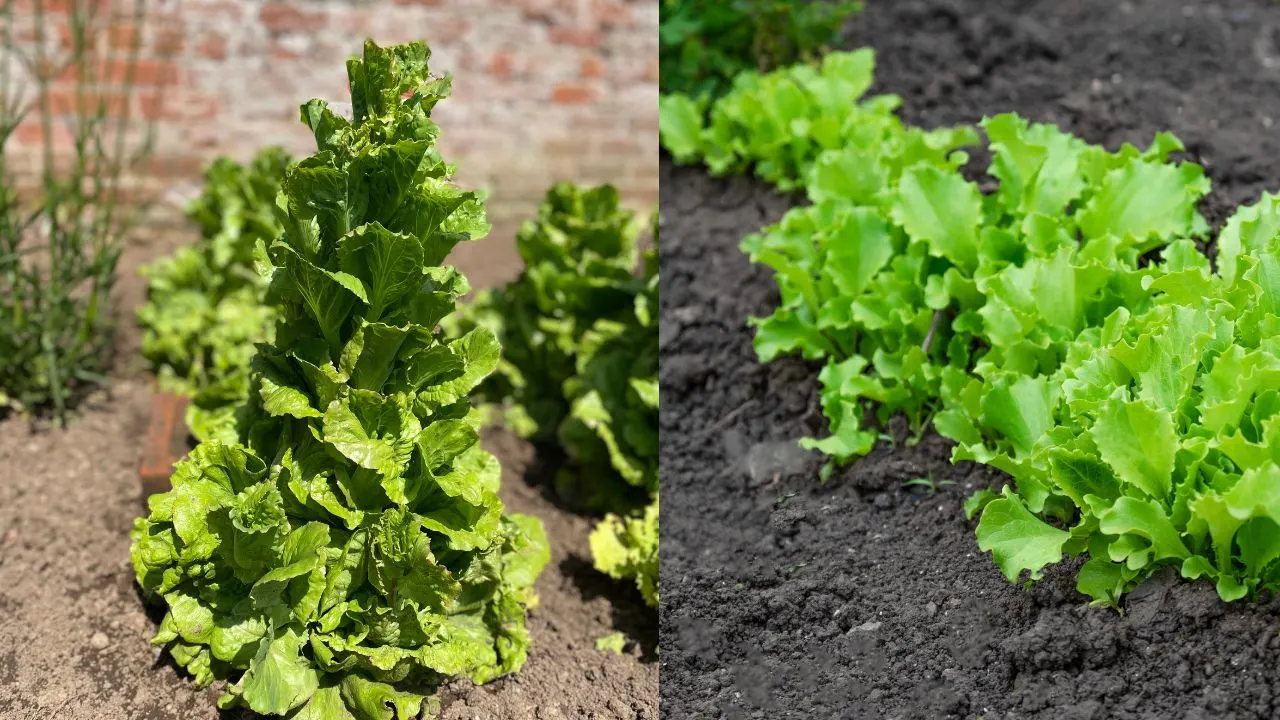
Once lettuce and spinach throw up seed stalks, the leaves turn bitter and tough. At this stage they stop feeding you and start feeding pests. Aphids crowd the tender stems, leaf miners linger, and the plants steal water from crops that still have a shot at a fall harvest. Keeping them now is sentimental, not strategic.
What to do and what to plant instead
- Pull and clean the bed: Uproot plants, remove aphid clusters, and compost only if disease free. If you see leaf spot or mildew, trash them.
- Reset the soil: Rake in a light layer of compost and water deeply to cool the bed before reseeding.
- Fast fall wins to sow now: arugula, mizuna, tatsoi, baby kale, radishes, cilantro. These germinate fast and shrug off cooler nights.
- Spinach strategy: Pre chill seeds in the fridge for 3 to 5 days in a paper towel, then sow in the evening for better germination in warm soil.
- Heat help: Use light shade cloth at midday and keep the top inch of soil evenly moist until seedlings establish.
2. Spent Pea Vines
By late summer, pea vines have usually given their all. Pods are tough, vines are yellowing, and instead of setting more flowers, they’re busy collecting mildew and aphids. Left in place, they act like scaffolding for pests and disease to spread to healthier crops nearby. Holding onto them doesn’t buy you more peas — it just risks next season’s soil health.
What to do with spent pea vines
- Pull them up: Remove vines once pods are finished. Shake off excess soil from the roots.
- Compost carefully: Healthy vines can go in the pile. If you see mildew, skip the compost and bag them instead.
- Soil bonus: Peas are legumes — their roots leave behind nitrogen nodules that enrich the soil.
- What to plant after: Quick crops like lettuce, radishes, or cilantro. In warmer zones, even a late sowing of bush beans can work.
3. Old Zucchini or Squash Vines

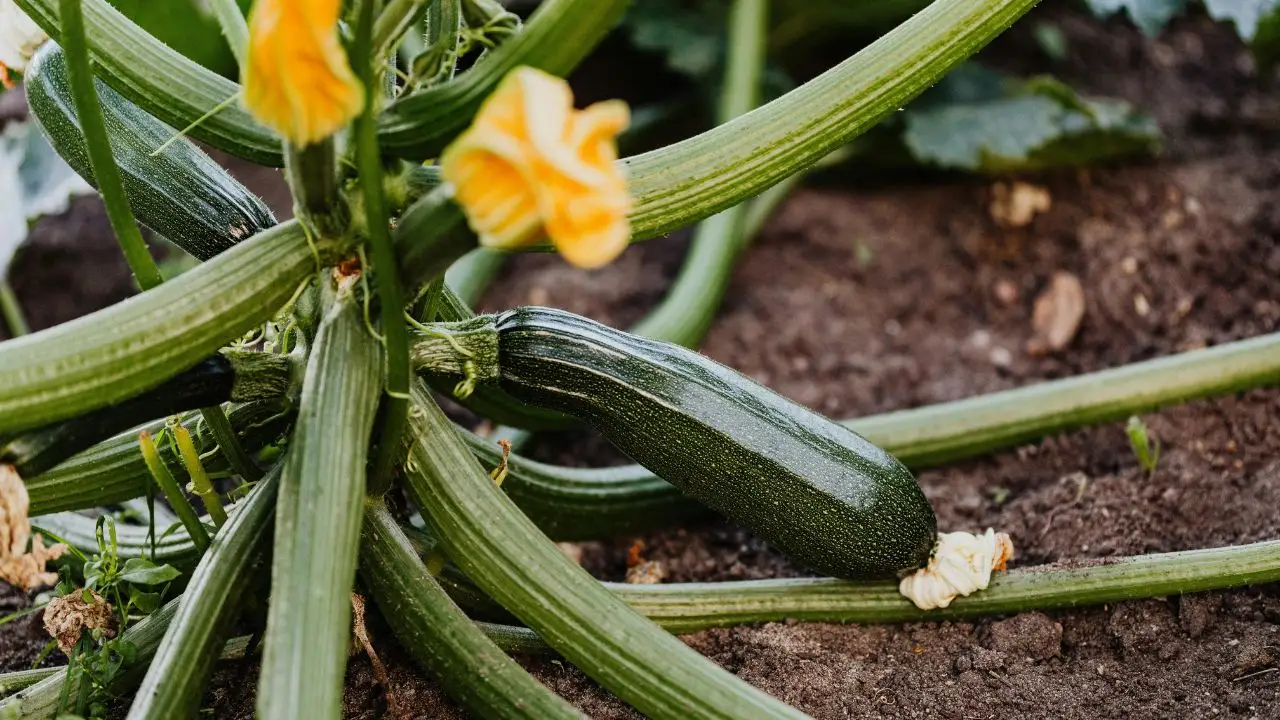
That zucchini that wouldn’t stop producing in July has likely slowed to a crawl by now. Once the vines are tired, they stop setting fruit and start attracting trouble. Squash bugs, cucumber beetles, and vine borers flock to declining plants, laying eggs and setting up camp for next season. If you leave those vines sprawled across the bed, you’re basically running a pest motel.
Cutting them out now doesn’t just clear space — it breaks the pest cycle before it explodes again next year.
Smart cleanup tips
- Remove vines fully: Don’t just chop at the soil line — pests often hide in the crown and stems.
- Bag, don’t compost: If you see eggs or insects, dispose of vines in the trash, not your compost pile.
- Rotate crops: Avoid planting squash in the same spot next year to keep pest pressure low.
- What to plant instead: Turn that cleared space into a fall bed for carrots, beets, or leafy greens.
4. Diseased Tomato Plants

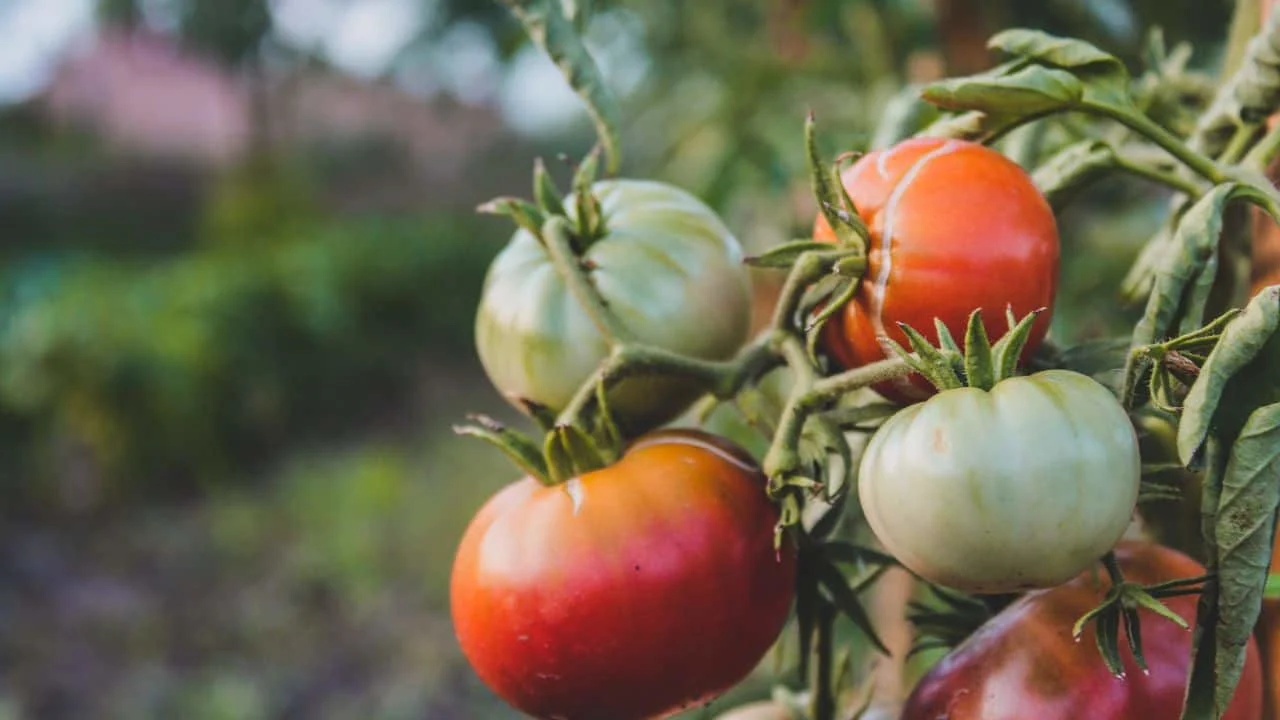
By late August, tomato plants can look more like haunted skeletons than food producers. Yellowing leaves, black spots, powdery mildew, or full-blown blight spread fast in humid weather. If your vines are more disease than green, keeping them around only fuels the problem. Fungal spores and pests happily hop from dying plants to anything nearby, turning one sick bed into a garden-wide headache.
It’s tough to part with tomatoes, but once disease takes over, the best move is to pull and protect your other crops.
When it’s time to let go
- Check the ratio: If most leaves are spotted or wilted, the plant won’t recover.
- Pull and dispose: Don’t compost diseased tomato plants. Bag and trash them instead.
- Clean the soil surface: Remove fallen leaves, which can harbor spores.
- Next season tip: Rotate tomatoes out of that spot for at least 2 years to break the disease cycle.
5. Overcrowded Basil and Woody Herbs

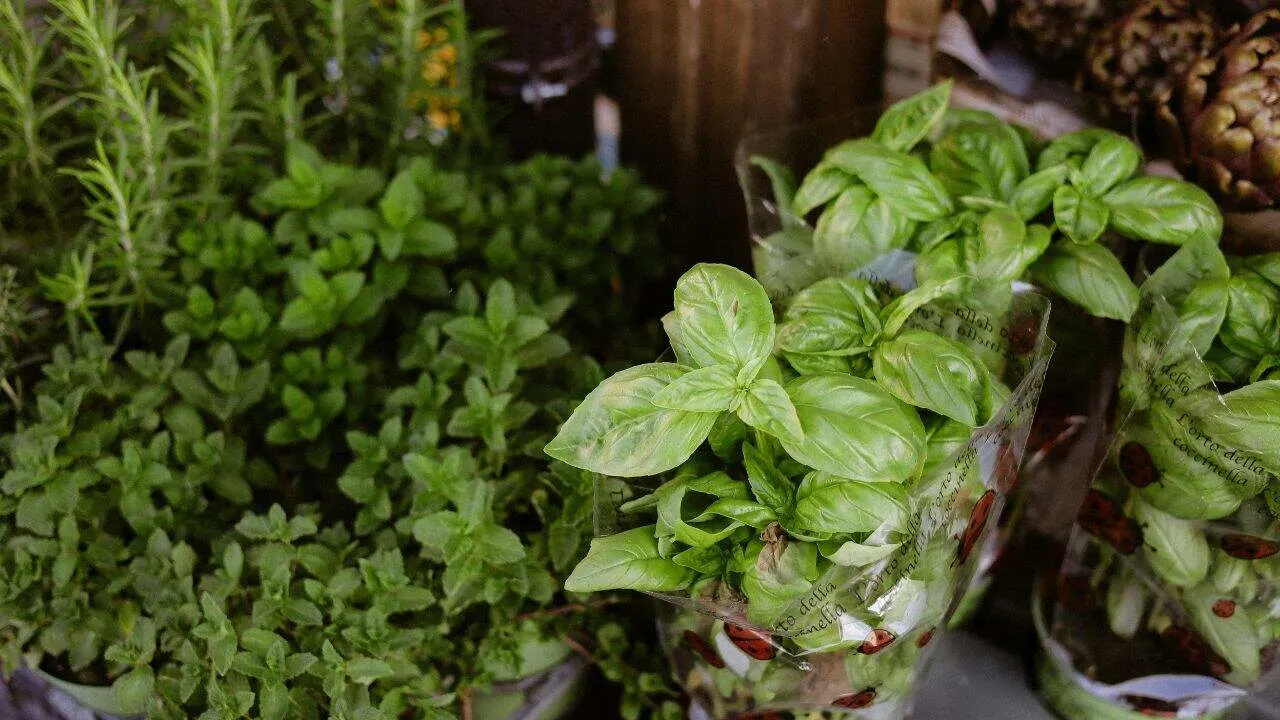
Fresh basil in June is pure joy. But by late August, basil that hasn’t been regularly cut back turns woody, bitter, and shaded into clumps that smother nearby crops. Other herbs like oregano, thyme, or mint can sprawl out of control, forming dense mats that hog sunlight and drink more water than they give back in flavor. At this stage, they’re less about harvest and more about hoarding resources.
Clearing them out — or at least thinning — frees up airflow, gives fall crops room, and prevents pests from hiding in tangled stems.
How to handle late-summer herbs
- Prune hard or pull: If basil stems are woody, it’s better to remove and reseed fresh plants.
- Divide and conquer: Perennial herbs like oregano can be divided now to reduce crowding.
- Dry what’s left: Cut healthy sprigs, dry or freeze them to stock up for winter cooking.
- Replace with: Quick greens like arugula or Asian mustards that thrive in cooler September days.
6. Annual Flowers Past Peak

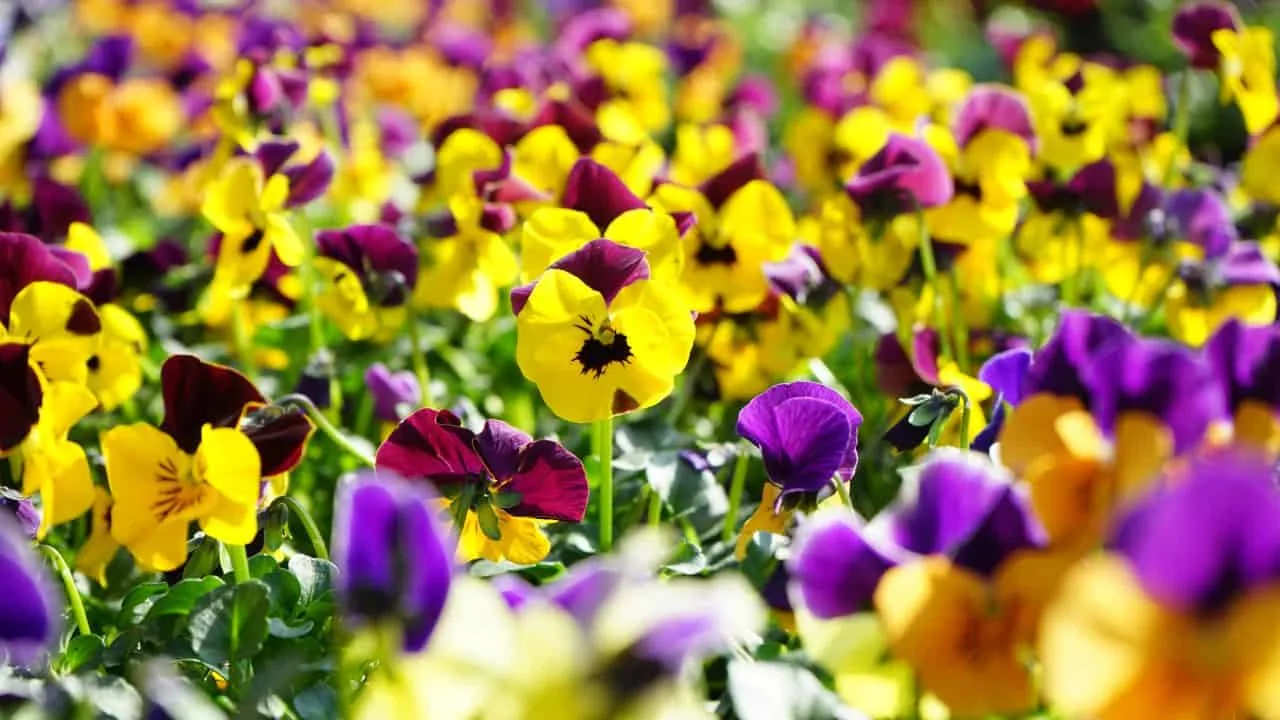
Those cheerful marigolds, petunias, and zinnias that carried the show all summer often look tired and ragged by late August. Instead of giving you more color, they’re shedding petals, hogging water, and dropping seeds where you may not want them next year. Once annuals pass their prime, they give little back to the garden — aside from feeding pests and shading fall crops.
Pulling them now isn’t wasteful. It’s a trade: you clear space for vegetables or cool-season flowers that will actually thrive as temperatures drop.
Smart swap ideas
- Compost healthy plants: Only if there’s no sign of disease.
- Plant fall color: Mums, pansies, asters, and ornamental kale are perfect seasonal replacements.
- Edible upgrade: Use cleared beds for spinach, lettuce, or radishes for a quick harvest.
- Seed-saving bonus: Collect seeds from favorites before pulling so you can replant next spring.
7. Weeds About to Set Seed

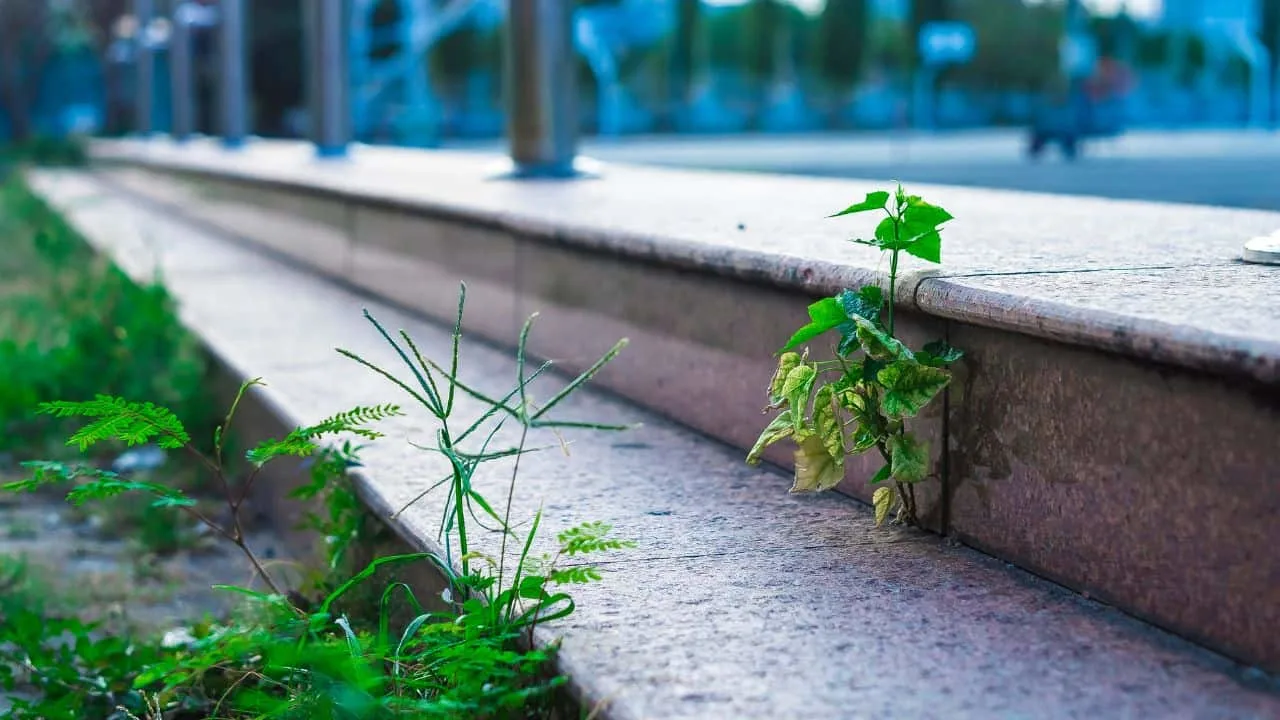
A single weed left to flower and seed in August can turn into hundreds of weeds next spring. Crabgrass, lamb’s quarters, pigweed, and dandelions are especially sneaky this time of year — they look harmless until you spot the seed heads forming. By then, it’s almost too late. Every day you wait, more seeds scatter into your soil, setting you up for a headache next season.
Ripping them out now saves you hours of pulling later. Think of it as a down payment on a cleaner, easier garden next year.
Weed control moves for late August
- Pull before they drop: Get them out while seed heads are still green.
- Bag, don’t compost: Seeded weeds can survive compost piles and sprout again.
- Cover bare soil: Add mulch or a quick cover crop (like clover) to block new weeds.
- Watch the borders: Fencelines and garden edges are prime seed factories — patrol them first.
8. Cucumber Vines in Decline
By late August, cucumber vines often look more like spiderwebs than healthy plants. Powdery mildew creeps across the leaves, fruits turn misshapen, and beetles chew away at what’s left. Once vines reach this stage, they rarely bounce back. Instead, they serve as pest breeding grounds and disease incubators that threaten next year’s crops if left to linger.
Pulling tired cucumber plants now not only protects the rest of your garden but also frees space for quick fall crops that will give you something fresh on the plate before frost.
When cucumbers call it quits
- Powdery mildew: White patches on leaves are a clear sign vines are done.
- Beetle damage: Holes in leaves and stems attract even more pests.
- Fruit decline: Curved, bitter, or tough-skinned cucumbers = vines under stress.
- What to plant instead: Fast growers like lettuce, radishes, or Asian greens can give you a September harvest.
9. Invasive Volunteers (Tree Seedlings, Rogue Gourds, etc.)
Every gardener has them — the mystery plants that pop up uninvited. Maybe it’s a maple seedling sneaking into your flower bed, or a rogue pumpkin vine sprawling from last year’s compost. While they may look harmless (or even fun), these volunteers are notorious resource hogs. They steal water, crowd out planned crops, and in the case of trees, can set deep roots that are a nightmare to remove later.
Leaving them until fall only makes the job harder. Pulling them now keeps your beds organized and your soil energy focused on plants you actually want.
Volunteer control tips
- Tree seedlings: Yank while small — roots toughen quickly with age.
- Rogue gourds/squash: Fun to watch, but they rarely produce edible fruit. Remove before they sprawl.
- Weedy perennials: Spot and dig them now before they seed or spread rhizomes.
- Compost carefully: Avoid tossing seeded volunteers into your pile unless it’s hot enough to kill seeds.
10. Pest-ridden Plants of Any Kind

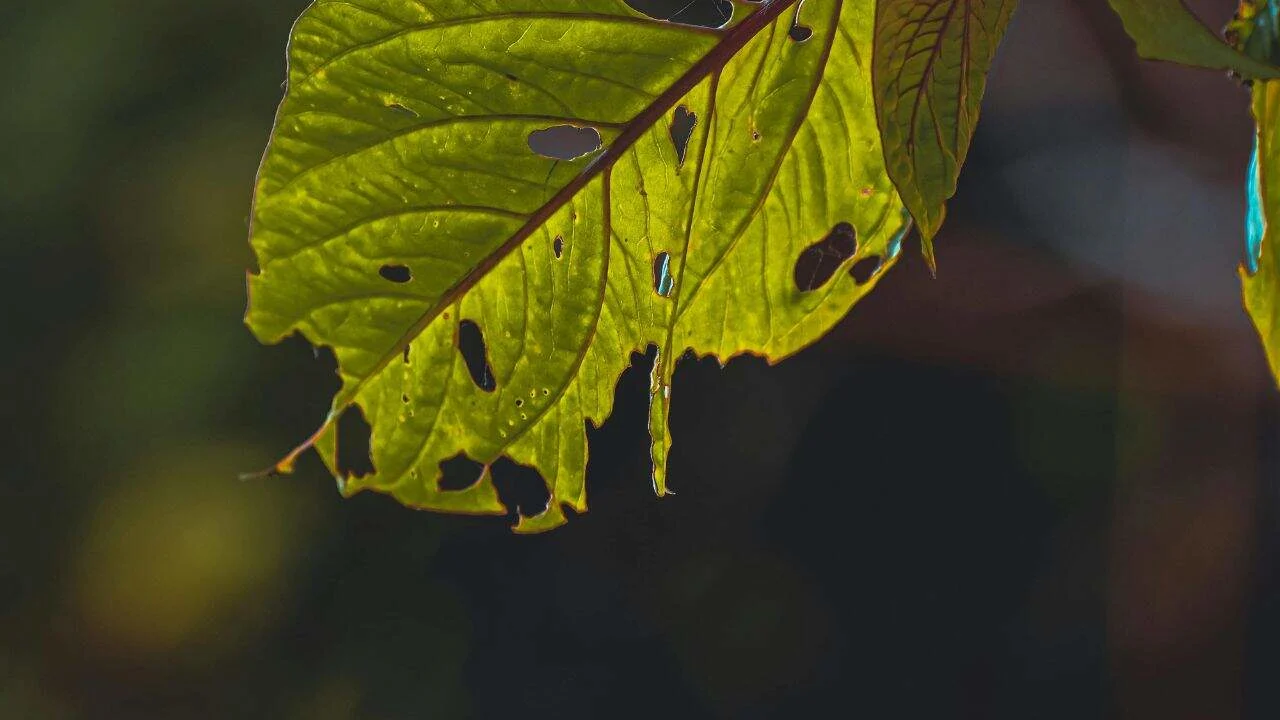
Sometimes the best way to save your garden is to sacrifice a single plant. If one is crawling with aphids, covered in spider mites, or riddled with beetle holes, it’s sometimes not worth “waiting it out,” especially if more than half of your plant is damaged. Infested plants act like pest nurseries, spreading trouble to everything nearby. By late August, keeping them around does more harm than good.
It’s a tough call, but pulling one badly infested plant can save ten healthy ones. Think of it as triage for your garden — protecting the many by letting go of the one.
When to pull the plug
- Aphid takeover: Leaves curled, sticky, and covered in clusters.
- Mite damage: Webbing and speckled leaves that drop prematurely.
- Chewed skeletons: Beetles devour leaves faster than the plant can recover.
- General rule: If more than half the plant is damaged, removal is smarter than rescue.
Clear the Decks for a Strong Fall Finish
Gardening isn’t just about planting — it’s about knowing when to let go. By ripping out the tired, diseased, or pest-ridden plants now, you free your soil, your time, and your remaining crops from unnecessary stress. Think of it as editing your garden so the best performers can shine while you set the stage for a cleaner fall and a smoother start next spring.
This weekend, take a slow walk through your beds with a critical eye. If a plant looks more like a burden than a benefit, it’s time to pull it. You’ll be surprised how much stronger and healthier your garden feels when the freeloaders are gone. Sometimes subtraction is the secret to growth.
🌿 Key Takeaways
- 🥬 Bitter bolted greens, tired cucumbers, and woody basil aren’t helping — they’re just taking up space.
- 🐛 Disease and pests spread fast in late August. Sacrificing one sick plant can save the rest of the bed.
- 🌸 Annual flowers past peak should go — swap them for mums, pansies, or quick fall edibles.
- 🌱 Clearing space now lets you sow fast-growing fall crops and keeps weeds from setting thousands of seeds.
- 🍂 Think subtraction, not just planting — removing freeloaders now sets your garden up for a strong fall finish.


Daniel has been a plant enthusiast for over 20 years. He owns hundreds of houseplants and prepares for the chili growing seasons yearly with great anticipation. His favorite plants are plant species in the Araceae family, such as Monstera, Philodendron, and Anthurium. He also loves gardening and is growing hot peppers, tomatoes, and many more vegetables.