


Let’s talk about the plants that ghost your garden. They smile in spring, nod politely at your compost, and then quietly implode by July.
These are the soil divas—the ones that act like everything’s fine, right up until they wilt dramatically in the middle of your flower bed like they’re auditioning for a gardening soap opera.
They’re not diseased. They’re not neglected. They’re just… offended. Offended by your pH. Annoyed by your drainage. Slightly insulted by your choice of mulch.
This is not a list of bad plants. This is a list of good-looking, high-maintenance plants that are secretly judging your soil choices and letting you know—passive-aggressively—that you should have done better.
So let’s pull back the curtain and meet the plants that are quietly suffering in silence… and what they actually want instead.
1. Hydrangea

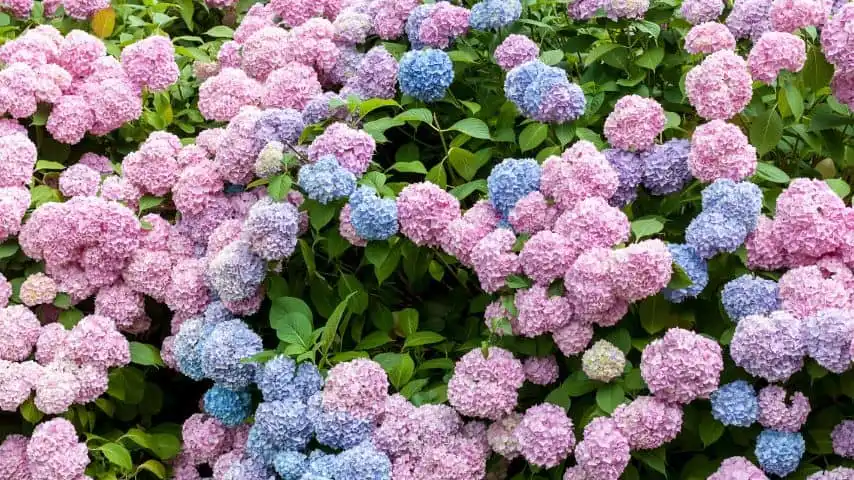
Hydrangeas are like that friend who’s charming, photogenic, and mysteriously stops texting back if you say something off. In the garden world, they are the drama.
The blooms are big. The colors are stunning. The attitude? Off the charts. Hydrangeas won’t yell at you outright—but give them the wrong soil, and they’ll sulk. Loudly. Leaf curl. Weak stems. Fewer blooms. It’s a silent tantrum, and they want you to notice.
What’s the issue? Hydrangeas are pH-sensitive royalty. The soil’s acidity literally changes the color of their blooms. If your soil is too alkaline, your blue hydrangea may turn pink. If it’s too acidic, your pink hydrangea may turn… confused. Some people love the color shifts. The hydrangea, however, does not.
What they want: Well-draining, consistently moist soil that’s slightly acidic (aim for a pH around 5.5–6.0 if you want blue). And no, you can’t just dump coffee grounds on them and call it a day. That’s not how this relationship works.
How to tell they’re not happy: Drooping, stunted growth, sad color changes, or a general vibe of disappointment.
Fix it: Do a soil pH test. Add aluminum sulfate for blue blooms or garden lime for pink. Or just accept that this plant has more mood swings than a Victorian poet and enjoy the unpredictability.
2. Lavender

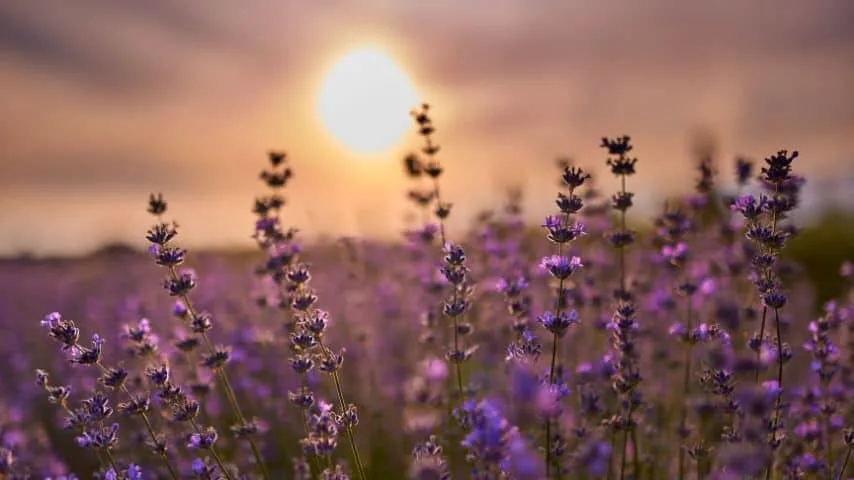
Lavender smells like a dream, attracts pollinators, and gives your garden that soft Provençal vibe. But don’t be fooled—this plant is judging you. Hard.
It doesn’t care how many Pinterest boards you saved. If your soil isn’t up to its Mediterranean standards, it will perish—and make sure you feel bad about it.
What’s the issue? Lavender hates wet feet. If your soil is heavy, clay-rich, or even slightly soggy after a rain, it’s already planning its dramatic exit. This plant wants to live on a rocky hillside in southern France, not in your mulched suburban flower bed with “good intentions.”
What it wants: Dry, sandy, gritty soil with excellent drainage and a neutral to slightly alkaline pH. Basically, treat it like it has a shellfish allergy: keep the moisture far, far away.
How to tell it’s unhappy: Yellowing leaves, root rot, or a plant that collapses like it just got bad news.
Fix it: Amend your soil with sand, gravel, or small rocks. Use raised beds or mounds if your yard holds water. And do not—under any circumstances—overwater. Lavender prefers your neglect to your affection.
3. Blueberries

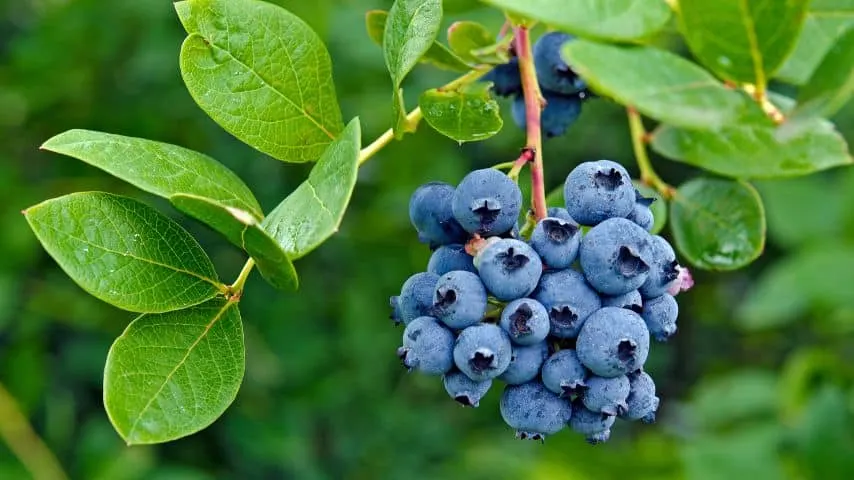
Blueberries are the picky eaters of the plant world. They look sweet and approachable, but deep down, they’re gourmet soil connoisseurs with a particular palette—and they will not compromise.
You can do everything right: water, sunlight, spacing. But if your soil pH isn’t acidic enough? They’ll sit there. Leaf out. Maybe even flower. But fruit? Absolutely not.
What’s the issue? Blueberries require acidic soil. Not “a little acidic.” Very acidic. We’re talking pH between 4.5 and 5.5. And guess what most backyard soil hovers around? 6.5 or 7.0. That’s basically offensive to them.
What they want: Acidic, well-draining soil rich in organic matter. Think pine needles, peat moss, or sulfur amendments. And no lime—ever. Lime is their sworn enemy.
How to tell they’re miserable: Yellowing leaves with green veins (a sign of iron deficiency), stunted growth, no fruit, and an overall “meh” energy. You’ll feel it. They give off a vibe.
Fix it: Test your soil. Add elemental sulfur to lower the pH, or plant them in containers with a custom acidic soil blend. You can also mulch with pine bark or peat moss. But don’t expect them to thank you immediately—blueberries hold grudges.
4. Peonies

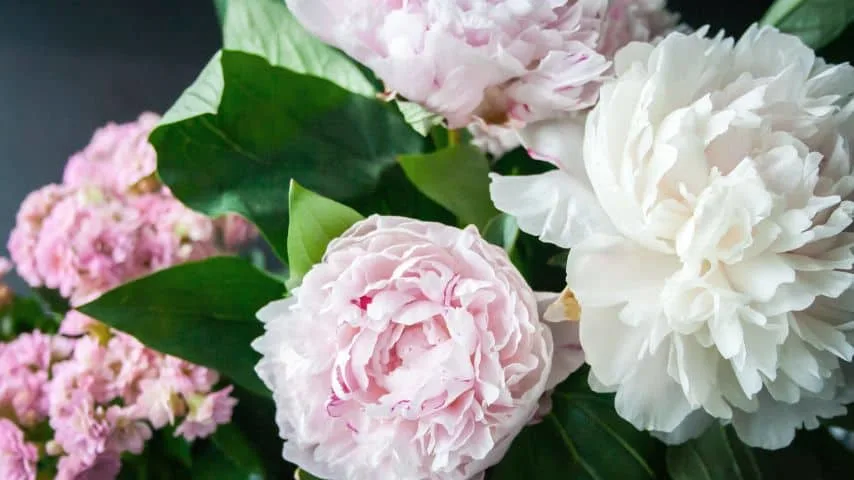
Peonies are the garden world’s royalty. Regal, timeless, beloved by grandmothers and Instagram alike. But behind those luscious blooms? A deeply opinionated diva who’s not afraid to withhold affection if the soil isn’t perfect.
You won’t get angry tantrums. You’ll get years of passive-aggressive silence. No blooms. No growth. Just leaves and disappointment.
What’s the issue? Peonies are extremely sensitive about planting depth and drainage. If your soil is too heavy or the crown is even an inch too deep, they’ll throw an eternal sulk-fest. Also, they don’t love acidic soils—aim for slightly neutral to slightly alkaline.
What they want: Rich, well-drained soil with a pH around 6.5 to 7.0. Full sun. And to be left alone. Honestly, they don’t like being moved or fussed over. They’re the introverts of the perennial world.
How to tell they’re displeased: No flowers, even after years. A healthy-looking plant that just refuses to bloom. Like a barista who knows your name but still won’t make eye contact.
Fix it: Dig up and replant at the correct depth (crown no deeper than 2 inches). Improve drainage with compost and coarse sand if needed. And then back away slowly. You’ve done enough.
5. Rosemary

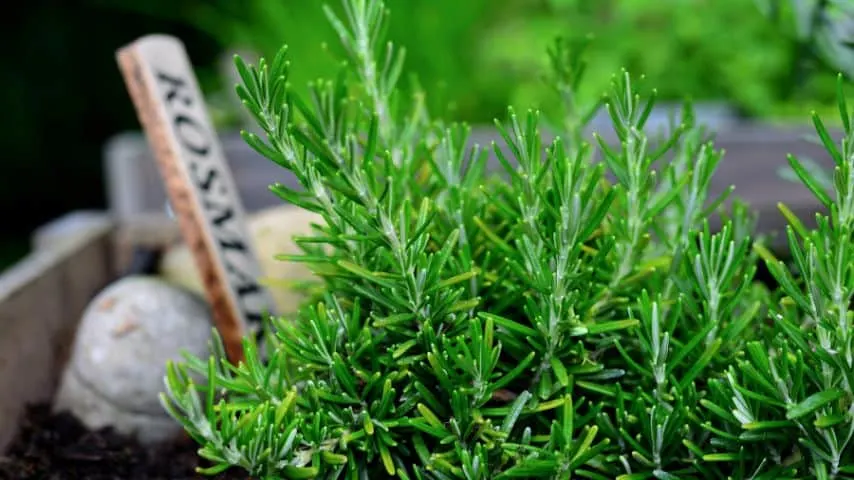
Rosemary is the tough love aunt of your herb garden. It doesn’t need much. It doesn’t ask for attention. But give it the wrong soil, and it’ll silently die on you—no drama, no warning, just one day: crispy.
What’s the issue? Rosemary is from the Mediterranean. It likes sun, rocky hillsides, and soil that drains faster than a TikTok trend. If you try to grow it in rich, moisture-hugging soil? It will hate you. With its whole soul.
What it wants: Poor, sandy, gritty soil with excellent drainage and zero humidity. It prefers things dry and a little bit harsh—like its sense of humor. Raised beds or containers are ideal if your garden soil is on the heavy side.
How to tell it’s suffering: Yellowing or browning needles, root rot, or entire stems that give up the ghost overnight. It won’t stick around to negotiate.
Fix it: Repot or replant in a cactus-like mix: think sand, perlite, and compost. Water deeply—but rarely—and never let it sit in soggy soil. Rosemary is not needy. It just wants you to stop smothering it.
6. Azaleas
Azaleas look like the easygoing darlings of the spring garden—fluffy, vibrant, and eager to bloom. But don’t be fooled. These shrubs are soil snobs of the highest order, and if your garden doesn’t cater to their pH demands, they’ll ghost you harder than a bad first date.
What’s the issue? Azaleas demand acidic soil. Not moderately acidic—decidedly acidic. We’re talking pH 4.5 to 6.0. If you plant them in neutral or alkaline ground, they’ll survive, but they won’t thrive. It’s like putting a concert pianist on a plastic keyboard and expecting magic.
What they want: Light, well-drained, acidic soil loaded with organic matter. No clay. No compacted soil. And absolutely no lime. Give them pine bark mulch, leaf mold, or composted oak leaves. Think forest floor, not backyard turf.
How they show disappointment: Yellowing leaves (especially between the veins), poor flowering, or leaves that fall off like they’ve just had enough of this nonsense.
Fix it: Do a soil pH test. Add elemental sulfur or a specialty acidifier. Mulch with pine needles or bark to maintain the right acidity. Azaleas will forgive—but only if you act fast and stay consistent. They’re petty like that.
7. Camellias

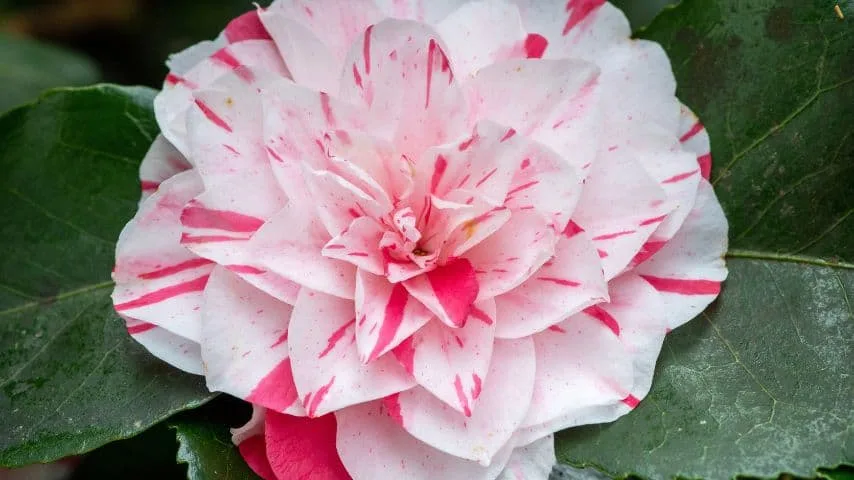
Camellias carry themselves like elegant Victorian heroines—refined, poised, and prone to fainting if the conditions aren’t exactly right. You give them filtered light, protection from wind, and a gentle touch… but mess up the soil? They’ll make sure you suffer emotionally.
What’s the issue? Camellias are fussy about both pH and drainage. They want acidic soil, but not too acidic. Moist soil, but never soggy. Shade, but not too much shade. Basically, they’re the Goldilocks of flowering shrubs, and your yard is probably “too something.”
What they want: Slightly acidic soil (pH 5.5–6.5) that drains well but stays consistently moist. They’re happiest in dappled shade and sheltered spots with humus-rich earth. Bonus points if you mulch with pine bark and whisper encouragement.
Signs of a meltdown: Leaf drop, bud blast (when flower buds form and then fall off), yellowing leaves, or just a whole lot of nothing happening for several years in a row.
Fix it: Improve drainage, use mulch that lowers pH, and never let their roots dry out or drown. A layer of pine bark, composted leaves, and a regular soil check will keep them from going full 19th-century fainting couch.
8. Foxglove

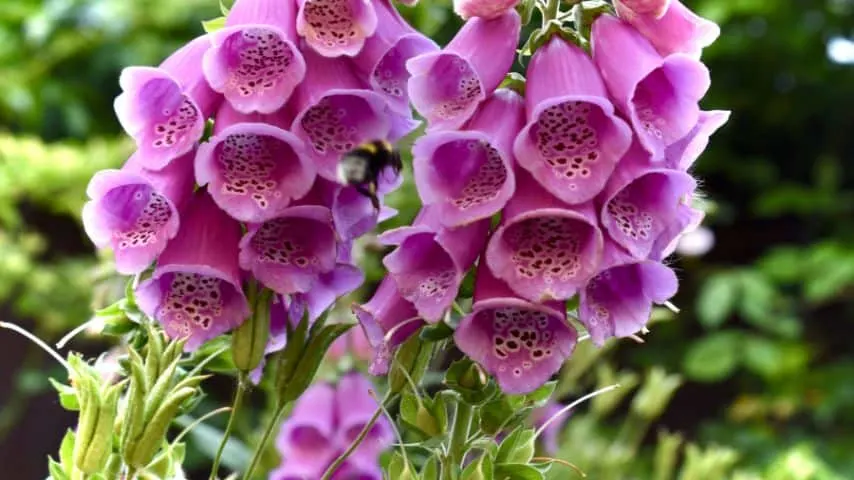
Foxglove is that stunning friend who’s always photogenic, slightly mysterious, and definitely hiding something. Spoiler: it’s poison. Every part of this plant is toxic, and yet gardeners can’t resist those tall, speckled bells. But here’s the kicker—foxglove hates your soil, and it’s not subtle about it.
What’s the issue? Foxglove demands well-drained soil. If you plant it in heavy clay or soggy ground, it’ll germinate, pout, and then ghost your entire border. Also, it prefers slightly acidic to neutral conditions. If it’s too alkaline, foxglove enters full diva shutdown mode.
What it wants: Loose, fertile, humus-rich soil that drains like a dream but still holds some moisture. Think woodland edge, not suburban swamp. Oh, and light shade please. Full sun is “not its vibe.”
How to tell it’s plotting its exit: Leaves that wilt or turn black at the base, stunted flower spikes, or plants that vanish completely after one soggy week. Also, self-seeding? Not gonna happen unless the conditions are just right.
Fix it: Add organic matter, loosen the soil, and plant on a slope or raised bed if needed. If you’re working with clay, dig deep and add compost or leaf mold. Foxglove won’t say thank you—but it might stick around long enough to bloom again next year.
It’s Not You, It’s Your Soil
If you’ve been blaming yourself for your garden’s drama, take a deep breath. It might not be your lack of watering skills or your inconsistent mulching—it might just be that your plants are high-maintenance snobs with very specific taste in dirt.
From acid-loving blueberries to shade-demanding foxgloves, these beautiful bullies aren’t here to adapt. They want what they want. And if they don’t get it, they’ll flop, fade, and fizzle like it’s your fault. (It kind of is—but now you know better.)
So, before you buy another stunning plant that’s secretly judging your soil from its nursery pot, test your pH, improve your drainage, and read the room—or at least the label.
Your garden doesn’t need fewer plants. It just needs fewer divas in the wrong role.


Daniel has been a plant enthusiast for over 20 years. He owns hundreds of houseplants and prepares for the chili growing seasons yearly with great anticipation. His favorite plants are plant species in the Araceae family, such as Monstera, Philodendron, and Anthurium. He also loves gardening and is growing hot peppers, tomatoes, and many more vegetables.