

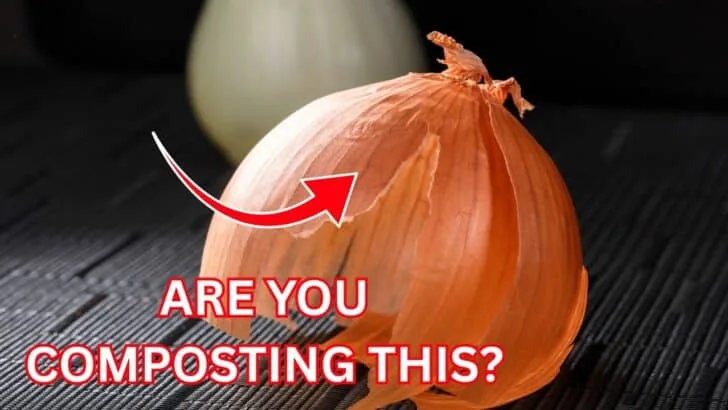
Before you hurl that soggy paper towel into the bin or scrape your dinner leftovers into the trash, hold up. Your garbage is trying to tell you something. It’s whispering, “Hey, I could’ve been compost.”
Composting, for the uninitiated, is the glamorous art of letting your kitchen scraps rot in a controlled fashion until they turn into nutrient-packed soil candy. Sounds disgusting. Is kind of disgusting. But your plants will love you for it.
Everyone talks about banana peels, coffee grounds, and eggshells like they’re some sort of composting trinity. They are. But what if we told you there’s a whole world of weird, wonderful, and weirdly wonderful scraps that are just as good — if not better?
Here are 11 things you might’ve been tossing without a second thought. They look like trash. But they’re absolute treasure to your garden.
1. Used Tea Bags
Tea bags have been compost heroes long before composting was trendy. They’re small, humble, and quietly packed with nutrients your soil actually wants. That cup of sleepytime tea you brewed last night? It’s still doing good things — just not for you anymore.
- Rich in nitrogen – tea leaves are like espresso shots for compost microbes.
- Good for moisture – they hold a bit of water, helping balance dry materials.
- Bonus tannins – some plants benefit from the acidic compounds found in tea.
But! Not all tea bags are created equal. Some are part tea bag, part synthetic fiber, and 100% compost saboteur.
- Check the label. Look for plastic-free, biodegradable bags.
- If in doubt, tear the bag open and just compost the leaves inside.
- Skip the staple. Your worms aren’t into metal.
In short: your garden doesn’t care if you’re a herbal person or a black-tea purist. It just wants the leftovers.
2. Paper Towels (The Clean-ish Ones)
They wiped up your mess, they did their job, and now they’re heading for eternal landfill doom? Not on our watch. Unbleached, chemical-free paper towels are surprisingly decent compost material — especially if you’re always short on dry, carbon-rich “browns.”
- Carbon-rich – great for balancing out your wet kitchen scraps.
- Quick to break down – they disappear into the pile faster than you’d think.
- Cheap and abundant – if you’ve got kids or a messy dog, you’ve probably got a supply chain going already.
What to compost:
- Wiped up water, coffee, or veggie juice
- Blotted excess oil from pan-fried food (minimal grease is fine)
- Tears of gardening frustration
What to skip:
- Paper towels soaked in chemical cleaners or disinfectants
- Anything used to clean up meat or dairy spills
Your compost bin isn’t picky. It just doesn’t want bleach or bleachy vibes. Keep it clean-ish, and your paper towels will do their second round of good in the garden.
3. Hair (Yes, Really)
Weird? Absolutely. Effective? Surprisingly, yes. Human hair, pet fur, beard trimmings, that tumbleweed of fluff behind the couch — it’s all slow-release nitrogen for your compost heap.
- High in nitrogen – hair contains keratin, a protein that breaks down over time and feeds your soil.
- Free and constant – especially if you’re shedding like a golden retriever in summer.
- Good for aeration – clumps of hair help create airflow as they decompose (eventually).
How to compost it without creeping out your neighbors:
- Chop it up if it’s long — smaller bits break down faster.
- Mix it into the pile well. Hair mats if you let it clump together.
- Avoid dumping a salon’s worth at once. Your compost bin shouldn’t look haunted.
Bonus: Hair can actually deter some pests when used as mulch. It’s the only time your split ends might save a lettuce from being nibbled.

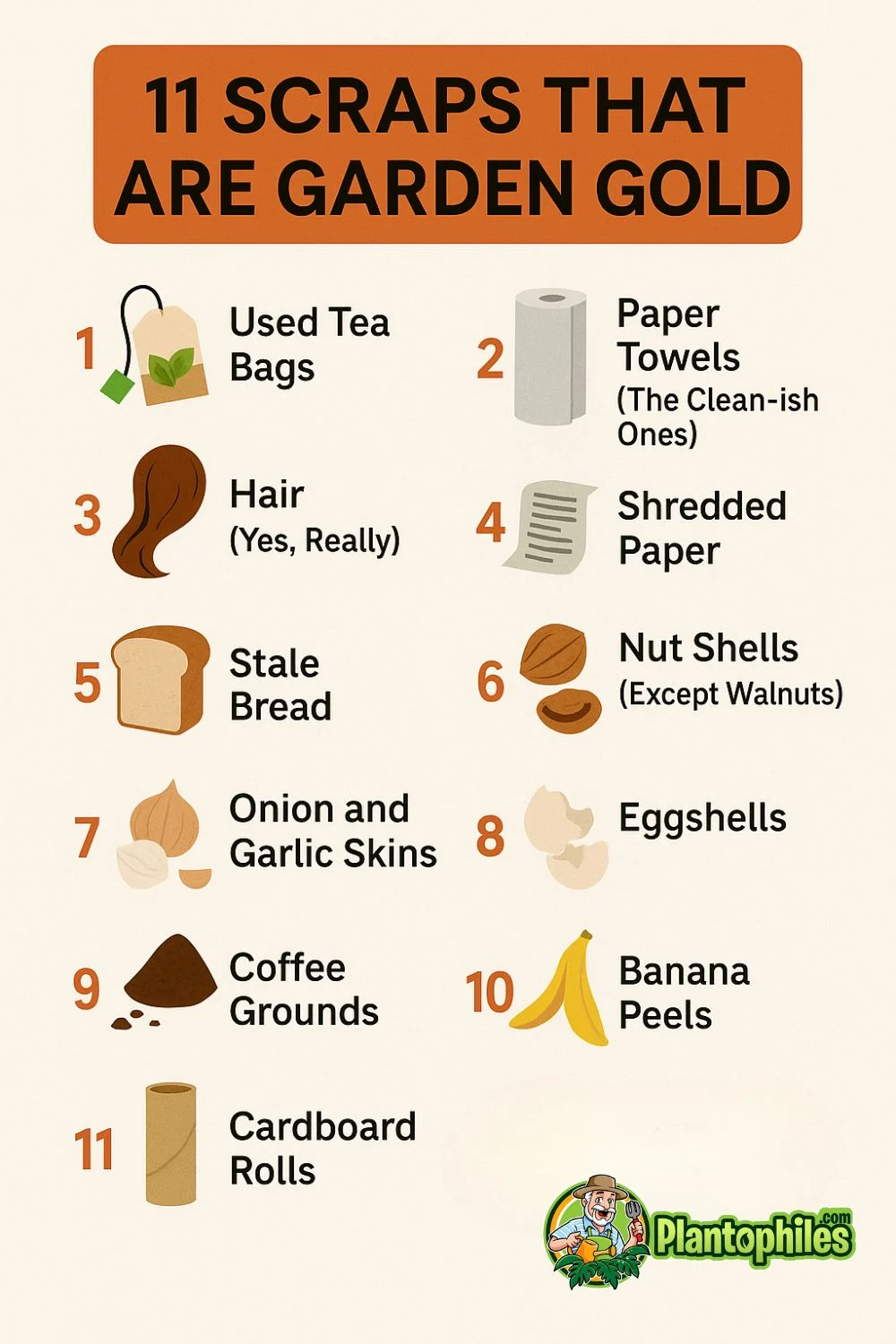
4. Shredded Paper
Let’s be honest. Most of what hits your mailbox could go straight to the compost heap. Shredded paper is an underrated hero — it bulks up your pile, soaks up moisture, and gives all those nitrogen-rich scraps something to cling to. Finally, a use for that grocery flyer you didn’t ask for.
- Great carbon source – shredded paper is basically compost confetti.
- Balances out wet scraps – soggy fruit peels need a dry buddy.
- Free and never-ending – especially if your printer still thinks it lives in 2004.
Use paper like a pro:
- Stick to black-and-white ink (soy-based is best).
- Remove plastic windows from envelopes.
- Avoid glossy or heavily coated paper — your compost doesn’t need a magazine subscription.
Ripping up your bills and feeding them to the compost is also excellent therapy. Try it sometime. Your plants and your blood pressure will thank you.
5. Stale Bread
That half-eaten baguette you forgot in the back of the pantry? It’s not trash. It’s compost fuel. Bread breaks down fast, adds carbs to the mix, and helps get that microbial party started. As long as it’s not sporting a fuzz beard, you’re good to go.
- Quick to decompose – soft and spongy = compost dynamite.
- Boosts microbial activity – the microbes in your compost love carbs too.
- Perfect for burying – ideal for the middle layer of your pile.
Tips to avoid a rodent rave:
- Break it into small pieces before adding.
- Bury it deep in the pile to avoid attracting pests.
- Only compost dry, mold-free bread. If it’s blue, it’s through.
Bread may not be good for your diet, but it’s excellent for your compost pile. Give it one last mission before it crumbles entirely.
6. Nut Shells (Except Walnuts)
Shelling nuts is one of those strangely satisfying chores. But before you toss the pile of empties, know this: most nut shells are compost gold. They break down slowly, add texture, and help with airflow. Think of them as the compost equivalent of packing peanuts — except natural and way less annoying.
- Carbon-rich – perfect for balancing out your kitchen scraps.
- Long-lasting structure – adds bulk and aeration while they break down.
- Safe for worms – they’ll eventually munch on them like tiny powerlifters.
Shells that are compost-friendly:
- Peanuts (yes, even though they’re technically legumes)
- Almonds, cashews, pistachios, hazelnuts
- Brazil nuts, macadamias — go nuts
Shells to avoid:
- Walnut shells – they contain juglone, which can inhibit plant growth
- Salted nut shells – salt’s great for margaritas, terrible for compost
If you’re the kind of person who snacks and composts at the same time, congrats. You’re officially efficient and your garden owes you one.
7. Onion and Garlic Skins
They’re papery, they flutter everywhere, and they somehow end up stuck to your elbow. But onion and garlic skins are more than just kitchen clutter — they’re packed with nutrients your compost pile will love.
- Rich in sulfur – great for certain veggies like cabbage, broccoli, and Brussels sprouts.
- Trace minerals galore – the kind your soil craves but never texts back.
- Dry and lightweight – perfect “brown” material to balance out all the mushy stuff.
And no, they won’t ruin your compost:
- Despite the myths, onion and garlic skins won’t kill your pile.
- They break down just fine — especially if you crush or tear them up first.
- Worms might take a minute to warm up to them, but they’ll get there.
Save the skins. Compost them. And next time they stick to your arm, remember: they’re doing it for your tomatoes.
8. Eggshells
Eggshells are basically calcium capsules in crunchy form. Sure, they take a while to break down, but once they do, they’re like a mineral deposit for your soil. Plus, tossing them in the trash just feels wrong when your compost bin is right there, looking hungry.
- High in calcium – especially helpful for tomatoes, peppers, and squash.
- Deters some pests – crushed shells can irritate soft-bodied critters like slugs.
- Adds structure – creates a bit of breathing room in dense compost.
How to prep your shells like a pro:
- Rinse them if you’re not composting hot — no one wants a stinky pile.
- Let them dry out completely to prevent clumping.
- Crush them before tossing them in — they’ll break down faster and take up less space.
They might not look like much, but eggshells are the slow-release multivitamins your compost didn’t know it needed.
9. Coffee Grounds
Your morning fix doesn’t stop being useful after the last sip. Coffee grounds are rich in nitrogen, smell a lot better than half your compost pile, and happen to be a favorite snack of worms everywhere. Basically, they’re the VIPs of kitchen compost.
- Nitrogen-packed – grounds are considered “green” material, despite being brown.
- Great for worms – red wigglers go wild for the stuff.
- Improves texture – helps prevent overly soggy, compacted piles.
A few tips to keep it compost-cute:
- Let the grounds cool before adding — steaming compost is less fun than it sounds.
- Mix them in well. A dense layer of coffee grounds turns into a brick faster than you think.
- Paper filters? Toss those in too, as long as they’re unbleached and chemical-free.
Your coffee habit is finally doing something for your garden. Keep drinking. Your compost’s counting on you.
10. Banana Peels
Banana peels are the compost equivalent of a power smoothie — packed with potassium, phosphorus, calcium, and a bunch of micronutrients your plants can’t get enough of. Just don’t toss them in whole unless you’re trying to lure fruit flies into a romantic comedy subplot.
- Rich in potassium and phosphorus – essential for flowering and fruiting plants.
- Full of micronutrients – magnesium, calcium, sulfur, and even trace amounts of nitrogen.
- Breaks down quickly – especially if chopped or blended first.
Best banana peel practices:
- Cut them into small pieces to speed up decomposition.
- Bury them deep in the pile to avoid pests.
- Skip peels from bananas sprayed with wax or coated in stickers (yes, people forget the stickers).
Banana peels may be basic, but they’re compost royalty. Just keep the comedy slipping gags in cartoons where they belong.
11. Cardboard Rolls
When the toilet paper’s gone and you’re left holding the sad little cardboard tube, don’t toss it. That humble roll is pure carbon and exactly what your compost bin needs to stay balanced and breathable.
- Excellent carbon source – balances out wet, nitrogen-heavy scraps.
- Improves airflow – keeps the pile from turning into a soggy blob.
- Breaks down slowly – which means long-lasting structure while it decomposes.
How to compost cardboard rolls like a seasoned garden goblin:
- Shred or tear them into small pieces for faster breakdown.
- Soak them briefly in water if they’re too stiff to rip.
- Avoid anything with colored ink or waxy coatings (looking at you, fancy wrapping paper tubes).
Turns out even the cardboard core of bathroom supplies can live a second life. It’s the zero-waste redemption arc you didn’t know you were writing.
Waste Less Grow More
I used to think composting was all banana peels and lawn clippings. Then I realized I was tossing out a buffet of scraps that my garden would’ve gladly turned into flowers, veggies, and smug satisfaction. Once you see it, you can’t unsee it — the napkin from lunch, the hair in your brush, that cardboard roll? It’s all potential.
Composting isn’t about being perfect. It’s about noticing. About giving your plants the weird, wonderful leftovers they secretly love. And honestly, once you get into the habit, it’s weirdly addictive. You’ll start looking at your trash like it’s a missed opportunity.
So don’t toss it. Save it. Shred it. Bury it. Your compost pile deserves better. And your garden will absolutely notice the difference.


Daniel has been a plant enthusiast for over 20 years. He owns hundreds of houseplants and prepares for the chili growing seasons yearly with great anticipation. His favorite plants are plant species in the Araceae family, such as Monstera, Philodendron, and Anthurium. He also loves gardening and is growing hot peppers, tomatoes, and many more vegetables.