

You think your plants died because of the weather? Maybe. But maybe not.
Every season, gardeners fall into innocent habits that quietly sabotage their plants. No screaming symptoms. No obvious “this is why.” Just fading leaves, stunted fruit, and that slow sinking feeling that something isn’t right.
Today we’re calling them out. These are the little habits that seem harmless but slowly kill your garden. Some of them you’ve probably done this week. A few of them you’ve done for years.
It’s not too late. Fix these now, and your plants might just bounce back stronger than ever.
🌿 Key Takeaways
- ⚠️ Small habits add up — even minor mistakes can shorten plant life without you noticing.
- 💧 Timing and technique matter — from watering angles to pruning schedules, precision makes a difference.
- 🌞 July brings stress — heat and sun amplify every little error, so staying sharp matters more than ever.
- 🪴 Check your setup — from plant spacing to staking, your layout might be silently hurting your yields.
- 🔄 Observation is everything — catching early signs and adjusting habits is what makes a great gardener.
1. Always Planting in the Same Spot
Tomatoes in the same corner. Beans in the same row. Squash in that cozy spot near the fence. Sound familiar?
It’s easy to fall into a routine, but soil isn’t static. Pathogens, fungi, and root-hungry bugs remember where your favorite crops were. And once they move in, they don’t leave quietly. Nutrients get sucked dry, root systems weaken, and diseases like blight come back faster every year.
This isn’t just bad luck. It’s a pattern, and it’s preventable.
2. Trimming Leaves in the Heat of Day
You spot a few scraggly leaves around noon and think, “Just a quick tidy-up.” Snip, snip. Easy, right?
But plants aren’t huge fans of mid-day makeovers. Pruning during peak sun hours stresses them out. You’re exposing soft, inner tissues to scorching heat. Some plants even bleed sap under the stress, losing moisture they can’t afford to spare. And that tidy cut? It becomes a hotbed for sunscald and dehydration.
What felt like a quick grooming session can shorten your plant’s lifespan faster than you think.
Do your pruning early in the morning or late afternoon. Plants are cooler, less stressed, and healing starts before the next sun blast. Think of it as surgery with proper aftercare.
3. Overfeeding with Liquid Fertilizer
It feels generous. A splash of liquid feed every week, maybe even more often if the plant looks tired. You’re giving it love, right?
But here’s the harsh truth: too much of a good thing turns toxic fast. Overfeeding with liquid fertilizer doesn’t just waste money. It salts up the soil, burns roots, and weakens the plant’s ability to search deeper for nutrients. You’re essentially training your veggies to stay shallow, fragile, and dependent.
Especially in hot weather, this leads to leaf drop, yellowing, and a sad, sluggish garden that never quite bounces back.
Feed deeply, not frequently. Use diluted liquid feed no more than twice a month, or switch to a slow-release organic fertilizer to keep plants steady and independent. In summer, resilience beats speed.
4. Letting Leaves Touch the Soil
It looks harmless — a leaf or two sprawling across the soil. But down there, trouble brews fast. When leaves stay in contact with the soil, they become the welcome mat for fungal infections, bacterial blight, and hungry slugs.
This is especially brutal during damp spells or after watering. Moisture clings to the leaves, soil splashes up, and pathogens move in. You might not see it right away, but yellow spots, black edges, and soft stems usually follow. One lazy leaf today becomes plant rot tomorrow.
Keep lower leaves pruned, especially on bushy plants like tomatoes and peppers. Use a mulch layer to reduce splashback, and gently stake or support plants to encourage upward growth. Clean plants are healthy plants.
5. Skipping Shade on Heat-Sensitive Crops
Some plants just can’t handle the full summer blaze — and pretending otherwise is a fast track to bolted lettuce and bitter spinach. A lot of gardeners plant these cool-weather lovers like they’re tomatoes, then wonder why they’re toast by mid-July.
Peas, cilantro, arugula, and leafy herbs often check out early simply because they weren’t offered a break from that harsh afternoon sun. These crops need a little compassion, not a desert trial.
Use shade cloth, lattice panels, or even an old bedsheet to give sensitive crops a break from 2–5 PM sun. Plant them near taller crops (like corn or sunflowers) to create natural shade. You’ll get longer harvests and happier plants.
6. Cutting Back Perennials Too Early
Some folks just can’t stand a “messy” garden — so they reach for the pruners in July and start whacking back herbs, flowers, and leafy perennials. The problem? You’re cutting off their solar panels. Plants need those leaves to photosynthesize and store energy for future growth.
Snipping them back too soon means they enter dormancy with low reserves. That leads to weaker regrowth next season, shorter life spans, and plants that slowly fade out like a bad sequel.
Hold off on trimming perennials and herbs until they’ve finished their full growing cycle. Wait for signs of dormancy — like yellowing leaves or slowed growth — before pruning. Your oregano, sage, and echinacea will thank you next year.
7. Crowding Tall Plants Near South-Facing Beds
South-facing beds are a gardener’s goldmine — full sun, all day. But stack a row of corn, okra, or sunflowers at the front of the bed, and boom: your precious tomatoes, peppers, or basil behind them are left gasping in the shade.
This happens more than you’d think. The taller plants hog the light and the smaller ones never get a chance to thrive. Especially in late summer when every ray counts, this one layout mistake can shave weeks off your plant’s productivity. Or worse, stall them out completely.
Know your sun angles. In full-sun spots, plant tallest crops on the north or east side of beds so they don’t cast shade on shorter, sun-loving plants. Think of your layout like a stadium — everyone needs a clear view.
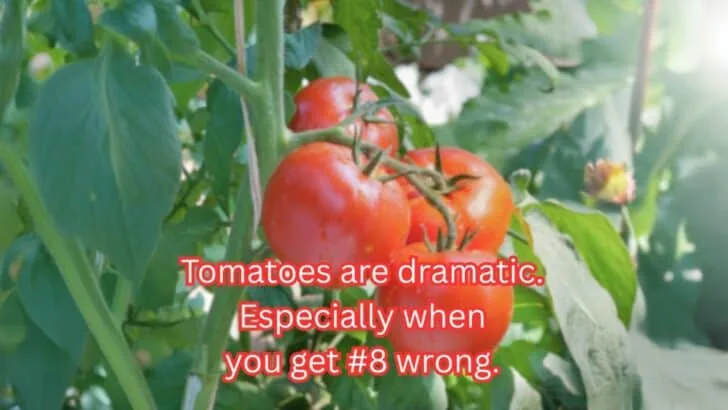
8. Watering at the Wrong Angle
Most folks grab the hose, stand tall, and let water rain straight down. But that’s not what your plants need. Watering from above can soak leaves and crowns while barely reaching the roots. Worse, it invites mildew, runoff, and soil compaction right where it hurts most.
Plants aren’t umbrellas. They don’t like getting splashed in the face. And when water hits at the wrong angle or intensity, it either rolls away or never sinks deep enough to matter. It looks generous, but it’s inefficient. And over time, it adds stress your plants can’t afford.
Water at the base, at a slight angle, and low to the ground. Aim for slow, deep soaking that reaches the roots. A watering wand, soaker hose, or even an old milk jug with holes near the bottom can outperform any overhead spray.
9. Using Fresh Grass Clippings as Mulch
It’s tempting. You mow, you bag, and you think — hey, free mulch! But fresh grass clippings are troublemakers in disguise. When piled on thick or dumped while still wet, they mat down, trap heat, and block airflow. That creates a soggy, anaerobic mess right at root level.
Instead of protecting your plants, fresh clippings can actually steam them. Literally. The internal heat of decomposing green matter builds fast, cooking delicate roots and suffocating the soil beneath. Plus, mold and rot come knocking soon after.
Never use fresh clippings straight from the mower. Let them dry completely before applying a light layer — or better yet, toss them into the compost pile. Once broken down, they’ll be garden gold instead of a death trap.
10. Leaving Supports in Too Long
Stakes, cages, trellises — they help plants grow tall and proud during the season. But when the season ends, they turn into silent saboteurs. Left in place, especially in heavy or compacted soil, they create hidden damage. Roots get disturbed, stems get nicked, and soil structure suffers from all that metal or wood just sitting there.
Even worse? Supports forgotten through winter rot, rust, or break down right where your next seedlings are supposed to go. You’ll end up with disease carryover, poor drainage, and stubby growth next season — and never know why.
Pull stakes, cages, and trellises after harvest. Gently loosen the soil and inspect roots nearby. Store your supports dry and clean to prevent disease transfer — your future plants will thank you.
11. Neglecting Wind Protection in Early Growth
Wind might feel refreshing to us, but to seedlings, it’s a full-on assault. When young plants are still developing their roots, even a light breeze can cause stress that slows growth — or worse, stunts it permanently. The plant might not fall over, but its energy gets spent bracing instead of growing. That early hit can ripple through the whole season.
And here’s the sneaky part: you often don’t notice the damage until it’s too late. The plant looks fine on the surface, but its development lags behind its peers. Smaller fruits, fewer flowers, slower rebound after heatwaves. Wind stress rarely kills outright — but it quietly sabotages success.
Use small windbreaks like row covers, overturned crates, or even cardboard for those first 2–3 weeks. A little shelter early on gives your seedlings time to build solid roots — and makes them sturdier long-term.
12. Letting Plants Stay Rootbound
Ever pulled a plant from its nursery pot and found a tight swirl of roots circling the bottom? That’s a rootbound plant — and it’s more common than you think. Many gardeners pop these straight into the soil, thinking they’ll spread out naturally. But most of the time? They don’t.
Left unteased, those spiraled roots keep circling, stunting the plant’s ability to access water and nutrients. Growth slows. Flowering stalls. In the worst cases, the plant strangles itself from the inside out. It’s a slow suffocation — and one of the easiest traps to fall into.
Before planting, gently loosen and separate the roots by hand. For tough tangles, slice an “X” at the base with a clean knife. It feels aggressive, but it helps roots spread and settle into new soil — fast.
13. Harvesting Too Late
That monster zucchini you’re bragging about? It’s secretly wrecking your plant. When fruits and veggies stay on the vine too long, they start hogging all the plant’s energy — and not in a good way. Instead of channeling strength into new flowers and fruits, your plant shifts into survival mode, preparing for seed production and slowing down its entire growth engine.
This is especially true for crops like zucchini, beans, cucumbers, and even tomatoes. Overripe harvests can signal to the plant that it’s done its job. The result? Fewer flowers, less vigor, and a plant that checks out early, long before the season ends.
Check your garden daily during peak season and pick produce while it’s young and tender. Frequent harvesting keeps your plants productive, healthy, and focused on cranking out more — not shutting down.
What This Means for Your Garden
Most gardeners don’t lose their plants to one big mistake. It’s the little habits that quietly chip away at a plant’s health. A snip here, a delay there, an “oops, forgot again” moment that seems harmless until the leaves yellow and growth stalls out. July’s heat only makes things worse.
The good news? These traps are easy to sidestep once you know they exist. Every small correction you make—whether it’s smarter watering, faster harvests, or gentler pruning—can breathe new life into your garden. It’s not about being perfect. It’s about staying a step ahead of the things that drag your plants down.
If you’ve spotted a few of your own habits in this list, that just means you’re paying attention. And that’s exactly what helps a garden grow strong, all season long.


Daniel has been a plant enthusiast for over 20 years. He owns hundreds of houseplants and prepares for the chili growing seasons yearly with great anticipation. His favorite plants are plant species in the Araceae family, such as Monstera, Philodendron, and Anthurium. He also loves gardening and is growing hot peppers, tomatoes, and many more vegetables.