


Your suitcase is packed, your out-of-office reply is set, and your neighbor is eyeing your tomato patch like it owes them money. You’re ready for vacation. But your garden? Not so much.
Unlike your dog, you can’t exactly board your basil. And asking someone to water your houseplants is one thing. Asking them to babysit an entire raised bed is another level of trust.
The good news: you don’t need a full-time plant nanny or a $400 smart irrigation system to keep things alive while you’re away. Just a few tricks, a bit of prep, and possibly a guilt bribe or two.
Here’s how to make sure you come back to living plants and not a crispy post-apocalyptic herb graveyard.
1. Time your trip like a sneaky farmer
If your vacation dates are flexible, don’t just pick the cheapest flight or the week your boss is least likely to notice you’re gone. Think like a gardener. Try to travel right after a harvest or during a slow growth period. Avoid leaving during peak heatwaves or just after transplanting — unless you enjoy gambling with nature.
Mid-season gaps, when everything’s just growing and minding its own business, are your sweet spot. Your plants don’t need you hovering. They just need a few systems in place and no big surprises while you’re gone.
- ✅ Best time to leave: Right after a major harvest or pruning session
- ❌ Worst time to leave: During a heatwave, right after planting seedlings, or before a storm
- 🌱 Bonus: Trim flowers and herbs before leaving to reduce stress on the plant
2. Water like you mean it (but not too much)
The day before you leave, give everything a deep, thoughtful soak. Not the usual splashy surface-level stuff, but a real, roots-deep drink. Plants don’t need constant attention, they need consistency — and the right amount of moisture can go a long way when you’re not around to micromanage.
Top it off with mulch to lock in that moisture like a lid on a Tupperware. If your garden’s in containers, double-check drainage. You want moist soil, not a miniature swamp developing while you’re out of town.
- 💧 Deep water everything: Especially thirsty crops like tomatoes, cucumbers, and squash
- 🌾 Add mulch: Use straw, grass clippings, or shredded leaves to reduce evaporation
- 🪴 For containers: Group pots together in the shade to slow down drying
- 🚫 Don’t flood: Overwatering before you leave won’t buy you extra time — it’ll just rot your roots
3. Bring in the weird hacks
This is where you get creative. Or slightly unhinged, depending on who’s watching. You don’t need a high-end drip system — you just need gravity, a few empty bottles, and a little faith.
Plants don’t care how fancy your setup looks. They care about not being abandoned for seven days in a row. These DIY watering tricks are cheap, easy, and weirdly satisfying to set up.
- 🥤 Plastic bottle trick: Fill a water bottle, poke tiny holes in the cap, turn it upside down, and bury the neck near the plant roots
- 🧺 Bathtub vacation (for houseplants): Place pots on a towel in the tub with a few inches of water — the soil will wick up what it needs
- 🧶 String wicking: Drape a wet cotton string from a water-filled jar into the soil — it’ll slowly draw water as needed
- ⏲️ Hose with timer: If you’re feeling semi-responsible, a cheap mechanical timer on a soaker hose can work wonders


4. Beg someone to stop by
This is the oldest trick in the book and still one of the best. A human. A real live person who can water things, check for issues, and not accidentally mistake your prized basil for a weed. The challenge, of course, is finding someone willing, ideally someone not cursed with a black thumb.
If you can’t repay them with vegetables because, well, that’s why you need them in the first place, go for guilt, baked goods, or long-term favors (no, not money as shown in the featured image). And keep the instructions simple. No one wants a 3-page manifesto about cucumber blossoms while you’re sipping sangria in another time zone.
- 👥 Choose wisely: Ask a plant-savvy friend or neighbor you trust not to ghost your garden
- 📝 Keep it short: Leave clear, brief instructions and label pots if needed
- 🎁 Bribery is fine: Offer to return the favor, gift them a plant, or give them first dibs on future produce
- 📸 Bonus tip: Ask them to text you a photo mid-week so you can stop panicking about your zucchinis
5. Accept that some things are drama queens
No matter how well you plan, there’s always one plant that acts personally offended by your absence. It wilts dramatically, drops leaves, or just gives up entirely. This is not a sign that you failed. This is a sign that you grow real, living things and not plastic succulents from a discount bin.
Sometimes plants just decide they’ve had enough. And sometimes, those same plants bounce back the second you show up again. Gardening is part skill, part weather luck, and part emotional rollercoaster.
- 🧘 Lower your expectations: Not every leaf will survive your trip — and that’s okay
- 🪓 Be ready to prune: When you get back, trim anything dead or damaged to help your plants recover
- 🌿 Regrowth is real: Many herbs, leafy greens, and annuals bounce back fast with a little love
- 😂 Don’t take it personally: Some plants are just dramatic. Looking at you, basil
No Garden Meltdowns This Time
Vacations are supposed to recharge you, not give you plant-related guilt spirals. With a little prep and maybe a bribed neighbor or two, your garden can hold down the fort while you’re off living your best sunscreen-smeared life.
I’ve come back to both blooming zucchinis and full-on lettuce casualties. It happens. But honestly? Most of the time, your plants are tougher than you think. A little planning goes a long way — and they’ll forgive you faster than your inbox will.
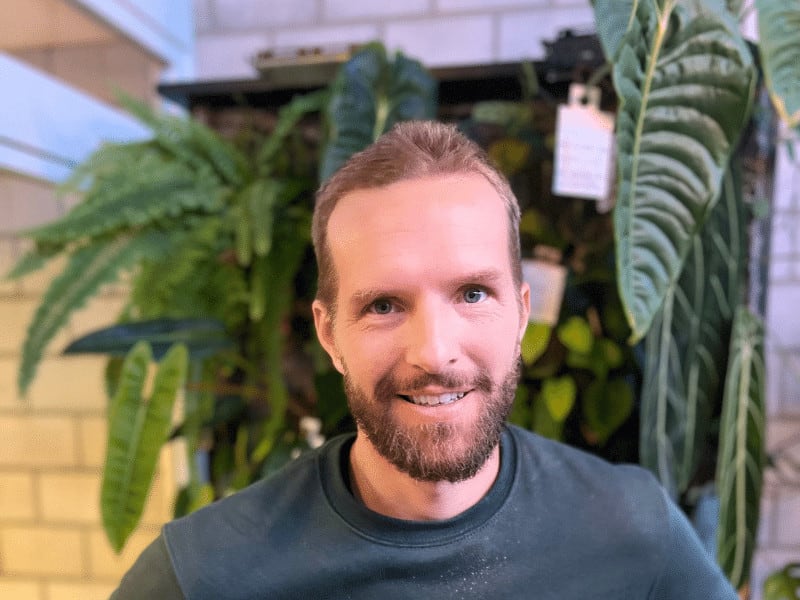
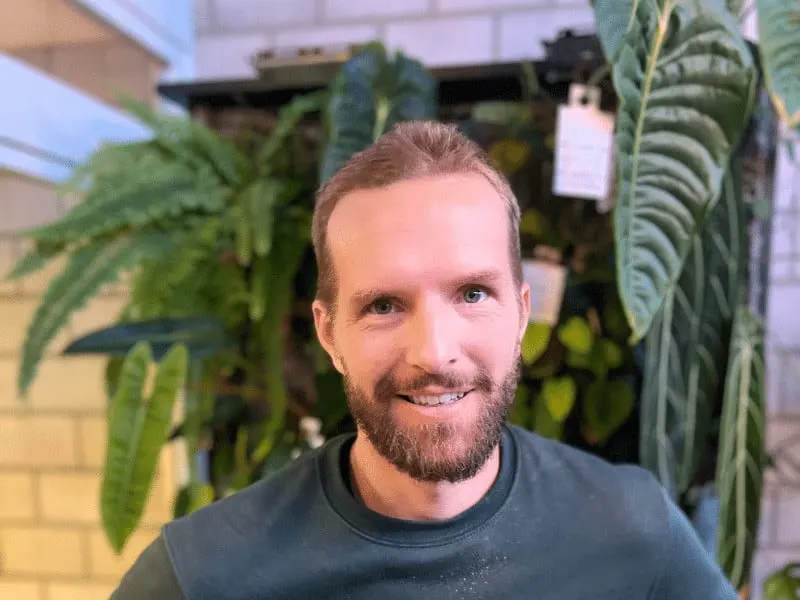
Daniel has been a plant enthusiast for over 20 years. He owns hundreds of houseplants and prepares for the chili growing seasons yearly with great anticipation. His favorite plants are plant species in the Araceae family, such as Monstera, Philodendron, and Anthurium. He also loves gardening and is growing hot peppers, tomatoes, and many more vegetables.