


You keep them in a cabinet. You use them when a recipe tells you to. But what if the real magic of your spice rack isn’t in the kitchen at all? What if it belongs in the garden?
This isn’t an old wives’ tale. It’s not moon-phase composting or talking to your tomatoes. These are pantry staples that fight mold, repel pests, and keep your soil healthier than half the products in the garden center.
In this guide, we’re not measuring by teaspoons. We’re tossing cinnamon at fungus. Dusting paprika around pests. Smuggling garlic powder into garden beds. If it smells strong and stains your fingers, it probably does something useful outside.
Here are seven everyday spices that secretly moonlight as garden weapons. You’ve had them all along. You just didn’t know where to sprinkle.
1. Cinnamon: The Fungus Fighter

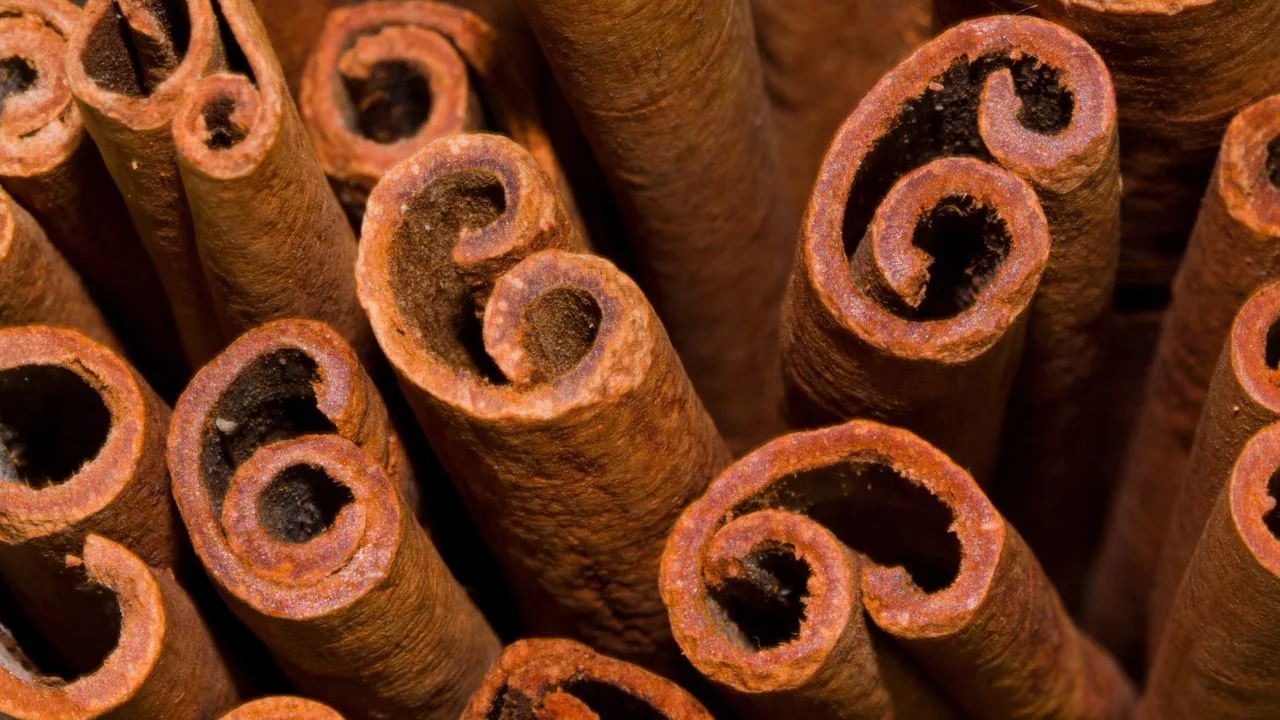
Cinnamon doesn’t just smell like holidays and coffee shops. In the garden, it’s a ruthless antifungal. Got seedlings that keep flopping over for no reason? That’s damping-off disease. And cinnamon stops it cold.
Sprinkle it straight onto seed-starting soil after planting. No mixing. No diluting. Just dry, ground cinnamon. It forms a barrier against fungal spores and keeps your baby plants upright and alive.
It also works on cuttings. If you’ve ever snipped a stem to propagate and watched it rot instead of root, try dipping the wound in cinnamon powder. It helps the wound dry clean and gives roots a safer place to start.
🌿 What Makes It So Effective
- 🧫 Fights common soil fungi like damping-off
- 🌱 Safe for seedlings and delicate cuttings
- 📦 Easy to apply directly to soil or open wounds
- 🧴 No mixing needed — just sprinkle and water as usual
2. Turmeric: The Root Healer

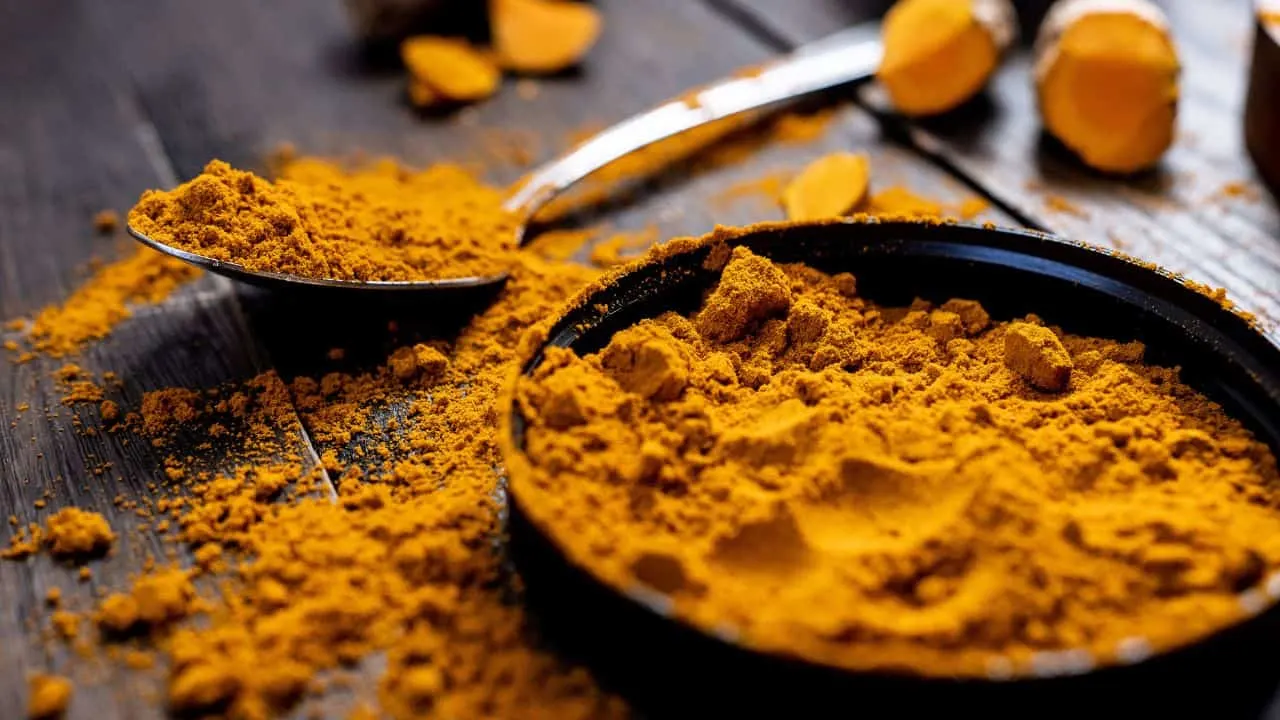
Turmeric isn’t just for golden milk and curry. In the garden, it works like an antiseptic. If you’ve ever dug up a plant, damaged the roots, and hoped for the best, turmeric gives those roots a real shot at recovery.
It has natural antibacterial and antifungal properties that help prevent infections in open plant wounds. Just dust a little powdered turmeric on cut roots, broken stems, or soft spots. It dries things out gently and creates a cleaner healing zone.
You can also mix it with water and spray it near the base of stressed plants. It’s not a miracle cure, but it’s surprisingly effective at stopping root rot before it spreads. And it smells like you know what you’re doing.
🌿 Why Gardeners Swear By It
- 🦠 Antibacterial and antifungal without being harsh
- 🌾 Great for root division, cuttings, and stem wounds
- 💧 Can be used dry or mixed into a soil-safe spray
- 🧡 Helps prevent rot in damp or high-humidity beds
3. Paprika: The Pest Deterrent


Paprika adds color to your dinner. In the garden, it adds a warning sign for pests. Ants, aphids, and even some caterpillars hate the stuff. It irritates their little legs and mouths, and they don’t stick around long.
The application is easy. Sprinkle a light dusting of paprika around the base of vulnerable plants. You can also mix it with water and a splash of dish soap for a DIY pest spray. Just don’t overdo it near seedlings. It’s potent.
Need to protect freshly planted seeds? Line the rows with a soft paprika barrier. It won’t stop every invader, but it’s enough to make them think twice. And it smells a lot better than most repellents.
🌿 How It Keeps Pests Away
- 🐜 Repels soft-bodied insects like ants and aphids
- 🌶️ Causes mild irritation to deter chewing and crawling
- 🧂 Can be used dry or in a homemade spray
- ⚠️ Best used in dry weather and away from wind
4. Clove: The Mold Blocker

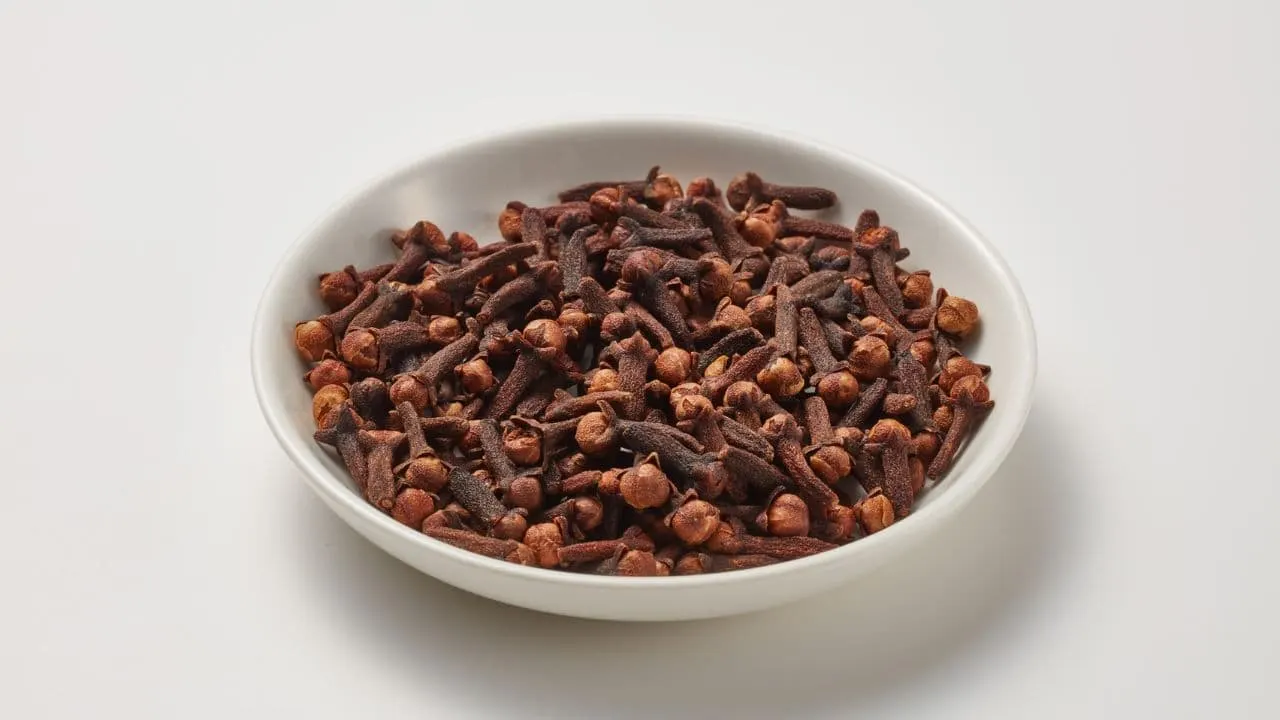
Clove smells festive, but in the garden, it acts like a disinfectant. It’s loaded with eugenol, a compound that shuts down mold and bacteria before they spread. If you’ve ever seen white fuzz creeping across your potting soil, clove might be your new best friend.
Sprinkle ground clove on the surface of moist soil where mold tends to appear. It won’t harm your plants, but it will slow down the fuzzy invaders. You can also stir a pinch into your seed-starting mix before planting to help keep things sterile.
Outside, it even repels flying pests. Sprinkle it in corners of raised beds, near compost bins, or anywhere fruit flies and gnats like to party. It smells strong, works fast, and gives your garden a whiff of something oddly clean.
🌿 What It Does in the Dirt
- 🦠 Contains eugenol, a natural antifungal compound
- 🌱 Helps prevent mold in seed trays and containers
- 🛑 Slows fungal growth without harming roots
- 🪰 Repels some flying insects and gnats when used dry
5. Black Pepper: The Critter Repellent

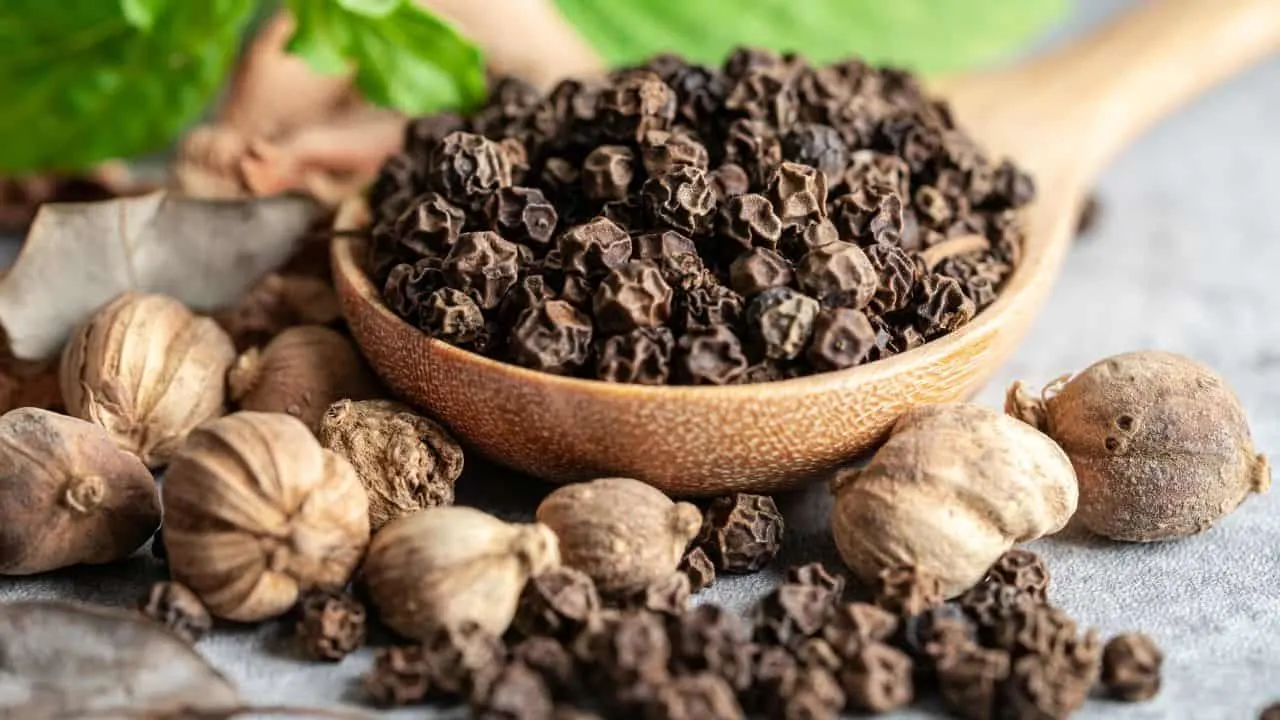
Black pepper isn’t just for your salad. In the garden, it acts like a natural line of defense. Squirrels, mice, rabbits, and even curious cats hate it. The smell stings. The dust irritates. One sniff and most small intruders turn right around.
Sprinkle black pepper around seedlings, raised bed edges, or anywhere you’ve seen bite marks or paw prints. It’s not a permanent fix, but it works as a fast deterrent while you figure out a longer-term solution.
It’s also great for repelling ants near compost bins or patios. Use it dry, and reapply after rain or heavy watering. Just keep it out of your eyes — it works a little too well on humans too.
🌿 Why Critters Don’t Like It
- 🐾 Repels small animals like squirrels, rabbits, and rodents
- 🌶️ Strong scent and spice disrupts scent trails and chewing behavior
- 📦 Easy to apply around plant bases or garden edges
- 💨 Needs reapplying after wind or water exposure
6. Garlic Powder: The Bug Disrupter

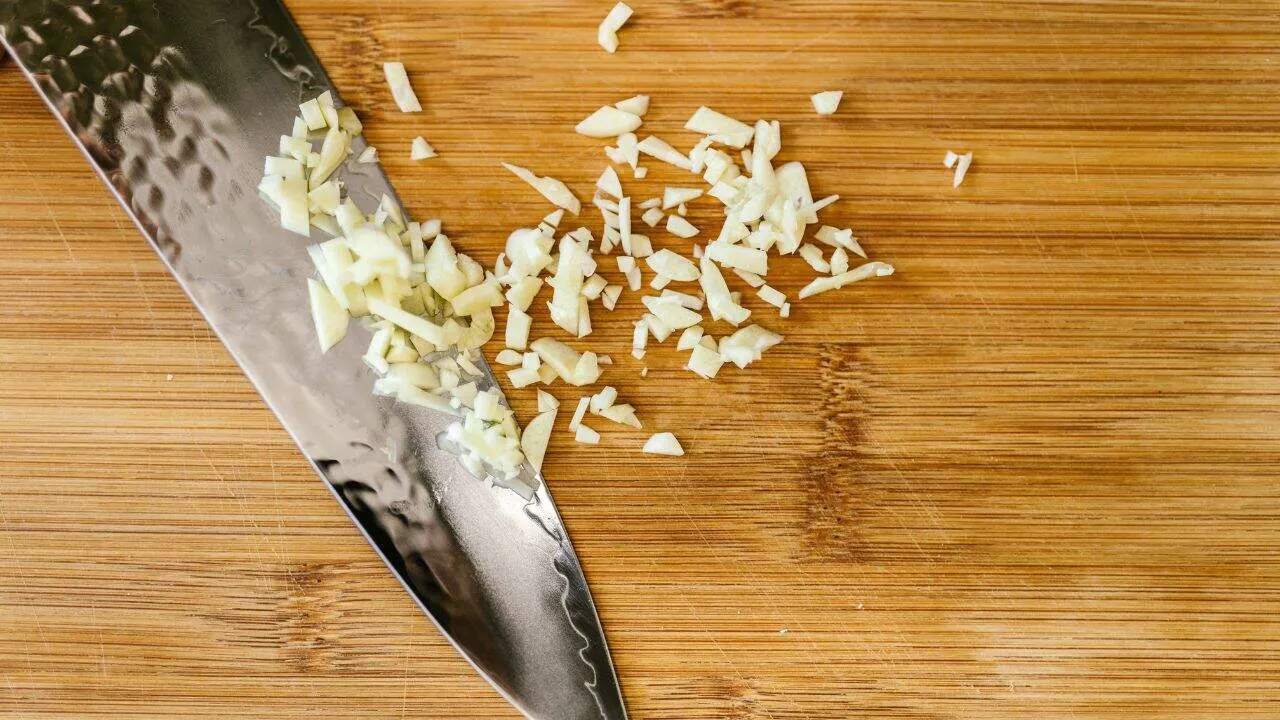
Garlic powder smells like dinner, but in the garden, it smells like danger. To pests, at least. Aphids, whiteflies, spider mites, and even some beetles can’t stand it. The scent messes with their navigation, feeding, and reproduction. You don’t kill them. You just make your plants smell like a place they don’t want to be.
Sprinkle garlic powder around the base of plants or mix it into a spray bottle with water and a drop of dish soap. Shake well and spray the undersides of leaves where pests like to hide. It’s not instant death, but it is a strong eviction notice.
It also works around garden beds as a low-effort perimeter defense. It fades after a couple days, so reapply regularly if the pests keep pushing back in. Just don’t use fresh garlic paste — that stuff can burn tender leaves. Stick to the powder. It’s cleaner and safer.
🌿 What Makes Bugs Back Off
- 🧄 Repels aphids, mites, beetles, and more
- 🌫️ Disrupts insect scent and feeding behavior
- 🧴 Mix with water and soap for a low-cost pest spray
- ⚠️ Powder is safer than raw garlic when applying to leaves
7. Mustard Powder: The Nematode Blocker

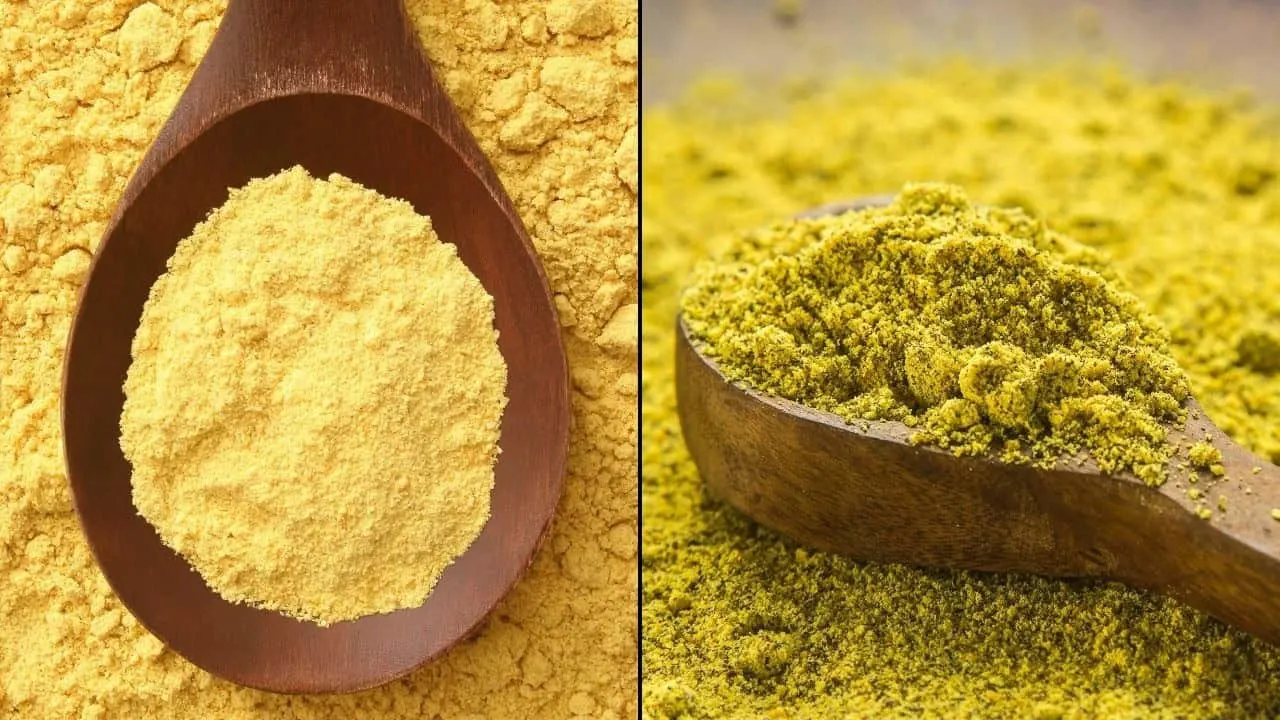
Mustard powder doesn’t just add kick to a sandwich. In the garden, it can knock back soil pests that most people never even see. Root-knot nematodes are microscopic worms that attack plant roots and leave everything stunted and sad. Mustard messes with their life cycle before they get cozy.
Sprinkle mustard powder into the soil of problem beds before planting. Water it in lightly and let it sit for a day or two. It won’t kill everything, but it shifts the soil environment just enough to slow down the invaders and give your plants a fighting chance.
It’s especially useful in beds that had struggling tomatoes, peppers, or cucumbers last year. If you rotate crops, mustard powder can give your new plantings a cleaner start. It’s not magic, but it’s a weirdly effective nudge in the right direction.
🌿 Why Nematodes Hate It
- 🪱 Disrupts root-knot nematodes and other soil-borne pests
- 🌾 Mimics the biofumigation effects of mustard cover crops
- 🧂 Can be used in crop rotation beds for a cleaner restart
- 💦 Best applied to moist soil and watered in lightly
Your Spice Rack Has Been Holding Out on You
It’s easy to think of gardening as soil, water, and sunlight. Maybe some compost if you’re feeling fancy. But sometimes the best solutions are already in your kitchen, sitting next to the paprika you forgot you bought three years ago.
You don’t need special tools. You don’t need a chemistry degree. You need a spoon, a sprinkle, and a little curiosity. Cinnamon keeps seedlings alive. Mustard powder guards your roots. Garlic sends bugs packing. These spices weren’t designed for gardens, but they sure act like they were.
Next time something goes wrong — mold, pests, mystery damage — don’t just reach for a bottle of store-bought spray. Check the spice rack. There’s a whole garden arsenal hiding in plain sight. And now, you know how to use it.
🌿 Key Takeaways
- 🧂 Cinnamon prevents seedling rot and helps cuttings root cleanly.
- 🟡 Turmeric protects roots from infection and rot after transplanting or pruning.
- 🌶️ Paprika deters ants and aphids when dusted around plants or mixed in sprays.
- 🟤 Clove blocks mold in seed trays and discourages fungus gnats from sticking around.
- ⚫ Black pepper repels critters like squirrels and rabbits from digging up your beds.
- 🧄 Garlic powder messes with pests by disrupting their feeding and egg-laying habits.
- 🌾 Mustard powder suppresses soil pests like nematodes and gives roots a cleaner start.


Daniel has been a plant enthusiast for over 20 years. He owns hundreds of houseplants and prepares for the chili growing seasons yearly with great anticipation. His favorite plants are plant species in the Araceae family, such as Monstera, Philodendron, and Anthurium. He also loves gardening and is growing hot peppers, tomatoes, and many more vegetables.