


Spring garden dreams are easiest to pull off when you plan them in late winter, while the beds are still quiet. Most people focus on plants first, but they miss the boring stuff that makes everything work, light, access, water, and timing. We are going to map out seven spring ideas you can start planning now, with simple steps you can do from the kitchen table.
Each one is a small project with a big payoff, and a quick note on what people usually forget.
1. Map Your Sun and Shade Now: A Simple Yard “Light Diary”
Winter light is lower, so shadows land in different places than they will by late spring. A quick “light diary” shows you where plants will truly get 6 plus hours of sun.
Pick a clear day and take notes three times, late morning, mid afternoon, and early evening. Sketch your beds on paper and mark areas as full sun, bright shade, or deep shade, then note big shadow makers like fences, evergreens, and the house.
Repeat once a week until spring leaf-out, because deciduous trees can turn a “sunny” bed into dappled shade fast. Use what you learn to place tomatoes, peppers, and roses in the steadiest sun, and save shadier edges for hostas, ferns, and hellebores.
💡 Make the “light diary” foolproof
- Use landmarks: Mark fixed points like a hose bib, gate, or big rock, so your notes match week to week.
- Time it simply: Check three times, late morning, mid afternoon, and early evening, on the same days each week.
- Label shade types: Write “bright shade” for open sky light, and “deep shade” for dense, gloomy areas.
- Watch winter tricks: Low winter sun can make a bed look sunnier than it will once trees leaf out.
- Circle the blockers: Outline fences, evergreens, and rooflines, because they create the most reliable shadows.
Bonus Tip: Take one quick phone photo from the same spot each check in. It helps you confirm what your sketch says.
2. Design an Easy Flower Border: Color, Height, and Bloom Timing
A good flower border is built on three choices, color, height, and bloom timing. Get those right and the border looks “planned” without much work.
Pick a simple color plan, like white and purple, or pink and blue, then repeat the same 2 to 3 colors down the line. Put taller plants in back (or in the center of an island border), medium growers in the middle, and low edging plants up front so nothing gets hidden. Aim for three bloom waves, early spring bulbs (daffodils, species tulips), mid spring perennials (columbine, creeping phlox), and late spring fillers (alliums, peonies).
For a tidy look that lasts, mix in one or two “steady” plants with good foliage, like heuchera or dwarf grasses. Leave small pockets of open soil for adding annuals later, like pansies in early spring and zinnias after the last frost.
🟦 The 3-step “border recipe” that always looks planned
- Pick 2 to 3 colors: Repeat them down the bed. Skip the “one of everything” look.
- Use the height rule: Tall in back, medium in the middle, low in front. Your best blooms stay visible.
- Plan 3 bloom waves: Early bulbs, mid-season perennials, then late spring or early summer fillers.
- Add one steady foliage plant: Heuchera or dwarf grasses keep the border looking full between bloom bursts.
- Leave small planting pockets: Open spots let you tuck in pansies now, then swap to warm-season annuals later.
Bonus Tip: Stand at the main viewing spot and lay out pots before planting. Move them around until the “tall to short” flow looks calm and balanced.
3. Start a Pollinator Patch: Bee Friendly Plants That Fit Small Spaces
A pollinator patch can be as small as a sunny pot or a 2 by 2 foot corner bed. The goal is steady blooms from early spring into summer.
Start with tough, compact favorites like lavender, catmint (Nepeta), and salvia, since they flower for weeks and handle heat. Add one early bloomer, like creeping phlox or candytuft, so bees have food as soon as spring warms up.
Keep it simple with groups of three to five of the same plant, because bees find larger patches faster than single “one-offs.” Skip double-flowered varieties when you can, since many have less accessible nectar and pollen.
🐝 Make the bees find you fast
- Sun target: Aim for 6 plus hours of sun for the longest bloom and the busiest bee traffic.
- Plant in clumps: Group 3 to 5 of the same plant together so pollinators can spot it quickly.
- Early food: Add one spring starter (creeping phlox or candytuft) so bees have a meal as soon as it warms up.
- Long season anchors: Use compact workhorses like lavender, catmint, and salvia for weeks of steady flowers.
- Skip “doubles”: Choose single flowers when possible since nectar and pollen are easier for bees to reach.
Bonus Tip: Add a shallow water dish with a few pebbles, so bees can drink without drowning.


4. Plan a Low Maintenance Vegetable Bed: What You’ll Actually Eat
A low maintenance vegetable bed starts with choosing crops you truly use every week. If you do not cook with it now, do not plant a whole row.
Pick 3 to 5 reliable vegetables and build the bed around them, like cherry tomatoes, bush beans, zucchini, lettuce, and herbs. Use transplants for slow starters (tomatoes, peppers) and direct sow easy sprinters (beans, radishes). Keep the bed narrow enough to reach the middle from both sides, about 3 to 4 feet wide, so you never step on the soil.
Make watering simple with a soaker hose under 2 to 3 inches of mulch, like shredded leaves or straw. Add a short support now, like a sturdy tomato cage or a simple trellis, because upright plants are easier to pick and stay cleaner.
🟦 The “Weekly Dinner” Veggie Shortcut
- Start with meals: List 5 dinners you make often, then plant the ingredients you use every week.
- Keep it to 3 to 5 crops: Fewer vegetables means fewer problems, and less weeding, watering, and pest chasing.
- Use the easy mix: Transplants for tomatoes and peppers, direct sow beans, radishes, and salad greens.
- Make harvest simple: Put tall crops on the north side, and keep quick pickers (lettuce, herbs) near the edge.
- Water once, mulch deep: Run a soaker hose first, then cover with 2 to 3 inches of straw or shredded leaves.
Bonus Tip: Add a small “salad strip” you reseed every 2 weeks. It keeps you in fresh greens without extra bed space.
5. Build a Container Garden You Can Reach: Comfortable Pots and Layout
Choose containers that let you garden without deep bending or kneeling. Waist-high planters and tall pots make spring planting much easier.
Set pots on sturdy stands, an outdoor table, or even stacked pavers so the rim sits near your elbows when you stand. Keep a clear, wide path between groups of pots, about 36 inches if you use a walker or garden cart.
Use lightweight materials like resin or fabric grow bags, then add saucers or rolling caddies so you can turn plants for even sun. Put your most-used herbs and cut-and-come-again greens closest to the door, with drip watering or a simple soaker ring to reduce daily lifting.
🪴 Make Pots Work for Your Body
- Best rim height: Aim for about elbow height when you stand. It reduces back strain fast.
- Stable bases: Use wide stands, solid tables, or stacked pavers. Wobbly pot feet are a tip-over risk.
- Easy turning: Put heavy pots on rolling caddies. You can rotate for even sun without lifting.
- Path width: Leave about 36 inches between pot groups. It helps with walkers, carts, and safe turning.
- Lightweight picks: Choose resin pots, fabric grow bags, or foam-core planters. Save terracotta for smaller sizes.
Bonus Tip: Before you fill a big container, place it where it will live for the season, then add soil and plant.
6. Upgrade Soil Gently: Compost, Mulch, and No Dig Shortcuts
Healthy spring growth starts with a calm, steady soil upgrade. Big digging and frequent tilling can break soil structure and dry it out.
Top-dress beds with 1 to 2 inches of finished compost, then leave it on the surface. Earthworms and spring rains will pull those nutrients down where roots can reach them.
Add 2 to 3 inches of mulch after the soil warms a bit, like shredded leaves, pine straw, or bark fines. Keep mulch a few inches away from stems and crowns to prevent rot, and aim for even coverage, not piles.
If you are starting a new bed, try a simple no-dig shortcut. Lay down plain cardboard, wet it well, then cover with compost and mulch, and plant through small openings.
💧 Soil Upgrades That Do Not Stress Your Garden
- Compost depth: Spread 1 to 2 inches of finished compost right on top. No mixing needed.
- Timing: Put compost down in late winter or early spring. Let spring rain and worms do the work.
- Mulch depth: Add 2 to 3 inches after the soil warms a bit. This helps hold moisture and blocks weeds.
- Stem spacing: Keep mulch a few inches away from crowns and stems. This reduces rot and slug hiding spots.
- No-dig shortcut: Use plain cardboard to smother grass or weeds. Wet it well, then cover with compost and mulch.
Bonus Tip: If your compost still has chunky bits, use it under mulch as a top layer. Save the finest compost for seedbeds and transplants.
7. Set Up Simple Watering: Hoses, Timers, and Drip Without the Hassle
A simple watering setup saves your back and keeps plants steady through spring wind and surprise warm spells. The goal is consistent moisture with less daily fuss.
Start with a good-quality hose and a shutoff valve at the end, so you can stop water right at the bed without walking back to the spigot. Add a basic battery timer at the spigot and set it for early morning, two or three short runs per week usually beats one long soak. For beds and containers, run 1/2-inch mainline along the edge, then punch in 1/4-inch drip lines to each plant or pot.
Use pressure regulation and a small filter, especially if you are on well water, because clogged emitters are the main headache with drip. After the first watering, walk the line and look for dry spots, then add an extra emitter for thirsty plants like tomatoes or hanging baskets.
💧 Make Watering Feel Automatic
- Hose end valve: Add a shutoff at the wand end, so you stop flow at the bed without extra walking.
- Timer schedule: Choose early morning, then run shorter cycles, two or three times a week for steadier moisture.
- Filter first: Use a small filter at the spigot, especially on well water, because grit clogs emitters fast.
- Pressure control: Install a pressure regulator made for drip, so fittings do not pop and watering stays even.
- Quick walk-through: After the first run, check every plant, then add one more emitter where soil stays dry.
Bonus Tip: Put a cheap rain gauge near the bed, so you can skip timer days after a good soaking rain.
Your spring plan starts with one small, kind-to-you step
Pick one idea from this list and do the easiest first move today, like a quick light diary or a simple pot layout. Then choose one upgrade that saves work later, like a thin mulch layer or a basic timer on the hose. Write down what you will plant and where, so you are not guessing when the weather warms.
When spring arrives, you will be ready to plant with confidence, and you will spend more time enjoying the garden than fixing it.
Frequently Asked Questions About 7 Spring Garden Dreams to Plan Now, What Most People Miss
1. When is it safe to plant outdoors in my area?
Use your average last frost date as your starting point, then watch the 10 day forecast. Many tender plants still need warm nights, so wait until temperatures stay above about 50°F overnight.
2. How can I tell how many hours of sun a spot really gets?
Check the area three times a day for a few days and note when it is in full sun. You can also use your phone’s compass and a sun tracking app to confirm.
3. What are the easiest vegetables for beginners in a spring garden?
Try lettuce, radishes, peas, and green onions because they grow fast and tolerate cool weather. Bush beans are also easy once the soil warms.
4. How do I improve clay soil without heavy digging?
Add 2 to 3 inches of compost on top and let worms pull it down over time. Mulch with shredded leaves or fine bark to reduce crusting and improve drainage.
5. What size containers work best for tomatoes, peppers, and herbs?
Use at least 10 to 15 gallons for one tomato plant and 5 gallons for one pepper plant. Most herbs do well in 1 to 3 gallon pots, but give basil more room if you harvest often.
6. Which flowers bloom early and come back every year?
Good early choices include hellebores, primroses, and creeping phlox. Many daffodils and crocuses also return reliably and bloom very early.
7. Do I need a raised bed, or can I garden in the ground?
You can garden in the ground if the soil drains well and you can work it without compacting it. Raised beds help most when your soil is heavy, wet, or you want easier access.
8. What’s the simplest watering setup for a small garden?
A soaker hose on a simple timer is the easiest low fuss option. Place it under mulch to cut evaporation and keep water off the leaves.

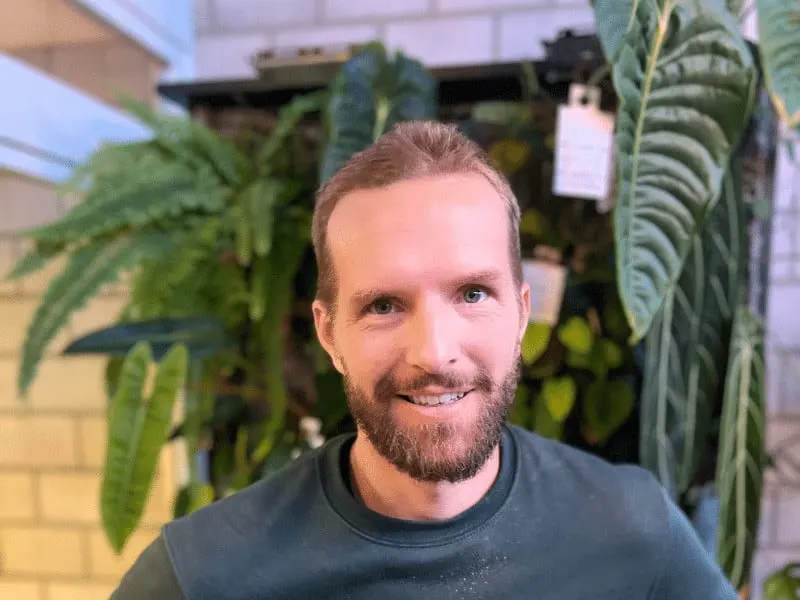
Daniel has been a plant enthusiast for over 20 years. He owns hundreds of houseplants and prepares for the chili growing seasons yearly with great anticipation. His favorite plants are plant species in the Araceae family, such as Monstera, Philodendron, and Anthurium. He also loves gardening and is growing hot peppers, tomatoes, and many more vegetables.