

Okay. So, this one’s going to get a little weird.
We’re talking gardening rituals. And not just the usual “plant basil on a Tuesday” kind of thing. No. These are the witchy-sounding, moon-howling, compost-whispering sorts of habits your neighbor probably warned you about after seeing one too many Pinterest reels titled “Lunar Gardening Secrets They Don’t Want You to Know.”
But here’s the thing—some of them work. Not metaphorically. Not spiritually. I mean literally produce better plants, for reasons science would rather mumble into its sleeve and avoid eye contact about.
We’re going to go down the list of the oddest, most eyebrow-raising garden habits that sound like something your aunt learned at a candle store.
And then? We’re going to admit (with mild shame and great enthusiasm) that these tips might just be the freaky little boost your garden needs this season.
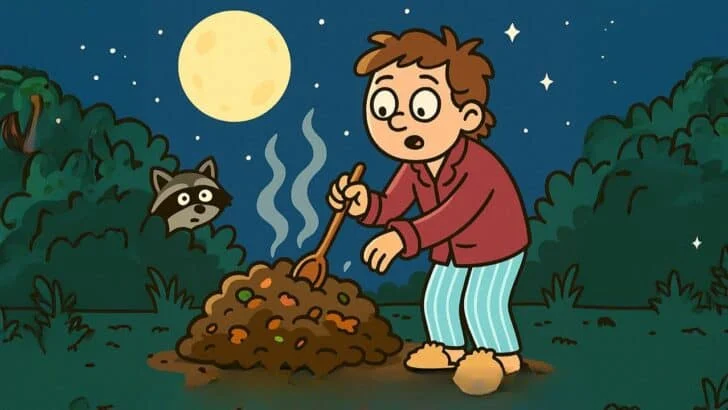
Let’s begin with one of the big ones. It involves compost. And moonlight. And possibly a wooden spoon.
🌕 1. Stirring Compost by Moonlight (Yes, Really)
This one sounds like the start of a B-grade werewolf movie, but stay with me.
The idea is simple: go out to your compost heap during a full moon, and give it a good stir. Some people swear by doing this with a wooden stick (preferably one that’s been blessed by at least one herbalist or mildly confused relative).
What it’s supposed to do: The moon allegedly boosts microbial activity in your compost. Like tides, but for decomposing banana peels.
What actually happens: Stirring your compost introduces oxygen, which does, in fact, make it break down faster. And doing it regularly—full moon or not—keeps the whole thing aerated and stink-free. So while the moon might not be scientifically required, the ritual keeps you on schedule.
Should you do it? Yes. Worst case, your compost gets better. Best case, your tomatoes start channeling ancient lunar wisdom and taste like dreams.
Bonus tip: Don’t tell your neighbors what you’re doing. Let them wonder. Let the legend grow.
🌙 2. Planting by the Moon Phases (Because the Sky Told You To)
Plant root crops during the waning moon, leafy greens on the waxing moon, and save your flower seeds for the full moon’s glow. If that sounds like horoscope-level gardening, well… it kind of is.
The claim: The moon’s gravitational pull affects moisture in the soil, just like it does ocean tides. So timing your planting to match lunar phases could improve germination and growth.
What science says: The jury’s still out. But lunar gardening has been around for thousands of years. And let’s be real: if you follow a planting schedule (even a lunar one), you’re already ahead of most gardeners who panic-plant at random in mid-May.
Should you do it? Absolutely. If nothing else, it gives you a rhythm. And gardening with rhythm is better than gardening with vibes and two forgotten seed packets from 2021.
Bonus tip: Print a moon calendar and pretend you’re consulting ancient cosmic scrolls every time you sow a beet. Extra points for chanting softly under your breath while doing it.
🔥 3. Smudging Your Plants with Sage Smoke (Yes, Really)
This one’s for the gardeners who want to clear negative energy from their ferns—and maybe their ex’s lingering presence in the soil too.
The idea: Burning sage (or other herbs) around your garden purifies the space, wards off pests, and gives your plants “good vibes.” You’re essentially ghostbusting your tomatoes.
What actually happens: The smoke may help repel some insects temporarily. Some smudging herbs like sage and rosemary contain compounds that bugs don’t love. Also, the ritual slows you down, makes you intentional—and that’s never a bad thing when you’re about to rehome a cranky monstera.
Will your zucchini thank you? Not in words, no. But you might notice fewer aphids, and more of that weird internal peace you only get from wafting smoke over your basil like a magical pesto priest.
Warning: Don’t go overboard—too much smoke can actually stress your plants (and your neighbors).
🌕 4. Burying Eggshells Under the Full Moon (for “Supercharged” Soil)
Ah yes, the humble eggshell. Calcium-rich. Crunchy. And—if you follow certain TikTok garden shamans—apparently infused with lunar energy if you bury it at exactly 12:01 AM during a full moon.
The logic: Eggshells break down and add calcium to your soil, which helps prevent blossom end rot in tomatoes and peppers. Doing it under moonlight? That’s more about vibes. Witchy, slightly unhinged vibes. But vibes nonetheless.
What you’re really doing: You’re giving your soil a slow-release calcium boost. Burying the shells gives worms something to munch on, too. It’s legit. The moon stuff? That part just makes you feel cool and connected. Which is half the battle in gardening anyway.
Pro tip: Crush them well so they break down faster. Otherwise you’ll be digging up little white tombstones for the next five years.
🔥 5. Whispering to Your Seeds Before Planting
Okay, let’s be honest. This one sounds like something you’d overhear in a kombucha brewing workshop run by someone named Indigo. But stay with me.
The practice: You hold each seed, close your eyes, and whisper affirmations or intentions. “Grow strong.” “You’ve got this, little buddy.” “Defy the slugs.”
The sciencey bit: Plants do respond to sound. Studies have shown that certain frequencies may actually stimulate growth. Is it your voice doing it? Probably not. But speaking gently to your seeds forces you to slow down, be present, and treat them with care—which does improve your chances of not planting them sideways or too deep.
Real-world benefit: Whether or not the seed hears you, you remember where you planted it, what it was, and why you care. Also, bonus serotonin hit for feeling like a nurturing garden wizard.
Bottom line: Talk to your seeds. Or don’t. But if they grow into monsters, we both know it’s because you said something mean.
🪄 6. Burning Herbs to “Cleanse” the Garden
This one walks a fine line between practical and cosplay. And yes, there are some very dramatic TikToks involved. But before you roll your eyes, let’s break it down.
The ritual: You bundle dried herbs—usually sage, rosemary, or mugwort—and light them just enough to smolder. Then you walk through your garden wafting the smoke over your plants, your tools, and yourself like you’re preparing for a magical duel at dawn.
Why people do it: Traditional smudging rituals have deep cultural roots, especially in Indigenous practices. Many gardeners who adopt this idea see it as a symbolic “reset”—clearing out stagnant vibes, bad luck, or just last year’s tomato failures.
The maybe-real benefits: Burning certain herbs (like sage or rosemary) does release antimicrobial compounds. And mugwort has been used for ages to deter insects. So while it’s not going to banish blight, it might nudge a few airborne bacteria or gnats in the other direction.
Our take: If it helps you start the season with purpose
🖐️ 7. Talking to Your Plants (and Not Just Nicely)
Okay, this one’s gonna separate the casuals from the committed.
We’ve all heard that talking to your plants can help them grow. Maybe your grandma whispered sweet nothings to her begonias. Maybe you’ve muttered dark threats at your tomatoes. (“One more leaf curl and I swear you’re compost.”)
But here’s where it gets weird—and kind of wonderful.
The ritual: You walk around your garden, preferably at twilight when things feel extra witchy, and you converse with your plants. Like, full sentences. Questions. Encouragement. Maybe even insults, depending on the mood. Some gardeners swear by singing. Some recite poetry. One Redditor reportedly reads Pride and Prejudice aloud to their zucchinis.
Does it work? Kind of. Studies suggest that sound vibrations—especially in the human vocal range—can stimulate plant growth. But beyond that, this ritual is more about you than the plants. It grounds you in the garden. Makes you pay attention. And in a world full of noise, it’s a rare chance to be silly and present and fully alive with your hands in the dirt.
Pro tip: Your neighbors will think you’ve lost it. Let them. They weren’t gonna weed your snapdragons anyway.
🌕 8. Full Moon Fertilizer Charging (Yes, Like a Potion)
We’ve officially crossed into ✨village witch✨ territory. But don’t back out now. You’ve made it this far.
The ritual: On the night of a full moon, take a jar (glass only, plastic kills the vibe) and fill it with compost tea, diluted worm castings, or your favorite homemade fertilizer mix. Place it in your garden under direct moonlight. Some folks add crystals. Some chant. Some just stare dramatically into the middle distance like they’re expecting an owl to deliver a prophecy.
Let it charge overnight. In the morning, feed your favorite plants with this moon-kissed elixir. Extra points if you whisper something ominous like, “Grow well, little one, or face the rot.”
Does it work? Look. Scientifically? Probably not. But energetically? Spiritually? Emotionally? Maybe. It’s about intention. Attention. Care. If your plants respond to that (and they often do), then call it magic or call it micro-nutrient uptake—but the result’s the same.
Pro tip: Don’t forget the jar out there or you’ll be explaining your “moon potion” to a raccoon. They do not respect boundaries.
🧪 9. The Whisper Test
Okay. This one’s borderline unhinged—but also weirdly beautiful.
The ritual: Choose one plant. Doesn’t matter which. Could be your favorite tomato. Could be a droopy marigold you keep forgetting to water. For 9 consecutive mornings, step outside and whisper to it. Could be a compliment (“You’re doing great”), a question (“Need more sun?”), or even gossip about your neighbor’s lawn.
Do this while standing close. Not shouting. Whispering. Like the two of you have a secret.
Does it work? Scientists have debated this. Studies on sound vibration and plant growth have shown… some results. But let’s be honest: the act of showing up


Daniel has been a plant enthusiast for over 20 years. He owns hundreds of houseplants and prepares for the chili growing seasons yearly with great anticipation. His favorite plants are plant species in the Araceae family, such as Monstera, Philodendron, and Anthurium. He also loves gardening and is growing hot peppers, tomatoes, and many more vegetables.