

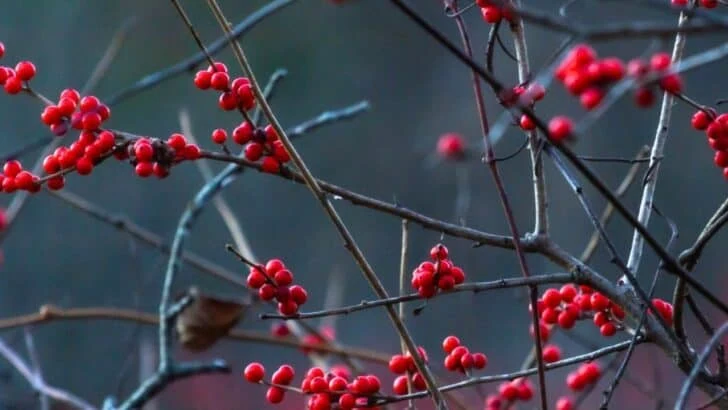
September feels calm above ground. Below the surface, soil is still warm and roots are ready to grow. That mix is perfect for shrubs. Cool air reduces stress. Warm soil fuels root building. Plant now and let winter do the quiet work for you.
Fall planting is kinder to gardeners too. Less heat. Less watering. Fewer pests. Container shrubs settle quickly, then wake up in spring already established. You get flowers, berries, bark, and evergreen structure without the shock that spring heat can bring.
This is the moment for long term payoff. Dig a wide hole, set the crown level, backfill with the soil you removed, and water deeply. Add a ring of mulch to hold moisture. Keep it off the trunk. That simple start carries a shrub through its first winter.
Every garden sits in a different zone and microclimate. Timing shifts a little from North to South, which is why you will see Zone Notes with each pick. Here are nine shrubs that earn their keep in more than one season.
1. Hydrangea Brings Color That Lasts Beyond Summer

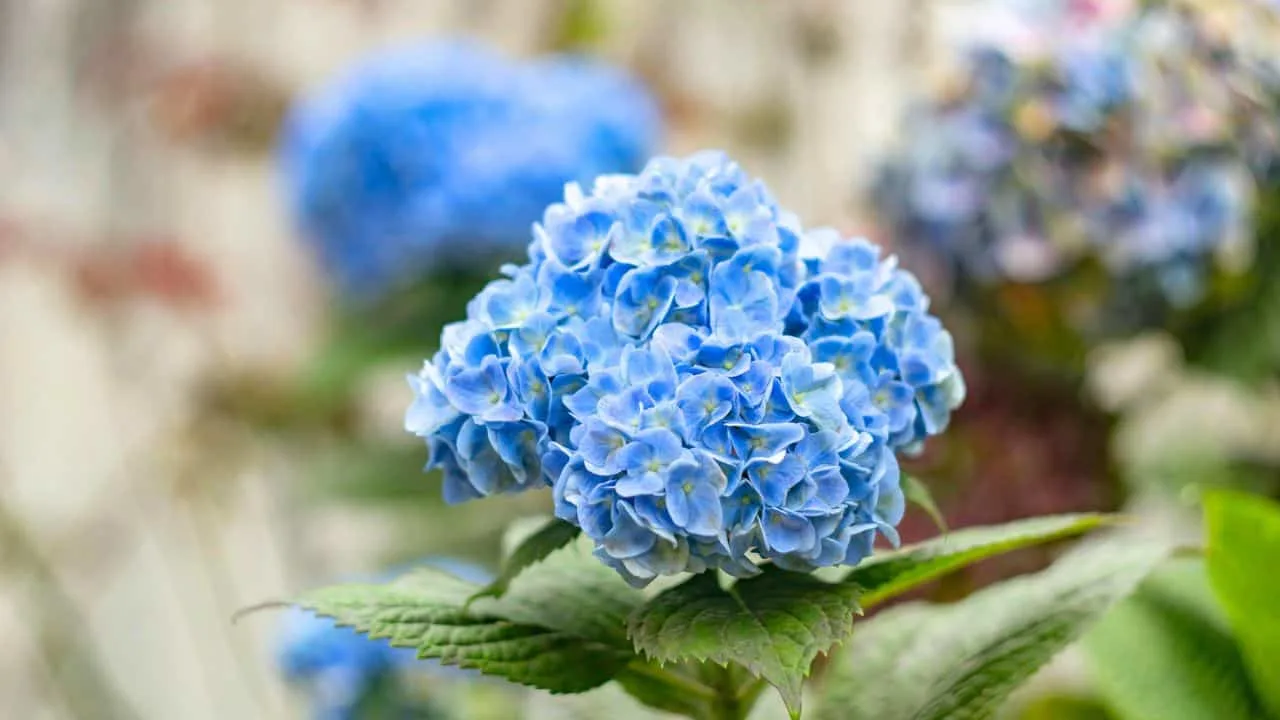
Hydrangeas are showstoppers from late summer into fall, producing big, bold blooms that hold their shape even after the petals fade. Many gardeners leave the dried flower heads standing through winter, where they catch frost and snow and add texture to bare beds. The shrubs thrive in rich, well-drained soil and appreciate steady moisture. Planting in September allows roots to grow strong before winter, setting the stage for abundant blooms next season.
- Zones 5–6: Plant in early September. Mulch heavily after planting to insulate shallow roots before frost arrives.
- Zones 7–9: Mid to late September is fine. Afternoon shade prevents stress during lingering heat waves.
- Soil check: Hydrangeas prefer slightly acidic soil. In alkaline regions, consider amending with composted pine needles or peat moss.
- Winter bonus: Leave dried blooms standing for winter interest. Cut them back in early spring before new growth begins.
2. Viburnum Rewards You in Every Season

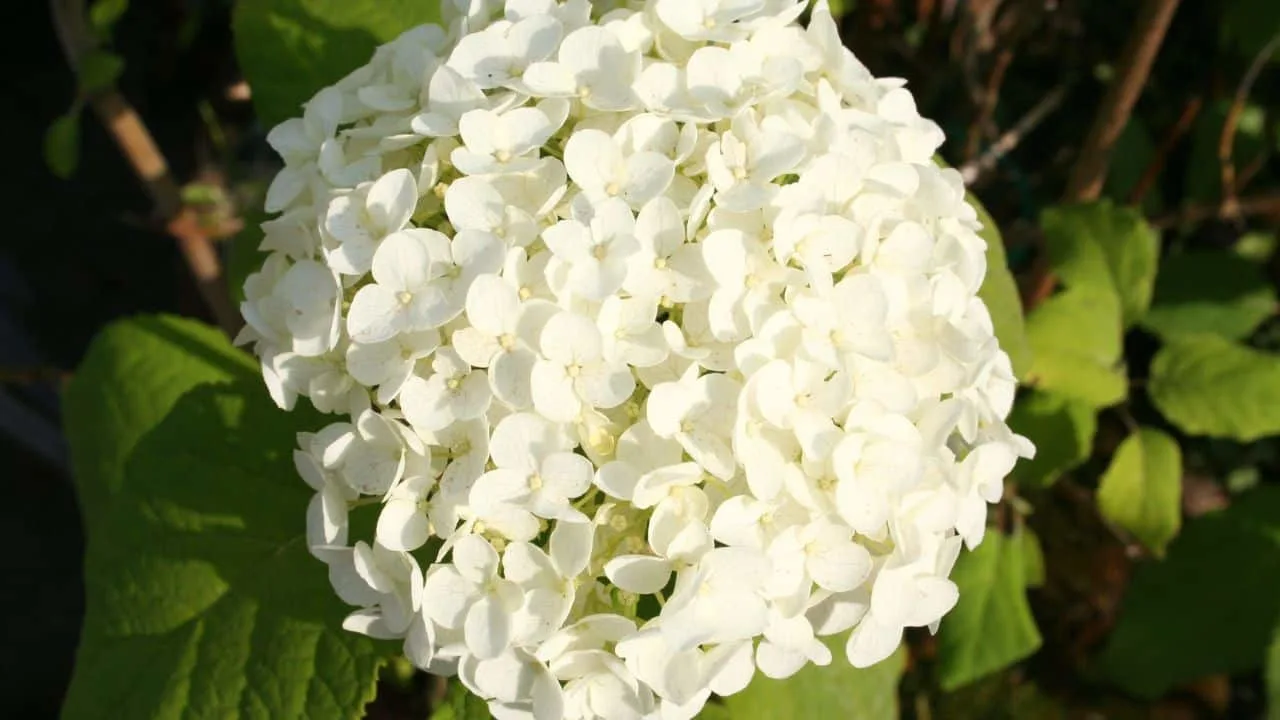
Viburnums are workhorses that give back all year long. In spring, they cover themselves in clusters of fragrant white blossoms. By fall, those flowers have turned into berries that ripen from red to blue or black, drawing birds to the garden when other food is scarce. Many varieties also show striking autumn foliage, adding another layer of color before the leaves drop. Planted in September, viburnums have just enough time to anchor their roots before winter settles in, ensuring strong growth next spring.
- Zones 3–5: Plant by early September. Mulch heavily to protect young roots from deep freezes. Full sun encourages better flowering in short northern summers.
- Zones 6–7: Mid-September is perfect. Viburnum thrives with consistent moisture, so water weekly until frost if rainfall is scarce.
- Zone 8: Plant earlier in the month to avoid lingering heat. Afternoon shade helps reduce stress in warmer climates.
- Soil needs: Well-drained soil is essential. Avoid soggy spots where roots may rot over winter.
- Wildlife bonus: Berries feed cardinals, robins, and cedar waxwings well into the colder months.
3. Ninebark Adds Texture and Toughness

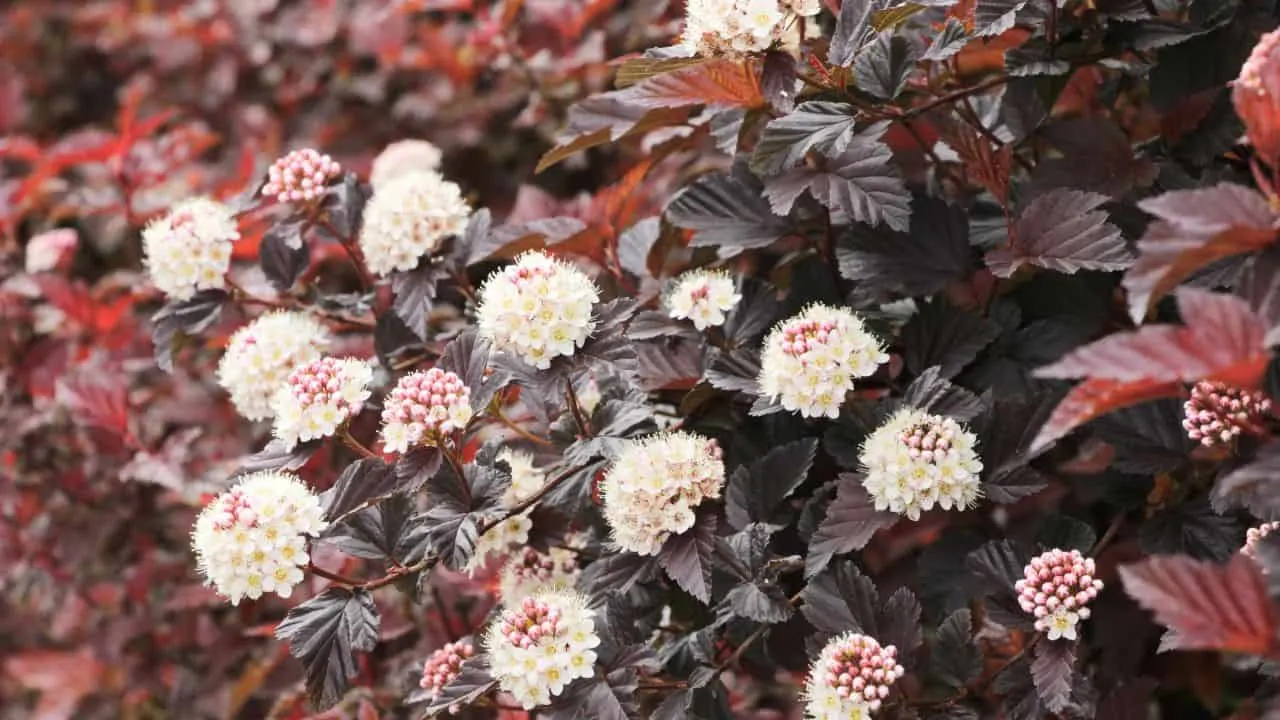
Ninebark earns its place with bark that peels in layers, revealing warm tones of copper and brown that glow in winter light. In spring, clusters of white or pink flowers cover the branches, followed by seed capsules that birds often snack on. Modern cultivars bring extra flair with foliage in shades of burgundy, gold, or deep purple. Tough and adaptable, ninebark tolerates poor soils, wind, and drought once established. A September planting gives this hardy shrub time to settle roots before snow arrives, especially in colder regions where winter can be brutal.
- Zones 3–5: Plant in early September to give roots maximum time to adjust before deep freezes. Mulch heavily to buffer soil temperature swings.
- Zones 6–7: Mid-September works well. Ninebark thrives in full sun but will tolerate partial shade in hot summers.
- Soil conditions: Adaptable to clay or rocky soils, though drainage helps prevent root issues.
- Pruning tip: Prune after flowering to shape, as ninebark blooms on old wood.
- Winter appeal: Peeling bark stands out against snow, making ninebark a four-season feature shrub.
4. Camellia Brings Winter Blooms When You Need Them Most

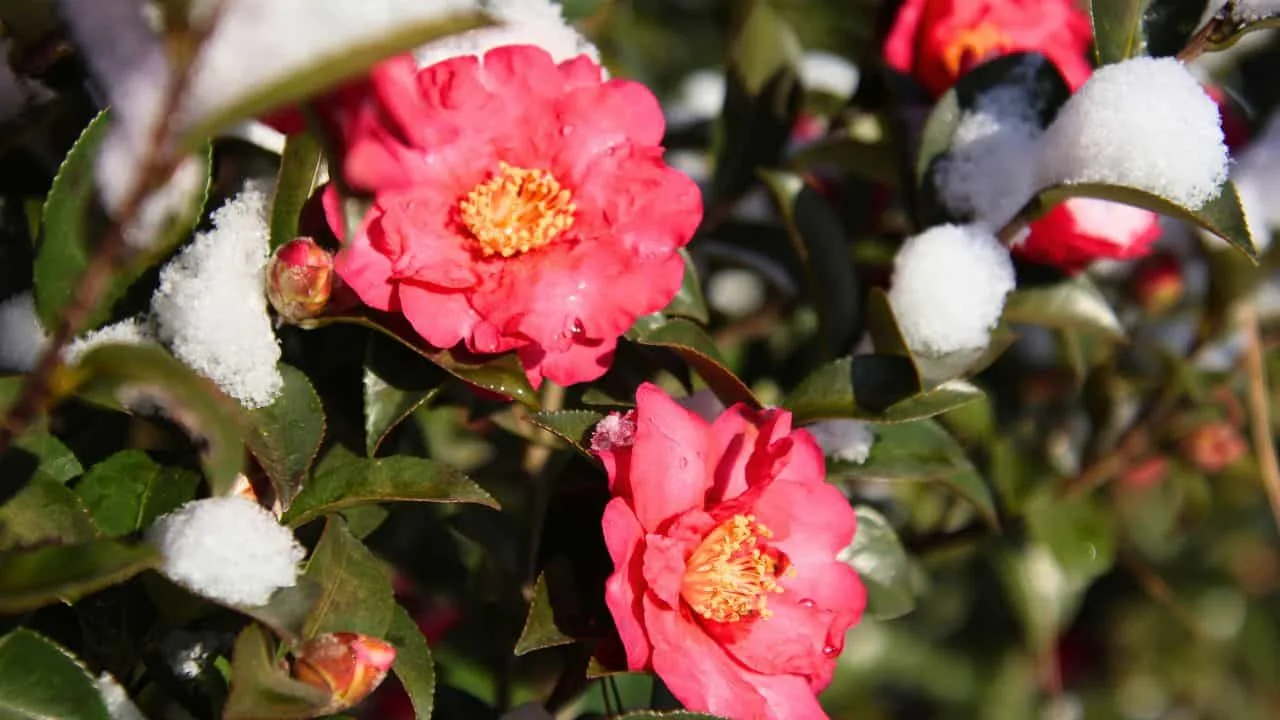
Camellias are evergreen shrubs that shine when little else dares to flower. Their glossy, dark leaves provide structure year-round, while late fall through early spring brings out rose-like blooms in shades of white, pink, and red. In the right climate, camellias transform shady corners into winter highlights. Planting in September gives roots the mild weather they need to establish before the cold, ensuring strong buds and a healthier display when bloom time arrives.
- Zones 7–8: September is prime planting time. Give camellias protection from harsh afternoon sun and strong winter winds.
- Zone 9: Wait until late September or October so soil stays warm but air temperatures are cooler. Camellias dislike lingering summer heat during establishment.
- Zone 6 (marginal): Plant early in the month and mulch heavily to protect roots. Choose cold-hardy varieties such as Camellia japonica hybrids.
- Soil needs: Acidic, well-drained soil is essential. Amend with composted pine bark or peat moss if soil leans alkaline.
- Watering: Keep soil evenly moist through fall. Dry spells in September can stress new roots before winter sets in.
5. Witch Hazel Surprises With Late-Winter Color

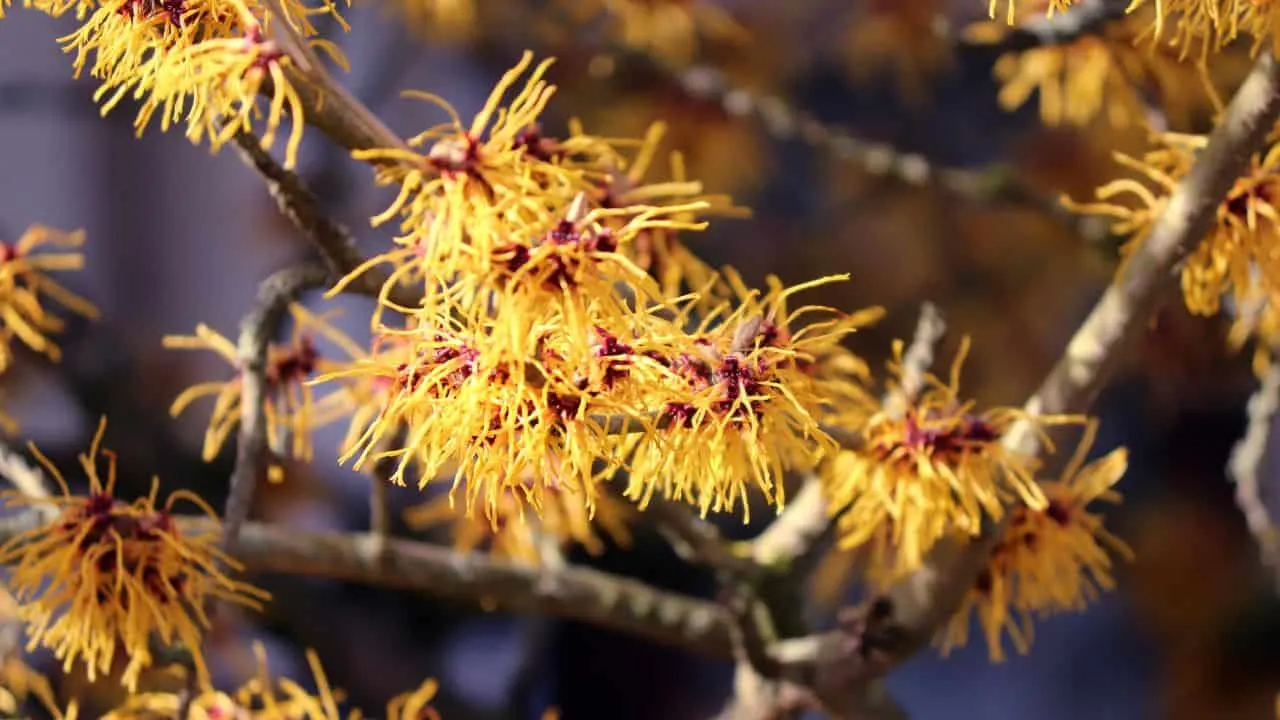
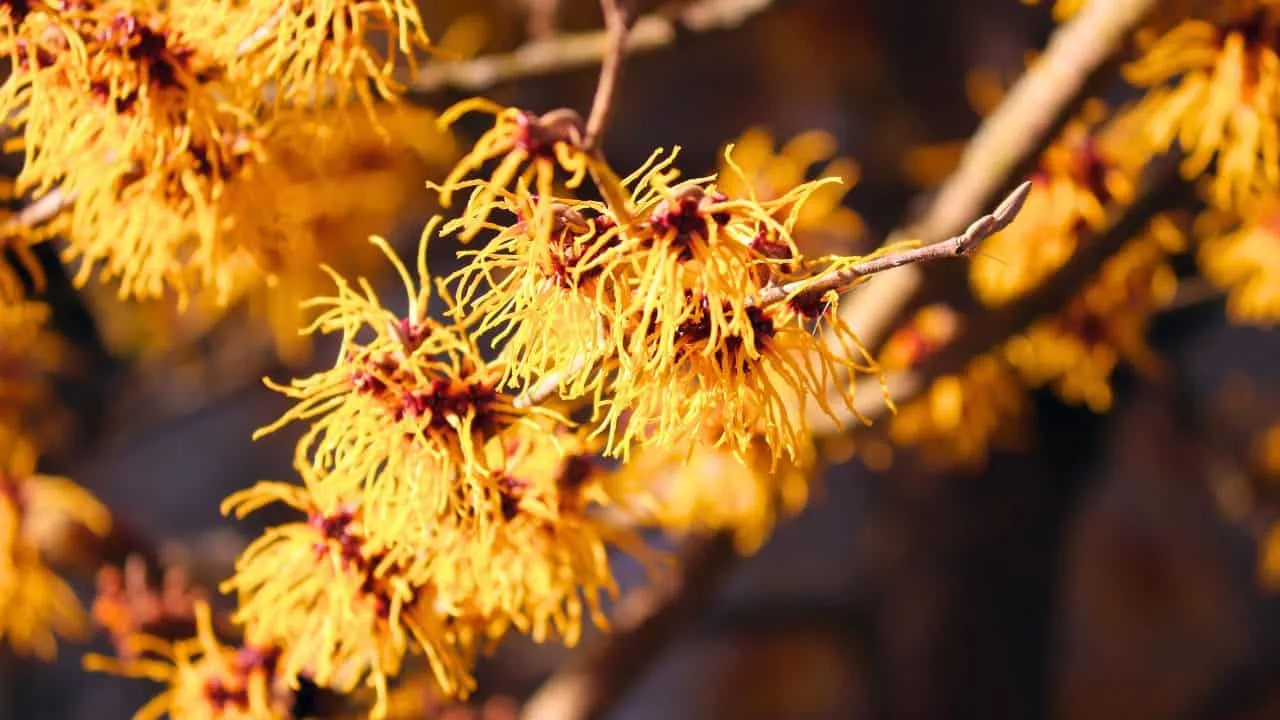
Witch hazel is the shrub that wakes up when the rest of the garden is still asleep. Its spidery yellow, orange, or red flowers bloom in late winter, sometimes while snow is still on the ground. In fall, its broad leaves turn golden, giving you two seasons of color from the same plant. Witch hazel prefers a spot with good drainage and partial sun, and once established it asks for little more than seasonal pruning. Planting in September lets it settle in quietly before putting on its cold-season show.
- Zones 4–5: Plant in early September. Mulch well to protect shallow roots from freeze-thaw cycles.
- Zones 6–7: Mid-September planting is ideal. Witch hazel thrives in partial shade and consistent moisture during dry falls.
- Zone 8: Plant later in September once summer heat fades. Afternoon shade keeps blooms from scorching in mild winters.
- Soil preference: Loamy, slightly acidic soil supports best flowering. Heavy clay should be amended with compost for drainage.
- Seasonal bonus: Flowers often appear as early as February, adding rare color during the last stretch of winter.
6. Winterberry Adds Bright Red Berries to Winter Landscapes

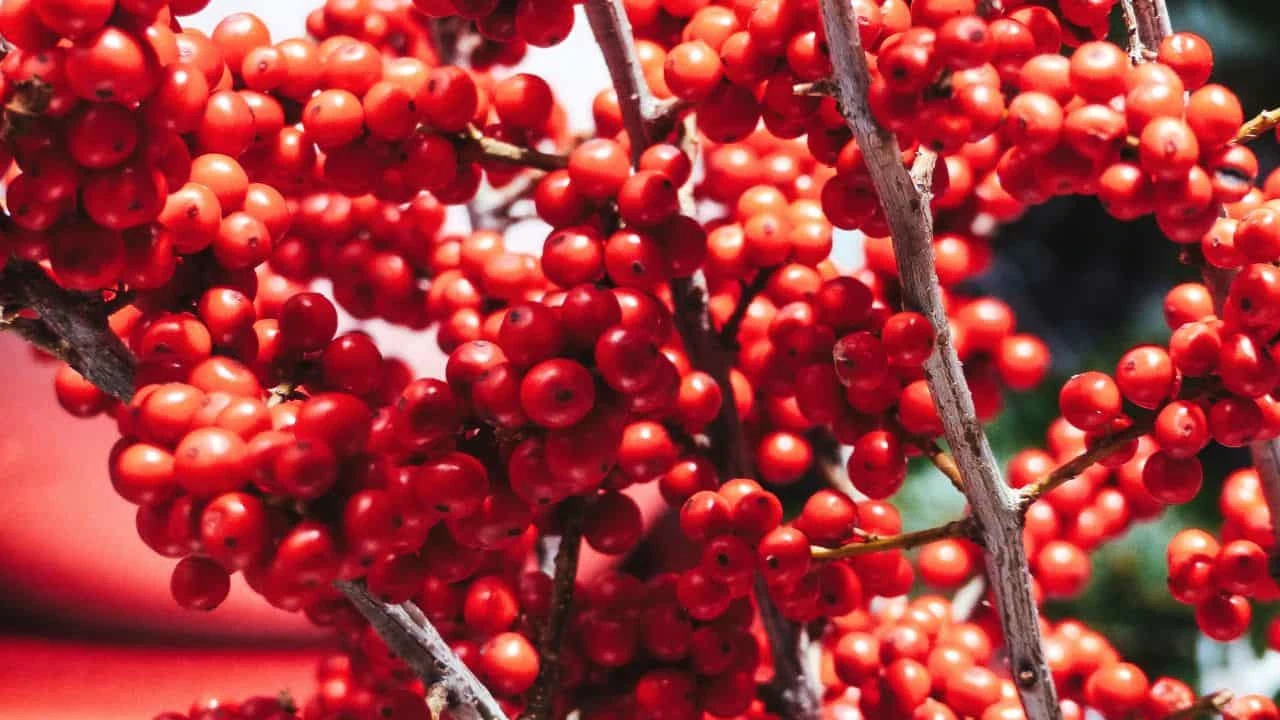
Winterberry, a type of deciduous holly, drops its leaves in late fall but holds onto clusters of glossy red berries that glow against bare branches and snow. These berries last well into winter and provide food for birds when little else is available. In spring, the shrub leafs out again and quietly supports pollinators with small white blooms. Planting in September gives winterberry time to anchor its roots, so it can focus on berry production the following year.
- Zones 3–5: Plant in early September to ensure establishment before frost. Mulch well to protect shallow roots.
- Zones 6–7: Mid-September planting is ideal. Keep soil evenly moist during dry spells to help roots settle in.
- Zones 8–9: Plant later in September once temperatures ease. Afternoon shade helps in hotter regions.
- Pollination note: You need both male and female plants for berries. One male can pollinate several females.
- Soil preference: Winterberry thrives in acidic, moist soil. Avoid alkaline sites, or amend heavily before planting.
7. Boxwood Delivers Evergreen Structure All Year

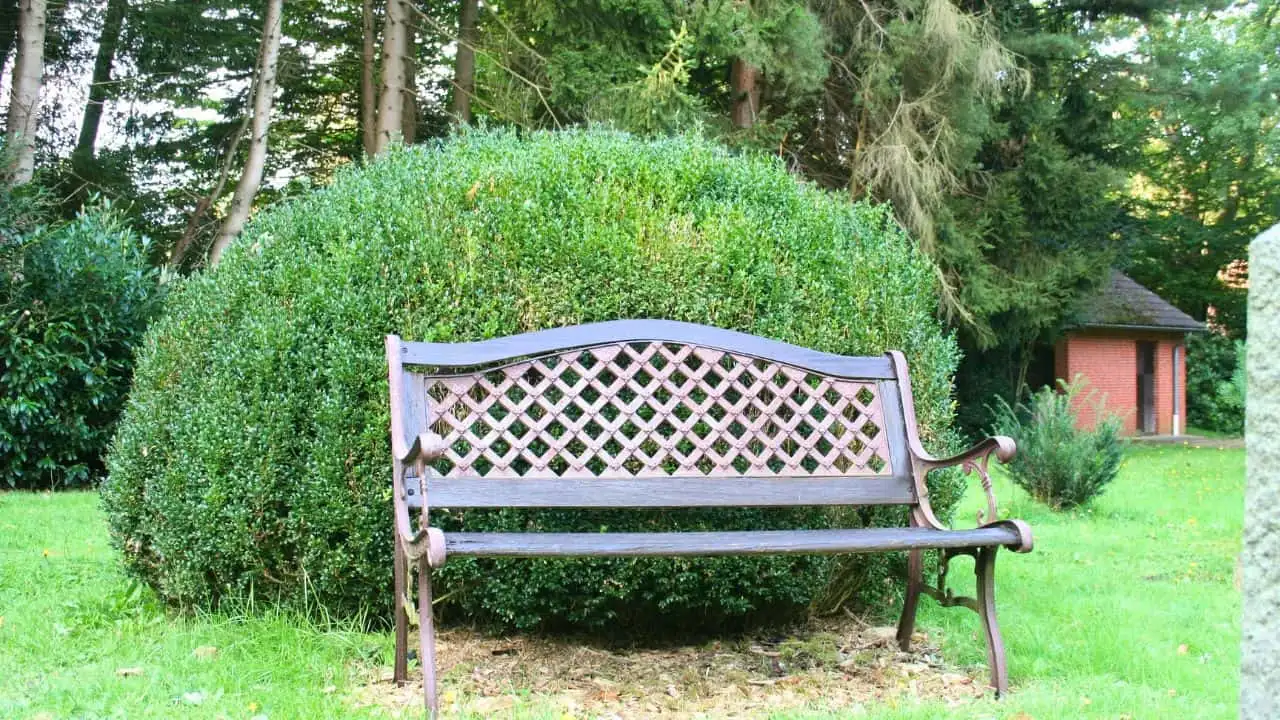
Boxwood is the backbone shrub that keeps your garden looking alive even in the dead of winter. Its dense, glossy foliage works beautifully for borders, hedges, or as a backdrop for showier plants. September planting allows boxwood to focus on root growth in cooler weather, which reduces the risk of transplant shock. Once established, it is low-maintenance and can be pruned into formal shapes or left to grow naturally for a softer look.
- Zones 5–6: Plant in early September so roots are established before hard frost. Add a thick layer of mulch to prevent winter burn.
- Zones 7–8: Mid-September planting works well. Choose a site with afternoon shade to reduce stress in hotter falls.
- Zone 9: Wait until late September or October when the heat fully subsides. Young plants can scorch in lingering summer sun.
- Soil preference: Boxwood prefers well-drained, neutral to slightly alkaline soil. Poor drainage can cause root rot.
- Care tip: Water deeply before the ground freezes. Evergreen shrubs lose moisture in winter and need reserves to stay healthy.
8. Red Twig Dogwood Lights Up the Winter Garden
Red twig dogwood is a shrub that earns its keep when everything else fades. In summer, it blends quietly into the landscape with green foliage and clusters of white flowers. Once the leaves drop, the bare stems glow in vivid red, standing out against snow or frost. Some varieties even come in gold or coral tones for added variety. September planting gives the shrub time to settle roots, ensuring stronger color display in the coming winter.
- Zones 2–4: Plant in early September. These cold-hardy shrubs thrive in northern gardens where freezing winters intensify stem color.
- Zones 5–7: Mid-September planting works well. Ensure consistent moisture during dry falls to encourage strong root growth.
- Soil preference: Prefers moist, well-drained soil but tolerates clay and wet conditions better than most shrubs.
- Pruning tip: Prune one-third of the oldest stems each spring. Younger stems show the brightest red color.
- Wildlife bonus: Berries attract birds in late summer, while the stems provide shelter through winter.
9. Pieris Japonica Offers Elegance from Winter to Spring

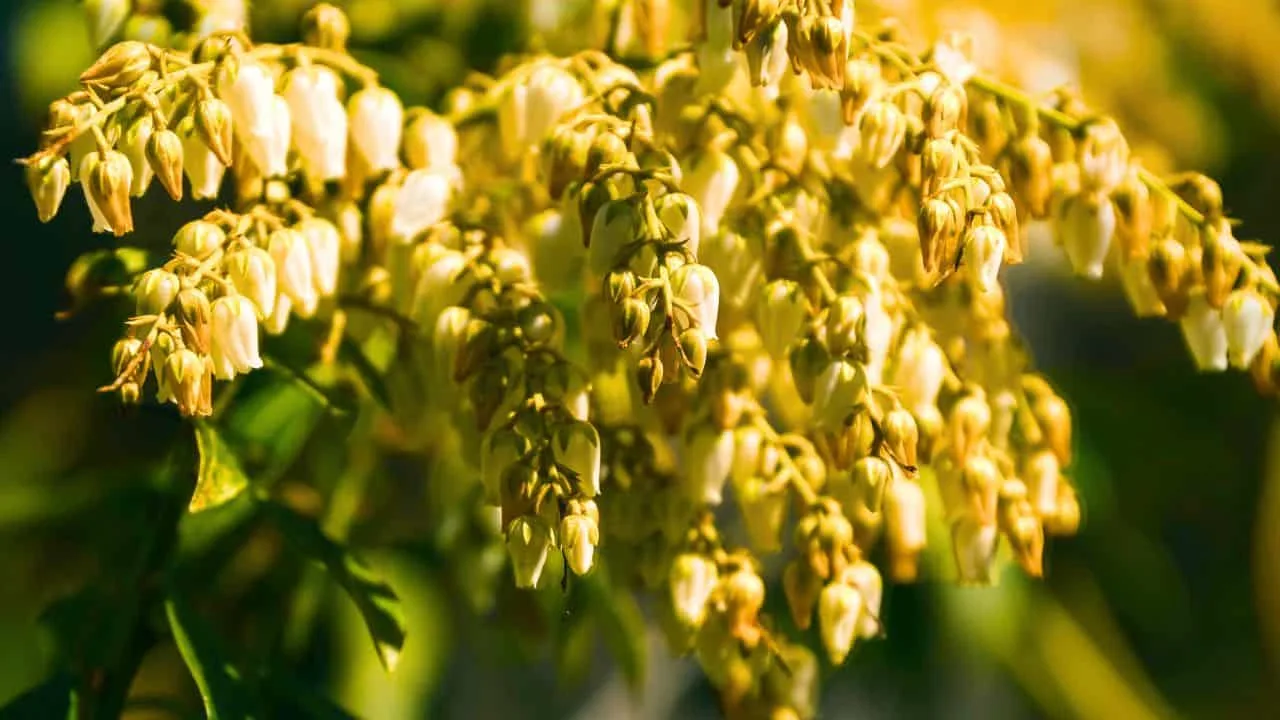
Pieris japonica, also called Japanese andromeda, is an evergreen shrub that layers beauty across the seasons. Its glossy green leaves hold through winter, while cascading clusters of white or pink flowers appear in early spring. New foliage often emerges in shades of bronze or red, giving extra bursts of color. Slow-growing and graceful, it thrives in shaded spots where many other shrubs struggle. A September planting allows roots to take hold before cold weather and sets the stage for a strong spring bloom.
- Zones 5–6: Plant in early September to give roots maximum time to settle. Provide winter mulch to protect young plants.
- Zones 7–8: Mid to late September is ideal. Afternoon shade helps avoid stress from lingering heat in southern climates.
- Soil preference: Prefers acidic, well-drained soil. If your soil is alkaline, amend with peat moss, pine bark, or sulfur before planting.
- Moisture needs: Keep soil consistently moist in the first year. Drought stress in fall can reduce spring flowering.
- Garden use: Works well in shaded borders, woodland gardens, or as a foundation shrub paired with azaleas and camellias.
Plant Now for Four Seasons of Beauty

September planting gives shrubs the head start they need to thrive. Cooler air means less stress, while warm soil fuels root growth that continues quietly through fall and early winter. By spring, the work is already done underground, and your garden reaps the rewards with flowers, foliage, berries, and structure that lasts all year.
Whether it is the frosted blooms of hydrangeas, the glowing stems of red twig dogwood, or the steady green of boxwood, these shrubs repay a little fall effort with years of beauty. Plant wisely for your zone, water deeply, and mulch well. The shrubs you set in now will shape your garden’s character through every season to come.
🌿 Key Takeaways
- 🍂 September is prime time: Warm soil and cool air make fall the best season to plant shrubs.
- 🪴 Faster establishment: Roots grow strong before winter, so shrubs wake up ready to thrive in spring.
- 🌸 Year-round rewards: Choose shrubs that offer more than one season of beauty, from blooms to bark to berries.
- 📍 Zones matter: Northern gardeners should plant earlier in September, while southern gardeners can wait until late fall.
- 💧 Care basics: Deep watering and mulch after planting help new shrubs settle in and survive the first winter.
Frequently Asked Questions About Planting Shrubs in September
1. Is September really the best month to plant shrubs?
Yes. The combination of cool air and warm soil helps shrubs establish roots without the stress of summer heat. In many regions, it is even better than spring planting because rainfall is more reliable and pests are less active.
2. How late into fall can I plant shrubs?
It depends on your zone. In northern regions, aim to finish by early October before the ground freezes. In southern zones, you can often plant into November or December since frost arrives much later.
3. Do I need to fertilize newly planted shrubs?
No. Focus on root growth, not top growth. Fertilizer in fall can push new shoots that are easily damaged by frost. Compost or organic matter in the planting hole is enough until spring.
4. How much should I water shrubs planted in September?
Water deeply once or twice a week through fall if rainfall is light. Roots need steady moisture until the ground freezes. Evergreen shrubs like boxwood and pieris benefit from an extra deep watering before winter.
5. Should I prune shrubs right after planting?
No. Avoid heavy pruning in fall. The goal is to let shrubs settle without stress. Wait until spring or after the first full growing season to shape or reduce size.
6. Do I need to mulch around new shrubs?
Yes. A 2–3 inch layer of mulch insulates the soil, holds moisture, and protects roots from freeze-thaw cycles. Keep mulch a few inches away from the trunk or stems to prevent rot.
7. Will deer or rabbits damage new shrubs planted in fall?
Possibly. Tender young bark and buds are attractive in winter when food is scarce. If browsing animals are a problem in your area, use fencing or repellents until shrubs are established.


Daniel has been a plant enthusiast for over 20 years. He owns hundreds of houseplants and prepares for the chili growing seasons yearly with great anticipation. His favorite plants are plant species in the Araceae family, such as Monstera, Philodendron, and Anthurium. He also loves gardening and is growing hot peppers, tomatoes, and many more vegetables.