
You can keep tossing in the same old fall standbys. The mums. The coneflowers. The asters that were already there before you were. Or you can try something that actually turns heads. Plants that don’t just bloom, but glow, bronze, and surprise you right when most gardens start giving up.
Right now is your shot. August isn’t just cleanup time. It’s when you plant the things that give your fall garden depth, drama, and real color instead of beige regret. Some of these bloom fast. Some start slow but stay through frost. Some don’t even bloom. They just light up with copper, crimson, or buttery gold leaves while your neighbor’s beds fall asleep.
If you’re tired of garden déjà vu, these are the plants that still make August worth it.
1. Japanese Anemone (‘Pamina’, ‘Prinz Heinrich’, etc.)

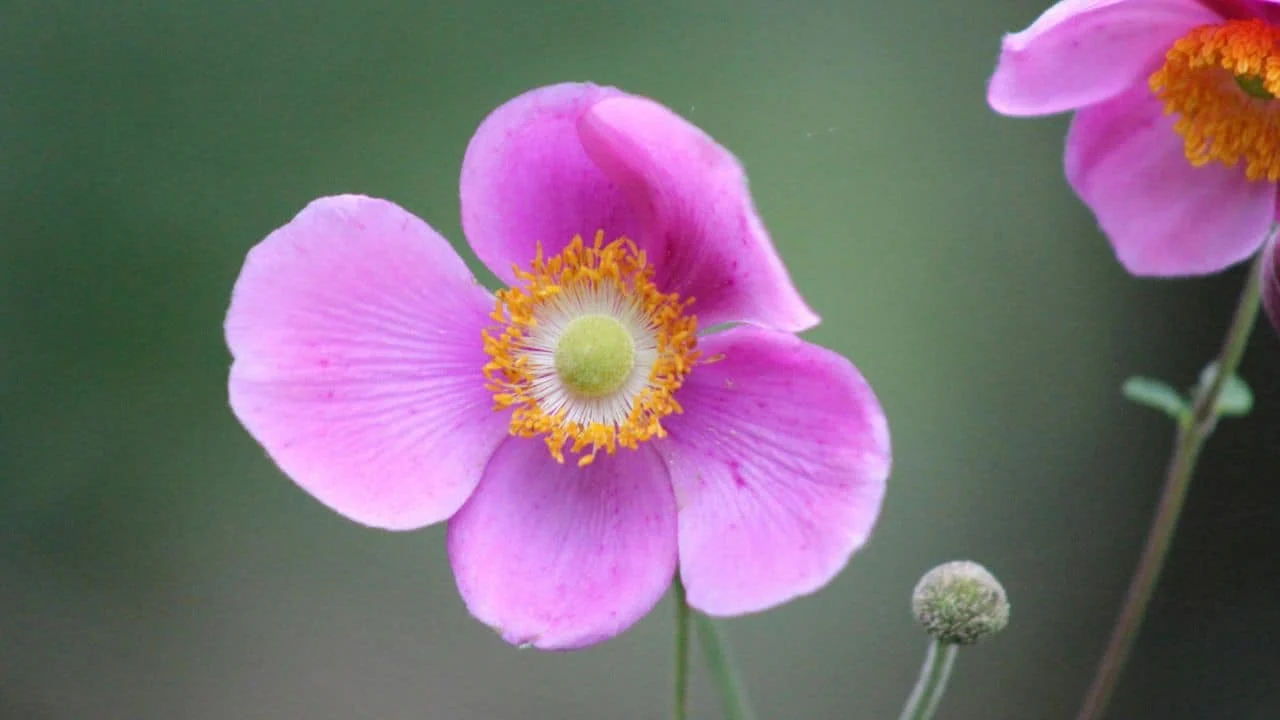
If your garden feels like it’s exhaling its final breath in August, this is your comeback plant. Japanese Anemones aren’t shy. They throw up elegant blooms on tall, wiry stems that sway in the breeze like they’re dancing at a fall wedding. The flowers range from crisp white to soft rose to bright pink, depending on the cultivar, and they just keep coming. Not for a week. Not for two. For up to 65 days.
Plant them in early August and you’ll still catch their first flush by late summer. The real show happens in September and October, when everything else starts to sulk. These plants don’t just survive late summer planting, they actually thrive on it. Partial sun is ideal, but they’ll tolerate full sun with some extra water.
Once established, they form tidy clumps and spread slowly, filling in bare spots with grace, not aggression. And unlike many fall bloomers, they don’t look weedy or tired by the time their show starts. They hold themselves like they’ve been rehearsing all season just for this.
🌸 Planting & Care Tips
- 📅 Plant in early August for first blooms by September and a long flowering window.
- ⛅ Choose part sun to part shade for best performance and longer bloom time.
- 💧 Keep soil evenly moist until established. Drought-tolerant later, but appreciates extra water in heat.
- 🌿 Cut back flower stalks after bloom to tidy up the plant, or leave them for winter interest.
- 🪴 ‘Pamina’ and ‘Prinz Heinrich’ are compact cultivars, perfect for small spaces or containers.
2. Russian Sage (Salvia yangii ‘Blue Spire’, ‘Denim ‘n Lace’, etc.)

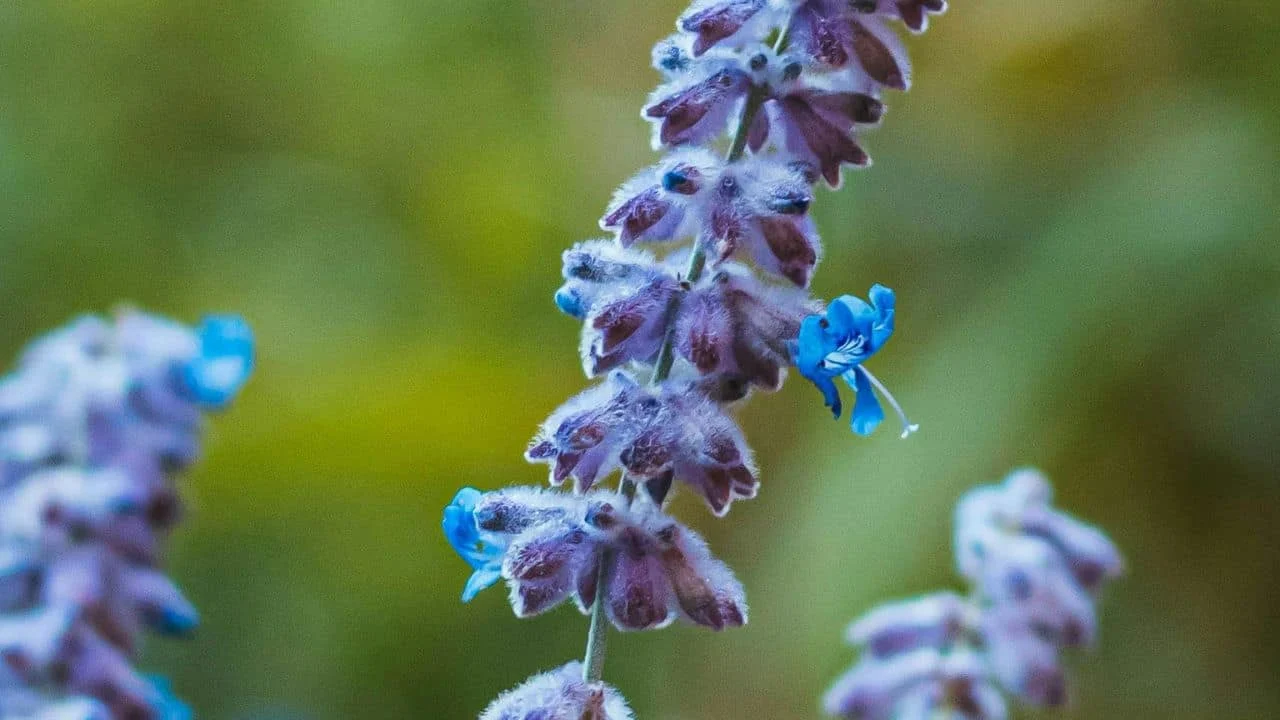
If your garden needs a jolt of lavender-blue electricity in late summer, Russian Sage delivers. This airy perennial sends up clouds of tiny violet blooms from July through frost, and yes, that includes if you plant it right now. August planting works surprisingly well — it establishes quickly in warm soil and doesn’t mind a dry start, as long as you water it deeply once or twice a week.
It’s tough, it’s graceful, and it smells like clean herbs and summer wind. Bees and butterflies love it. Deer and rabbits do not. And the silvery-green foliage looks great even when nothing’s blooming.
This is not a plant that fades into the background. It adds motion, contrast, and vertical lift to tired beds, especially when paired with grasses, coneflowers, or other fall stars. Russian Sage doesn’t need babying, staking, or deadheading. It just shows up and keeps blooming like it has something to prove.
🪻 Planting & Care Tips
- 📅 Plant in early to mid-August for a strong root system before winter and potential first blooms.
- 🌞 Requires full sun to bloom properly. At least 6 to 8 hours per day is ideal.
- 💧 Water deeply once or twice a week while getting established. Then let it dry out between waterings.
- 🌱 Give it space. This plant gets bushy and wide — up to 3 feet across.
- ✂️ Cut back hard in early spring to encourage strong new growth and better bloom production.
3. Helenium (Sneezeweed) ‘Ring of Fire’, ‘Moerheim Beauty’, etc.

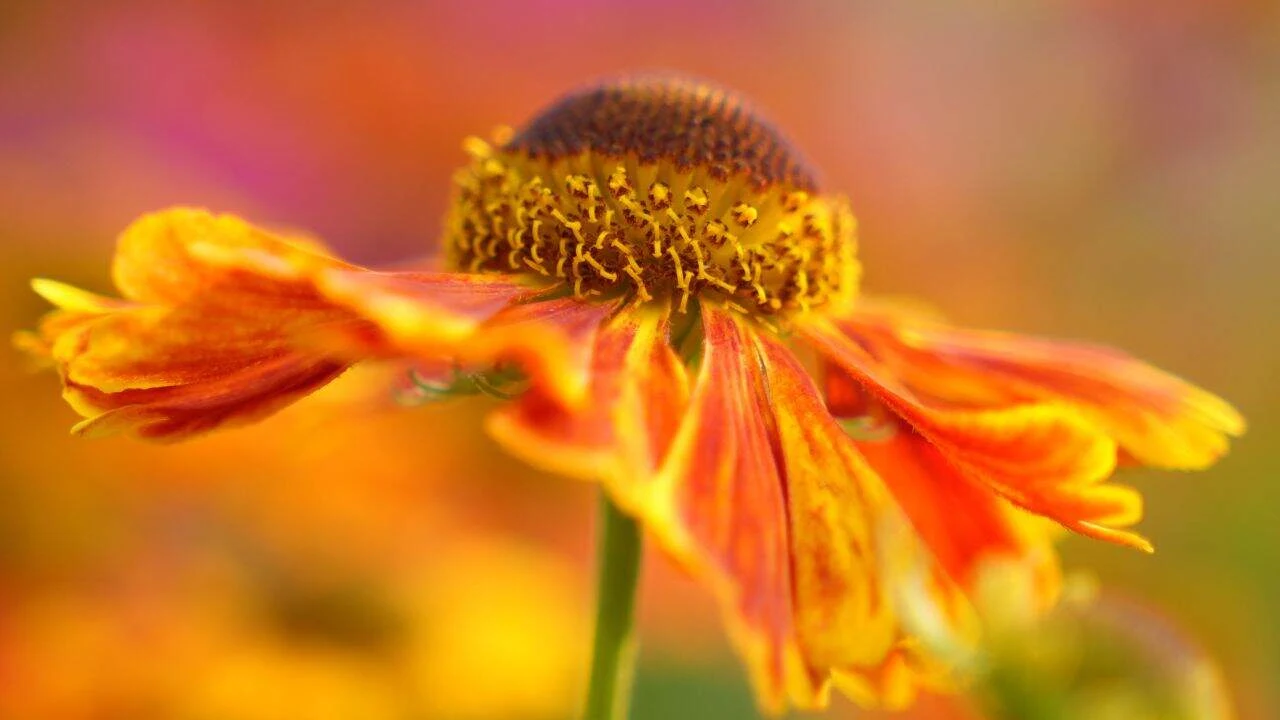
Ignore the name — sneezeweed won’t make you sneeze. But it might make your jaw drop. These daisy-like powerhouses explode in rich golds, reds, and coppery oranges right when most of your summer garden is starting to give up.
Helenium thrives in full sun and doesn’t mind if your soil isn’t perfect, as long as it drains. If you get it into the ground in early to mid-August, it often blooms in the same season and continues well into October. That’s rare for a perennial.
Each flower looks like it was painted with a tiny brush dipped in sunset. And unlike more delicate bloomers, these plants don’t fade fast. They’re built to stand tall through late-summer storms and chilly fall evenings.
If you want pollinators? You’re covered. Bees, butterflies, and even hummingbirds make regular visits. If you want drama and reliability in one plant? Helenium is the quiet overachiever you didn’t know you needed.
🔥 Planting & Care Tips
- 📅 Plant in early to mid-August for potential fall blooms this year and stronger roots next year.
- 🌞 Loves full sun. At least 6 hours a day brings out the best color.
- 💧 Moderate water needs. Keep evenly moist, especially during dry spells in August.
- 🌾 Cut back spent flowers to encourage more blooms and extend the show.
- 🧡 Excellent for mixed borders. Pair with ornamental grasses, echinacea, or rudbeckia.
4. Asters Beyond the Usual – Blue Wood Aster, New England Aster, etc.

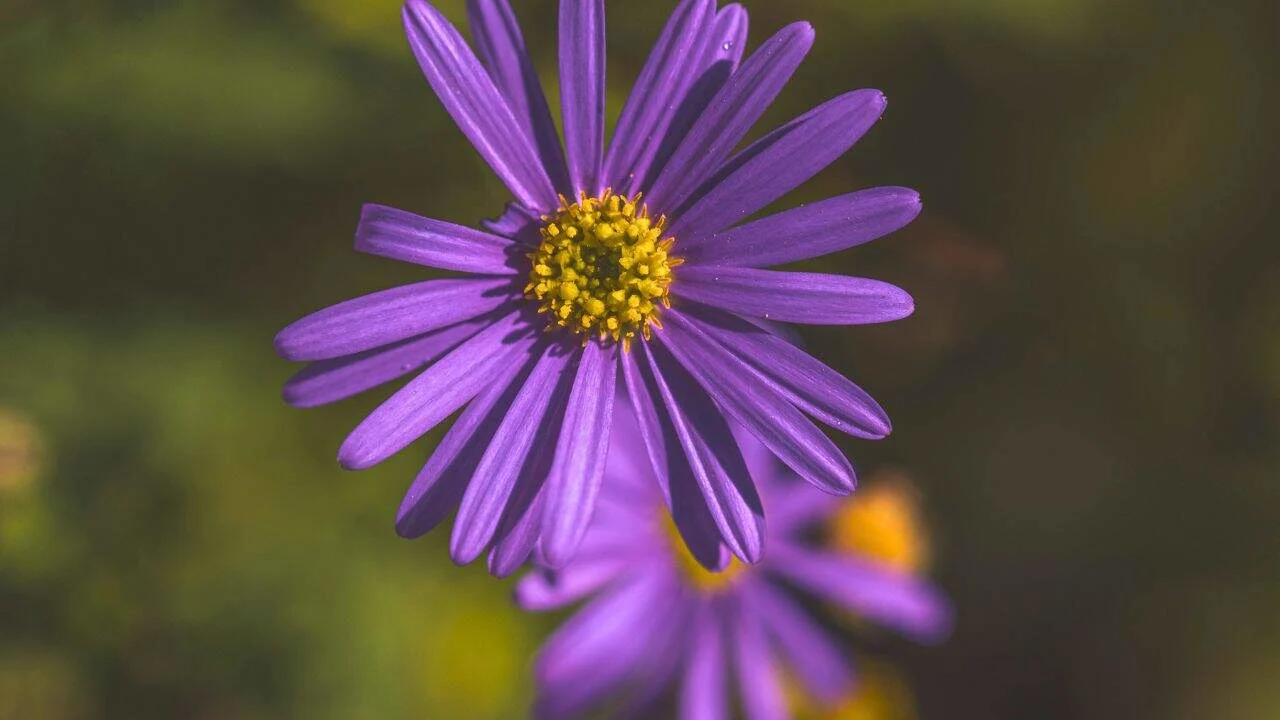
Think asters are just grocery-store filler? Think again. The native varieties, especially Blue Wood Aster and New England Aster, are in a whole different league. These aren’t stiff, dull landscaping shrubs. These are pollinator magnets with clouds of delicate blooms in violet, blue, and pink — all timed perfectly for that dreamy late-season garden glow.
Planted in early August, many asters will still flower this season. And even if they’re a bit slow to bloom the first year, they’ll come roaring back next year, often doubling in size.
They shine just when most other plants fade. Migrating butterflies like monarchs depend on them as a late nectar source, and bees practically live on them in September.
Give them full sun if you can, but partial shade is fine too. They tolerate clay soil better than most, and they’ll forgive you if you forget to water once or twice.
🦋 Aster Growing Tips
- 📍 Plant now to give roots a head start before winter. Blooms may still appear this fall in some zones.
- 🌞 Best in full sun, but tolerant of light shade and tougher soil conditions.
- 🌼 Pinch back in early growth (spring to early summer) for a bushier plant next year.
- 🧽 Watch for powdery mildew in humid climates. Air circulation is key.
- 🐝 Vital for pollinators when little else is blooming. Your fall garden will be buzzing.
5. Amsonia hubrichtii (Bluestar)
If you’ve never planted Amsonia hubrichtii, you’re missing one of the best-kept secrets in fall gardening. It doesn’t scream for attention in spring or summer. It waits. Then when most of the garden starts winding down, it glows — literally — in sheets of golden-yellow foliage that can rival even the flashiest maples.
Planting in early August gives it enough time to settle in and still show off some of that fall magic. It might not bloom this year (those soft blue star-shaped flowers show up in spring), but the foliage alone is worth the price of admission. By October, it’s a full-on golden cloud.
It handles heat, drought, pests, deer — even bad soil. And once it’s established, it keeps getting better every year, forming a dense, billowing mound that turns heads.
🍂 Amsonia Tips for First-Time Growers
- 📅 Plant in early to mid-August to get roots established and still enjoy that autumn glow.
- ☀️ Full sun brings the best color. In partial shade, the gold will be softer but still lovely.
- 🪴 Space it out. Each plant can get up to 3 feet wide over time — give it room to shine.
- 🛡️ Deer and rabbit resistant. They don’t like the sap. Lucky you.
- 💪 Low maintenance. Once it’s in, you mostly forget about it — until it lights up the yard in fall.
6. Bergenia cordifolia (Elephant’s Ears)

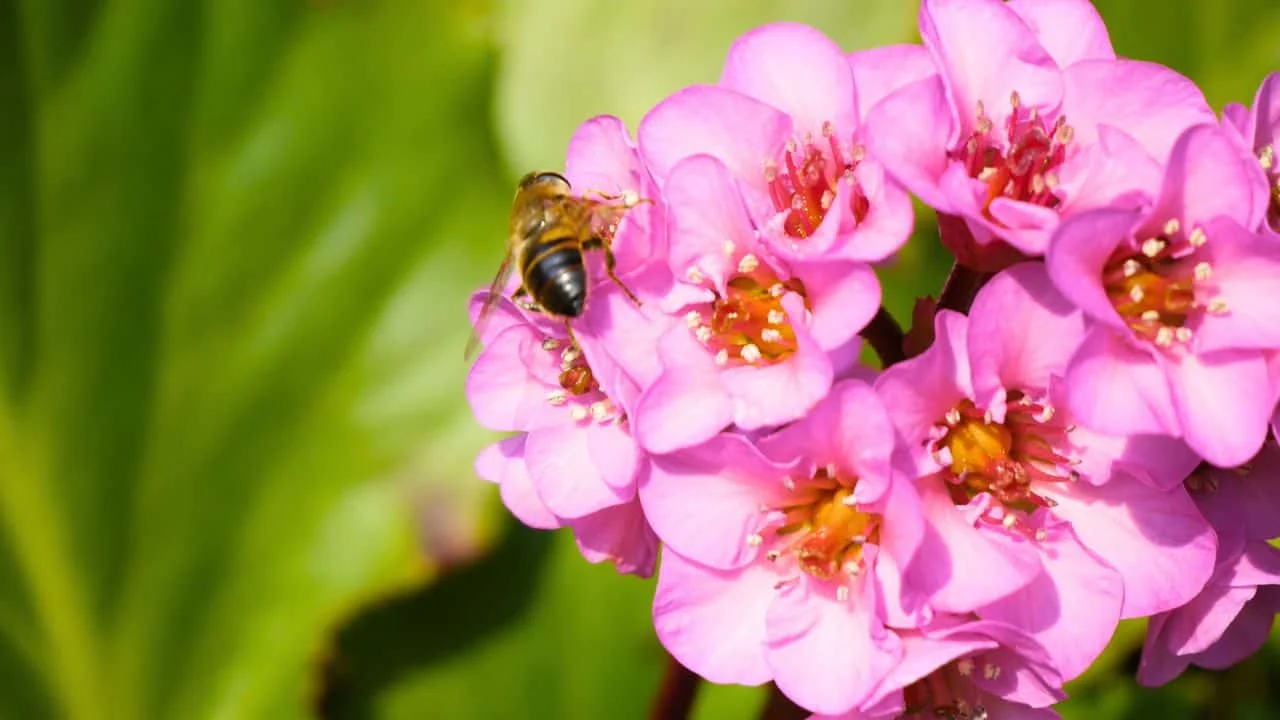
If your garden looks a little tired in late summer, Bergenia shows up like someone who never got the memo. With its giant, glossy leaves and surprise autumn color shifts, it brings bold texture just when everything else starts fading out.
Even planted in August, Bergenia settles fast and begins to make an impact. The leaves don’t just sit there. They turn bronze, rust, deep red, or purple with cool fall temperatures — a dramatic shift that’s oddly satisfying to watch. And while some varieties wait until early spring to bloom, others throw out unexpected clusters of pink flowers in fall.
The real charm? You can plant it in spots where nothing else wants to live. Dry shade? Soggy path edges? Tree roots? Bergenia shrugs and gets to work. It’s evergreen, persistent, and weirdly stylish in an old-school way.
Can it survive winter? Yes — and not just survive. Bergenia
Can These Plants Survive Winter?
Just because you plant something in August doesn’t mean it’ll vanish when frost rolls in. Here’s the no-nonsense verdict on how each of these late-season standouts handles winter — and what (if anything) you need to do to help them.
- 🌸 Japanese Anemone: Fully hardy in zones 4–8. Mulch young plants after frost. Dies back but regrows beautifully next year.
- 🪻 Russian Sage: Cold-hardy and drought-tolerant once established. Cut back in late winter or early spring for best regrowth.
- 🔥 Helenium: Hardy in zones 3–8. Deadhead spent blooms, then mulch to protect the crown in harsher zones.
- 🦋 Asters: Native species are extremely hardy. Cut back after flowering or leave seed heads for birds. Divide every few years.
- 🌟 Amsonia hubrichtii: Incredibly tough. Turns golden in fall, then dies back. Zero fuss, no winter protection needed.
- 🍂 Bergenia cordifolia: Evergreen in most zones. In colder areas, outer leaves may get scorched but the plant bounces back. Mulch lightly if exposed.
- 🌱 Self-Seeding Favorites (Agastache, Cosmos, Nigella): Cosmos and Nigella are annuals but reseed themselves like pros. Agastache is perennial in zones 5–10, just mulch in the first winter to be safe.
How Fast Will These Plants Show Fall Color or Blooms?
It’s August. You’re not planting for some faraway “eventual” payoff — you want something to look good *this* season. Here’s how fast each of these plants will deliver fall color, blooms, or general show-off energy.
- 🌸 Japanese Anemone
✅ Yes, you’ll see blooms this fall, even from nursery transplants. They’re already geared to flower in late August through October.
⏰ Expect flowers in 3–5 weeks, assuming the plant is healthy and gets part sun. - 🪻 Russian Sage
⚠️ Maybe. If you plant a mature quart or gallon-sized transplant now, it might flower lightly.
⏰ Peak show is more likely next year, but silvery foliage adds immediate texture now. - 🔥 Helenium (Sneezeweed)
✅ Yes, with a mature transplant. Many are sold in bud or even in flower.
⏰ Blooms can appear within 1–2 weeks of planting. - 🦋 Asters (New England, Blue Wood, etc.)
✅ Yes, especially New England or Wood Asters. They’re late bloomers and many nursery plants are sold just before flowering.
⏰ Expect flowers by September, lasting into October. - 🌟 Amsonia hubrichtii (Bluestar)
❌ No fall color payoff this year. You’re planting this for next year’s flowers and fall foliage.
⏰ Foliage will grow now but won’t color up much the first season. - 🍂 Bergenia (Elephant’s Ears)
⚠️ Foliage interest, yes. But it’s not a bloomer this fall.
⏰ Leaves will start to bronze or redden by mid to late fall, especially with cool nights. - 🌱 Self-Seeding Annuals (Agastache, Cosmos, Nigella)
✅ Fast growers, especially Cosmos and Nigella. If planted now, they’ll germinate and bloom in late summer.
⏰ Expect flowers in 4–6 weeks if direct-sown or planted as small starts.
Don’t Let August Slip Away
Most people write off late summer as too late to plant anything worthwhile. They miss the best part — the moment when your garden starts to glow while everyone else’s fizzles out.
If you’ve got a shovel, a free afternoon, and a bit of faith in the calendar, you can still pack your beds with color, texture, and interest. You just need to pick the right plants and know what to expect.
Plant now, and come October, you’ll be sipping cider with a smug little grin while your neighbors admire your still-blooming border. They’ll think you planned it months ago. You don’t have to correct them.
🌿 Key Takeaways
- 🌸 August is not too late to plant — you just need the right fall-focused picks.
- ⏳ Some plants bloom this season like Japanese Anemone, Helenium, and Asters. Others need time.
- 🧊 Winter hardiness varies — Amsonia, Bergenia, and Anemone survive cold zones if planted early.
- 💡 Buy mature transplants to enjoy blooms within weeks. Small starter pots will likely wait till next year.
- 🛠️ Prep soil well and keep new plantings watered through heat spells to help them settle fast.
- 🎯 Fall gardening pays off with less pest pressure, easier watering, and bold end-of-season impact.


Daniel has been a plant enthusiast for over 20 years. He owns hundreds of houseplants and prepares for the chili growing seasons yearly with great anticipation. His favorite plants are plant species in the Araceae family, such as Monstera, Philodendron, and Anthurium. He also loves gardening and is growing hot peppers, tomatoes, and many more vegetables.