

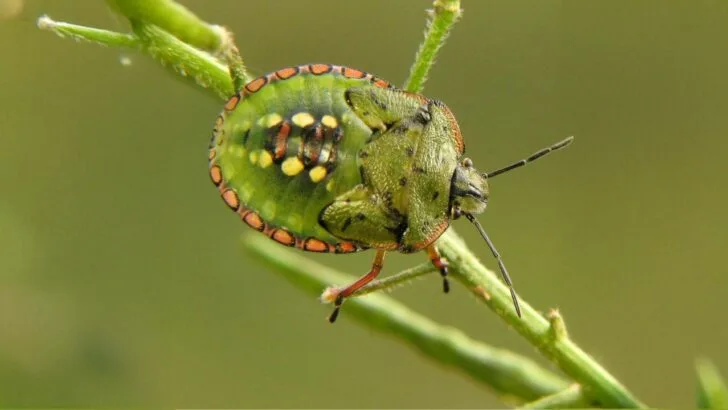
September looks calm from the porch. The light softens. The rush of summer slows. In the beds, a different story plays out. Pests are wide awake and hungry.
Cooler nights keep them active, ripe fruit pulls them in, and fresh fall seedlings look like an invitation. Some are finishing one last binge. Others are stocking up for winter. Learn who shows up now and stop the damage before frost steals the rest of your harvest.
1. Stink Bugs

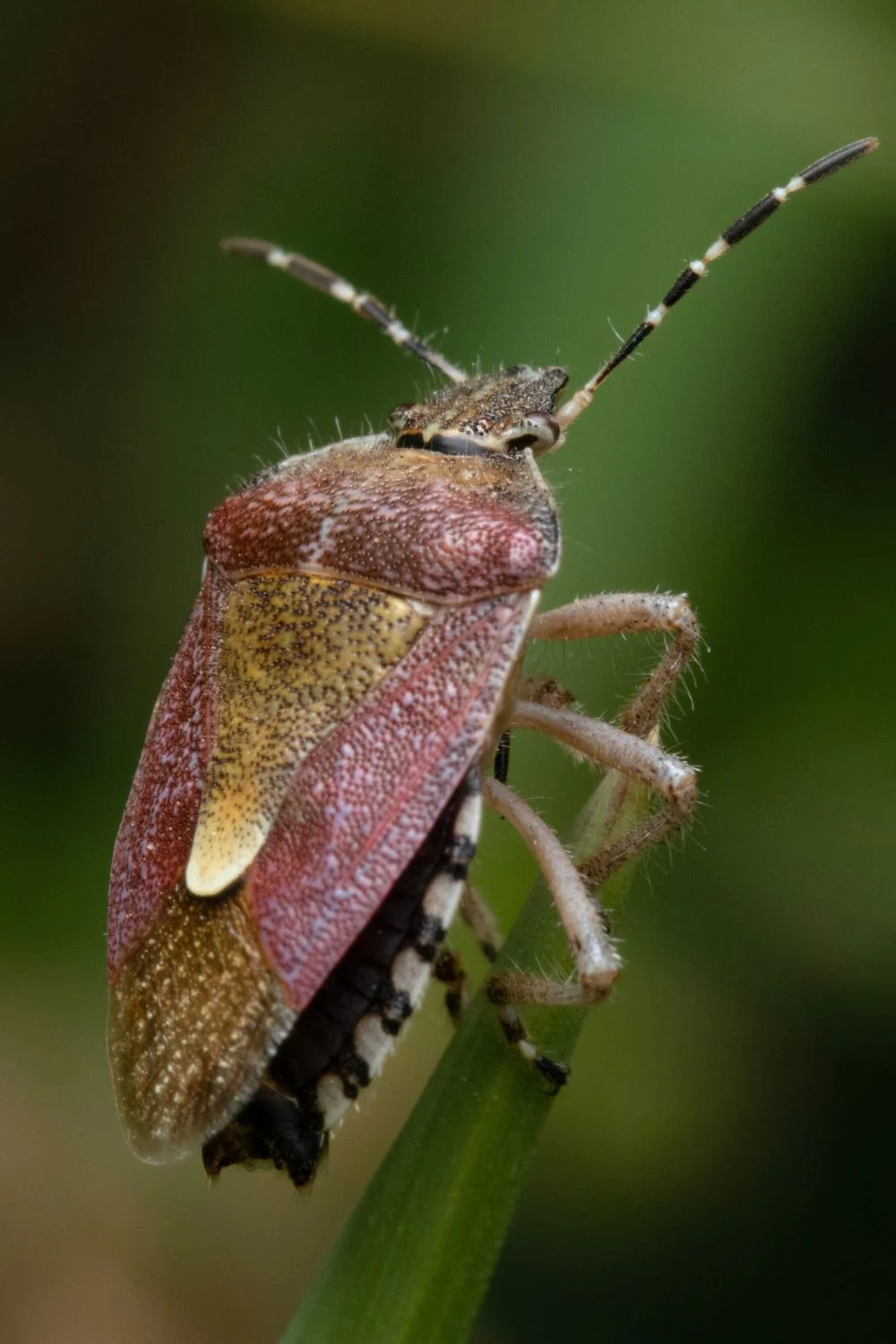
Stink bugs are a September headache. They attack ripening tomatoes, peppers, and beans, piercing the skin and leaving cloudy patches and sunken spots. The fruit looks spoiled even if it is technically edible. Their numbers often spike as the nights cool and the harvest peaks.
- Morning patrols: Stink bugs are sluggish in cool mornings, making them easier to handpick and drop into soapy water.
- Row covers: Lightweight covers stop bugs from reaching fruit but still let air and light through.
- Vacuum trick: A shop-vac on low suction can clear dozens in minutes without chemicals. Empty the bag into soapy water right after.
- Trap crops: Sunflowers and amaranth attract stink bugs. Plant them at the edge of the garden and deal with infestations away from your main crops.
- Fall cleanup: Remove weeds and crop debris where stink bugs overwinter, cutting down next year’s population.
2. Cabbage Worms
Cabbage worms stay active through September, chewing on kale, broccoli, cauliflower, and cabbage. They are easy to miss at first, but the ragged holes and green droppings on leaves give them away. If left unchecked, they can strip plants bare just as fall crops are maturing.
- Handpicking: Check the undersides of leaves daily. Worms are easiest to spot against the light and can be squished or dropped in soapy water.
- BT spray: Bacillus thuringiensis targets caterpillars only, leaving bees and other beneficials unharmed. Apply after rain for best results.
- Row covers: Floating covers keep moths from laying fresh eggs. Put them on early and leave them until harvest.
- Decoy plantings: Nasturtiums and mustard greens lure moths away from your cabbages. Sacrifice a few to save the main crop.
- Fall cleanup: Remove brassica stumps and weeds after harvest to deny overwintering sites for future generations.
3. Cutworms & Armyworms

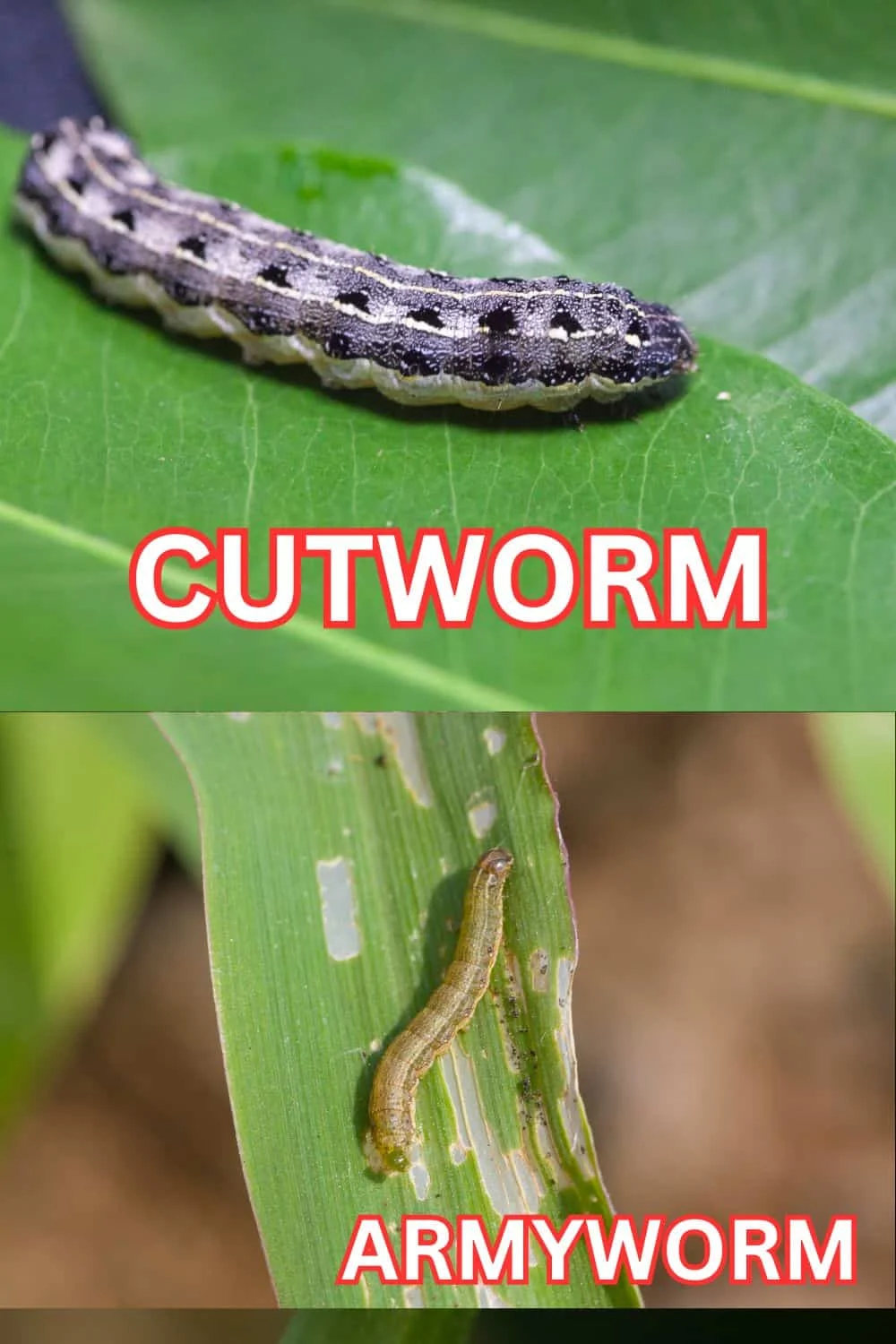
September plantings of lettuce, kale, and other fall greens are prime targets for cutworms and armyworms. Cutworms hide in soil and chew through stems at the base, leaving seedlings toppled overnight. Armyworms feed in groups, quickly skeletonizing leaves and spreading across beds if not stopped.
- Collars: Place cardboard or foil collars around seedlings to block cutworms from reaching stems.
- Night checks: Both pests feed after dark. A flashlight and quick patrol often reveal dozens at once.
- Keep it clean: Remove weeds and plant debris where moths lay eggs and larvae hide during the day.
- BT spray: Like cabbage worms, armyworms are highly sensitive to Bacillus thuringiensis when applied to leaf surfaces.
- Bird allies: Robins, wrens, and other insect-hungry birds pick off caterpillars if you keep beds open and inviting.
4. Squash Bugs

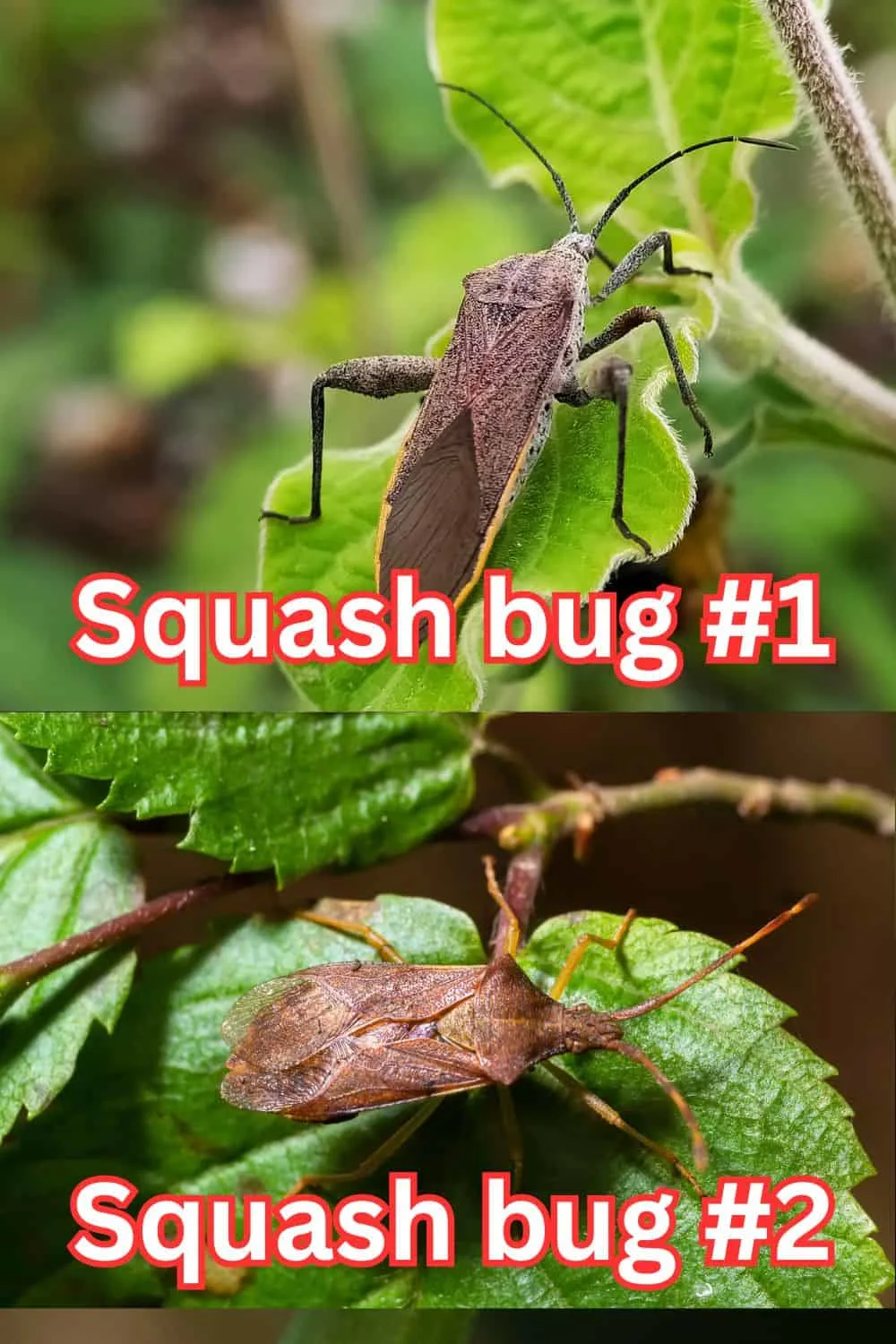
Even as pumpkins and zucchini wind down, squash bugs keep feeding. They pierce stems and leaves to suck sap, leaving vines wilted and fruit scarred with corky spots. Populations often surge in September, stressing plants already tired from summer production.
- Egg patrol: Check the undersides of leaves for bronze clusters. Crush them before they hatch.
- Hand removal: Adults and nymphs can be plucked off and dropped into soapy water. Focus on leaf joints and undersides where they cluster.
- Trap boards: Place wooden boards in the garden overnight. Squash bugs hide under them, making morning disposal easy.
- Companion planting: Nasturtiums and radishes confuse squash bugs and can reduce their numbers when planted nearby.
- End-of-season cleanup: Remove vines and debris right after harvest. Squash bugs overwinter in dead plant matter, so cleaning up now reduces spring populations.
5. Earwigs

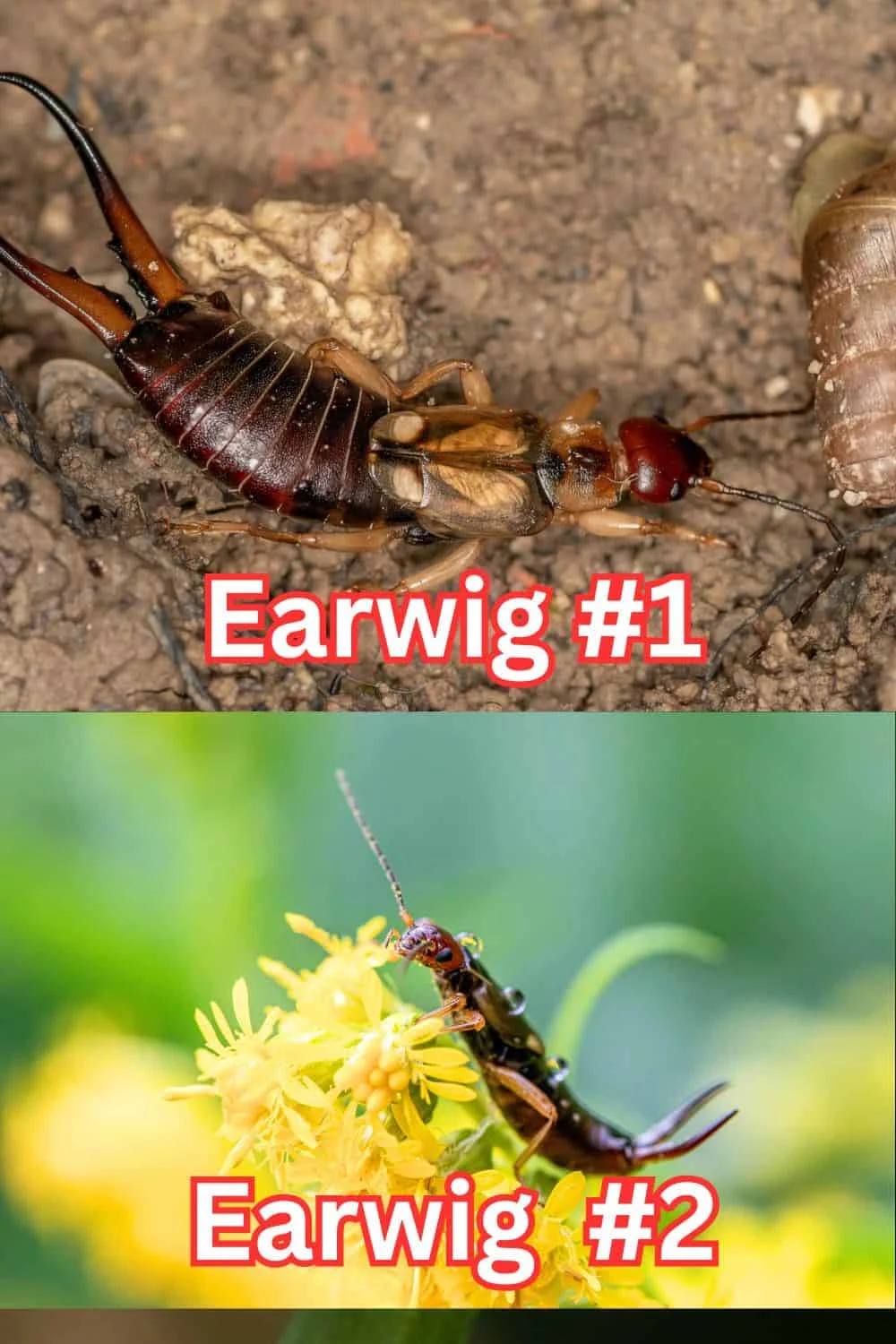
Earwigs thrive in the damp shelter September brings. They hide in mulch, under pots, and in plant debris by day, then come out at night to chew irregular holes in flowers, greens, and ripening fruit. A few are harmless, but heavy populations can shred seedlings and spoil harvests.
- Newspaper rolls: Dampen and roll up newspaper or cardboard. Place it in beds overnight, then shake earwigs into soapy water in the morning.
- Oil traps: Fill shallow cans with a mix of soy sauce and cooking oil. The smell lures earwigs, and the oil traps them.
- Pot trick: Invert flowerpots stuffed with straw or shredded paper. Earwigs crawl in to hide, making removal simple.
- Moisture control: Water in the morning so soil surface dries by nightfall. Earwigs prefer damp environments.
- Limit hiding spots: Clean up boards, dense mulch, and debris near beds to reduce their daytime shelters.
6. Grasshoppers

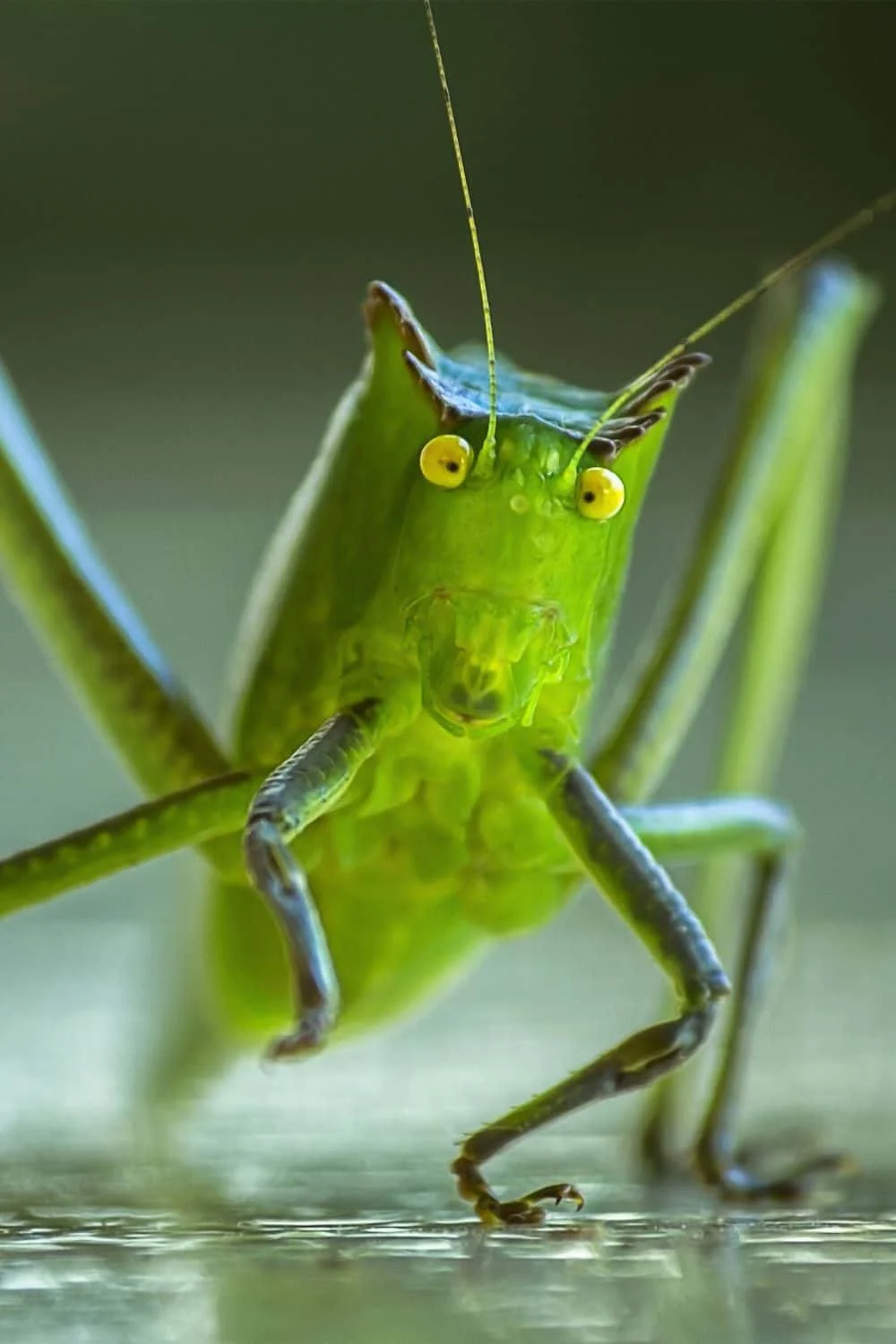
Grasshoppers often peak in late summer and early fall, especially in dry years. They chew through greens, beans, and ornamentals, leaving ragged leaves behind. Once established, they can strip plants quickly, making September vigilance essential.
- Row covers: Lightweight covers protect tender crops from feeding adults.
- Habitat control: Keep grass and weeds trimmed around garden beds. Tall vegetation is a breeding ground for grasshoppers.
- Encourage predators: Birds, toads, and beneficial insects like robber flies all feed on grasshoppers.
- Trap crops: Planting clover or tall grasses at the garden edge can lure grasshoppers away from vegetables.
- Moisture management: Water deeply but less often. Dry, stressed soil tends to attract more grasshopper activity.
7. Squirrels (Bonus Pest)

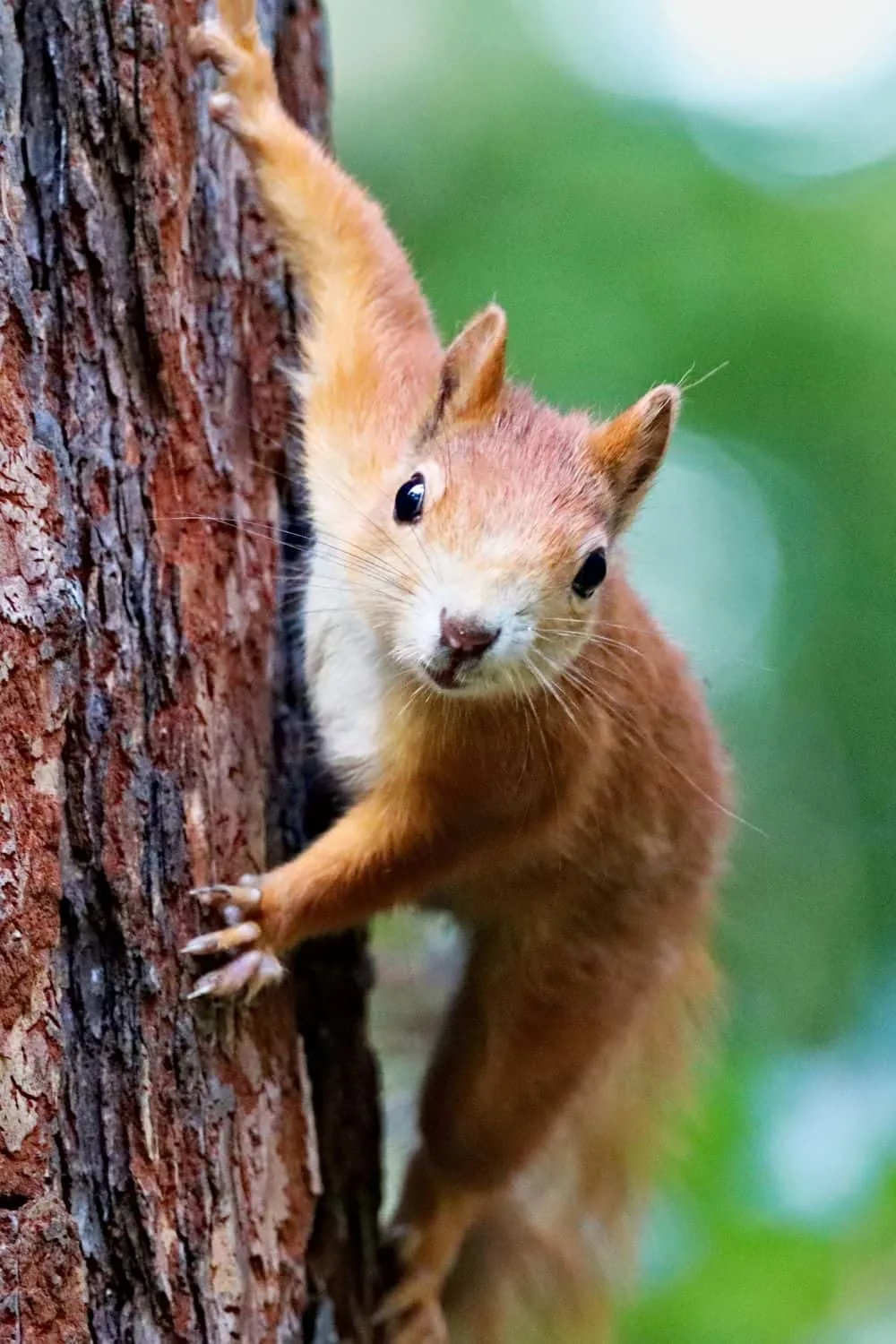
September flips squirrels into storage mode. They dig up bulbs, test tomatoes with a single bite, and bury acorns in your pots. Their activity spikes in fall as they stash food for winter, and gardens become their favorite pantry.
Oh, and in case you have missed it, read our article “10 Ways Gardeners Stop Squirrels, Ranked from Weakest to Strongest.”
- Bulb cages: Wire cages around tulip and crocus bulbs stop squirrels from digging them up.
- Chicken wire barriers: Lay mesh just under the soil surface in beds where squirrels dig.
- Motion sprinklers: A sudden burst of water startles them away from tomatoes and raised beds.
- Alternate plantings: Squirrels avoid daffodils and alliums, so mixing them in with tulips can protect vulnerable bulbs.
- Fall cleanup: Remove fallen fruit and nuts quickly to reduce temptations that lure squirrels in the first place.
Why September Pest Patrol Matters
Even as the garden slows, pests do not take a break. Stink bugs, cabbage worms, and their September allies are still at work, looking for one last feast before frost. Left unchecked, they can ruin harvests, weaken plants, and carry problems into next year.
Paying attention now saves crops and makes fall gardening easier. A few minutes with row covers, traps, or morning patrols is enough to tip the balance back in your favor. Stay ahead of them in September, and your garden will finish the season strong instead of limping into winter.
🌿 Key Takeaways
- 🪲 Stink bugs spike in September and damage ripening fruit.
- 🐛 Cabbage worms keep chewing brassicas until frost.
- 🌒 Cutworms and armyworms threaten tender fall seedlings.
- 🎃 Squash bugs linger late, weakening vines and fruit.
- 🦗 Earwigs and grasshoppers surge in fall gardens, chewing foliage and flowers.
- 🐿️ Squirrels dig, stash, and raid as they prepare for winter.
- 🌱 Quick action now keeps crops safe and gardens productive through the season’s end.
Frequently Asked Questions About September Pests
1. Do stink bugs survive the winter?
Yes. They overwinter in garden debris, under bark, or even inside homes. Cleaning up vines and weeds in fall reduces next year’s population.
2. How can I tell cabbage worm damage from slug damage?
Cabbage worms leave ragged holes and green droppings on leaves. Slugs make smoother holes and leave slimy trails behind them.
3. What crops are most at risk from cutworms in September?
Fresh seedlings like lettuce, kale, and spinach are prime targets. Cutworms chew through stems right at the soil line, killing young plants overnight.
4. Are earwigs always harmful?
Not always. A few earwigs help by eating decaying matter and aphids. Problems start when numbers grow large enough to damage greens, fruit, and flowers.
5. How do I keep squirrels from digging up bulbs?
Plant bulbs in wire cages or cover beds with chicken wire just under the soil. Mixing in daffodils or alliums also helps, since squirrels avoid them.


Daniel has been a plant enthusiast for over 20 years. He owns hundreds of houseplants and prepares for the chili growing seasons yearly with great anticipation. His favorite plants are plant species in the Araceae family, such as Monstera, Philodendron, and Anthurium. He also loves gardening and is growing hot peppers, tomatoes, and many more vegetables.