


By the time August arrives, your lawn has already been through months of heat, mowing, and dry spells. The growth slows, the color fades, and the blades feel thinner underfoot. It is not dead, but it is not in its spring prime either. This is the season when grass shifts from growing to simply hanging on.
Every choice you make now has a bigger impact than it did earlier in the year. The heat pulls moisture from the soil faster. Rain, when it comes, often vanishes before it sinks deep enough to matter. Even your regular lawn care habits can hit harder in ways you might not expect.
There is one habit in particular that can undo weeks of care in a single afternoon. It is quick, it is common, and it is something many gardeners do on purpose thinking it will help. In August, it does the opposite.
- Heat and sun stress the grass daily
- Moisture evaporates faster than earlier in the season
- Growth slows as grass shifts into survival mode
- Routine care choices can cause more harm than good
The Mowing Habit That Does the Most Damage
In August, the biggest lawn-killer is cutting the grass too short. It might seem harmless, even smart — less mowing, a tidier look, fewer clippings to deal with. But when the blades are cropped low in the heat, the roots lose their protection. The sun hits the soil directly, baking it dry and stressing the plant from the top down.
Short blades also mean less leaf surface for photosynthesis. The grass has less energy to repair itself, less strength to resist pests and disease, and fewer reserves to make it through the rest of summer. What starts as a neat trim can turn into a patchy, brittle lawn that takes all fall to recover.
This is why “scalping” the lawn in August is such a trap. You win a few extra days before the next mow, but you lose weeks of healthy growth in the process.
- Exposes roots and soil to harsh sun
- Speeds up moisture loss and heat stress
- Reduces the plant’s energy production
- Invites weeds and weakens the lawn for fall
Why Taller Grass Is Stronger Grass


When grass blades are left taller, they work like built-in shade for the soil. This natural cover slows evaporation, keeping the root zone cooler and moister for longer. That extra moisture means the grass does not have to work as hard to survive between waterings.
Taller blades also have more leaf area for photosynthesis. More photosynthesis means more stored energy, and that energy fuels root growth. Stronger roots dig deeper, pull in water from farther down, and recover faster after heat or drought.
As a bonus, taller grass makes life harder for weeds. It blocks light from reaching the soil, which stops many weed seeds from sprouting. It also gives your lawn a denser, lusher look without needing extra fertilizer.
- Shades soil to lock in moisture
- Boosts photosynthesis and energy storage
- Strengthens root growth for better drought resistance
- Suppresses weeds naturally
How High to Mow in August


The sweet spot for most cool-season grasses in August is between three and four inches. This height keeps enough leaf surface for healthy growth while still looking neat. If you have warm-season grass, you can keep it a little shorter, but never low enough that the soil is visible. Scalping is the fastest way to send your lawn into stress mode.
Adjust your mower deck to the right height and check it before each mow. Mower settings can shift over time, especially if you bump over roots or uneven ground. Keep blades sharp to avoid tearing the grass, which creates ragged edges that lose moisture faster and invite disease.
If your lawn is already stressed or patchy, err on the higher side. Letting the blades grow a bit longer now can help it bounce back more quickly once cooler weather returns.
- Cool-season grasses: 3–4 inches
- Warm-season grasses: 2–3 inches
- Never expose soil or scalp the lawn
- Keep mower blades sharp for a clean cut
Other Lawn Habits That Backfire in the Heat

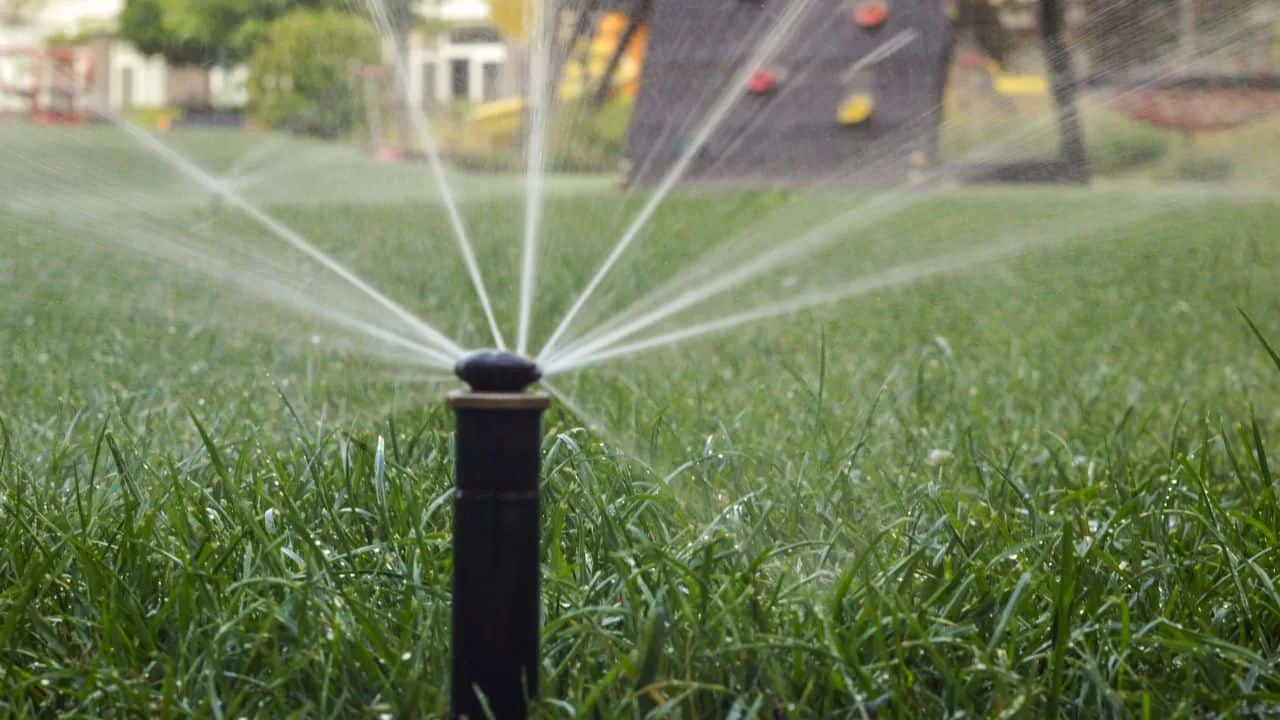
Short mowing is not the only thing that works against your lawn in August. Overwatering is another common misstep. Frequent, shallow watering encourages roots to stay near the surface, where they dry out quickly. Deep, occasional watering trains roots to grow down, where the soil stays cooler and wetter.
Fertilizing now can also do more harm than good. High-nitrogen feeds push out tender new growth that burns easily in the sun and drains energy from the roots. Save the fertilizer for early fall, when the grass is ready to grow again.
Bagging every clipping is a missed opportunity too. Grass clippings break down quickly, returning moisture and nutrients to the soil. Mulching them in place creates a natural layer of protection that helps the lawn through the last hot weeks of summer.
- Overwatering with frequent shallow sessions
- Fertilizing with high nitrogen during heat
- Bagging clippings instead of mulching them
- Skipping mower maintenance and using dull blades
Action Checklist for the Rest of Summer
Small changes now can carry your lawn through the hottest stretch of the year with less stress and less work. Start by raising your mower blades to the right height for your grass type. This single adjustment will protect roots, conserve moisture, and keep your lawn looking healthier.
Switch to deep, infrequent watering so the roots grow down where it is cooler. Leave clippings on the lawn to recycle nutrients and shield the soil. Hold off on big lawn projects like dethatching, reseeding, or heavy feeding until the cooler days of early fall.
By making these moves now, you set up your lawn for a stronger comeback when the heat finally breaks — and you save yourself unnecessary work in the meantime.
- Raise mower height to protect roots
- Water deeply but less often
- Leave clippings as natural mulch
- Postpone major lawn work until fall
The Small Change That Saves Your Lawn

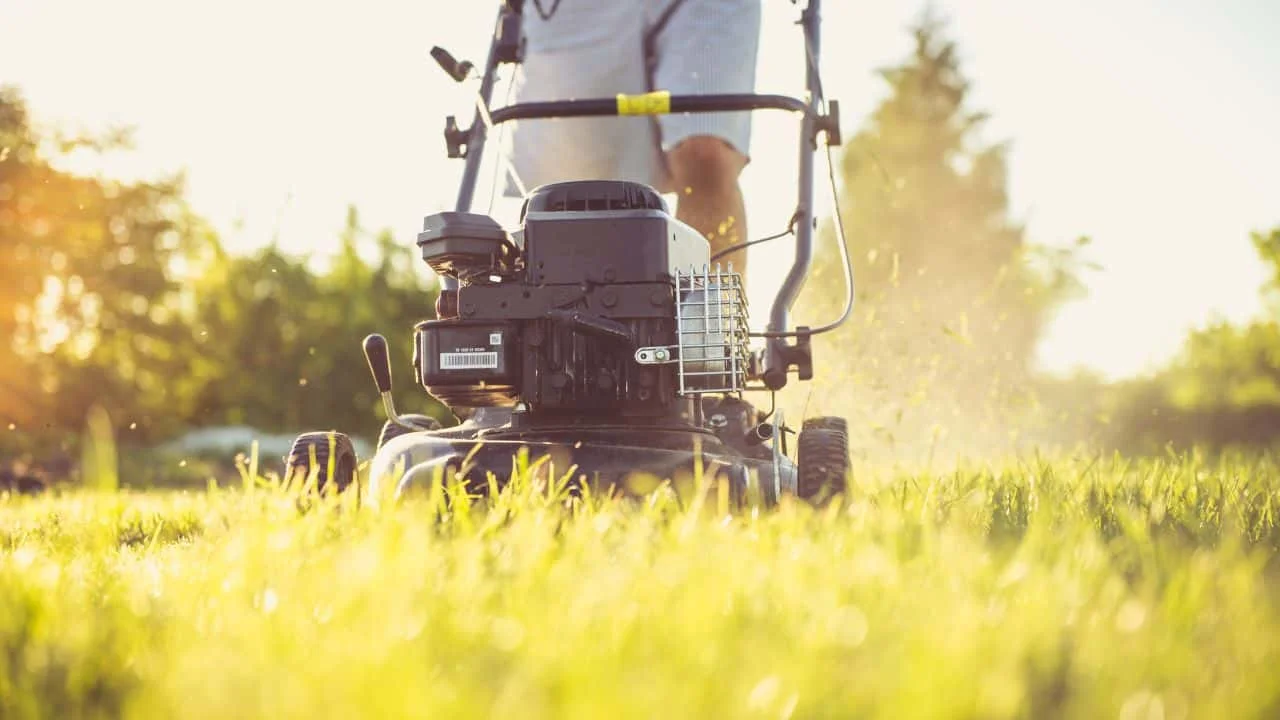
August is not the time to push your lawn harder. It is the time to protect it. Raising your mowing height now shields the roots from heat, locks in moisture, and gives the grass the energy to make it through the season’s toughest stretch. It is one of the simplest changes you can make, yet it has one of the biggest payoffs.
Instead of fighting the heat with more mowing, more watering, and more fertilizer, let your lawn rest and build strength. Come fall, you will have a thicker, healthier carpet of green that needs less repair and less work to look its best.
The extra inch you give your grass in August is the insurance policy that pays off when the weather finally turns.
- Raise your mower height to reduce stress
- Protect roots from heat and evaporation
- Delay major lawn projects until cooler weather
- Enjoy less work now and a healthier lawn later
🌱 Key Takeaways
- 🌞 August heat slows grass growth and puts lawns in survival mode
- 🚫 Cutting grass too short exposes roots, speeds evaporation, and weakens plants
- 📏 Aim for 3–4 inches for cool-season grasses and 2–3 inches for warm-season types
- 💧 Combine higher mowing with deep, infrequent watering for stronger roots
- 🍂 Hold off on fertilizing and major lawn work until fall for better recovery


Daniel has been a plant enthusiast for over 20 years. He owns hundreds of houseplants and prepares for the chili growing seasons yearly with great anticipation. His favorite plants are plant species in the Araceae family, such as Monstera, Philodendron, and Anthurium. He also loves gardening and is growing hot peppers, tomatoes, and many more vegetables.