

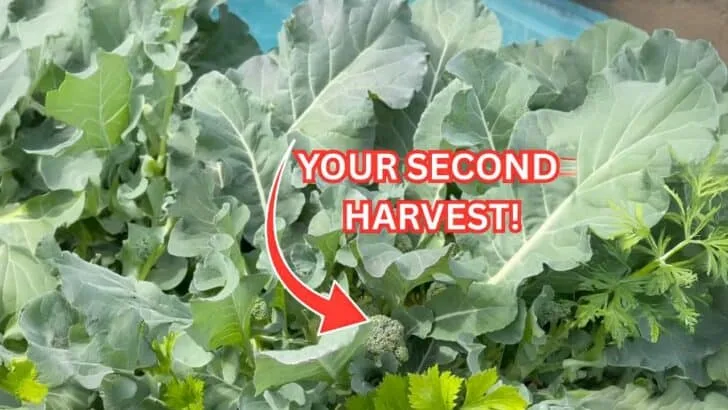
Most gardeners treat broccoli like a one and done crop. You cut the big central head, admire it, then pull the plant. That tosses away free food.
Broccoli has a second act. Once the main head is gone, side shoots wake up and start forming fresh mini heads. Cooler late August nights flip that switch and the plant gets busy again.
With a clean cut, steady moisture, and a quick feed, those “finished” stalks can produce for weeks. Ready for an encore in your own beds.
1. Do Not Pull the Plant After the First Harvest
The big central head of broccoli is just the start. Once you cut it cleanly, the plant does not shut down. Instead, it shifts its energy into producing smaller side shoots from the leaf nodes. These mini heads may not win beauty contests, but they taste just as good and they arrive in waves throughout the fall. Gardeners who rip out the stalk too early miss out on weeks of free food.
Treat that harvested broccoli plant like a workhorse that still has energy left in the tank. With a bit of patience, the side shoots can keep your harvest basket full long after most people think the season is over.
- Cut the central head cleanly to trigger side shoot growth.
- Leave the plant in place instead of pulling it after the first harvest.
- Expect multiple smaller harvests through the cool weeks of fall.
2. The Best Timing for Fall Broccoli
Broccoli thrives when the air is cool and the soil is steady. In late summer, heat slows it down, but once the nights drop into the 60s, the plants perk back up. That shift usually happens in late August and early September, which is when side shoots really start to form. If you keep the plants in the ground through the heat, they reward you as soon as the weather gives them the signal.
Patience pays here. Gardeners who time it right end up with steady side harvests just as most summer crops begin to fade.
- Watch night temperatures once they drop, side shoots will start forming.
- Late August to early September is prime time for fall broccoli growth.
- Leave plants in place until cooler weather triggers regrowth.

3. How to Recharge Broccoli After Harvest
After producing one big head, broccoli plants are drained. To get a second round of growth, you need to give them fresh energy. A side-dressing of compost or a balanced fertilizer wakes the roots back up and tells the plant it still has work to do. Water is just as important. Dry soil convinces broccoli to quit early, while steady moisture keeps it pushing out new shoots.
Think of it as recovery fuel. The plant has already run a marathon, and now you are handing it a sports drink so it can keep going through the cooler weeks.
- Side-dress with compost or use a balanced fertilizer after the first harvest.
- Water consistently never let the soil dry out completely.
- Healthy roots mean steady side shoots through fall.
4. The Cutting Trick That Doubles Your Broccoli
Harvesting broccoli is not just about the first cut. The way you handle side shoots decides how many more you will get. Snip them while they are still small and tight. This signals the plant to keep producing, almost like pruning encourages roses to bloom again. Let the shoots flower, and the plant thinks its job is finished.
Quick cuts keep the production line running. It may feel like small harvests at first, but together they add up to another round of broccoli without planting a single new seed.
- Cut side shoots young before they loosen or flower.
- Frequent harvests encourage the plant to send up more shoots.
- Skip a harvest and the plant will slow down production.
5. Planting a Second Broccoli Crop in Fall
Late August may feel like the season is winding down, but it is actually the last call for fall broccoli in much of the country. You will not have time to start from seed outdoors now, but transplants can still go into the soil and finish before frost in many regions. Broccoli matures in about 60 to 80 days from transplant, which means heads are ready in October or November if you plant now.
Gardeners in Zones 6 through 9 are in the best position. Tuck in seedlings this week, keep them watered through the last hot days, and they will reward you once the nights cool down in September. In Zones 4 and 5, it is usually too late for a full fall crop, but you can still enjoy side shoots on existing plants until frost. Warmer Zones 10 and 11, on the other hand, are just gearing up. In those regions, broccoli season really begins in late September.
- Zones 6–9: Transplant seedlings now for harvests in October and November.
- Zones 4–5: Focus on side shoots from existing plants, as it is too late for new crops.
- Zones 10–11: Wait until late September or October to plant, when heat subsides.
- Harvest window: 60–80 days after transplant, tighter and sweeter in cool fall weather.
A Hidden Fall Harvest
Broccoli does not have to be a one-hit wonder. The plants sitting in your beds right now still have plenty to give if you leave them in place, keep them watered, and harvest side shoots before they flower. And if you are in Zones 6 through 9, late August is your last window to tuck in a tray of seedlings for a true fall crop that will carry you into October and November.
Instead of ripping out tired stalks, think of them as little engines still waiting for cooler nights to kick back into gear. With a bit of patience and a quick boost of care, your broccoli patch can surprise you with a second round of harvests just when the rest of the summer garden is starting to fade.
🥦 Key Takeaways
- 🌱 Do not pull plants after the first harvest. Side shoots keep producing.
- 🌙 Cooler nights in late August trigger a second flush of growth.
- 💧 Feed and water consistently to recharge tired plants and keep them active.
- ✂️ Cut side shoots young to encourage more frequent production.
- 📅 Zones 6–9 can still plant seedlings now for a full fall harvest in October and November.
- ❄️ Zones 4–5 should focus on side shoots only, as it is too late for new plantings.
Frequently Asked Questions About Fall Broccoli
1. Can I still plant broccoli at the end of August?
Yes, if you are in Zones 6–9 and use transplants instead of seeds. Planting now gives you a good chance at a harvest in October or November. In colder Zones 4–5, it is too late for new plantings, but side shoots from existing plants can still be harvested until frost.
2. How long does broccoli take to mature in fall?
Broccoli generally takes 60 to 80 days from transplant to harvest. Cooler fall weather often slows growth slightly, but it also makes the heads sweeter and tighter.
3. Do I need to fertilize broccoli again after the first harvest?
Yes. A balanced fertilizer or compost side-dressing helps tired plants recover and fuels side shoot production. Without a boost, plants often stall out after the first head.
4. How often should I water broccoli in late summer?
Keep the soil evenly moist, especially through hot spells at the end of August. Dry soil causes stress and reduces side shoot growth. Aim for about 1 to 1.5 inches of water per week.
5. Can I harvest side shoots and a new head at the same time?
Not exactly. The central head only forms once, but after cutting it, the plant produces many smaller side shoots. Regular harvesting of these side shoots keeps them coming until frost.
6. Will broccoli survive frost in fall?
Light frosts actually improve the flavor, making the heads sweeter. Plants usually tolerate temperatures down to about 25°F, but repeated hard frosts will eventually shut them down.
7. Is fall broccoli better than spring broccoli?
Many gardeners think so. Fall heads are often tighter, more flavorful, and less prone to pests, since cooler weather reduces pressure from cabbage worms and aphids.
Daniel has been a plant enthusiast for over 20 years. He owns hundreds of houseplants and prepares for the chili growing seasons yearly with great anticipation. His favorite plants are plant species in the Araceae family, such as Monstera, Philodendron, and Anthurium. He also loves gardening and is growing hot peppers, tomatoes, and many more vegetables.