

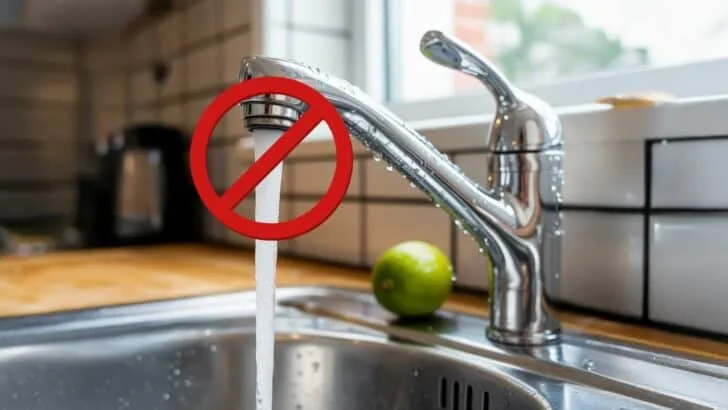
It rained last night. Just enough to leave puddles in the driveway. And somehow, your hostas look smug. Perky. Almost smugger than they ever do when you drag out the hose and give them a full soak. What gives?
The truth is, your plants have a preference. And it’s not the water you’ve been dutifully pouring out of a spigot. They want the good stuff. The sky stuff. The kind that doesn’t taste like pool water and fluoride and whatever else your city’s been treating it with.
This one switch won’t cost you a cent. But it might make your plants sit up straighter and bloom a little bolder. Let’s talk about why rainwater isn’t just free — it’s better. And why your watering can is about to get a serious glow-up.
🌧️ Key Takeaways from the Rainwater Article
- 💧 Rainwater is pure — no chlorine, fluoride, or salts that mess with your plants or soil.
- 🌱 Tap water can cause issues — buildup, compaction, and unhappy soil microbes over time.
- 💸 It’s completely free — even a quick storm can fill up buckets and cut your water bill.
- 🪣 You don’t need fancy gear — anything from a watering can to a kiddie pool will do.
- 🚫 Avoid runoff from treated roofs — and don’t collect the first few minutes of rainfall.
- 🌿 Use it beyond watering — mix it into compost tea, sprays, or rinse your harvests with it.
- 🌼 Plants respond fast — especially houseplants. Try it once and see the difference for yourself.
Tap Water Can Slowly Wreck Soil Health
Your plants might survive on tap water — but your soil doesn’t forget. Every drop carries trace minerals, salts, and additives. Over time, those build up. Salts crust over the top layer. Chlorine zaps the good microbes. Some hard water even messes with soil structure, tightening things where roots want room.
At first, things seem fine. Then one day, your basil looks tired, your peppers stall, and your container soil feels oddly stiff. It’s not random. It’s years of tiny chemical leftovers finally throwing a tantrum.
The worst part? You won’t know it’s happening until the damage is done.
Rainwater Is What Plants Were Made For
Plants didn’t evolve with a hose in their face. For millions of years, they’ve been sipping what falls from the sky — not what runs through pipes, chlorine, fluoride, and all. Tap water’s made for people. Rainwater is made for leaves, roots, and soil life.
When you switch, your plants notice. Houseplants perk up. Outdoor beds green faster. Even seedlings seem bolder. It’s like handing them a drink that actually tastes good for once.
Imagine drinking pool water every day and pretending it’s refreshing. That’s your plant with tap.
It’s Free, and Your Water Bill Will Notice
One decent rainstorm can do what your hose does all week — for free. Even a single downspout can fill a 50-gallon barrel in under an hour. If you’re watering containers, veggies, or flower beds regularly, that’s real savings. And the plants love it more anyway.
Think about how often you drag the hose around or refill the watering can. Now imagine scooping straight from a rain barrel instead — no guilt, no meter ticking up.
It’s not just about money either. The less treated water you use outdoors, the better for the environment. That’s a win-win.
You Don’t Need a Barrel to Start
Rain barrels are great — but they’re not the only way to get started. If you’ve got a bucket and a storm, you’re already in business. Place containers beneath your roofline, patio edge, or any spot where runoff collects. Even an old plastic tub can hold enough for a day’s watering.
Leave a watering can out with the lid off. Set a clean trash bin under an open sky. Kiddie pool you’re not using? Instant rain trap. You’ll be surprised how much you can catch with zero investment.
Just remember to keep your collected water clean. A fine mesh screen or even old window netting can keep leaves, bugs, and mosquitoes out.
When Rainwater Isn’t Ideal
Rainwater is usually a plant’s dream drink — but not always. If your roof has been treated with moss killers, antifungal coatings, or contains old lead paint, you’ll want to skip using that runoff on anything edible. Those chemicals don’t magically disappear when it rains. They trickle straight into your watering supply.
Also, avoid collecting the first few minutes of any rainfall. That’s when the “roof rinse” happens — bird droppings, pollen, dust, and roofing residue all get flushed off first. Let that initial gush drain away before you start collecting.
That said, even questionable runoff can still be useful. Use it on ornamental plants, shrubs, or your compost pile. Just don’t pour it on your lettuce bed.
Use Rainwater for More Than Just Watering
If you’re only using rainwater for thirsty roots, you’re missing half the magic. This stuff is liquid gold for every step of the garden routine. It mixes better with fertilizers and compost tea, makes foliar sprays gentler, and even helps you rinse your harvest without leaving behind chemical traces.
Plants absorb nutrients better when the carrier water isn’t loaded with chlorine, salts, or hard minerals. That means better uptake, fewer leaf burns, and happier greens all around.
Have houseplants? Use rainwater to flush out mineral buildup from the soil. Have delicate crops? Use it to dilute fish emulsion or seaweed sprays without the risk of “crispy tips.” Even your seed-starting trays will thank you.
Why It’s Time to Stop Reaching for the Hose
Here’s the thing — your plants aren’t asking for much. They don’t need fancy gadgets or miracle grow formulas. They just want what nature already meant for them: clean, chemical-free water from the sky. And you’ve got that on tap (well, technically off-tap) every time it rains.
Swapping even a few watering sessions a week for rainwater can make a huge difference. The leaves look perkier. The soil feels richer. The houseplants stop sulking. And yes — your water bill breathes a little sigh of relief, too.
You don’t need a full rain barrel setup to get started. Just a bucket, a bit of curiosity, and maybe a watering can left out during the next storm. Your plants will know the difference. And now, you do too.


Daniel has been a plant enthusiast for over 20 years. He owns hundreds of houseplants and prepares for the chili growing seasons yearly with great anticipation. His favorite plants are plant species in the Araceae family, such as Monstera, Philodendron, and Anthurium. He also loves gardening and is growing hot peppers, tomatoes, and many more vegetables.