


They’ve been standing there quietly for years. In the rain. In the snow. Watching you haul mulch, fight aphids, and talk to your tomatoes like it’s completely normal. You’d think they’d offer some help by now.
But garden gnomes? They’re tight-lipped little suckers. Smiling smugly while keeping all the good tricks to themselves. The stuff that really makes a garden tick? Buried deeper than a vole in August.
This list? It’s what they won’t tell you. Not because it’s dangerous. Just because they like to feel important. We’re talking compost hacks, fake fertilizer secrets, and why “messy” gardens often win. Seven sneaky tips the gnomes hoped you’d never learn.
1. Don’t Trust the Seed Packet Dates
Your gnome won’t admit this, but he’s been bought. Seed companies slap on “best by” dates like milk cartons, and your gnome just stands there like that makes sense for a tomato seed.
But here’s the truth: seeds don’t expire the second the calendar flips. Most of them last years longer — if you store them right. Tomato, pepper, and melon seeds often stay viable for 4 to 6 years. Lettuce, carrots, and onions? A bit shorter, but still generous. And some flowers practically live forever in a dry envelope.
The packet date is mostly there to get you to buy more. Your gnome knows it. He just won’t say it out loud, because he doesn’t want to admit you’ve been composting good seeds for years.
🧺 Bonus Tips
- Do a sprout test: Wrap 10 seeds in a damp paper towel. Seal it in a zip-top bag and leave it somewhere warm. If 7 out of 10 sprout, you’re good to go.
- Best storage: Airtight jar + dark cabinet = happy seeds for years. Add a little silica packet if you’re feeling fancy.
- Label wisely: Write the year you bought the seeds on the packet. Your future self will thank you next spring.
2. You Can Make Fertilizer from Weeds
Your gnome’s pretending he didn’t hear this. And honestly? He’s not wrong to avoid the bucket.
Weed tea smells like something that crawled out of a compost pile and gave up halfway. But it works. Big time. When you soak fresh weeds in water for a week or two, they release minerals and nutrients right back into the brew — the same ones they stole from your soil in the first place.
Strain it, dilute it, and give it to your plants. It’s basically liquid compost. Your tomatoes will throw a party. Your gnome will move three inches to the left and pretend he’s never seen that bucket before in his life.
🌿 How to Brew Weed Tea (Without Losing Friends)
- Use soft weeds only: Dandelion, chickweed, clover — avoid anything woody or thorny.
- Fill a bucket 2/3 full with weeds, top with water, and loosely cover.
- Let it sit 7–14 days. Stir every few days. Hold your nose.
- Strain and dilute: Mix 1 part weed tea to 10 parts water before using.
- Use on leafy plants: Great for greens, brassicas, and fast-growers.
3. Compost Likes the Weird Stuff
The gnome acts all prim and proper. But your compost pile? It’s into some strange things. Hair. Nail clippings. Flat beer. Even the dust bunnies from under the couch — as long as they’re not synthetic.
These oddball scraps might seem like trash, but they’re full of slow-release nutrients. Human hair is rich in nitrogen. Beer? It gives sluggish microbes a sugar jolt. And those fingernail trimmings? Keratin, baby. Your compost doesn’t care where the nitrogen comes from — it just wants to eat.
The gnome, of course, prefers crushed eggshells and banana peels. But deep down, he knows the freaky stuff works too.
🪱 Odd Things Your Compost Will Love
- Human hair: Scatter lightly to avoid matting. Great nitrogen boost.
- Nail clippings: Small, slow to break down, but totally fine to add.
- Stale beer or flat soda: Pour it in to wake up microbes.
- Shredded cotton fabric: Old t-shirts (100% cotton) are compost gold when cut up.
- Vacuum cleaner lint: Only if your carpet is natural fiber — no polyester allowed.
4. You Can Water Less If You Ignore the Surface
Your gnome watches the soil crack a little and immediately panics. “It’s dry!” he shrieks. “Get the hose!” But surface dryness is a lie. A very convincing lie.
What really matters is what’s happening below the top inch. If the soil is still moist two inches down, your plants are fine — even if the top looks like a salt flat. Overwatering is how you get root rot, fungus gnats, and plants that forget how to fend for themselves.
Stick your finger in the soil. Or use a chopstick if you’re feeling fancy. Moist? Walk away. Dry? Water deep and slow. Your gnome will look confused, but your roots will throw you a parade.
💧 Smarter Watering Tips
- The Finger Test: Push in two knuckles deep. If it’s damp, skip watering.
- Water deeply: Aim for long soakings less often. Shallow sips = weak roots.
- Morning is best: Reduces evaporation and mildew risk.
- Mulch helps: A 2-inch layer keeps moisture in and panic levels low.
5. Coffee Grounds Don’t Fix Everything
Your gnome’s been whispering it for years: “Just add coffee grounds. Plants love it.” And yes, in moderation, coffee grounds are useful. But moderation is not what happens when a gardener with a Keurig gets excited.
Too much coffee makes your soil acidic, compacted, and moldy. It can actually block seed germination and tie up nitrogen — the exact opposite of what you were going for. Your hydrangeas and blueberries? Sure. Sprinkle a little. But dumping a week’s worth of espresso sludge onto your tomatoes is a bad time waiting to happen.
Your gnome thinks he’s being helpful. But he drinks decaf, so what does he know?
☕ How to Actually Use Coffee Grounds
- Compost first: Best used as part of a balanced compost mix (no more than 20%).
- Sprinkle, don’t dump: Thin layers around acid-loving plants only.
- Avoid on seedlings: Fresh grounds can stunt growth and attract mold.
- Mix with browns: Always balance with dry materials like leaves or shredded paper.
6. Some Bugs Are Better Than Gnomes
Your gnome struts around like he’s single-handedly protecting your garden. But let’s be honest — he hasn’t moved in eight years, and your aphids don’t seem the least bit intimidated.
The real heroes? Bugs. Not the ones eating holes in your kale — the ones eating the bugs eating holes in your kale. Ladybugs, lacewings, hoverflies, parasitic wasps — they’re the unpaid security team working overtime behind the scenes.
Want more of them? Plant the plants they love. Umbel-shaped flowers like dill, fennel, and yarrow are like neon signs that say “Buffet Open.” The gnome can keep posing. These bugs get things done.
🐞 How to Recruit Nature’s Pest Control
- Plant dill, fennel, and yarrow: These attract beneficial insects like crazy.
- Skip the pesticides: Even organic sprays can kill the good guys.
- Leave a little mess: Hollow stems and leaf litter give bugs a place to hide and lay eggs.
- Add diversity: A garden with multiple plant types supports more helpful critters.
7. Your Garden Doesn’t Want to Be Perfect
The gnome dreams in rows. Symmetrical flower beds. Zero weeds. Not a leaf out of place. But real gardens? They laugh at that kind of order.
The messier your garden looks, the better it often functions. That tangled corner you haven’t weeded? It’s probably crawling with pollinators. The fallen petals and leaf litter? Mulch in disguise. And the “weeds” you’re side-eyeing? Some of them are fixing nitrogen or pulling minerals from deep in the soil.
Nature loves a bit of chaos. It’s how wild meadows thrive. So if your garden looks like a Monet painting exploded in slow motion? Good. You’re doing something right.
🌼 Embrace the Beautiful Mess
- Leave a wild patch: One corner for clover, dandelions, and whatever shows up.
- Skip the leaf blower: Fallen leaves feed soil life and protect roots.
- Weed selectively: Some “weeds” like purslane and chickweed are edible and beneficial.
- Enjoy the imperfections: Nature doesn’t use rulers — and neither should you.
The Gnomes May Never Forgive You
You’ve read their secrets. You’ve laughed. You’ve judged. And now? You’re about to outsmart the entire ceramic council of backyard overseers.
They’ll keep standing there — silent, smug, arms folded. But you? You’ve got compost full of hair, weed tea bubbling in a bucket, and seeds from 2021 still going strong. Your plants are thriving in chaos, your pests are being eaten alive, and your garden looks like it’s run by someone who knows stuff. Because it is.
The gnomes will recover. Probably. But if one of them suddenly tips over in the middle of the night… don’t say we didn’t warn you.

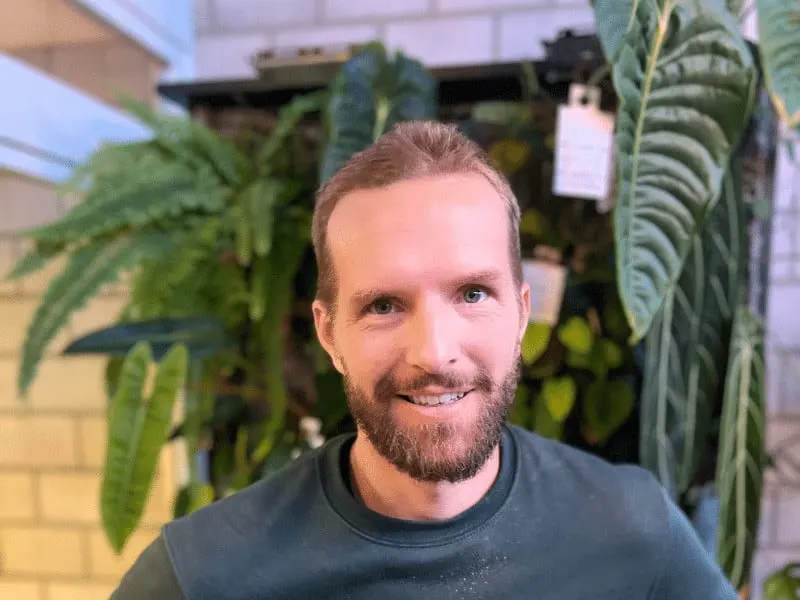
Daniel has been a plant enthusiast for over 20 years. He owns hundreds of houseplants and prepares for the chili growing seasons yearly with great anticipation. His favorite plants are plant species in the Araceae family, such as Monstera, Philodendron, and Anthurium. He also loves gardening and is growing hot peppers, tomatoes, and many more vegetables.