

You know what’s heavy? A hose. Especially when it’s 97 degrees, the sun is melting your eyelashes, and the garden is giving you that guilt trip look. We all start summer with good intentions. Water charts. Reminders. The optimism of a freshly filled can. But by July, most of us are one missed day away from declaring “survival of the fittest” and letting nature sort it out.
And guess what? That’s not lazy gardening. That’s smart gardening. Because there are plants that want you to forget about them. Plants that live for hot days, dry soil, and gardeners who prefer shade and lemonade over daily misting rituals.
This list is for those plants. The tough ones. The resilient ones. The “I’ll call you when I need you” types. Let them carry the summer while you sit back and enjoy the view.
🌿 Key Takeaways
- 💧 Choose drought-tolerant plants like sedum, yarrow, or rosemary to cut back on watering.
- 🪴 Many of these plants thrive on neglect — they like sun, poor soil, and dry feet.
- 📆 Even drought-lovers need some help — water deeply during extended dry spells or after planting.
- 🌞 Full sun is your friend — these plants are made for the heat and don’t want to be babied.
- 🧠 Smart plant choices = less stress — for your hose, your back, and your summer sanity.
1. Sedum: The Plant That Laughs at Drought

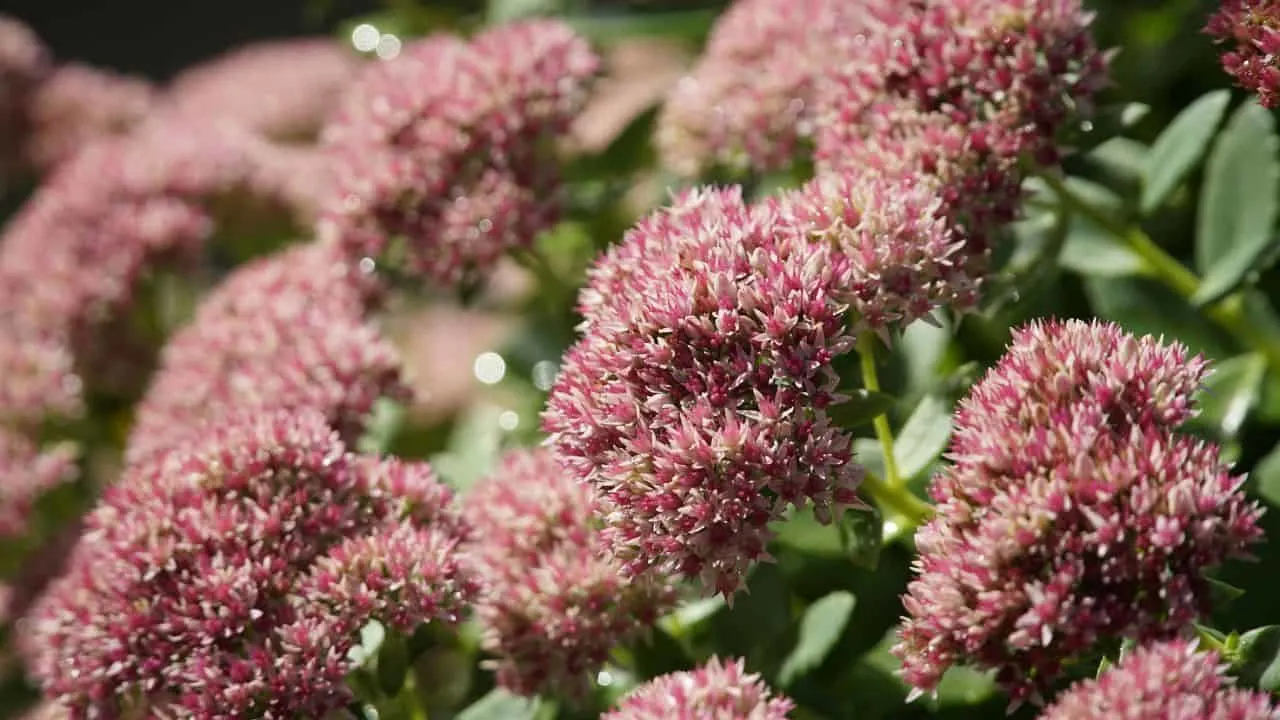
Sedum isn’t here to beg for water. It’s here to win. With thick, fleshy leaves that hoard moisture like a dragon hoards gold, this plant handles dry spells the way a cactus handles haters — by thriving anyway. Whether you’re dealing with a sizzling patio, a forgotten flower bed, or just a summer where the hose went missing, sedum stays unbothered. Some varieties creep, some stand tall, but all of them bring low-maintenance style with zero drama.
It blooms, too — sometimes with clusters of star-shaped flowers that pop just when everything else is giving up. Bees adore it. So do people who travel a lot or simply don’t want to babysit their plants. If you’ve got a sunny spot and a history of forgetting to water, this is your plant. It basically waters itself. Emotionally, at least.
💧 How Much Water Does Sedum Need?
- New plants: Water once a week until established (usually 2–3 weeks)
- Established plants: Water only during extreme drought or heatwaves
- Container-grown sedum: Check soil every 10–14 days — only water when bone dry
2. Lavender: Pretty, Fragrant, and Bone-Dry Tolerant
Lavender doesn’t just survive in dry soil — it *lives* for it. This is the kind of plant that thrives in gravel, bakes in full sun, and still manages to smell like a trip to the spa. Older gardeners love it for a reason: it’s tough, it’s tidy, and it basically waters itself (with a little patience). The bonus? Bees, butterflies, and every neighbor who walks by will fall in love with it.
Once it’s settled in, lavender becomes that independent friend who never texts back but somehow always shows up looking amazing. Give it good drainage, ignore it a bit, and it’ll reward you with blooms that last all summer — no sprinkler drama required.
💧 How Much Water Does Lavender Need?
- New plants: Water once a week for the first month, then back off
- Established plants: Water every 2–3 weeks during dry spells
- Biggest rule: If the soil’s still damp, skip the water — lavender hates wet feet
3. Yarrow: The Butterfly Magnet That Doesn’t Beg for Water
If yarrow were a person, it’d be the no-nonsense grandma with a garden full of blooms and zero time for whiners. This perennial spreads like a dream, blooms in soft pastels or bold brights, and laughs at heatwaves like they’re mild inconveniences. It’s also one of the best plants for pollinators — butterflies can’t resist it, and you won’t have to lift a finger.
Whether you go for classic white, sunny yellow, or something pink and feathery, yarrow holds its own in dry soil. Once it’s in the ground, it settles in like it owns the place. Forget to water it? Yarrow won’t even notice.
💧 How Much Water Does Yarrow Need?
- New plants: Water weekly until they’re established
- Established plants: Once every 2–3 weeks in extreme heat
- Pro tip: It actually flops if overwatered — less really is more
4. Russian Sage: The “I Forgot to Water” Champion

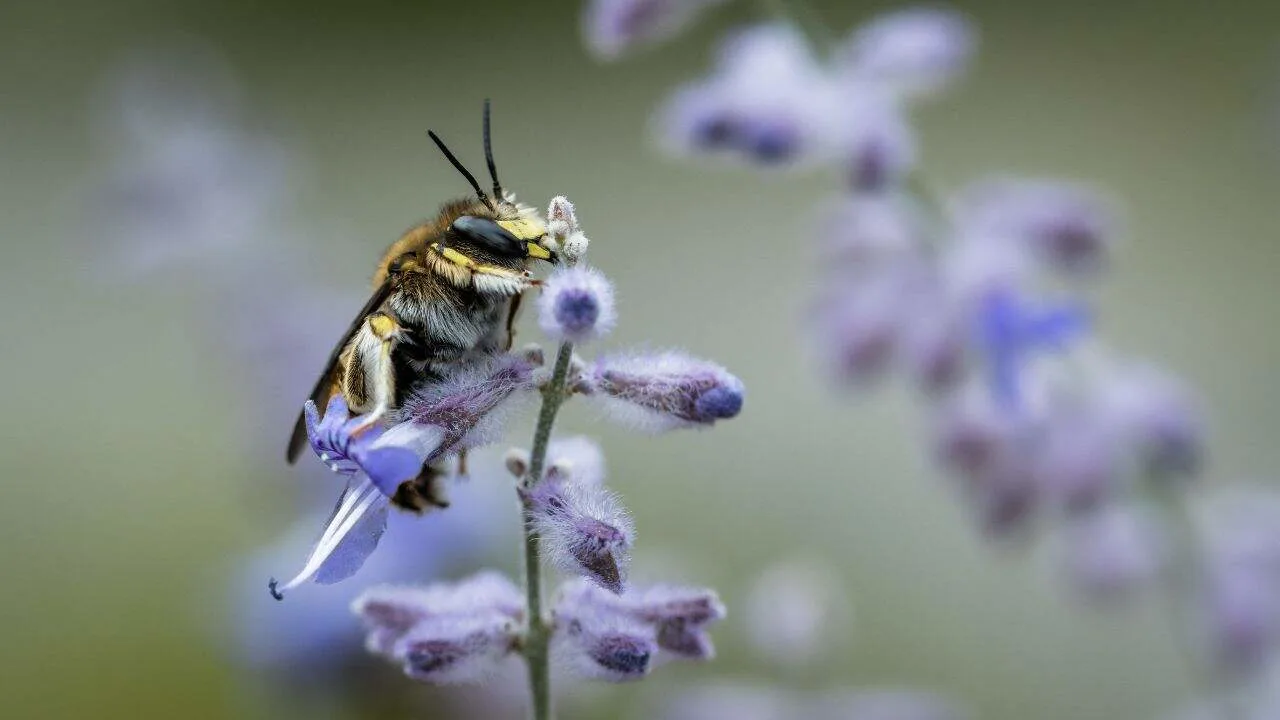
Russian sage looks like you fussed over it for hours, but really, it thrives on being ignored. With silvery stems and clouds of bluish-purple blooms, it turns even the driest patch of yard into a wildflower dreamscape. And it doesn’t care if it hasn’t rained in two weeks. In fact, it prefers it that way.
Deer? Not interested. Rabbits? Nope. Gardeners with better things to do? Perfect match. Once it’s settled, Russian sage wants sun, space, and to be left alone. Just don’t plant it in soggy soil. That’s the one thing it refuses to tolerate.
💧 How Much Water Does Russian Sage Need?
- New plants: Water once a week during the first season
- Established plants: Every 2–4 weeks in dry spells — or not at all if your soil drains well
- Pro tip: Skip the fertilizer. Dry, lean soil keeps it upright and thriving
5. Coneflower (Echinacea): For When You Want Color Without Commitment
If your garden’s looking a little too beige, coneflowers are here to fix that — without adding chores to your list. These bold, daisy-like blooms come in pinks, purples, and sunset shades, and they don’t flinch in the heat. Pollinators swarm them. Deer avoid them. You? You get to enjoy the show with zero guilt.
Coneflowers are native prairie plants, which means they’re built to survive droughts, bad soil, and gardeners who forget they planted something. Just give them sun and space, and they’ll keep coming back, year after year, like the friend who never takes anything personally.
💧 How Much Water Does Coneflower Need?
- New plants: Water weekly until they’re established (usually the first season)
- Established plants: Water every 2–3 weeks during extreme drought
- Pro tip: Too much water can lead to floppy stems — less is more
6. Black-Eyed Susan: Sunshine in Plant Form
Some plants demand compliments. Black-eyed Susans just show up and shine. These golden-yellow bloomers pop up like little suns, toughing it out through heatwaves, dry spells, and general garden chaos. They don’t ask for much, but they give plenty — bright color, happy bees, and serious staying power.
Perfect for borders, wildflower patches, or any spot where you want color without babysitting. They self-seed, come back year after year, and thrive in spots where other plants throw tantrums. It’s like gardening with a cheerleader that doesn’t need snacks or attention.
💧 How Much Water Does Black-Eyed Susan Need?
- New plants: Water weekly during the first growing season
- Established plants: Water every 10–14 days during dry periods
- Extra tip: Mulch around the base to help retain moisture and block weeds
7. Coreopsis: The Yellow Firecracker That Doesn’t Fizzle

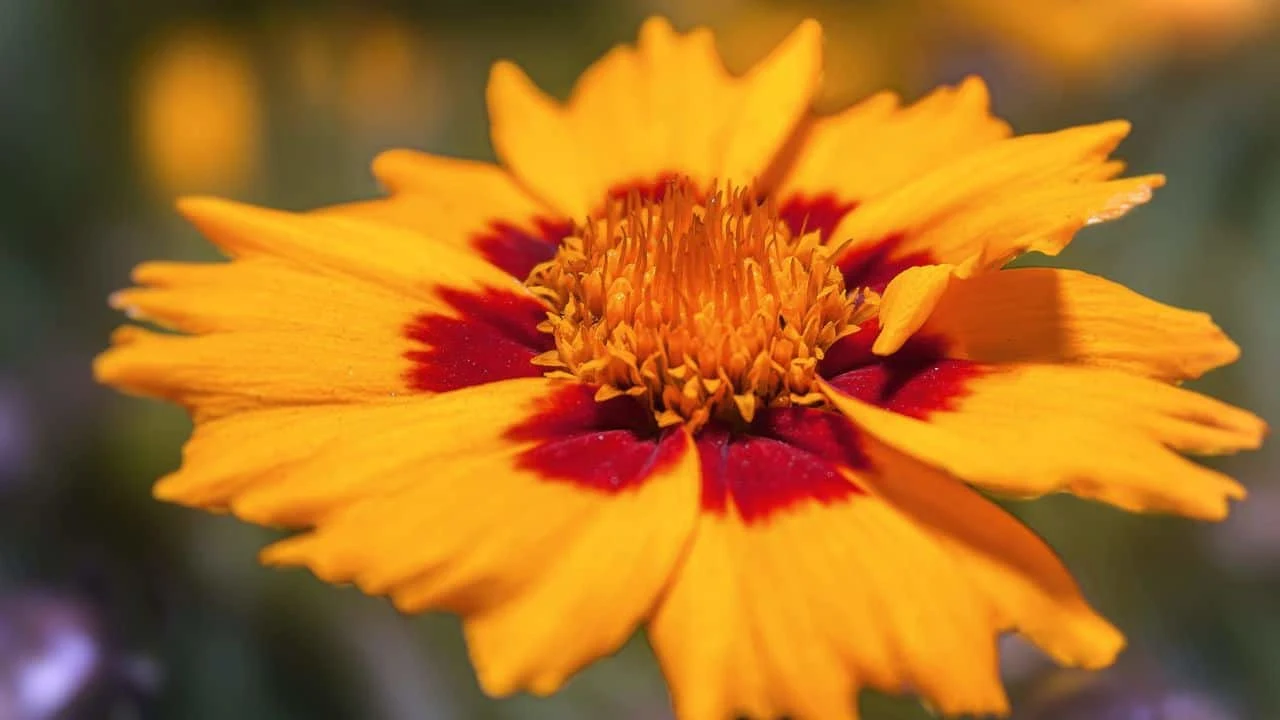
Coreopsis is what happens when sunshine decides to grow petals. These bright, daisy-like blooms just keep going — no drama, no drooping, no silent judgment when you forget the hose. They’ll flower from early summer through fall, even when your lawn is giving up and the hose is gathering cobwebs.
This is the ultimate set-it-and-forget-it plant. It shrugs off poor soil, shriveling heat, and stretches of zero rain like it’s on vacation. Plant a patch, blink twice, and suddenly the bees and butterflies have moved in and you’re the proud owner of a zero-effort pollinator garden.
💧 How Much Water Does Coreopsis Need?
- New plants: Water weekly until roots are well established
- Established plants: Water every 2–3 weeks if there’s no rain
- Bonus tip: Deadhead spent flowers to encourage nonstop blooming
8. Ornamental Grasses: Motion, Texture, Zero Guilt
If you want something that looks like you care without actually requiring you to care, ornamental grasses are your new best friend. They sway, shimmer, and add height and texture — all while thriving in the kind of dry, neglected soil that makes other plants file complaints.
From feathery feather reed grass to compact blue fescue and rugged little bluestem, these grasses can handle heat, drought, poor soil, and bad moods. They don’t want fertilizer. They don’t even need deadheading. They just want a sunny spot and the freedom to look effortlessly stylish.
💧 How Much Water Do Ornamental Grasses Need?
- Newly planted: Water once a week for the first month or two
- Established grasses: Water every 2–3 weeks in extreme heat — or don’t, they’ll cope
- Bonus tip: Cut them back in late winter or early spring for a fresh start
9. Rosemary: Cook With It or Just Let It Be

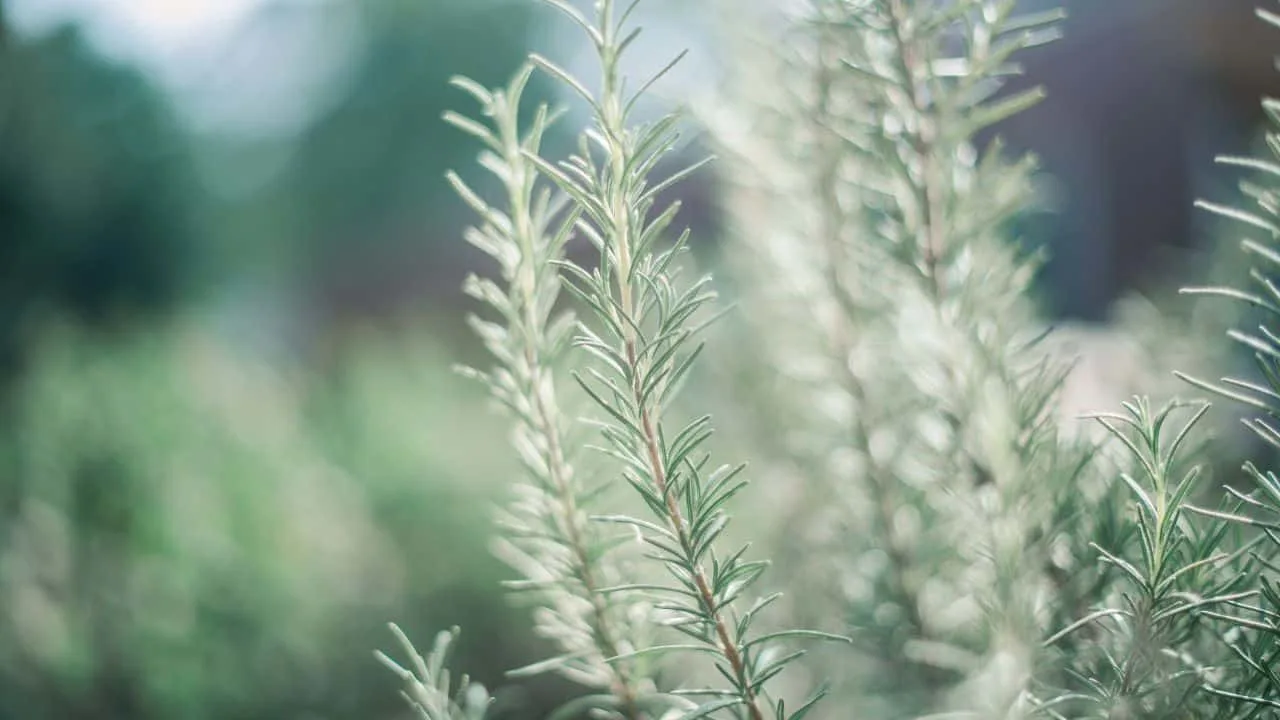
Rosemary doesn’t care about your watering schedule. It grew up in the rocky hills of the Mediterranean, where the sun is relentless and nobody brings a hose. It’s fragrant, evergreen, and somehow makes you feel like a better gardener just by being alive in your yard.
You can trim it into a hedge, let it sprawl, or ignore it entirely. It’ll still churn out aromatic leaves year-round. And if you want to impress someone with garden-to-table cooking? Snip a sprig, toss it on potatoes, and call yourself a chef.
💧 How Much Water Does Rosemary Need?
- Newly planted: Water weekly until established
- Once established: Water every 2–3 weeks in dry periods — less if it’s mulched
- Important: Let soil dry out between waterings to avoid root rot
10. Blanket Flower (Gaillardia): The Desert’s Favorite Showoff
Blanket flower looks like it belongs in a fireworks display. With petals that flare from gold to red and a center that screams “look at me,” it doesn’t just survive in heat — it performs. This is the plant for gardeners who like drama but hate babysitting.
Gaillardia thrives in poor soil, laughs at heatwaves, and blooms so long you’ll wonder if it’s solar-powered. It’s native to dry, sandy areas, which means it doesn’t flinch when rain forgets to show up for weeks. Bees and butterflies adore it. Deer, not so much.
💧 How Much Water Does Blanket Flower Need?
- Newly planted: Water every 5–7 days until established
- Once established: Water every 2–3 weeks during prolonged dry spells
- Bonus tip: Deadhead spent blooms to keep the party going
11. Zinnias (Once Established): The Tough Diva That Delivers
Zinnias are the kind of flowers that show up dressed for a party and don’t need help getting in. Bright, bold, and buzzing with bees, they light up dry gardens like confetti in the sun. Just don’t mistake the glitz for high maintenance — once they’re settled in, they’re tough cookies.
You’ll need to baby them a little at first. But once their roots are in, zinnias tolerate drought better than most people tolerate heat. They love full sun, hate wet feet, and bloom so generously they’ll make you look like a gardening genius with a hose allergy.
💧 How Much Water Do Zinnias Need?
- Newly planted: Keep soil consistently moist for the first 2–3 weeks
- Once established: Water deeply every 10–14 days, only if the soil is bone-dry
- Bonus tip: Avoid overhead watering — soggy leaves attract mildew
What to Plant If You Hate Watering
Your hose is tired. Your knees are sore. And your plants? They’d really prefer not to be coddled anyway.
This list isn’t for the daily spritzers or drip-system devotees. It’s for the rebels. The low-effort legends. The folks who want blooms without begging and green without groveling.
With the right plants, drought doesn’t mean defeat. It means freedom. Freedom to skip a day (or five). Freedom to travel. Freedom to sit on the porch and say, “Nope, they’ll be fine.”
Because they will be. You planted smart. And now your garden’s thriving on what little it gets — just like you, your coffee habit, and your stubborn will to keep things simple.


Daniel has been a plant enthusiast for over 20 years. He owns hundreds of houseplants and prepares for the chili growing seasons yearly with great anticipation. His favorite plants are plant species in the Araceae family, such as Monstera, Philodendron, and Anthurium. He also loves gardening and is growing hot peppers, tomatoes, and many more vegetables.