


Plant something now that you will not even eat. Wild idea, right. Yet this is the quiet September move that makes spring easy and your soil happy. While tired beds are begging for a nap, a green blanket can do the work for you.
Cover crops are living mulch and slow-release fertilizer in one. They guard bare soil from pounding rain, feed worms, block winter weeds, and return nutrients for next year’s tomatoes. You are not growing a harvest, you are growing better dirt.
September is perfect because the soil is still warm enough for quick germination and cool nights keep young plants sturdy. Toss seed, rake it in, water once, and let rye, clover, oats, or vetch clock in for the night shift.
If you have ever promised yourself a smoother spring, this is the moment to keep it. Your future beds will thank you with vigor instead of revenge weeds.
🌱 What Cover Crops Actually Are


Clover, a typical cover crop.
Think of cover crops as plants you grow on purpose without expecting a meal from them. They are living mulch, soil builders, and weed blockers all rolled into one. Farmers have used them for centuries, but they are just as useful in a small backyard plot or even raised beds. The goal is not harvest, but healthier soil for next year’s crops.
⏳ Why September Is the Perfect Time


Hairy Vetch, another excellent cover crop
September gives you a short but golden window to get cover crops in. The soil is still warm from summer, which means seeds germinate fast. At the same time, nights are cooler, so young plants grow sturdy instead of wilting.
That balance of warmth and cool makes for perfect establishment before frost sets in. If you wait until October in most zones, the soil cools too quickly and seeds just sit there, sulking instead of sprouting.
This is also the in-between season when your summer crops are finishing but your soil would otherwise be bare until spring. Bare soil loses nutrients in rain, blows away in wind, and becomes a playground for weeds. A quick sowing now fills that gap with plants that work quietly through fall and into early winter.
🌡️ Timing Tips for Success
- Count back 4–6 weeks from your expected hard frost. That’s your sowing deadline for most cover crops.
- Soil temperature matters: rye and clover germinate well in cooler soils, while oats prefer it a bit warmer.
- Late August through mid-September is prime time in zones 5–7. Zones 8–9 can wait until October. Zones 3–4 should start no later than early September.
- Raised beds warm faster than ground soil, so you can push your sowing date a week later there.
🌿 Cover Crops Benefit for Your Garden


Cover crops are like a free maintenance crew that never complains. Instead of leaving beds bare and vulnerable, these plants step in to protect and improve your soil while you take a break. Their roots hold soil in place against wind and rain, and their leafy tops shade out weeds that would otherwise get a head start before winter. Many even add nutrients back into the ground, saving you on fertilizer next spring.
Legumes like clover and vetch pull nitrogen from the air and fix it into the soil, giving your next round of veggies a ready-made boost. Grasses like rye and oats create dense root mats that stop erosion and build soil structure. As they decompose, they feed worms, microbes, and all the other underground allies your plants rely on. The result? Beds that are easier to work, richer in nutrients, and far less weedy come planting time.
🌱 Why They’re Worth It
- Weed control: thick growth smothers late-season weeds before they seed.
- Soil protection: roots prevent erosion, leaves block crusting and compaction.
- Fertility boost: legumes like clover fix nitrogen, feeding next year’s crops naturally.
- Soil life: decomposing cover crops feed earthworms and beneficial microbes.
- Moisture balance: residue left on the soil acts like mulch, keeping spring beds damp but not soggy.
📍 Best Cover Crops for Your Zone


Not all cover crops play the same role in every climate. The trick is to match the plant with your growing zone so it has enough time to sprout, thrive, and do its job before winter closes in. A clover patch that flourishes in Georgia may not survive Minnesota’s deep freeze, while rye that thrives in Vermont might grow too aggressively in Texas.
Choosing the right variety for your zone means less risk of failure and more payoff in spring. Here’s how to line up the right crop with your region:
🌎 Zone Guide
- Zones 3–5 (Cold Northern Climates): Winter rye and hairy vetch are hardy choices that germinate fast and survive deep freezes. Clover can work in raised beds with a bit of protection.
- Zones 6–7 (Mid-Atlantic & Midwest): Rye, oats, and crimson clover balance well here. Oats may winterkill, but that leaves an easy-to-plant bed in spring.
- Zones 8–9 (South & Lower West Coast): Cowpeas, clover, and vetch thrive in long warm falls. Oats can still be planted early in September.
- Zones 10–11 (Subtropical & Tropical): Stick to fast-growing options like cowpeas and buckwheat early in the season. Later in September, add clover or vetch once nights cool a bit.
🌾 How to Plant and Keep Cover Crops Thriving

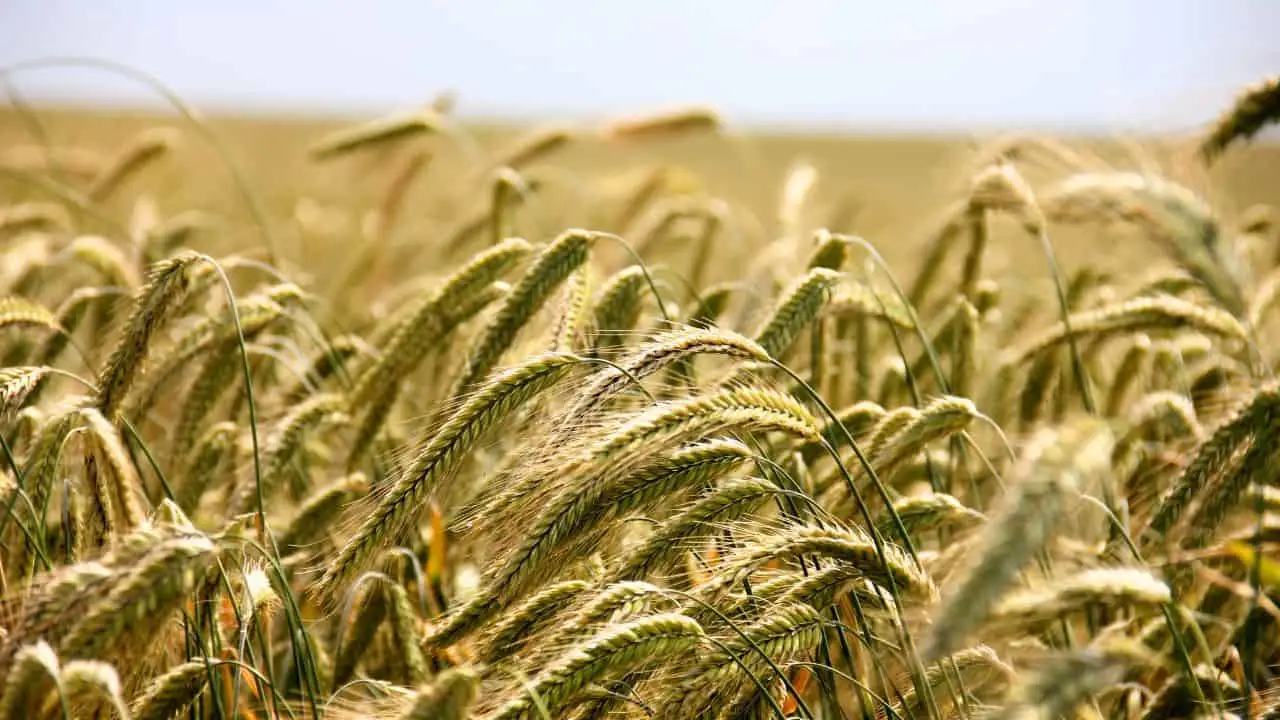
Cereal Rye, one of the most used cover crops in North America.
Planting cover crops is refreshingly simple compared to fussier vegetables. You are not babying them for harvest, just giving them a head start so they can do their soil-healing work. The idea is to blanket your soil quickly so weeds do not sneak in. Most cover crops are direct-seeded — no need for transplants or complicated schedules. Once they sprout, they mostly take care of themselves with minimal input from you.
The key is to make sure seeds have good soil contact and just enough moisture to establish. After that, they grow fast and begin protecting your garden almost immediately. Raised beds, garden rows, and even bare spots in lawns can all benefit from a quick sowing.
📌 Planting Steps
- Clear the area: Pull old crops, weeds, or debris so seeds get direct soil contact.
- Broadcast seed: Scatter evenly over the soil surface. No need for precision rows.
- Rake lightly: Cover seeds with about ½ inch of soil. Do not bury too deep.
- Water well: Give a good soak to help germination. Keep moist until sprouts appear.
- Maintain: Water occasionally in dry spells. Otherwise, let them grow without fuss.
Tip: Cover crops do not need fertilizer. Their entire job is to improve soil, not demand from it.
✂️ When and How to End Your Cover Crop
Cover crops are not meant to stick around forever. At some point, you need to transition them back into the soil so your spring vegetables have space to grow. The trick is to end them before they set seed but after they have done their work of protecting and enriching the soil. Timing matters — too early, and you lose some of the benefits. Too late, and you are wrestling with a jungle in spring.
The goal is simple: turn the living plants into organic matter that feeds your soil. Whether you chop, crimp, or till depends on your garden style, but all methods return nutrients and improve structure.
🔄 Ending Options
- Chop and drop: Cut plants at the base and leave them as mulch on top of the bed.
- Till in: Mix the plants directly into the soil so they decompose quickly. Best for hardy grasses like rye.
- Crimp: Flatten plants with a hoe or roller so they die back and form a dense mat. Works well for vetch and clover.
- Timing: Terminate 2–3 weeks before planting spring crops to allow decomposition and avoid nitrogen lock-up.
🚫 Common Cover Crop Mistakes to Avoid
Cover crops are forgiving, but there are a few traps gardeners fall into that can undo the benefits. The biggest mistake is waiting too long to plant. If you toss seeds into cold soil in October in northern zones, they may never sprout. Another misstep is picking the wrong crop for your climate — rye will thrive in Vermont but flop in Florida, while cowpeas love the South but die instantly in a northern frost.
And perhaps the sneakiest mistake is letting cover crops go to seed, which turns your helper plants into next year’s weeds. Think of cover crops as short-term workers. They have a job to do, but they are not meant to become permanent residents in your beds. Plant on time, choose wisely, and manage them before they get out of hand.
⚠️ Mistakes to Watch Out For
- Planting too late: seeds will not sprout if the soil has already cooled too much.
- Wrong crop for your zone: know what thrives in your climate before sowing.
- Letting them set seed: weeds are born when cover crops are ignored too long.
- Forgetting termination: do not wait until spring to chop them, or you will have a battle on your hands.
🌟 Best Beginner Choice

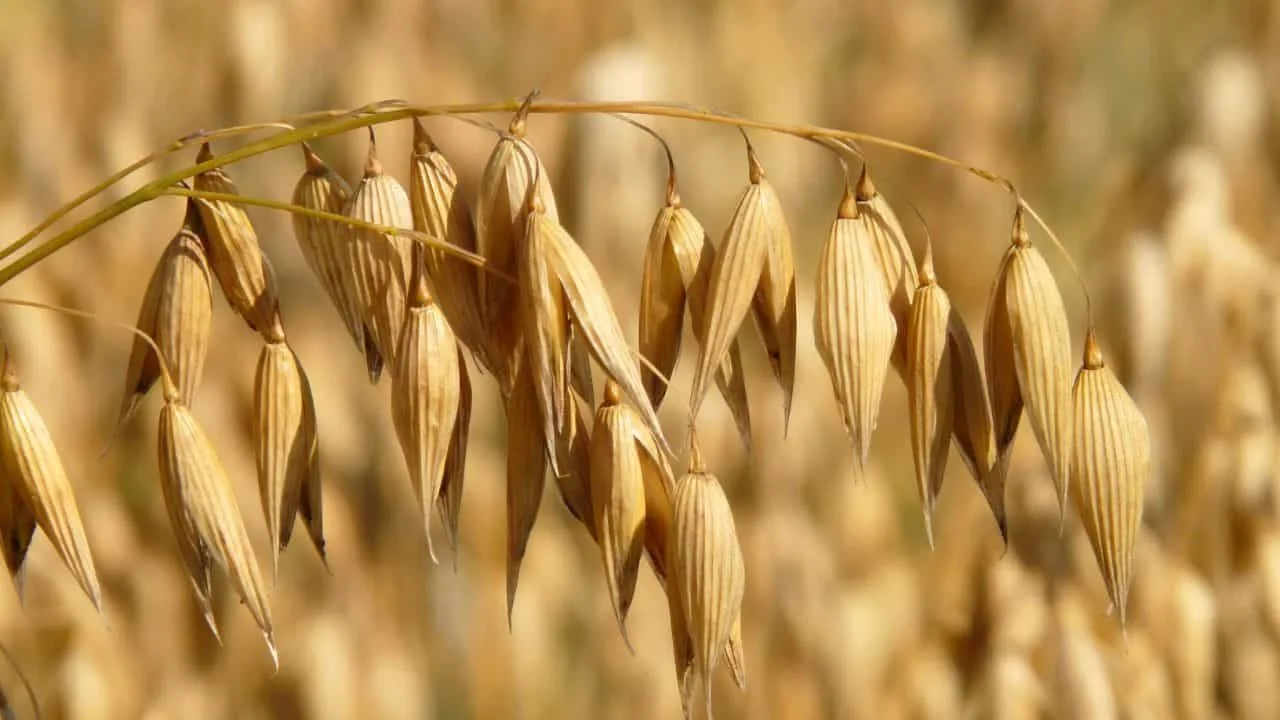
Oats are a great beginner cover crop
If you are new to cover crops and do not want to overthink it, start simple. Choose one easy option that is almost foolproof and see how it works in your garden. You will learn a lot just by watching it grow and how your soil looks next spring.
👍 Safe Picks for Beginners
- 🌾 Winter Rye: Super hardy, fast-growing, survives cold winters. Perfect for northern zones.
- 🍀 Crimson Clover: Adds nitrogen, attracts pollinators in spring, easy to chop down.
- 🌱 Oats: Germinate quickly, winter-kill in cold zones, leaving an easy-to-manage mulch.
Tip: If you are unsure, oats are the simplest starter crop. They sprout fast, cover bare soil, and die back naturally in winter without needing special care.
The Smartest September Step
September is not just the time to tidy up the garden. It is your golden window to set the stage for next year’s success. A few handfuls of cover crop seed now can mean richer soil, fewer weeds, and an easier start when spring rolls around. This is one of those “do it now or regret it later” jobs that pays back in spades.
You do not need to overhaul your whole garden to see the difference. Try a patch of rye in one bed or sprinkle clover in a bare spot. Come spring, you will see healthier soil and sturdier plants thanking you for the effort you made today.
🌿 Key Takeaways
- 🌱 Cover crops are living soil helpers — they protect, enrich, and prepare your beds for spring.
- 📆 September is the sweet spot for planting. Soil is still warm enough for quick germination before frost.
- 🌎 Choose the right crop for your zone — rye for cold areas, cowpeas or vetch for the South.
- ✂️ End them at the right time — before they set seed and at least 2–3 weeks before spring planting.
- 💰 Low cost, big reward — a handful of seed now saves you fertilizer and weeding headaches later.
❓ Frequently Asked Questions About Cover Crops
🙋 Common Questions Gardeners Ask
- Do cover crops work in small gardens?
Yes. Even a raised bed or a single cleared patch can benefit from clover or rye. They fit anywhere bare soil would otherwise sit exposed. - Do I need special tools to plant cover crops?
No. Broadcasting by hand and raking lightly is enough. You just need seed-to-soil contact and a bit of water. - Will cover crops steal nutrients from my soil?
Not if terminated on time. They pull up nutrients while growing, then release them back when cut down or tilled in. - What if I forget to kill them in spring?
If left too long, some crops like rye can get tough and hard to manage. Chop or crimp before they flower to keep them manageable. - Can I mix cover crop seeds together?
Absolutely. Mixtures like rye + vetch or oats + clover give you both quick growth and nitrogen-fixing benefits. - Do cover crops attract pests?
Generally, no. They are more likely to reduce pest pressure by breaking disease cycles and providing healthy soil for stronger plants. - Do I still mulch if I plant cover crops?
Once cover crops establish, they act as a living mulch. In fact, they outcompete weeds better than most bagged mulches.


Daniel has been a plant enthusiast for over 20 years. He owns hundreds of houseplants and prepares for the chili growing seasons yearly with great anticipation. His favorite plants are plant species in the Araceae family, such as Monstera, Philodendron, and Anthurium. He also loves gardening and is growing hot peppers, tomatoes, and many more vegetables.