

There are two types of people in this world. Those who can sit outside in summer like civilized humans, and those who become an all-you-can-eat buffet the second they step onto a lawn. If you’re in group two, welcome. We itch in solidarity.
Now, you could spray yourself with something that smells like melted plastic and regret, or you could try something that looks good, smells even better, and doesn’t require a hazmat suit to apply. Yes, it’s a plant. No, it’s not garlic. (You’re thinking of vampires.)
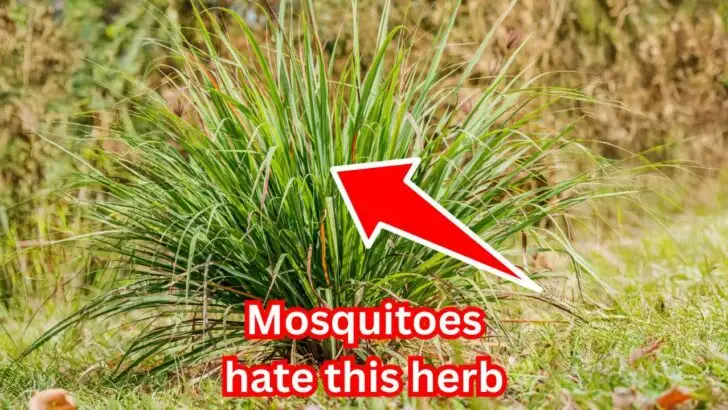
There’s one herb in particular that mosquitoes absolutely hate. It’s got great hair, a citrusy attitude, and a reputation for keeping bugs out of your business. Let’s talk about it.
🌿 Key Takeaways
- 🦟 Lemongrass repels mosquitoes thanks to citronellal — the compound they can’t stand.
- 🌞 Full sun is non-negotiable. Less than 6 hours, and it gets sulky.
- 💧 Moist but well-draining soil keeps it happy. Soggy roots will wreck it fast.
- 🪴 It grows well in pots and looks great near patios and doorways.
- 🌿 You can rub the leaves on your skin or burn them in fire pits for extra repellent power.
- 🌸 Other good mosquito-repelling plants include lavender, basil, mint, rosemary, and catnip.
Meet the Herb: Lemongrass (a.k.a. Mosquito Public Enemy #1)
Lemongrass (Cymbopogon citratus) looks like a bunch of grass that had a glow-up. Long, elegant blades, a clean lemony scent, and a secret weapon hidden in its stalks: citronellal. That’s the compound mosquitoes can’t stand. It messes with their ability to smell you, which, frankly, is a public service.
Now, just to be clear, citronella oil — the kind used in candles, sprays, and those questionable backyard torches — doesn’t actually come from citronella plants. It comes from lemongrass. The plant itself is the real MVP, not the candle wax that pretends to be useful until the wind blows.
Plant it near your patio, doorway, or seating area, and it’ll quietly go to war for you. No buzzing, no swatting, no “Did I just eat a bug?” moments. Just you, your lemonade, and peace.
How to Grow It Without Screwing It Up
Lemongrass isn’t picky, but it does have standards. Give it warmth, light, and a bit of room to stretch, and it’ll thrive like it’s living at a tropical spa.
- Sunlight: Full sun or bust. It wants 6+ hours of direct sunlight. If your patio’s shady, pick a different diva.
- Water: Keep the soil moist, especially while it’s getting established. Dry spells make it cranky.
- Soil: Well-draining with decent nutrients. If your soil holds water like a sponge, fix that or pot it up.
- Climate: Lemongrass is a tropical plant. If temps drop below 40°F (4°C), it checks out. Grow it as an annual in cooler zones or bring it inside before frost.
- Container Option: No yard? No problem. Lemongrass does great in large pots. Just make sure the pot has drainage holes — root rot is real and unforgiving.
Give it a good start, and you’ll be harvesting stalks (and enjoying mosquito-free evenings) in no time.
How to Use It Without Turning Into a Witch Doctor
Alright, you’ve planted it. It’s thriving. You’re proud. Now what? Lemongrass isn’t just nice to look at — it’s functional. Here’s how to make the most of it without needing a degree in herbal alchemy.
- Plant Placement: Stick it in pots near patios, doorways, windows, or wherever mosquitoes like to hover. Think of it as bodyguards in leafy form.
- Leaf Rubdown: Snap a blade, roll it between your fingers, and rub the oils onto your arms and ankles. Yes, really. It’s like natural bug spray, minus the lab smell.
- Fire Pit Boost: Toss a few stalks into your fire pit or chiminea. The smoke will carry the scent and help clear the air — literally.
- DIY Spray: Simmer chopped lemongrass in water, strain it, and pour into a spray bottle. It’s not industrial-strength, but it smells great and keeps the worst offenders at bay.
And if you’re wondering — yes, you can also cook with it. But that’s another article.
Other Plants That Pull Their Weight
Lemongrass might be the star, but it doesn’t have to fight solo. There are a few other green allies that make life harder for mosquitoes and nicer for you:
- Lavender: Smells lovely, looks great, and makes mosquitoes run for the hills. Also repels stress. Bonus.
- Mint: Easy to grow, harder to contain. It spreads like gossip. Plant it in pots unless you want a takeover.
- Basil: Particularly Thai basil and lemon basil. Great for pasta, terrible for mosquitoes. Win-win.
- Rosemary: Aromatic, drought-tolerant, and mosquito-unfriendly. Also makes grilled food taste better, which feels relevant.
- Catnip: Even more effective than DEET in some studies. Downside: you may attract every cat in the neighborhood.
Mix and match a few of these in your garden or balcony setup, and you’ve basically created a botanical force field. Just don’t expect it to stop wasps. Nothing stops wasps.
Let Your Plants Do the Swatting
You don’t need a fog machine or a chemical arsenal to keep mosquitoes off your ankles. Just a smart plant choice, a little sun, and the willingness to let nature handle some of the dirty work.
Lemongrass is low-maintenance, good-looking, and actually useful — basically everything that citronella candle promised to be but wasn’t. And the best part? You can grow it in a pot, rub it on your skin, or throw it in your cooking. It’s pulling more weight than half the stuff in your garden already.
Try it. Plant one. See what happens. Worst case, you end up with a beautiful, fragrant herb and one fewer excuse to stay indoors all summer.


Daniel has been a plant enthusiast for over 20 years. He owns hundreds of houseplants and prepares for the chili growing seasons yearly with great anticipation. His favorite plants are plant species in the Araceae family, such as Monstera, Philodendron, and Anthurium. He also loves gardening and is growing hot peppers, tomatoes, and many more vegetables.