

By October, most gardeners are tired. The harvest is done. The weeds have won. The beds look like they’ve seen things.You clean up what you can. You dump the last tomatoes. You pull the half-dead basil. And then, like every year, you wonder what’s next.
Should you add something to the soil? Feed it? Cover it? Or just leave it alone until spring comes back around? The truth is, there’s one thing your garden needs right now. Not compost. Not fertilizer. Not anything from the store. Most people ignore it. Or worse, they throw it away. But if you use it right, your soil ends up stronger, softer, and far better prepared for what’s ahead.
🌿 Key Takeaways
- 🍁 Shredded leaves are a free, powerful soil booster that feed microbes, improve structure, and prevent erosion over winter.
- 🛑 Bare soil is vulnerable — it loses nutrients, compacts easily, and invites weeds. Always cover it.
- 🌀 Shred before spreading — whole leaves mat down and take longer to break down.
- 🪴 Apply 2–3 inches after cleaning up beds. Don’t pack it. Just layer it on and leave it be.
- 🌳 Use leaves from trees like maple, birch, ash, and fruit trees. Avoid black walnut, eucalyptus, and anything diseased.
- 🔥 Want to supercharge it? Add a bit of compost underneath for faster breakdown and early spring nutrients.
🍂 The Secret? Shredded Leaves
Yes. The stuff you’ve been raking into bags and dragging to the curb for the last three weekends. That’s what your soil is quietly asking for right now.
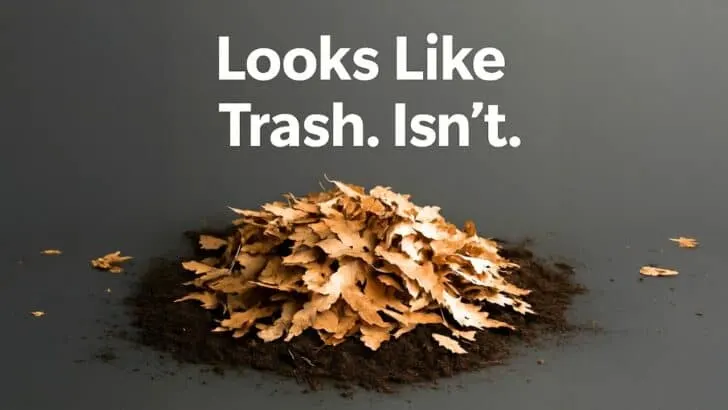
Shredded leaves are one of the best things you can add to your garden before winter. They feed the soil. They insulate it. They hold moisture. They prevent erosion. They break down into soft, rich organic matter that makes spring planting easier — and your plants happier.
They’re not just mulch. They’re a long-term investment. While synthetic fertilizers disappear with the first rain and store-bought compost takes months to kick in, shredded leaves start helping the moment they hit the ground.
Worms love them. Microbes love them. And your plants? They come back stronger, with roots that reach deeper and beds that feel alive instead of crusty and compacted.
🍁 Bonus Tip: Shred your leaves before using them — a simple run-over with a mower works. Whole leaves can mat down and smother the soil, but shredded ones break down faster, breathe better, and stay in place. You can also mix in a little grass or spent plants for extra nitrogen, which speeds decomposition over winter.
Don’t let good material go to waste. If it’s falling from your trees, it should be feeding your garden. Bagged leaves aren’t trash. They’re treasure.
🪴 How to Use Shredded Leaves the Right Way
You don’t need to overthink this. But a few small steps will turn that pile of leaf scraps into premium soil-building material instead of a soggy, moldy mess.
First, shred them. Whole leaves will clump and block airflow. Shredded ones form a fluffy layer that breaks down faster and lets water through. You can use a mower with a bag, a leaf vacuum, or even run over the pile a few times. No fancy gear needed.
Next, clear out the beds. Pull dead plants. Cut back what needs cutting. If you’re overwintering garlic, kale, or herbs, just mulch around them. The rest gets a clean slate.
Now, layer it on. Spread your shredded leaves 2 to 3 inches deep over bare soil. Don’t pack it. Let it breathe. You want coverage, not compression.
Then? Leave it alone. The leaves will settle, shift, and start to break down all winter. Come spring, you can rake them aside to plant — or turn them into the topsoil if they’re already soft and crumbly.
📦 Don’t Overdo It: Avoid layering leaves more than 4 inches thick, especially if they’re still a bit wet. Too much mulch can lock in moisture and suffocate your soil. If in doubt, aim for thin but even coverage — and skip the corners where it tends to pile up.
Your soil doesn’t need perfection. Just attention. A few inches of the right stuff in fall saves you a lot of digging, weeding, and head-scratching in spring.
🍁 The Good Leaves, The Bad Leaves, and the Ones to Keep Out
Most leaves? Totally fine. Some are garden gold. And a handful should stay far, far away from your soil.
The best leaves come from trees like maple, birch, ash, apple, and poplar. They’re quick to break down, full of minerals, and perfect for soil structure. Oak is slower, but still great when shredded and applied lightly. No need to overthink it — if it falls in autumn and it’s not greasy or tough, it’s probably useful.
But a few leaves carry baggage.
- 🖤 Black walnut: Its chemical juglone can kill or stunt nearby plants — skip it.
- 🌿 Eucalyptus: Smells amazing. Bad for soil biology. Leave it out.
- 🍂 Moldy or diseased leaves: Don’t gamble. These can spread issues that take out your spring garden before it starts.
If you’re raking from your yard, it’s easy to sort. If you’re collecting from neighbors? Peek inside the bags first. A few seconds of caution saves a season of regret.
🍂 Leaf Collector’s Trick: Ask neighbors for their bagged leaves — most are thrilled to get rid of them. Just check for black walnut, diseased spots, or anything slimy before using. Free mulch is only good mulch if it plays nice.
The leaves are already falling. You just need to be a little choosy about which ones you invite into your soil.
🕳️ Why Bare Soil Is the Enemy
So you’ve cleared the beds. Tossed the weeds. Pulled the last tomatoes. And now it’s just clean, brown soil. Looks tidy. Feels done. But here’s the truth:
That bare dirt? It’s vulnerable. To everything.
Rain compacts it. Wind dries it out. Sun bakes it. And come spring, you’re left with a crusty, clumpy mess that’s hard to dig and even harder to grow in. Worse? Every square inch of bare earth is an open invitation for weeds. And not the cute ones.
Exposed soil also loses nutrients. Water runs off instead of soaking in. Microbes go quiet. Worms move out. It becomes lifeless — fast.
Nature never leaves soil bare. Ever. Forests drop leaves. Prairies drop stems. Even weeds do a better job protecting the ground than we do.
🛡️ Garden Armor Tip: If you don’t have shredded leaves, use straw, grass clippings, compost, or even cardboard to cover your soil for the winter. Anything is better than nothing. Think of it like putting a blanket over your beds before a long nap.
Bare soil might look clean, but it’s not safe. Cover it, feed it, protect it. Spring-you will be so glad you did.
🌱 What’s Happening Underneath All Winter Long
To the eye, it looks still. Cold. Dead, even. But just below that layer of shredded leaves, your soil is quietly staying alive.
Microbes keep moving. Worms stay active deeper down. And as the leaves start to break down, they release carbon and trace nutrients that feed the soil web. It’s slow, invisible work — but it matters more than anything you’ll do in spring.
That leaf layer also protects roots from freeze-thaw cycles. Instead of your soil heaving and cracking, it stays buffered. Moisture stays in. Temperature swings soften. Life continues — just more quietly.
By the time spring rolls around, your garden isn’t starting from scratch. It’s picking up right where it left off — with more structure, more nutrients, and less stress.
🔥 Slow Burn Bonus: Add a thin layer of compost or aged manure under your shredded leaves before winter. It supercharges decomposition and gives soil microbes a double helping of food while everything else sleeps.
This isn’t wasted effort. It’s quiet preparation. You’re not just covering soil — you’re setting the stage for a better garden before the snow even falls.
🍂 Let the Leaves Do the Work
I used to think fall gardening was about wrapping things up. Pull the plants, clear the beds, toss the mess. Done.
But I’ve learned to see it differently. Fall isn’t the end of the season. It’s the setup for the next one. And that pile of leaves I used to bag and drag to the curb? That’s where the setup starts.
It takes five minutes. Maybe ten if the wind’s not on your side. But spreading shredded leaves in fall is one of the easiest, cheapest, most helpful things you can do for your garden. It doesn’t need to be perfect. It just needs to be there.
So skip the dump run. Grab the mower. Let your soil rest under something soft, something natural, something that was going to fall anyway.
Spring-you will love you for it.


Daniel has been a plant enthusiast for over 20 years. He owns hundreds of houseplants and prepares for the chili growing seasons yearly with great anticipation. His favorite plants are plant species in the Araceae family, such as Monstera, Philodendron, and Anthurium. He also loves gardening and is growing hot peppers, tomatoes, and many more vegetables.