

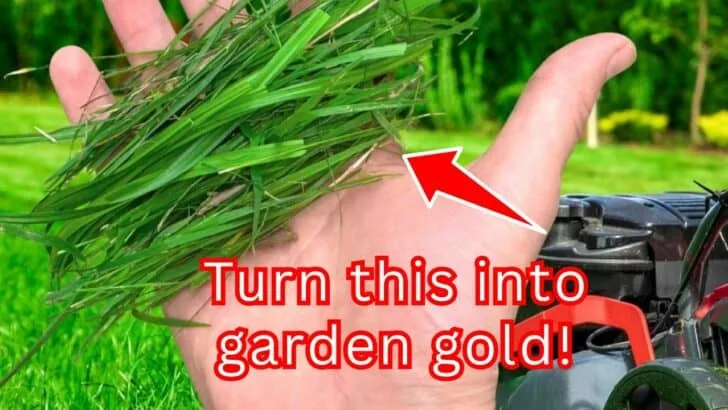
Most people mow their lawn, bag the clippings, and call it a day. Maybe you leave them scattered where they fall, maybe you stuff them in the compost if you’re feeling responsible. But for the most part, those soft green bits just… vanish.
Which is wild — because grass clippings are low-key magic. They’re fast-breaking, nitrogen-rich, endlessly available, and almost nobody uses them right.
I used to treat them like a nuisance. Something to get rid of before they clumped up on my shoes or stained the patio green. But then I started reusing them — and suddenly my compost moved faster, my tomatoes got bushier, and my garden beds stopped drying out every ten minutes.
If you’ve got a lawn, you’ve got resources. Here’s what to actually do with them.
🌿 Key Takeaways
- 🌾 Use grass clippings as mulch to suppress weeds and lock in soil moisture.
- 🔥 Feed your compost pile with nitrogen-rich clippings to speed things up.
- ☕ Make grass clipping tea to brew a free, fast-acting liquid fertilizer.
- 🪵 Layer clippings into new beds as part of a no-dig sheet mulching strategy.
- 🥕 Side-dress hungry crops like tomatoes and corn for a slow-release nutrient boost.
- 🌱 Let your lawn recycle its own nutrients by grasscycling while mowing.
- 🪱 Toss clippings into your worm bin in small amounts to keep the worms thriving.
- ⚡ Combine clippings with dry browns for a hot, fast, high-performance compost pile.
1. Leave Them on the Lawn
This one’s almost too easy — and that’s why people skip it. But if you’re mowing regularly and not cutting off more than a third of the grass blade, leaving the clippings right where they fall is one of the best things you can do for your lawn. No raking. No bagging. No hauling. Just free fertilizer right under your feet.
As they break down, clippings return nitrogen to the soil, help the lawn retain moisture, and reduce the need for extra watering or fertilizing. The result? A healthier lawn with way less work — and no trip to the compost bin.
🍃 What to Do
- Mow when it’s dry to avoid clumping and make sure clippings settle evenly.
- Use a mulching mower or sharp blade so clippings are finely chopped and decompose quickly.
- Skip the rake unless you see big piles — otherwise, let nature take care of cleanup.
1. Use Them as Mulch
Don’t let those fresh clippings go to waste — they’re one of the easiest mulches you’ll ever find. When spread in a thin layer around garden beds, flower borders, or even under shrubs, grass clippings suppress weeds, lock in moisture, and slowly feed the soil as they break down.
And unlike bark mulch, they’re free. You mowed. You got clippings. That’s it. Just make sure they’re dry before you use them — nobody wants a slimy, sour-smelling mat of wet grass choking their zinnias.
🌿 What to Do
- Let clippings dry out for a day or two before using them as mulch to avoid matting or mildew.
- Apply in a thin layer — about 1 inch thick — around vegetables, herbs, and flowers.
- Avoid clippings from chemically treated lawns if you’re growing edibles.
2. Feed Your Compost Pile
Grass clippings are like espresso shots for your compost bin. They’re rich in nitrogen — the “green” in the green-and-brown compost balance — and they heat things up fast. That means quicker breakdown, better microbial activity, and a richer finished compost in less time.
But don’t just dump in a wet mound. Grass clippings need balance. Layer them with leaves, cardboard, or shredded paper to avoid a soggy, smelly mess.
♻️ What to Do
- Add clippings in thin layers to avoid matting — no more than 2 inches at a time.
- Alternate with “browns” like dry leaves, sawdust, shredded paper, or cardboard.
- Mix regularly to keep oxygen flowing and speed up decomposition.
3. Make Grass Clipping Tea
This isn’t the kind of tea you drink — unless you’re a tomato plant. Grass clipping tea is a simple, homemade liquid fertilizer that gives your garden a fast nutrient boost. It’s rich in nitrogen and easy to apply to hungry plants, especially during peak growing season.
It’s like compost tea’s scrappy cousin: faster, funkier, and made from what you just mowed instead of finished compost. Your plants don’t care. They’ll drink it up.
🍵 What to Do
- Fill a 5-gallon bucket about one-third full with fresh grass clippings.
- Top off with water and stir daily for 3–5 days. The water will darken as nutrients leach out.
- Strain and dilute the liquid (1:1 with water) before using it to water plants at the base.
4. Use in Sheet Mulching for New Beds
Grass clippings are a secret weapon when you’re building new garden beds without digging. Known as sheet mulching or lasagna gardening, this method involves layering organic materials right on top of the ground to smother weeds and build healthy soil over time.
Grass clippings add a green, nitrogen-rich layer that helps the whole stack break down faster. It’s slow gardening at its laziest — and most effective.
📚 What to Do
- Start with a layer of cardboard to smother weeds.
- Add grass clippings as the “green” layer — no thicker than 1 inch to avoid matting.
- Alternate with “brown” layers like dried leaves, straw, or shredded paper.
- Top with compost or mulch and let the bed rest for a few weeks before planting.
5. Side Dress Hungry Crops
If you’ve got tomatoes, corn, squash, or other heavy feeders, your grass clippings can be a free buffet. A thin layer around the base of these plants works like a nitrogen boost, slowly releasing nutrients as it breaks down — without the cost or mess of bagged fertilizer.
Just don’t overdo it. Clippings can mat if you pile them on too thick, and that traps moisture in all the wrong places.
🌱 What to Do
- Sprinkle a thin ½-inch layer of clippings around the base of heavy-feeding plants.
- Keep clippings away from stems to prevent rot.
- Water after applying to help nutrients seep into the soil faster.
- Repeat every 2–3 weeks for a steady nutrient source through the growing season.
6. Feed Your Lawn (Yes, Again)
Bagging your clippings and tossing them is like sweeping up gold dust and throwing it in the trash. Grass feeds grass — and letting the clippings fall right back where they came from gives your lawn exactly what it needs to stay lush, green, and happy. It’s called “grasscycling,” and it’s one of the easiest wins in lawn care.
No raking. No bagging. No hauling. Just mow, and go.
🌿 What to Do
- Use a mulching mower or leave the bag off — let clippings drop onto the lawn as you mow.
- Only remove ⅓ of grass height at a time — this keeps clippings small and fast-decomposing.
- Mow when dry to avoid clumps and ensure even spread.
- Don’t worry about thatch — clippings decompose too quickly to cause buildup.
7. Add to Your Worm Bin
If you’ve got worms — give them a snack. Grass clippings are like salad bar leftovers for your red wigglers. They’re soft, green, nitrogen-rich, and break down quickly. That said, moderation is key. Too much fresh grass all at once can heat up and overwhelm your worm bin.
Think of it as seasoning, not the main dish. Mix it in with browns and other scraps to keep the bin balanced, cozy, and productive.
🪱 What to Do
- Add small handfuls of clippings to your worm bin once or twice a week — not more.
- Mix with shredded paper or cardboard to balance carbon and nitrogen.
- Pre-dry clippings for a day or two if they’re especially wet or fresh.
- Watch for heat or odor — that’s your sign to slow down the greens.
8. Build a Hot Compost Faster
Want to turn your compost pile into a steamy, fast-cooking machine? Add grass clippings. They’re rich in nitrogen, which fuels the heat your pile needs to break things down quickly. That said, you can’t just dump a giant bag and hope for magic — clippings are powerful but need balance.
Pair them with browns like dry leaves, straw, or shredded cardboard, and mix well. Done right, grass can take your slow, sad compost and kick it into high gear.
🔥 What to Do
- Add thin layers of grass to your compost, alternating with browns.
- Turn the pile often to prevent clumping and keep airflow high.
- Check for heat — a warm core means you’re doing it right.
- Skip the wet, heavy dumps — they’ll mat down and slow everything.
Your Lawn Leftovers Are Pure Gold
Grass clippings are not garbage. They’re not mess. They’re free fertilizer, fast-tracking compost fuel, weed-fighting mulch, and snack packs for your soil microbes. Most of us grew up thinking clippings had to be bagged up and hauled away — but your garden is begging you to think again.
Every time you mow, you’re creating a chance to feed your garden, build better soil, and save yourself money and effort. The key is knowing what to do with those clippings and using them wisely. Pile them in the compost, feed your beans, brew a stinky-but-magical tea, or let the worms feast.
So next time your mower spits out a fluffy green windrow, don’t groan. Smile. That’s free garden gold falling at your feet.


Daniel has been a plant enthusiast for over 20 years. He owns hundreds of houseplants and prepares for the chili growing seasons yearly with great anticipation. His favorite plants are plant species in the Araceae family, such as Monstera, Philodendron, and Anthurium. He also loves gardening and is growing hot peppers, tomatoes, and many more vegetables.