

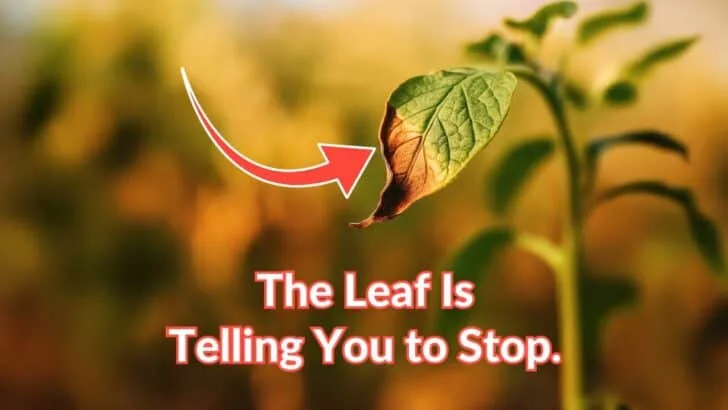
It doesn’t make a sound. It doesn’t bite, sting, or wilt overnight. But every July, it claims victims in quiet, slow motion. You walk out to the garden one morning and something just looks… off. A few yellowed leaves here. A sad tomato vine there. Nothing dramatic. Not yet.
It feels like stress, like heat, like maybe you forgot to water yesterday. So you do what any gardener does — you try to help. But the more you “help,” the worse things seem to get. The droop spreads. The tips crisp. New growth stops. By the time you realize what’s happening, the damage is already deep.
Because this isn’t about pests or drought or forgetfulness. It’s about something sneakier. Something you added. Something that seemed like the right move at the worst possible time.
🌿 Key Takeaways
- 💥 Too much fertilizer in July backfires — heat-stressed plants absorb it poorly and burn faster.
- 👀 Watch for warning signs early — curled leaves, scorched edges, and weird growth patterns aren’t just cosmetic.
- 🧪 If you’re unsure, test your soil — before adding anything, know what your plants actually need.
- 🌱 Compost and mulch go further — they feed slowly, improve soil, and don’t risk overloading roots.
- 🥄 If you do fertilize, go light — water deeply after, avoid midday, and skip it altogether during heatwaves.
- 🍵 Try gentle alternatives — compost tea, worm castings, and seaweed extracts nourish without the stress.
- 🧘 Less interference = less damage — sometimes the best fix is giving your plants space to breathe.
The Silent Killer Has a Name
It’s not blight. It’s not bugs. It’s not even the heat. It’s fertilizer — too much of it, at exactly the wrong time.
In cooler months, a little extra nitrogen might just give your greens a boost. But once July rolls in? That same dose becomes a problem. High temps speed up plant metabolism and make roots more sensitive. Overfed roots react like scorched nerves — and they show it in twisted leaves, stalled blooms, and burnt edges.
Even slow-release fertilizers can misfire in heatwaves. Organic or synthetic, it doesn’t matter. When soil microbes ramp up in hot, wet conditions, nutrients flood faster than plants can use them. And what the roots don’t need, they treat like poison.
🧪 What You Should Do Instead
- Stop all fertilizing during heat waves — even the “gentle” stuff can do harm.
- Focus on watering and mulching — stressed roots need support, not more tasks.
- If you must feed, go low and slow — dilute liquid fertilizer to half strength or less, and only apply early in the morning.
- Watch your containers — pots dry out and build salts fast. Flush them with plain water if growth stalls or leaves yellow.
🔥 Bonus Tip
Scratch the soil surface gently with a fork. If you see crusty white residue or smell anything sharp, your soil might be saturated with salts. Flush it with a long, slow watering and skip all feedings for at least two weeks.
Catch It Before It Kills
Fertilizer overload doesn’t shout. It whispers. And if you catch those whispers early, you can save the season.
Watch your plants closely after feeding — especially during hot spells. The symptoms aren’t always dramatic at first. A leaf that curls under slightly. A flower that refuses to open. A plant that just stops growing, like it’s taking a breath it never lets out.
Most gardeners miss the signs because they don’t look like what we expect from “too much of a good thing.” But that’s exactly what makes fertilizer overload so sneaky — it feels like your plants are just struggling with the weather. When really, they’re reacting to a root-level crisis.
👀 What to Watch For
- Leaf tips turning brown or crispy — especially if the rest of the leaf looks fine.
- New growth curling or twisting — a red flag that roots are in distress.
- Sudden yellowing between leaf veins — usually in younger leaves first.
- Wilting even when the soil is moist — the roots are rejecting water, not thirsty.
- White crust on the soil surface — a salt buildup from fertilizer excess.
🔍 Bonus Trick
Pick one container plant and make it your canary. Feed it first, watch it closely, and if it starts to react badly, hold back on everything else. One sacrifice can save the whole garden.
Overfed and Overwhelmed What Now?
If your plants are already showing signs of fertilizer stress, don’t panic. You can still pull them back from the edge. The key is to act fast — and gently.
Step one is simple but crucial: stop feeding. No matter how slow-release, organic, or fancy your fertilizer claims to be, it’s only going to make things worse right now. Give the soil — and your plants — a break.
From there, it’s all about flushing, buffering, and rebuilding. Think of it like rehab for roots. They’re fragile, cranky, and begging for clean water and fresh support.
💧 What to Do Right Away
- Flush the soil thoroughly — water deeply to rinse out excess salts. Let it drain completely.
- Skip all fertilizer for 2–4 weeks — even gentle compost teas can be too much.
- Top off with compost — a 1-inch layer helps buffer the damage and replenish microbial life.
- Prune lightly — remove the worst-damaged leaves to help the plant focus energy.
- Shade stressed plants — even partial shade can reduce stress while roots recover.
🛠️ Bonus Tip
If you’re dealing with potted plants, consider repotting with fresh soil — especially if the salt crust is thick or the roots look burned. It’s more effort, but sometimes it’s the only real reset button you’ve got.
How to Fertilize (or Not) in July
Here’s the straight-up truth: July is not the month for wild fertilizer experiments. The heat is up, the soil’s already working overtime, and your plants? They’re either thriving — or teetering. More often than not, adding fertilizer now is like handing a double espresso to someone already on edge.
But that doesn’t mean you have to quit cold turkey. It just means: slow it way down, use the right kind, and pay attention to what your garden is telling you. A little can still help — if you do it smart.
🌿 Smart Fertilizing Rules for July
- Dial it back — use half the usual amount or skip altogether if plants look healthy.
- Stick to organics — compost, worm castings, and seaweed-based feeds are gentler and less likely to burn.
- Apply in the evening — avoid mid-day heat to reduce stress and evaporation loss.
- Water first — always water before you fertilize to protect root tips.
- Skip stressed plants — anything wilting, yellowing, or sun-scorched needs recovery time, not more nutrients.
🔥 July Danger Zones
Never fertilize during a heat wave. It spikes salt levels in the soil and fries your roots. And don’t fertilize dry soil — that’s how you end up with a garden full of crispy leaves and regrets.
Fertilizer-Free Feeding Alternatives
July is not the month to push your plants with power pellets and liquid boosts. It’s hot, it’s dry, and everything is already trying to survive. The last thing they need is a nutrient overload. But that doesn’t mean your garden has to go hungry. There are quieter ways to feed your soil — methods that support life without pushing it too hard.
If you’ve been thinking of stepping back from synthetic fertilizers or just want to give your garden a break this month, you’ve got options. Natural ones. Lazy ones. Kind ones.
🌱 Gentle Alternatives That Still Work
- Compost tea — a mild liquid made from soaking compost in water. Use it to water around the roots for a slow, steady nutrient boost.
- Chop and drop — cut back spent plants or weeds and let them compost right in place. It feeds the soil and protects it from heat at the same time.
- Mulch with purpose — a layer of shredded leaves, grass clippings, or straw slowly breaks down and feeds the soil while locking in moisture.
- Worm castings — nature’s fertilizer in its mildest, most powerful form. Great for top-dressing sensitive plants without risking a burn.
- Cover crops (in cooler zones) — if you’re prepping a bed for fall, sow a quick cover crop like buckwheat that adds organic matter and suppresses weeds.
Why I Stopped “Helping” So Much
I used to think my garden needed me to be busy. A little sprinkle here, a dash of fertilizer there. If something looked off, I’d reach for a fix. Fast. But in July, those “fixes” can quietly backfire. Especially when it’s hot, dry, and everything’s already stressed. I learned the hard way that more effort doesn’t always mean better results.
Fertilizer overload crept up on me when I was trying to be helpful. The leaves looked a bit pale? Feed them. Growth felt slow? Feed again. And then suddenly, it wasn’t just the weeds thriving. My soil got cranky, the plants looked worse, and I was stuck undoing damage I caused with good intentions.
Now I pause. I test first. I feed less. And when I do step in, it’s with compost tea or worm castings — not with a heavy hand. It feels less heroic, sure. But the plants look happier. And I don’t walk around wondering what I messed up this time. It’s quieter. Slower. More human.


Daniel has been a plant enthusiast for over 20 years. He owns hundreds of houseplants and prepares for the chili growing seasons yearly with great anticipation. His favorite plants are plant species in the Araceae family, such as Monstera, Philodendron, and Anthurium. He also loves gardening and is growing hot peppers, tomatoes, and many more vegetables.