

Your plants aren’t being dramatic — the heat really is that bad. Roots are simmering. Soil feels like toast. And by mid-afternoon, half your garden looks like it’s rethinking its life choices.
But here’s the twist. You don’t need fancy gadgets or a new watering schedule. You just need a better cover.
Mulch is your garden’s sunscreen, hydration saystem, and mood stabilizer all rolled into one. But not all mulches handle summer the same way. Some trap heat. Some repel water. Some turn slimy in a week. And some? They’re basically spa treatments for your soil.
We rounded up six of the most popular organic mulches and ranked them by how well they protect your plants during heatwaves. You’ll get the pros, the quirks, the must-knows — and one mulch that might be doing more harm than good.
🌿 Key Takeaways
- 🔥 Mulch = heat armor — it cools soil, traps moisture, and protects roots when temps spike.
- 🏆 Shredded bark, straw, and wood chips top the list for long-lasting summer performance.
- ♻️ Use what you have — leaf mulch and grass clippings work great if handled right.
- 🛒 No need to buy fancy mulch — compost and yard debris can get the job done too.
- 👀 Watch for heat traps — avoid thick grass mats and overcompacting any mulch type.
- 🌱 Apply 2–3 inches thick and keep mulch off stems — let plants breathe while they stay cool.
- 📍 Right mulch, right spot — choose based on your plants, zone, and how fast things dry out.
🥇 Shredded Bark
Ranking: #1 for long-term heat protection
Best For: Perennials, shrubs, ornamental beds
Source: Buy at garden centers or nurseries. Not something you typically make at home unless you have a wood chipper and a lot of time.
If you want something that just sits there, looking good and doing its job, shredded bark is it. It breaks down slowly, stays put in wind and rain, and forms a thick, breathable barrier that keeps soil temperatures stable even during brutal heat spells. It’s especially good around bigger, established plants that don’t need frequent replanting.
Bark doesn’t compact like other mulches, so roots get airflow while moisture stays locked in. Plus, it smells great and makes everything look tidy — which is always a bonus when the plants start flopping in the sun.
✅ Best Use Tip
Apply 2–3 inches deep, but keep a 2-inch gap around plant stems and trunks. Bark holds moisture, which is great for soil — but not great if it’s sitting right on your stems.
⚠️ Watch Out
Bark can temporarily tie up nitrogen as it breaks down, especially if mixed into the soil. Always use it on top — not tilled in — and consider adding a thin layer of compost first if your soil is low on nutrients.
🥈 Straw
Ranking: #2 for fast, lightweight cooling
Best For: Vegetable gardens, annual beds, raised beds
Source: Buy in bales from garden centers, farm supply stores, or local farms. Sometimes available at farmers’ markets too.
Straw is like a sunhat for your soil — light, breathable, and surprisingly effective at shielding roots from brutal sun. It doesn’t heat up like dark mulches do, and it allows airflow while still reducing evaporation. That’s why veggie growers swear by it during summer harvest season.
It’s also incredibly easy to spread and move around, which makes it perfect for areas that change often. And when it breaks down, it feeds your soil with organic matter — nothing fancy, just old-fashioned goodness.
✅ Best Use Tip
Spread a thick layer — about 4 inches — but fluff it as you go. Packed straw mats down fast, and that can trap moisture in a bad way. Fluffy straw keeps things cool without going soggy.
⚠️ Watch Out
Make sure you’re using clean, seed-free straw — not hay. Hay is full of seeds that will turn your garden into a jungle of weeds by August. Look for straw labeled as weed-free or made from wheat, barley, or rice stalks.
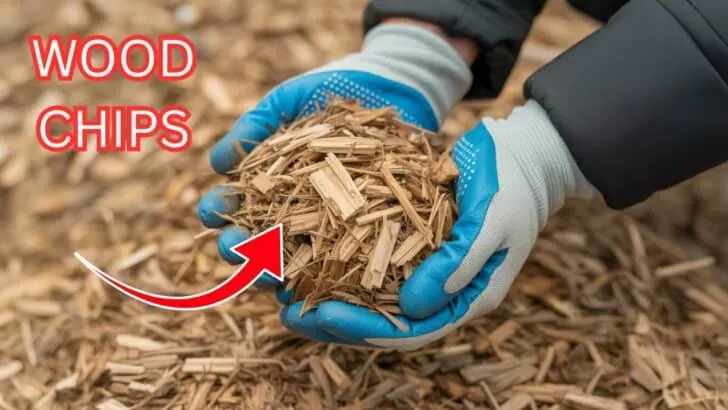
🥉 Wood Chips
Ranking: #3 for long-term heat buffering
Best For: Perennials, trees, shrubs, ornamental beds
Source: Free from arborists or city services, or buy bags from garden centers. Also available by the cubic yard at mulch suppliers.
Wood chips are the slow and steady protector of your soil. They’re not as instantly cooling as straw or bark, but once in place, they form a thick, insulating blanket that stabilizes temperature and locks in moisture for weeks on end.
The chunkier the chip, the longer it lasts. It’s ideal for long-term beds where you don’t want to fuss too often. Plus, they’re great at keeping weeds down without suffocating your soil.
✅ Best Use Tip
Lay down a 3 to 4 inch layer, but keep it pulled back a few inches from plant stems and tree trunks. This prevents rot and discourages pests from nesting right at the base.
⚠️ Watch Out
Don’t mix fresh wood chips into the soil. They’ll rob your plants of nitrogen as they decompose. Always leave them on top where they belong.
4️⃣ Compost
Ranking: #4 for heat protection + bonus nutrients
Best For: Vegetable beds, container gardens, soil enrichment zones
Source: Make your own from kitchen scraps and yard waste, or buy bagged compost at garden centers and nurseries.
Compost is the multitasker of the mulch world. It doesn’t just shield the soil from sun and heat — it feeds it. A shallow layer of compost acts like a gentle sponge, locking in moisture while slowly releasing nutrients where your plants need them most.
It’s especially helpful in high-demand beds like tomatoes, peppers, and leafy greens. And for anyone using raised beds or containers, compost gives you a two-for-one deal: mulch and mild fertilizer in one pass.
✅ Best Use Tip
Apply 1 to 2 inches of compost as a top layer over soil. For extra hot days, cover it lightly with straw or leaf mulch to extend its cooling effect.
⚠️ Watch Out
Don’t pile it too thick — more than 2 inches can mat down and block airflow. Also, skip compost with strong odors or visible pests — it’s not finished and might do more harm than good.
5️⃣ Leaf Mulch
Ranking: #5 for heat protection + natural recycling
Best For: Perennials, trees, native gardens, woodland beds
Source: Rake up your own in fall or ask neighbors with big trees. Some municipalities even offer free leaf mulch in spring.
Leaf mulch is like a forest floor blanket — light, airy, and incredibly good at holding moisture without smothering roots. It’s free, plentiful in the right season, and breaks down into rich organic matter over time.
Shredded leaves work best. They don’t mat down as quickly, allow airflow to the soil, and stay put better in wind. If you’ve got a bagging mower or leaf shredder, you’re golden. No shredder? Just run over a pile with your mower.
✅ Best Use Tip
Layer 2 to 3 inches of shredded leaves around perennials or under shrubs. Tuck them in, but don’t pile against stems or trunks.
⚠️ Watch Out
Whole leaves can mat down like a soggy tarp — especially from trees like maple or magnolia. Always shred before spreading, or mix with another mulch to keep it fluffy.
6️⃣ Grass Clippings
Ranking: #6 for heat protection but ultra-accessible
Best For: Vegetable beds, rows between crops, temporary mulch
Source: From your own mower — just make sure the lawn hasn’t been treated with herbicides or weed killers. Always air dry clippings before use.
Grass clippings are the most abundant mulch for many gardeners — but they’re also the most misused. Fresh out of the mower, they’re nitrogen-rich, dense, and a bit sticky. If applied while wet, they mat down and smell like a compost pile gone wrong.
That said, once dried and fluffed, they’re shockingly good at locking in moisture during heat spells. Plus, they break down quickly and feed the soil as they go. Just don’t treat them like a full-season mulch — they’re better in short bursts or layered with something longer-lasting like straw or leaves.
✅ Best Use Tip
Let clippings dry for 1–2 days, then apply a 1-inch layer between rows or around seedlings. Mix with straw for a low-cost, quick-drying combo.
⚠️ Watch Out
Never use clippings from treated lawns. Residues can damage your plants — especially edibles. And don’t pile them on thick; they’ll compact, heat up, and go slimy fast.
What This Means for Your Garden Right Now
It’s late June. The sun’s relentless, the forecast says triple digits, and your garden is already looking thirsty by 10 a.m. This is the moment when mulch isn’t just “nice to have” — it’s survival gear. And not all mulch wears the cape equally well in a heatwave.
If you’re dealing with brutal sun, dry spells, or watering restrictions, your mulch choice matters more than ever. The wrong one can cook your soil. The right one can buy your plants time, buffer root zones, and make every drop of water count.
🌡️ Our Top Picks for Hot Weather
- Shredded bark — Best all-around performer for long-lasting, stable protection. Great for ornamentals and permanent beds.
- Straw — Best for veggie gardens and beds where you need airflow and fast cooling. Easy to move, cheap, and forgiving.
- Leaf mulch — Ideal if you have trees nearby. Light, airy, and cool — perfect for delicate herbs and shallow-rooted flowers.
If you don’t have mulch down yet, there’s no time to waste. Even a quick 1–2 inch layer of something (yes, even dried grass or old leaves) can stop your soil from turning into an oven tray. And if you already have mulch? Check that it’s still doing its job. Add a top-up if it’s thinning, or swap it out if it’s gone moldy or compacted.
🔥 Pro Tip for Heatwaves
If your mulch is hot to the touch in the afternoon, mist it lightly in the morning. Damp mulch keeps soil cooler and slows down evaporation. It’s like sunscreen with a hydration boost.
The Right Mulch Buys You Time
Summer doesn’t wait. It scorches, sizzles, and steals water before roots can drink it. But mulch? Mulch slows the chaos. It keeps your soil from drying out, shields tender roots from heat shock, and makes your plants feel like someone’s still looking out for them — even when you’re away for a weekend or watering is tight.
You don’t need the perfect mulch. You need the one that works best for your garden, your conditions, and your energy level. The good news? You’ve got options. Whether it’s bark from the garden center or shredded leaves from your own rake pile, you can choose what fits and still win the fight against heat stress.
One layer. A few inches. Big difference. That’s the math of summer survival — and mulch is your answer sheet.


Daniel has been a plant enthusiast for over 20 years. He owns hundreds of houseplants and prepares for the chili growing seasons yearly with great anticipation. His favorite plants are plant species in the Araceae family, such as Monstera, Philodendron, and Anthurium. He also loves gardening and is growing hot peppers, tomatoes, and many more vegetables.