

You step outside. It’s early, but the sun already bites. By noon, the lettuce is limp, the hydrangeas are sulking, and the soil? It crunches like toast. Water’s not cutting it. Shade cloths feel flimsy. And your backyard is starting to feel like a cruel joke told by the weather.
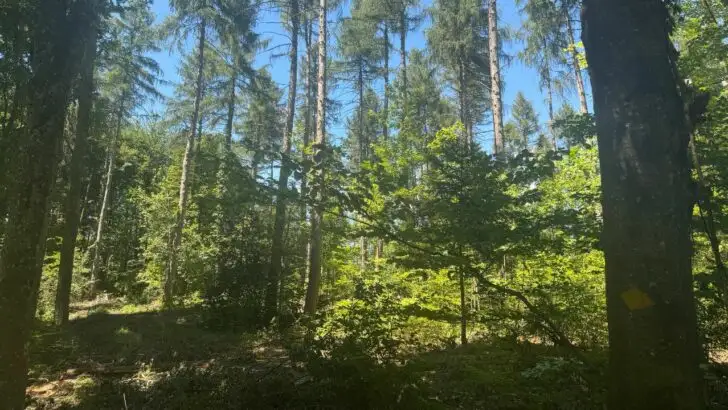
But out in the woods? It’s a different story. Ferns stretch. Moss thrives. Even delicate wildflowers nap under trees like they’re on vacation. No fans, no hoses, no human fuss. Just layers, shadows, and a quiet kind of brilliance that your garden might be missing.
What if we borrowed some of that forest logic? What if you could give your plants the same break from the sun — without planting an actual forest in your yard?
🌳 Key Takeaways
- 🌿 Shade isn’t just about trees — shrubs, trellises, and even tall veggies can cool your soil.
- 🕶️ Dappled light is a plant’s best friend — not too harsh, not too dim, just right for hot summers.
- 🧴 Mulch = natural sunscreen — it protects roots, holds moisture, and keeps soil temps stable.
- 🔄 Move your pots — chasing shade is easier than you think when things are mobile.
- 🪴 Think in layers — ground covers, mid-height plants, and overhead protection work together like a forest floor.
- 🌱 Copy nature — forests don’t fry in July, and your garden doesn’t have to either.
1. Forest Shade Is Layered — Yours Can Be Too
Look up in the forest and what do you see? Not just one big tree blocking the sun. You see layers. Tall trees, medium trees, shrubby undergrowth, ground covers, and then moss and mulch holding it all together like a cozy blanket. That’s why the soil stays cool. That’s why everything isn’t frying by 10 a.m.
Your garden doesn’t need a redwood grove. But it can borrow the idea. Shade works better when it comes from different heights. A patio umbrella only covers so much — but a combination of taller perennials, climbing vines, and even portable shade frames? That’s where you start to win.
🌳 Try This Layered Shade Setup
- Tall support — trellises, poles, or a single tree branch for height
- Vine cover — morning glory, pole beans, or even cucumber vines trained to climb
- Mid-layer plants — sun-tolerant shrubs or tall flowers like echinacea or hollyhocks
- Low ground cover — sweet alyssum, creeping thyme, or mulch
Build it like nature does — top to bottom, with gaps and air and a little room for surprise.
2. The Dappled Light Trick

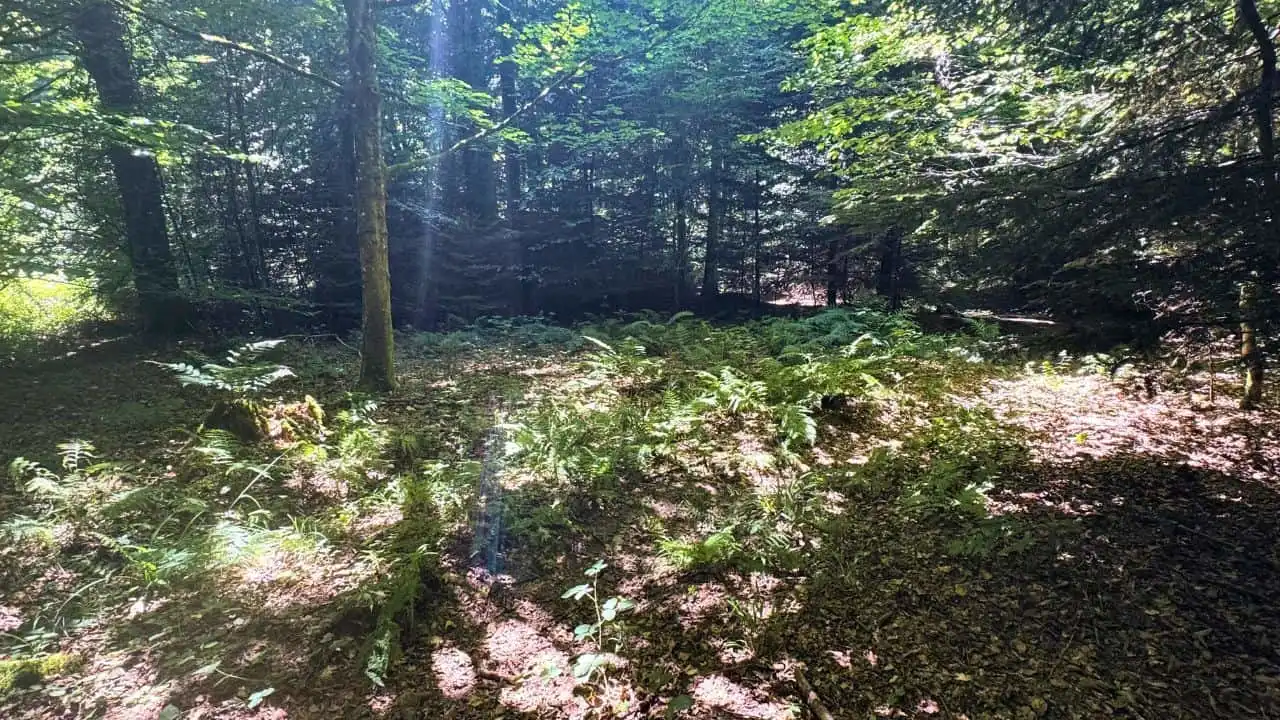
In the forest, it’s rarely full sun or full shade. It’s dappled. Light filters through leaves, shifting with the breeze, touching one patch of soil, then another. That broken sunlight is pure gold for sensitive plants — enough to grow, not enough to scorch.
You can copy that magic without planting a whole forest. The trick is to create a filter — something that softens the light instead of blocking it completely. Think of it like gardening behind a lace curtain.
☀️ How to Fake Dappled Light
- Use lattice panels — cheap, easy to move, and surprisingly elegant when the light hits just right
- Hang sheer fabric — old curtains, floating row cover, or even tulle stretched over a frame
- Plant loose, airy foliage — ornamental grasses or tall dill can cast just the right speckled shadow
- Position things diagonally — a tilted trellis or angled umbrella lets light dance rather than blast
Dappled light keeps roots cool, leaves happy, and gives your garden that “woodland tea party” feel without the bugs.
3. Mulch Is Nature’s Sunscreen

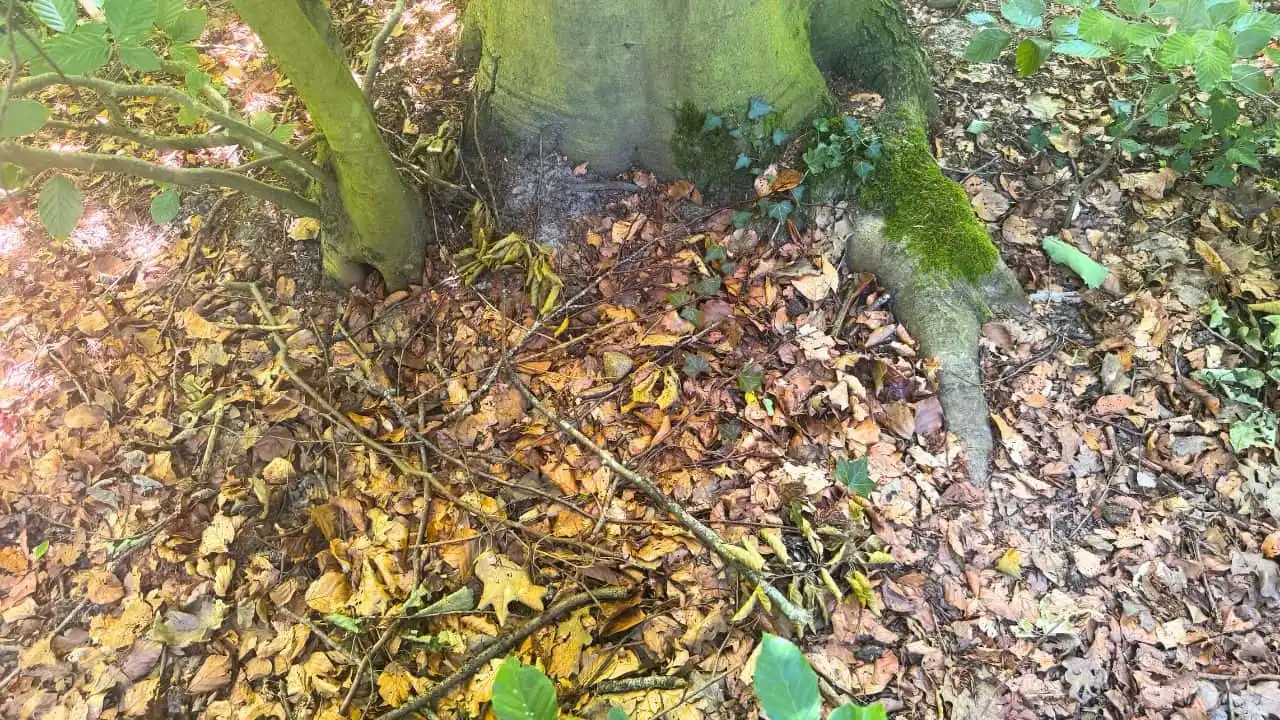
Forests don’t fry. Even on the hottest days, the ground stays cool. Why? Because nature covers her soil. Trees shed bark, drop needles, and let leaves fall right where they stand. All that debris piles up — and that’s mulch in its rawest, wildest form.
Your garden deserves the same treatment. Bare soil in full sun? That’s asking for trouble. Water evaporates in hours. Microbes vanish. Roots start reaching for shade that doesn’t exist. But toss down a layer of mulch, and suddenly the soil breathes easier.
And no, it doesn’t have to be fancy. Leaves. Grass clippings. Pine straw. Even shredded newspaper. Anything that shades the soil without smothering it gets the job done.
🌿 Why Mulch Works
- Locks in moisture — less watering, even in a heatwave.
- Cools the root zone — just a few degrees can save your plants.
- Feeds the soil as it breaks down — mulch becomes compost in slow motion.
- Keeps weeds in check — fewer invaders, less competition.
Mulch is like sunscreen for your garden beds. And the best part? You don’t have to reapply every two hours. Just top it up when it gets thin, and let nature take it from there.
4. When Shade Moves, Plants Survive
Walk through a forest and look up. The sun peeks through branches, then disappears again. Light flickers, slides, shifts. Plants below aren’t baked in place — they get sunlight in pulses. And that’s the magic. It’s not constant exposure that helps them grow, it’s rhythmic shade that helps them survive.
Now think about a tomato in a garden bed, sitting under full sun from sunrise to sunset. No breeze. No break. That’s not resilience — that’s punishment. In July, it can break even the toughest growers.
The fix? Give your plants shade that moves. It doesn’t take much. A trellis nearby. A sunflower cluster. A lightweight umbrella that follows the arc of the sun through the day. Even patio furniture can cast enough of a drifting shadow to save a struggling pepper plant.
🌤️ Shade Moves, Stress Drops
- Drifting shadows reduce scorch — even 2–3 hours of relief makes a difference.
- Afternoon shade is gold — it protects during the hottest hours.
- Think vertical — beans, corn, and trellised squash double as shade-makers.
- Try temporary structures — shade cloth, stakes, even laundry drying racks work in a pinch.
Shade that shifts is better than no shade at all. Your plants don’t need total protection — just a break from the beating sun long enough to catch their breath.
5. Your Best Shade Plant Might Be a Shrub
Most folks think of shade plants as dainty things. Ferns. Hostas. Maybe a few ground covers if you’re feeling fancy. But if you’re looking to make real shade — not just patchy cover — you need to think bigger. And bushier. Like, shrub-level bigger.
In forests, it’s not just the trees that cast the shade. It’s the undergrowth. Hardy shrubs like viburnum, spirea, or native hydrangeas create that thick, dappled canopy that helps everything else thrive below. And they don’t ask much. A trim once in a while. Maybe a mulch top-up. That’s it.
Planted near garden beds or veggie patches, these shrubs pull double duty. They shade the ground, keep roots cool, and block brutal winds. They’re not just decorative. They’re climate control on legs.
🌳 Why Shrubs Win at Summer Shade
- Wider footprint = broader shade — a single shrub can cool an entire corner of your bed.
- They grow fast — many hit their stride in 1–2 seasons.
- Roots help prevent erosion — especially on slopes or dry patches.
- They’re built for extremes — most tough out droughts better than perennials.
If you want a low-effort way to mimic the forest’s layered shade, start with a shrub. It won’t ask for much, but your entire garden will thank you for it.
6. The Coolest Microclimate Might Be the Ground

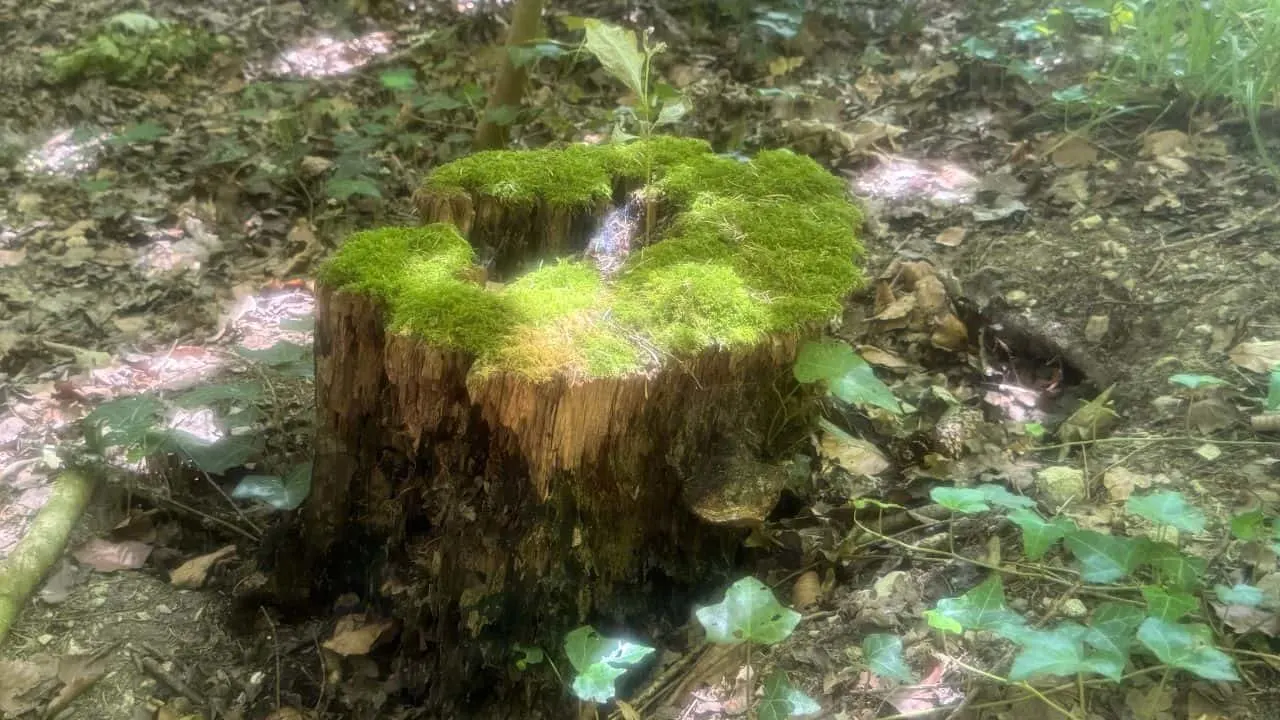
Look down. That’s where the magic is.
In the forest, the air might sizzle at noon, but crouch down low and suddenly everything’s calm. Cool. Damp. Even on a scorcher, you’ll find moss growing, mushrooms poking through, and roots tucked safely under logs and leaves. The forest floor is like nature’s version of air conditioning — and yes, you can recreate it at home.
In garden beds, especially if you’re dealing with brutal sun and baked clay soil, this ground-level strategy is a game changer. The trick is to shelter the soil itself. Because if you keep the root zone cool, the rest of the plant stands a fighting chance.
🌿 Forest Floor Tactics for Your Garden
- Lay down a thick mulch carpet — bark, leaves, straw, or even pine needles will keep temps stable and hold in moisture.
- Use rocks and logs — place them near plants to act as thermal buffers and wind breaks. Bonus: they add visual texture too.
- Plant ground-huggers — think creeping thyme, ajuga, or mosses. These cover the soil and cool it naturally.
- Go for ferns and hostas — low growers that love the shade and thrive in the same cool zones as forest undergrowth.
- Water low, not high — focus irrigation right at the base so you’re feeding the zone that matters most.
When temps soar, roots don’t want drama — they want quiet. Cool soil. Low stress. Minimal fuss. The closer you can mimic that forest floor vibe, the better your shade garden will handle the summer heat.
It’s Okay to Garden Like a Forest
You don’t need fancy gadgets or a degree in landscaping to beat the heat. The forest already figured it out. It’s calm. It’s layered. It protects what matters most — the roots. And your garden can do the same.
If you’re tired of sunburned leaves and plants that fizzle out by August, don’t fight harder. Just copy smarter. Build layers. Keep the soil cool. Use shrubs, trees, and even a humble bottle of mulch like they’re allies — not accessories.
And if it all feels like too much? Step into a forest for five minutes. Breathe. Look around. The answers are usually at your feet.


Daniel has been a plant enthusiast for over 20 years. He owns hundreds of houseplants and prepares for the chili growing seasons yearly with great anticipation. His favorite plants are plant species in the Araceae family, such as Monstera, Philodendron, and Anthurium. He also loves gardening and is growing hot peppers, tomatoes, and many more vegetables.