

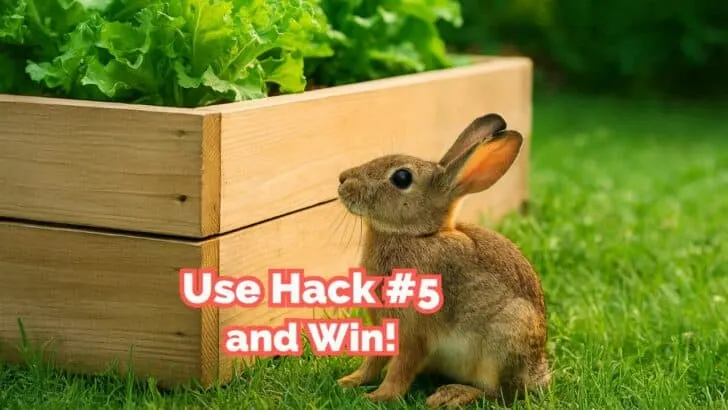
You spot the damage in the morning. A few chewed stems. A half-eaten pansy. And the telltale sign: neat little droppings, like someone left rabbit raisins as a calling card.
It’s July. Your garden’s finally lush. And now some fluffy garden gremlin has moved in for dinner. You start googling fences. You start pricing chicken wire. You start wondering if it’s too late to install a moat.
But here’s the truth: you don’t need to build a fortress. You can make your garden a whole lot less appetizing — and do it without turning your yard into a construction zone.
🐾 1. Cut Their Cover First
Rabbits aren’t bold. They don’t strut into open space like deer. They like to eat under cover — tall grass, thick mulch, overgrown borders, or shrubs that double as shady hideouts. If your garden gives them privacy, you’re basically offering room service with complimentary lodging.
Give them fewer places to feel safe. Mow the edges. Trim back low-hanging branches. Clean up dense corners where they might be nesting or loitering. A tidy perimeter makes them nervous — and that’s exactly what you want.
🌱 Container Tip
Keep pots and containers raised and away from thick groundcover. Rabbits often nap beneath planters for shade and cover, then snack on nearby greens. A little elevation goes a long way.
🌿 2. Use Plants They Hate as a Border
Some plants just don’t taste good — even to rabbits. Strong scents, fuzzy leaves, bitter oils… they’re not fans. That’s where your secret weapons come in: lavender, yarrow, sage, salvia, catmint, and rosemary. These plants are basically the bouncers of the garden world.
Line the outside of your beds with these unappetizing options. Think of it as setting up a polite, fragrant barrier. It won’t stop a starving rabbit, but it will confuse and discourage the casual nibbler. Especially when your tastier plants are deeper inside the bed.
🌸 Bonus Benefit
Many rabbit-resistant plants double as pollinator magnets. Lavender and salvia attract bees, butterflies, and hummingbirds — so you get fewer rabbits and more garden drama (the good kind).
💦 3. Add Motion and Noise (They Hate It)
Rabbits don’t like surprises. They want to snack quietly and leave unnoticed. If your garden makes weird sounds or flashes light in the breeze, it throws them off. Suddenly that tasty patch of lettuce feels a little risky.
Simple tricks work best: spinning pinwheels, shiny Mylar ribbon, wind chimes, even old CDs if you’re feeling retro. Move them around every few days to keep the scare factor fresh. It doesn’t need to be fancy — it just needs to feel unpredictable.
🚫 Skip This
Those plastic owl statues? Cute for a week. Then the rabbits realize it hasn’t moved since Tuesday. If it’s not flapping, spinning, or making noise, it’s just set dressing.
🧄 4. Smell-Based Deterrents (That Aren’t Horrible for You)
Rabbit noses are no joke. They sniff out danger — or dinner — from yards away. Which makes strong scents your ally. Garlic, cayenne, vinegar, dried blood meal, crushed mint… none of these say “welcome.”
The trick is using just enough to annoy them without making your whole yard smell like an angry soup. Mix up a garlic-pepper spray or sprinkle powdered deterrents around the base of your plants. Keep it low, keep it light, and reapply after rain.
👃 Pro Tip
Don’t spray directly on edible leaves unless you want your salad to come with a side of regret. Aim for the soil and the borders — that’s where rabbits start their sniff test.
🪴 5. Elevate the Snacks
Rabbits can’t climb. They might hop, they might squeeze, but if your lettuce is off the ground, you’ve already won half the battle. Raised beds, tall planters, garden shelves — all great ways to move the buffet out of reach.
This doesn’t just stop nibbling. It also improves drainage, makes harvesting easier, and keeps you from bending over every five minutes. Your back will thank you. Your lettuce will, too.
🌟 Especially Handy
If you’re gardening on a patio or balcony, elevation is your best defense. No fencing, no sprays — just gravity doing its job.
🚫 6. Skip the Lettuce Buffet (or Plant It Smart)
Some plants are basically rabbit magnets. Lettuce, kale, beans, pansies — all irresistible. If you plant them near the edge of your garden or close to known rabbit hangouts, you’re just asking for trouble.
Instead, tuck these tender snacks deeper into your garden beds. Make them harder to reach. Mix them in with herbs or rougher textures rabbits dislike. Think of it like planting decoys — but in reverse.
🧠 Smart Pairings
Interplant rabbit bait like lettuce with thyme, oregano, or chives. The scent confuses their menu radar — and you get bonus herbs for your kitchen.
🪚 7. If You Do Fence, Go Low and Tight
If you’ve tried everything and the rabbits are still winning, you don’t need a 6-foot wall. You just need a smart setup. A 2-foot fence made of chicken wire or hardware cloth, staked firmly into the ground, will block most rabbits.
The key is the bottom. That’s where they squeeze or dig. Bury the fence 6 inches deep or bend it outward at ground level like an apron. They’ll try once, fail, and move on to easier snacks.
📏 Quick Specs
Use mesh with holes no larger than 1 inch. Stake every 3 feet. Skip the fancy garden fencing — if it looks pretty but has gaps, the rabbits will walk right through it.
🧽 8. Keep Things Moving (Change the Setup Regularly)
Rabbits love predictability. They’ll memorize your garden routes like a GPS — and if nothing ever moves, they’ll treat your tomatoes like a scheduled delivery.
Break the routine. Shift your pots. Rearrange garden art. Move deterrents to new spots every few days. It makes your garden feel unsettled, and unsettled rabbits are less likely to hang around.
🔁 Motion Rotation
Mylar ribbon? Move it. Wind chime? Swap corners. Even just turning a container 90 degrees makes the space feel unfamiliar. Rabbits spook fast — use that to your advantage.
🐾 9. Remove the Welcome Mat (Limit Food Access)
Rabbits aren’t picky. They’ll eat way more than your carefully planted lettuce patch. Pet food, fallen fruit, dropped birdseed, even random seedlings that sprouted from compost — it’s all fair game.
Clean it up. Sweep patios, clear beneath shrubs, and don’t leave anything edible lying around. If they find nothing extra, they’re less motivated to break into your main beds.
🐕 Porch Patrol
If you feed pets outside, bring in bowls when they’re done. That kibble smell travels — and for a rabbit, that’s a dinner bell.
🌿 Key Takeaways
- 🌾 Trim back cover areas like tall grass or shrubs — rabbits love hidden dining spots.
- 🌸 Border your garden with rabbit-repellent plants like lavender, sage, and rosemary.
- 🎐 Add motion and noise to spook them — pinwheels, ribbons, wind chimes, even CDs work.
- 🧄 Use mild scent deterrents like garlic spray or cayenne around garden borders (not on edibles).
- 🪴 Raise your greens with tall planters or beds — rabbits can’t climb.
- 🥬 Plant tempting crops deeper in the bed and surround them with stronger-scented herbs.
- 🪚 Use tight, low fencing with mesh under 1″ and bury the bottom 6 inches.
- 🔁 Keep your setup unpredictable by shifting pots and moving deterrents often.
- 🐕 Remove all easy snacks like fallen fruit, pet food, and scattered seeds to limit attraction.


Daniel has been a plant enthusiast for over 20 years. He owns hundreds of houseplants and prepares for the chili growing seasons yearly with great anticipation. His favorite plants are plant species in the Araceae family, such as Monstera, Philodendron, and Anthurium. He also loves gardening and is growing hot peppers, tomatoes, and many more vegetables.