

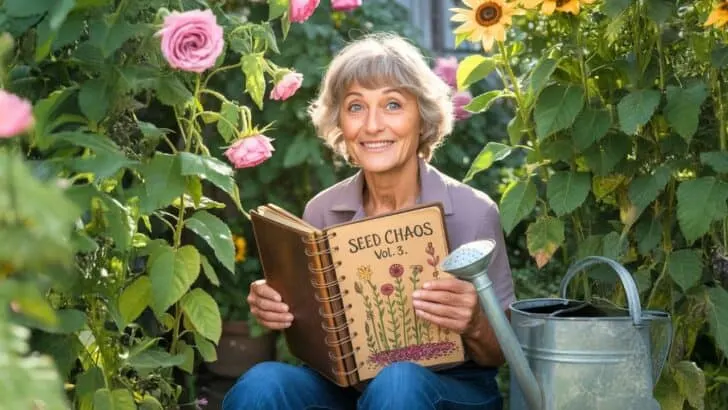
You’ve got half a packet of lettuce, mystery tomato seeds from last year, three kale seeds, and something unlabelled that might be spinach. Or basil. Or possibly beets.
Instead of sorting them, spacing them, or pretending you’ll organize them later — what if you just dumped the whole pile into one bed and called it a day?
It sounds like sabotage. But in small gardens, chaos can actually work in your favor. More diversity. Fewer pests. And the kind of happy accidents that no planting chart could plan for.
This is lazy gardening at its finest. Here’s what actually happens when you sow the seed soup.
🌿 Key Takeaways
- 🌱 Mixing leftover seeds can create surprising, low-effort garden beds.
- 🦋 Plant diversity attracts pollinators and confuses pests.
- 🪴 Natural self-thinning happens as stronger plants outcompete the rest.
- 🥒 Vigorous growers may take over — start with one test bed to play it safe.
- 🔍 You might not recognize what you planted, but that’s part of the fun.
- 🧪 Label the bed for your own sanity — even if it’s just “Seed Chaos 2025.”
🧪 What This Method Is Called (And Why It Works)
This technique goes by a few names — chaos gardening, freestyle sowing, seed dumping — but the idea is the same. Take everything, mix it up, plant it all, and see what grows.
And surprisingly, it’s not just random. Nature already does this. Wildflower meadows, forest understories, even abandoned lots — they’re full of mixed species growing side by side, competing and cooperating in weird little micro-ecosystems.
In a garden bed, this can actually help:
- 🌱 Plants sprout in waves, so space fills in gradually and naturally
- 🪰 Mixed species confuse pests that rely on monocultures to feed or lay eggs
- 🌸 Pollinators show up more when the menu is varied
- 🍂 Soil stays covered, which means fewer weeds and less moisture loss
- 🌿 You get natural succession — early greens give way to late summer growers
It’s not just lazy. It’s sneaky-smart. And fun.
🌼 What You Might Notice
Once those seeds hit the soil, things get interesting. You’re not just growing plants — you’re growing a mystery box. Some of it works. Some of it definitely doesn’t. But it’s never boring.
Here’s what tends to happen:
- 🌱 Germination happens in waves. Quick sprouters show up early, while slower seeds take their time.
- 🌿 Some plants crowd others. Fast growers might shade out the shy ones. You’ll see what’s pushy fast.
- 🐝 Pollinators love the chaos. More flowers, more variety, more visitors. It’s like a garden buffet.
- 🔍 You may not recognize half of what’s growing. Labels? None. Surprises? Constant.
- 🪴 Self-thinning happens naturally. Weaker seedlings often give up without you lifting a finger.
This is gardening with a sense of humor. Let the plants figure it out while you watch the show.
⚠️ What to Watch Out For
Chaos is fun — until the zucchini takes over. Mixing seeds works, but it comes with its own little landmines. Some you can dodge. Some you just accept as part of the experiment.
- 🥒 Vigorous growers can dominate. Squash, radishes, and mustard greens might bulldoze everything else if you’re not careful.
- 🥕 Root crops don’t love company. Carrots and beets get cranky when crowded. You might end up with more foliage than food.
- 🔎 Mystery plants mean mystery timing. Without labels, it’s easy to miss the ideal harvest window. That lettuce might bolt before you notice it exists.
- 🌾 Some seeds just won’t show up. Dormant, old, or picky seeds might sit this one out completely.
- 🎲 You can’t repeat success easily. If you hit the jackpot, good luck replicating it next year. You’ll never remember the mix.
This is not a strategy for control freaks. It’s a strategy for gardeners who can laugh when the basil shows up in October.
🌿 How to Try It Without Regret
This doesn’t have to be a full-bed gamble. You can start small, keep it contained, and still get the wild benefits of chaos gardening — without waking up to a wall of bolting arugula and squash vines in your beans.
Here’s how to do it right:
- 🌱 Use one bed or corner as your test zone. Keep your main crops safe in the rest of the garden.
- 🧂 Mix your seeds with sand or fine compost. It spreads them more evenly and keeps the heavier ones from clumping.
- 💧 Water gently at first. Big sprays can wash all your future salad into one corner.
- 🍂 Mulch lightly. This helps hold moisture and keeps tiny seeds from drying out.
- 🪧 Label it something fun. “Chaos Bed,” “Experimental Zone,” or “The Seed Goblin’s Lair.” Whatever stops you from trying to control it later.
Think of it like improv. There are no wrong choices — just strange ones with good lighting.
Why Chaos Might Be Exactly What Your Garden Needs
You don’t need to plan every inch of your garden to get something good out of it. Sometimes, the best beds are the ones that surprise you — the ones that grow what you didn’t expect, in places you didn’t mean to plant.
Seed mixing isn’t about giving up control. It’s about seeing what happens when you let nature take the lead for once. And if nothing else, it clears out that drawer of half-used seed packets that were never going to get labeled anyway.
Try it once. Call it a science project. Or call it what it is — a perfectly good excuse to stop overthinking your garden for a minute.


Daniel has been a plant enthusiast for over 20 years. He owns hundreds of houseplants and prepares for the chili growing seasons yearly with great anticipation. His favorite plants are plant species in the Araceae family, such as Monstera, Philodendron, and Anthurium. He also loves gardening and is growing hot peppers, tomatoes, and many more vegetables.